-
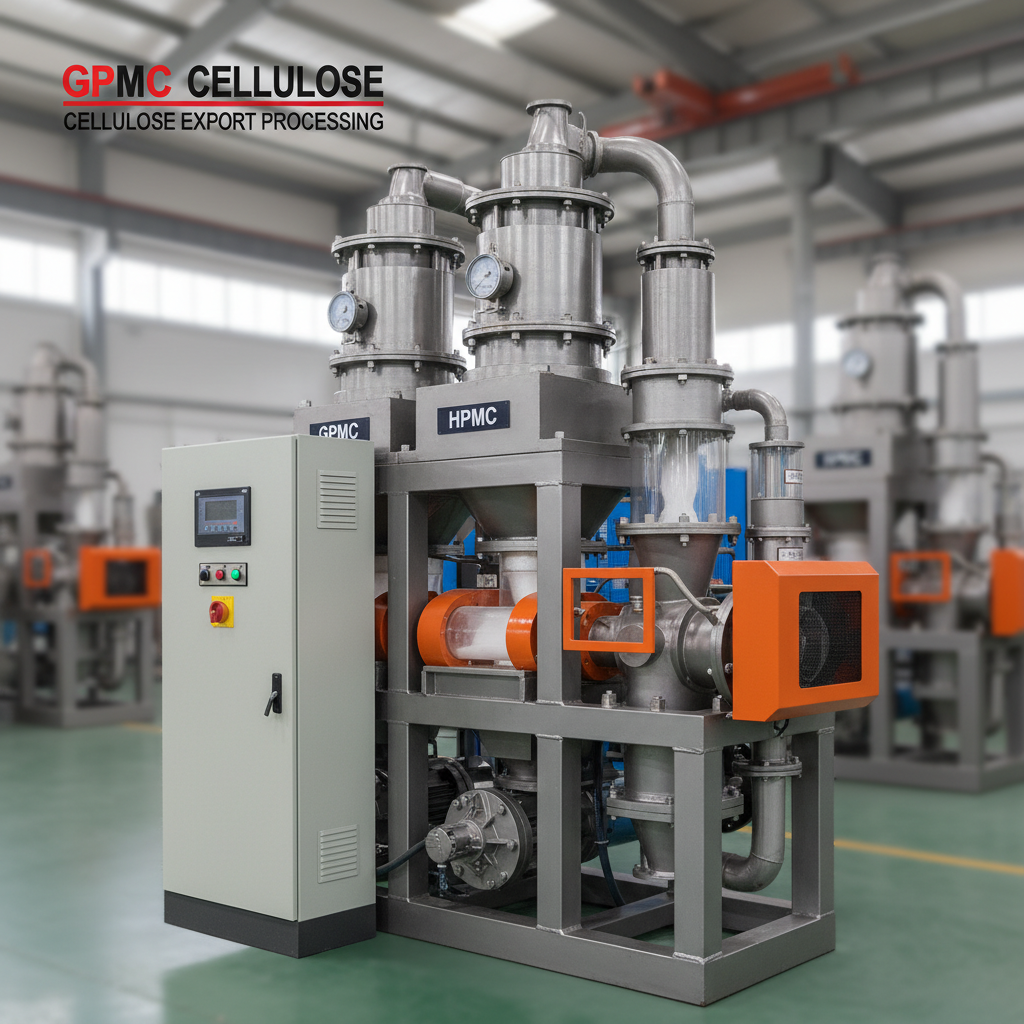 In the world of industrial additives and chemical engineering, ГПМЦ целлюлоза (Hydroxypropyl Methylcellulose) has emerged as a critical component for enhancing product stability and performance. Whether used in construction materials, pharmaceuticals, or personal care products, this versatile polymer provides essential thickening, binding, and water-retention properties. By optimizing the consistency of mixtures, it ensures that end-products are durable and efficient. In this comprehensive guide, we will explore the technical specifications, industrial applications, and the competitive advantages of using high-grade cellulose ethers in modern manufacturing.Read more
 -
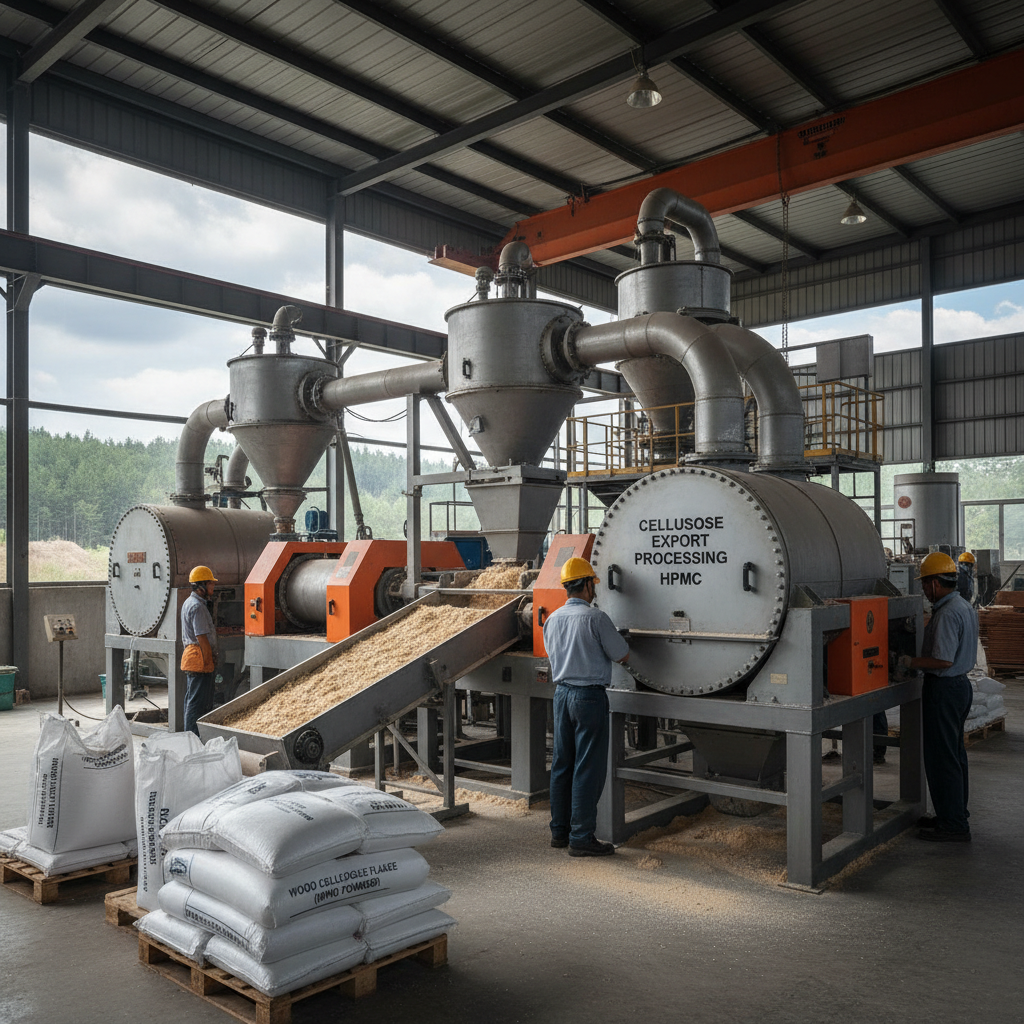 In the modern pursuit of sustainable materials, wood cellulose has emerged as a cornerstone of green chemistry and industrial innovation. As a naturally occurring polymer derived from the cell walls of plants, it offers an unparalleled combination of strength, biodegradability, and versatility. From the construction of eco-friendly buildings to the formulation of advanced pharmaceuticals, this organic compound is replacing synthetic alternatives worldwide. Understanding the nuances of its structure and application is essential for businesses looking to optimize their production efficiency while reducing their environmental footprint. In this comprehensive guide, we will explore how this remarkable material is shaping the future of various global industries.Read more
 -
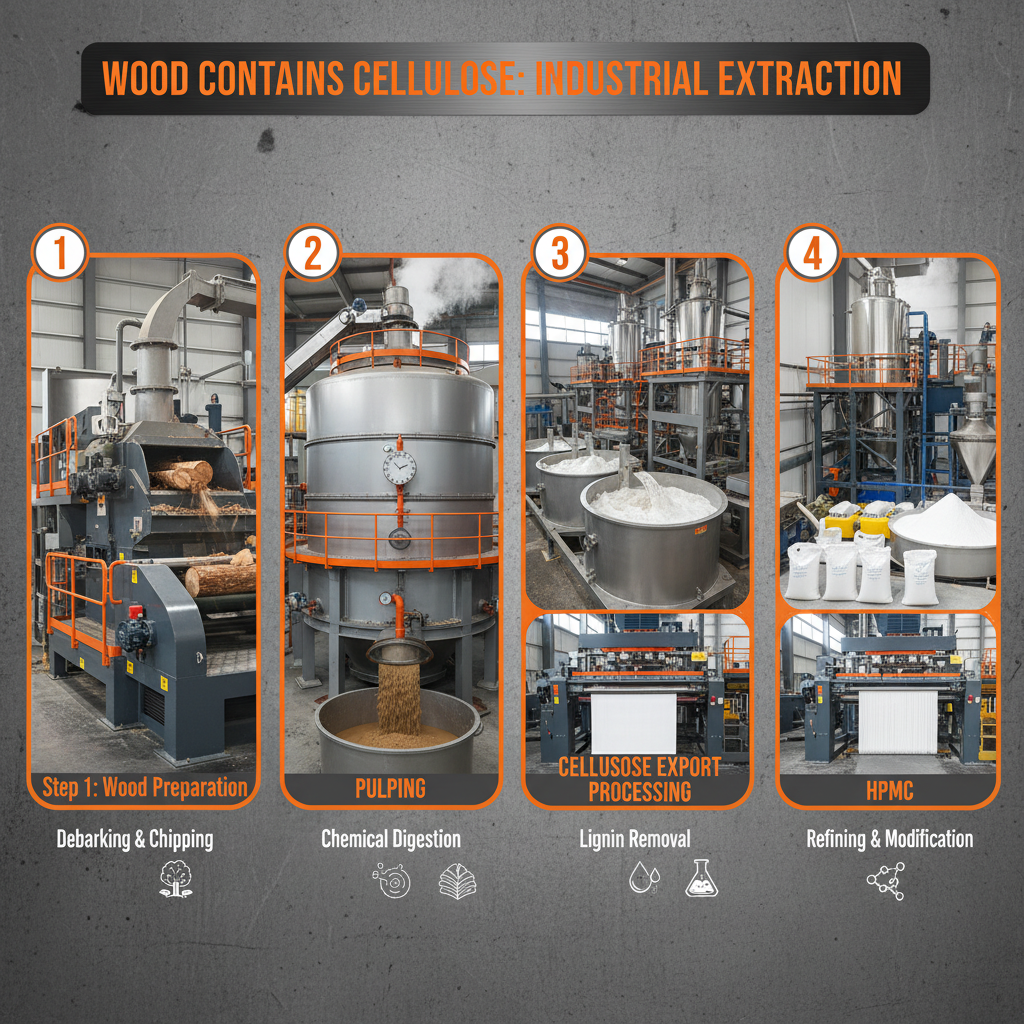 Cellulose is the most abundant organic polymer on Earth, and it's a fundamental component of plant life. But specifically, does wood contain cellulose? The answer is a resounding yes! In fact, wood is primarily composed of cellulose, alongside other components like lignin and hemicellulose. Understanding this composition is crucial in various industries, from paper production and textiles to biofuel development. This article will delve into the relationship between wood and cellulose, exploring its structure, proportion, and significance. We'll also discuss how cellulose is extracted from wood and its diverse applications.Read more
 -
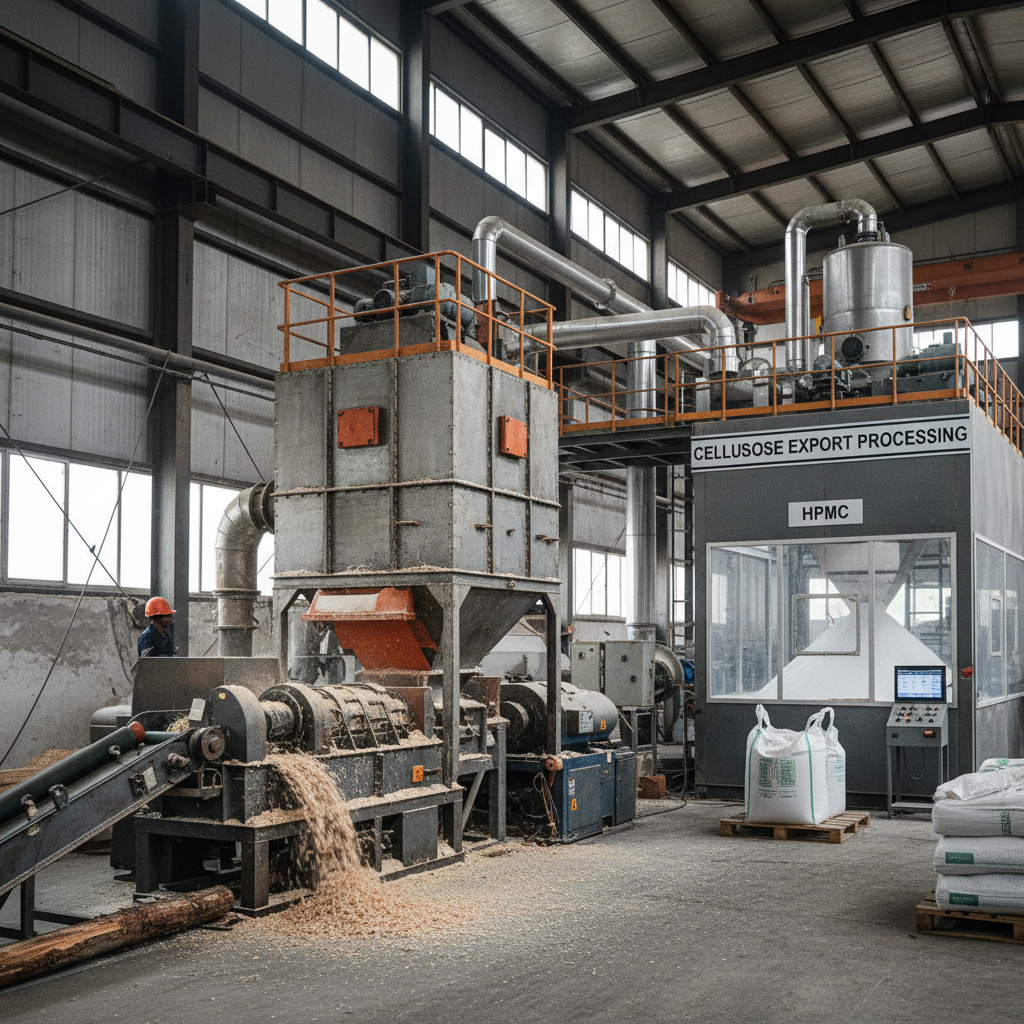 Wood cellulose is a naturally abundant polymer, forming the primary structural component of plant cell walls. It's a fascinating material with a wide range of applications, from everyday products like paper and textiles to cutting-edge innovations in materials science and biofuels. Understanding its properties and sourcing is crucial for various industries.Read more
 -
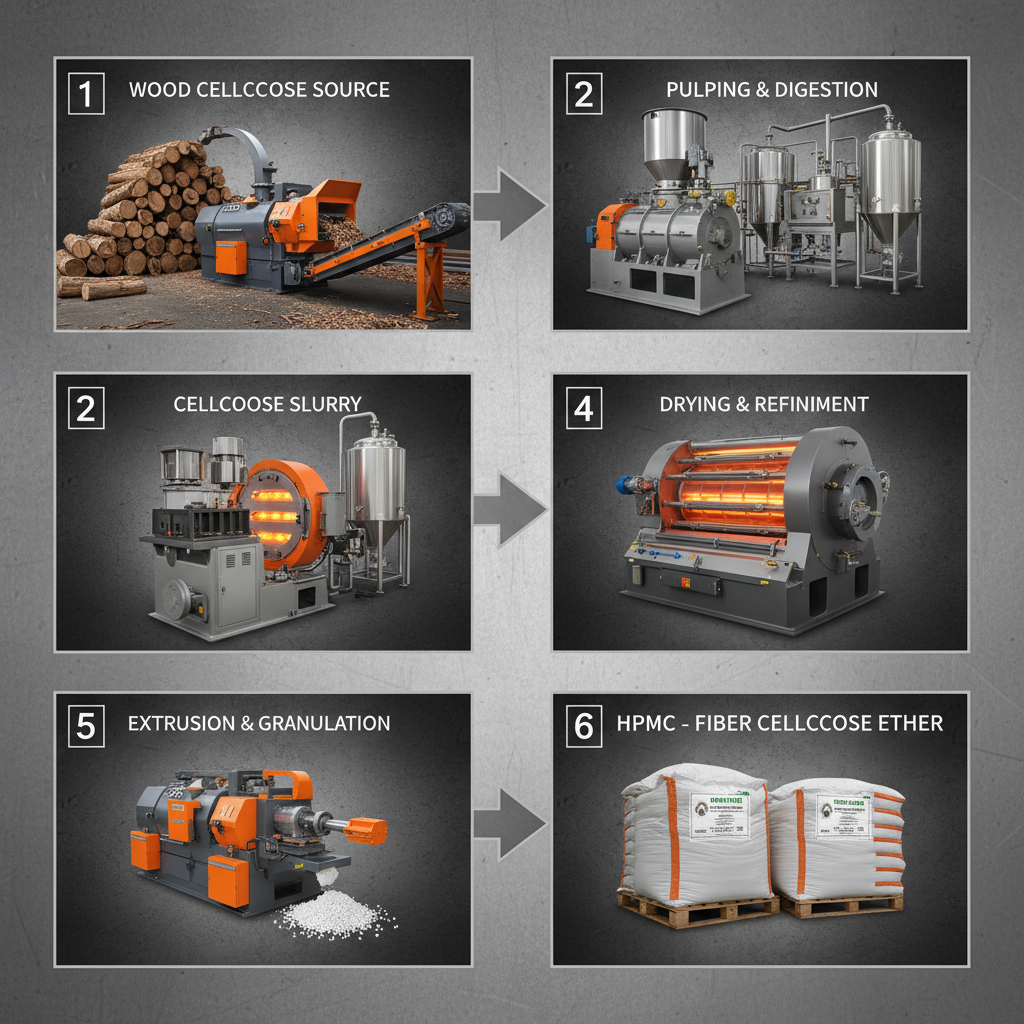 Wood cellulose, a fundamental component of plant cell walls, is garnering significant attention as a sustainable alternative to traditional materials. From textiles and packaging to construction and even biofuels, its potential applications are vast. But understanding wood cellulose and its various forms is crucial for evaluating its true sustainability. This article will explore the science behind wood cellulose, its different forms, its applications, and its potential to contribute to a more sustainable future. It's about more than just trees; it's about reimagining materials and reducing our environmental impact.Read more
 -
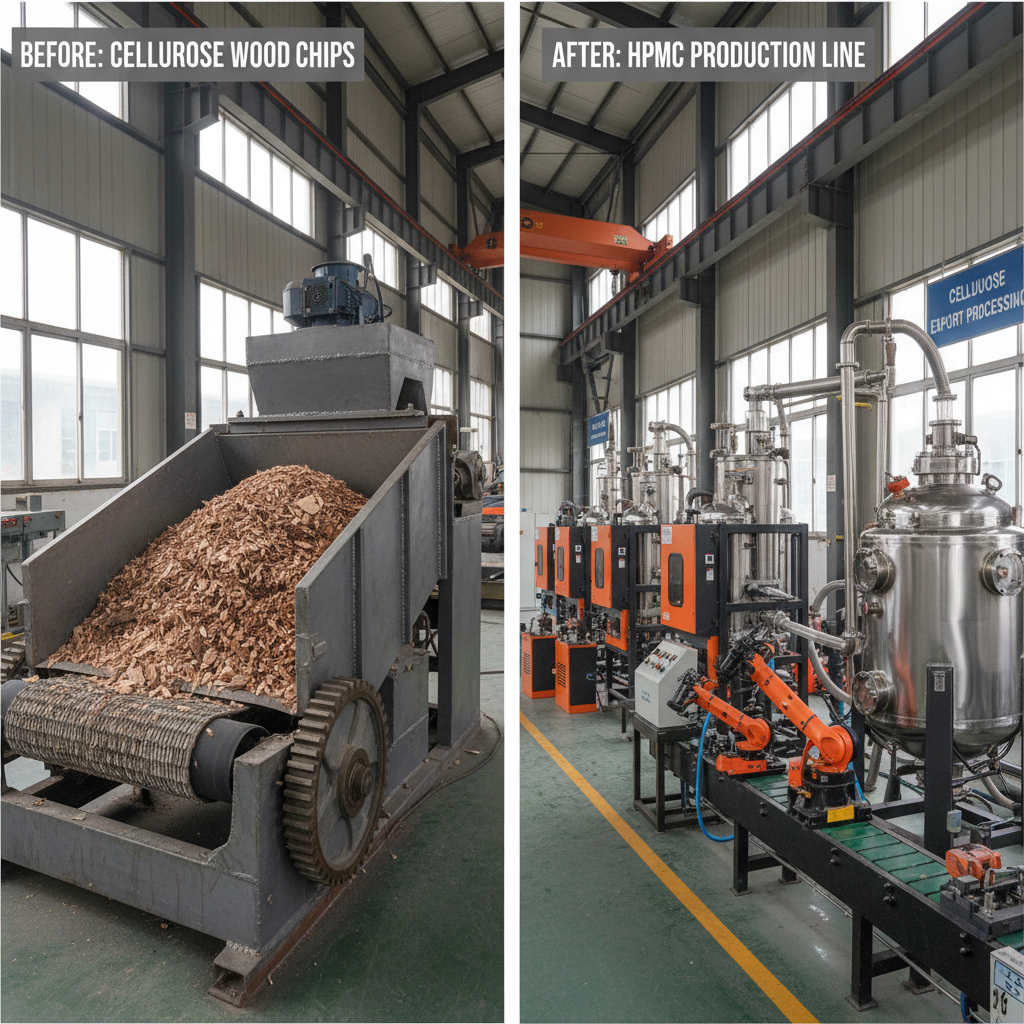 Cellulose wood chips are gaining traction as a versatile and eco-friendly material across numerous industries. From animal bedding and composting to biomass energy and even industrial applications, these chips offer a compelling alternative to traditional materials. But what exactly are cellulose wood chips, and are they truly a sustainable solution? This article will delve into the benefits, applications, and potential drawbacks of using cellulose wood chips, providing a comprehensive overview for businesses and environmentally conscious consumers.Read more
 -
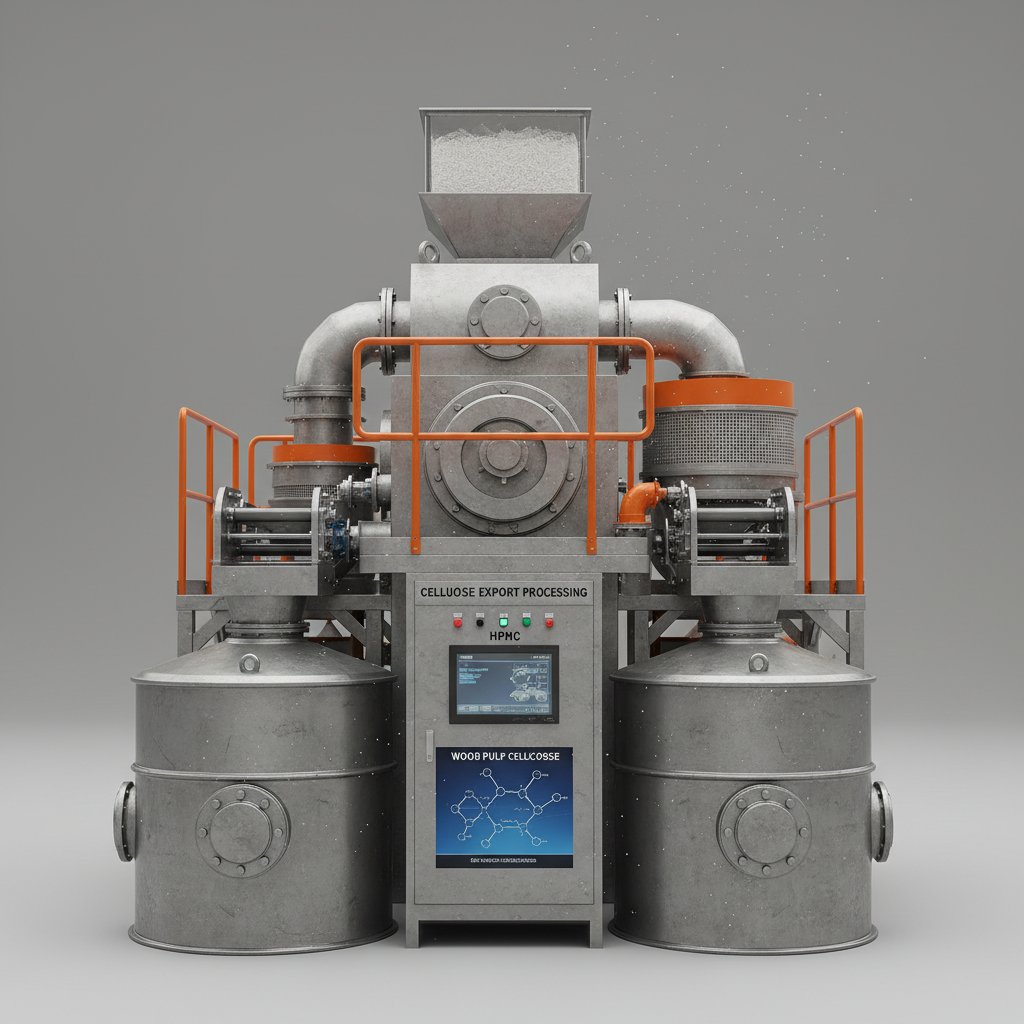 Wood pulp cellulose is a versatile, naturally derived material gaining prominence across various industries. It's essentially the fiber obtained from wood, meticulously processed to isolate the cellulose, which forms the structural component of plant cell walls. From pharmaceuticals and food to construction and textiles, its unique properties make it a valuable ingredient. This article will delve into its production, applications, benefits, and the role SSHBHPMC plays in providing high-quality wood pulp cellulose. Understanding this material is crucial for businesses looking for sustainable and functional ingredients. The journey from tree to cellulose involves several key steps. Initially, wood chips undergo either mechanical or chemical pulping. Mechanical pulping grinds the wood, retaining most of the lignin (a complex polymer that provides rigidity). Chemical pulping, however, dissolves the lignin, leaving behind predominantly cellulose fibers. The most common chemical processes include the Kraft process (sulfate) and the sulfite process. Following pulping, the resulting cellulose pulp is bleached to improve its whiteness and purity.Read more
 -
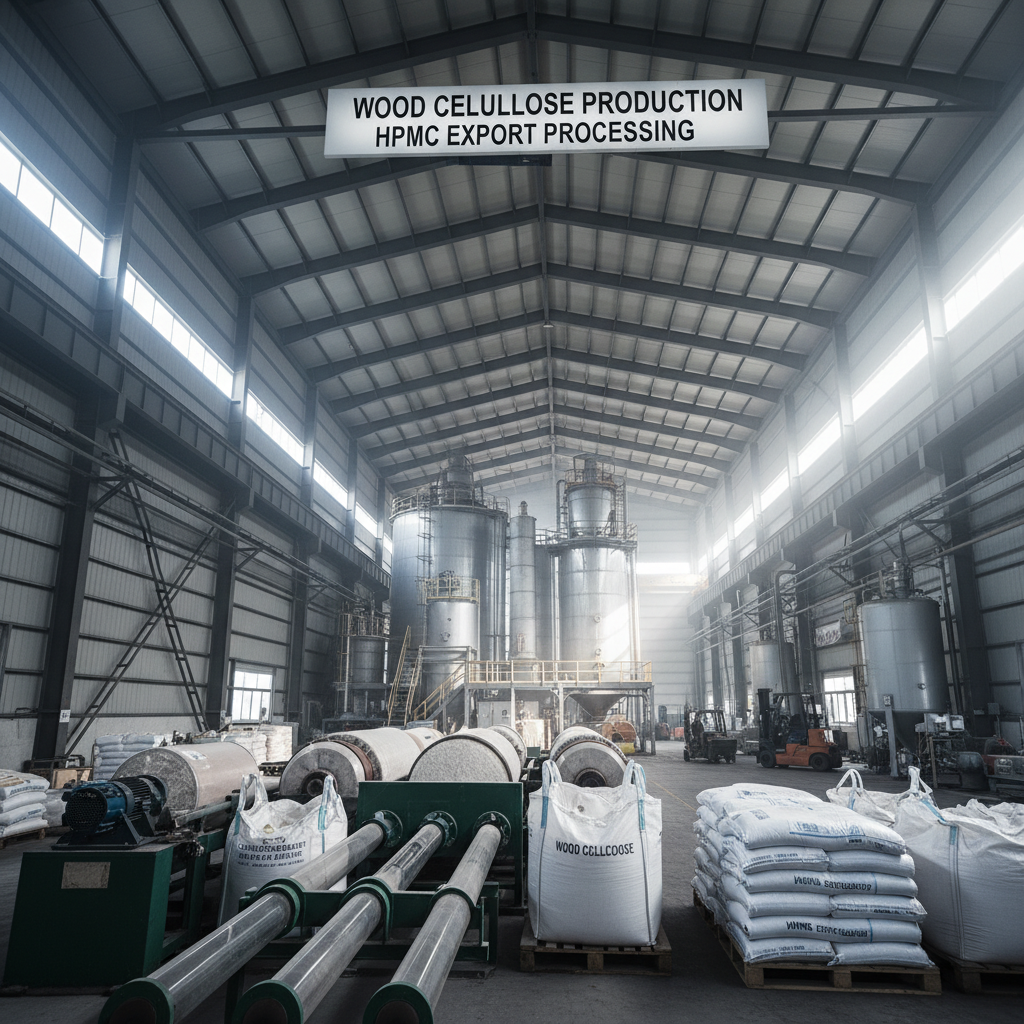 Wood cellulose is the fundamental structural component of plant cell walls, and by extension, wood. It’s the most abundant organic polymer on Earth, playing a crucial role in various industries, from textiles and paper production to food and pharmaceuticals. Understanding wood cellulose – its properties, sources, and applications – is key to appreciating its wide-ranging impact on modern life. This article provides an in-depth exploration of this essential material, exploring its chemical makeup, extraction methods, and potential future uses. At its core, wood cellulose is a linear polysaccharide composed of repeating glucose units linked by β-1,4-glycosidic bonds. This arrangement creates long, chain-like molecules that exhibit high tensile strength. These cellulose chains then bundle together to form microfibrils, which provide the structural rigidity of plant cell walls. The chemical formula for cellulose is (C6H10O5)n, where 'n' represents the degree of polymerization – the number of glucose units in a chain.Read more
 -
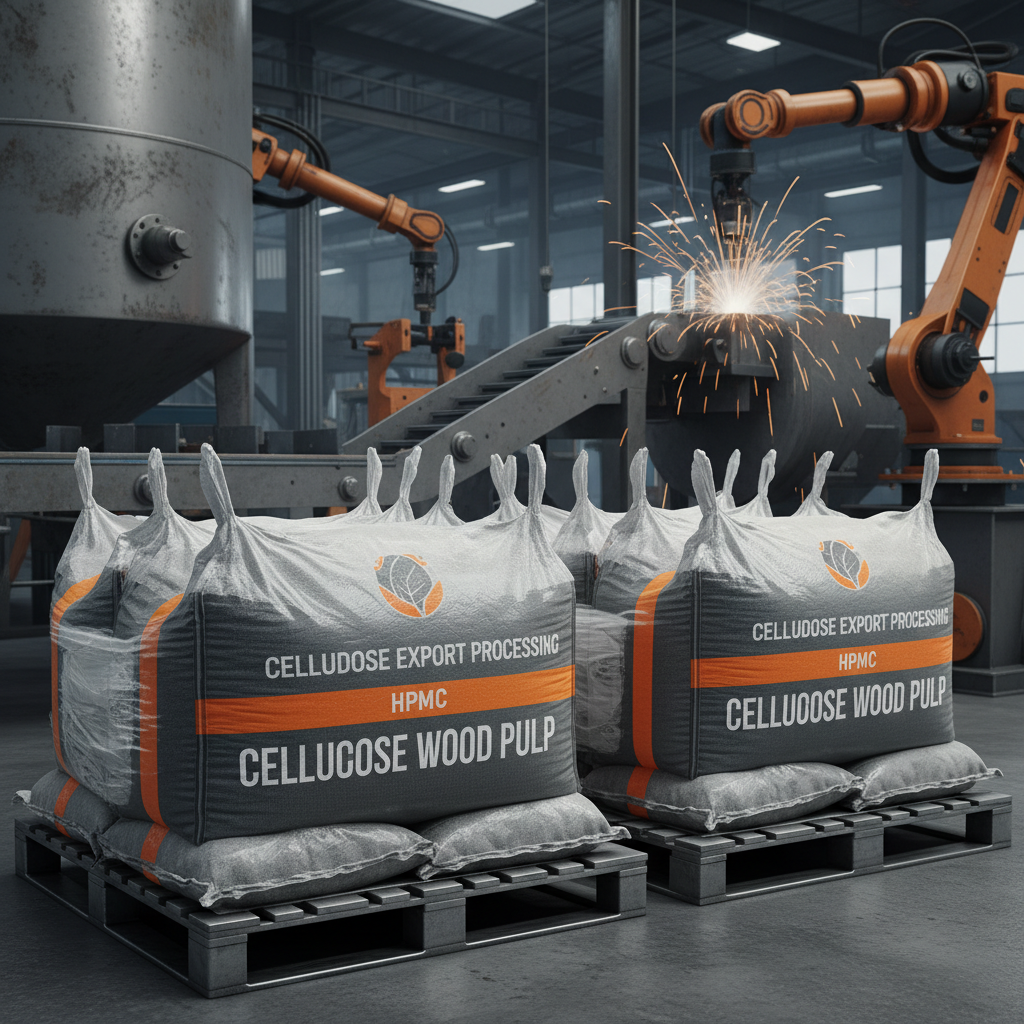 Cellulose wood pulp is a versatile material derived from wood fibers, playing a crucial role in numerous industries, from paper production to textiles and even pharmaceuticals. It’s the foundation for many everyday products, making understanding its properties and applications essential. At SSHBHPMC, we specialize in high-quality cellulose wood pulp, tailored to meet diverse industrial needs. This article will explore the manufacturing process, different types, applications, and benefits of this important resource. The production of cellulose wood pulp begins with harvesting trees, typically softwood species like pine and spruce, or hardwood varieties like eucalyptus and birch. These trees are then chipped into small pieces. The wood chips undergo either a mechanical pulping process, a chemical pulping process, or a combination of both. Mechanical pulping grinds the wood, preserving most of the lignin (the substance that holds wood fibers together) resulting in a lower-quality pulp. Chemical pulping, using sulfates or sulfites, dissolves the lignin, producing a purer, stronger cellulose pulp. The resulting pulp is then washed, screened, and bleached to achieve the desired whiteness and purity.Read more
 -
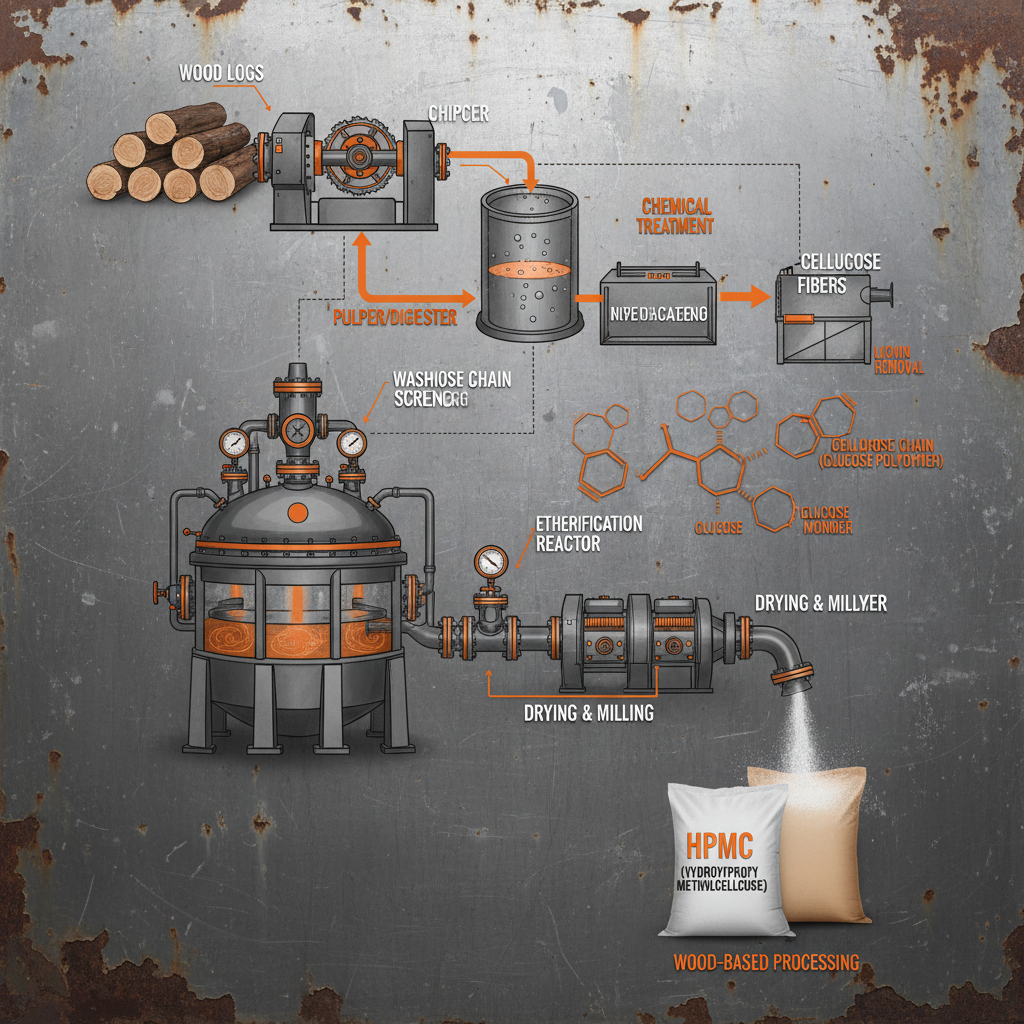 Cellulose is the most abundant organic polymer on Earth, and it's the foundational structural component of plant cell walls – especially in wood. But what exactly is cellulose made of? This article will explore the chemical composition, structure, extraction, and applications of cellulose derived from wood. Understanding cellulose is crucial for industries ranging from textiles and paper to biofuels and even pharmaceuticals. We’ll also touch upon how SSHBHPMC specializes in cellulose derivatives for various applications. At its core, cellulose is a polysaccharide – a long chain of repeating sugar molecules. These sugar molecules are specifically glucose. Each glucose unit (C6H12O6) is linked together by β-1,4-glycosidic bonds. This specific type of bond is what gives cellulose its unique strength and resistance to breakdown. The molecular formula for cellulose is (C6H10O5)n, where 'n' represents the number of glucose units in the chain – and can be in the thousands. This long, linear structure is key to understanding its properties. Within the wood structure, cellulose molecules don’t exist in isolation. They arrange themselves into microfibrils, which are highly ordered crystalline structures. These microfibrils are bundled together to form larger fibrils, and these fibrils are embedded in a matrix of lignin and hemicellulose – other key components of wood.Read more
 -
 Wood, a seemingly simple natural material, possesses a complex structure. At its heart lies cellulose, the most abundant organic polymer on Earth. Understanding what cellulose is in wood is crucial for appreciating its properties, uses, and processing. This article will delve into the composition, structure, and significance of cellulose, its role in wood's characteristics, and its applications beyond traditional woodworking. Explore how SSHBHPMC leverages wood-derived cellulose in innovative products. We’ll cover everything from its basic chemical structure to its industrial applications. Cellulose is a polysaccharide, meaning it’s a large carbohydrate molecule composed of repeating glucose (sugar) units. These glucose units are linked together by β-1,4-glycosidic bonds, forming long, linear chains. These chains then associate with each other through hydrogen bonding, creating strong, crystalline microfibrils. It is these microfibrils that give wood its strength and rigidity. The chemical formula for cellulose is (C6H10O5)n, where 'n' represents the number of glucose units. Different types of wood contain varying amounts of cellulose, alongside other components like lignin and hemicellulose. The unique structure of cellulose directly influences wood's properties. The crystalline arrangement of cellulose microfibrils provides high tensile strength – resistance to being pulled apart. The orientation of these microfibrils within the wood cell walls dictates how the wood behaves under stress.Read more
 -
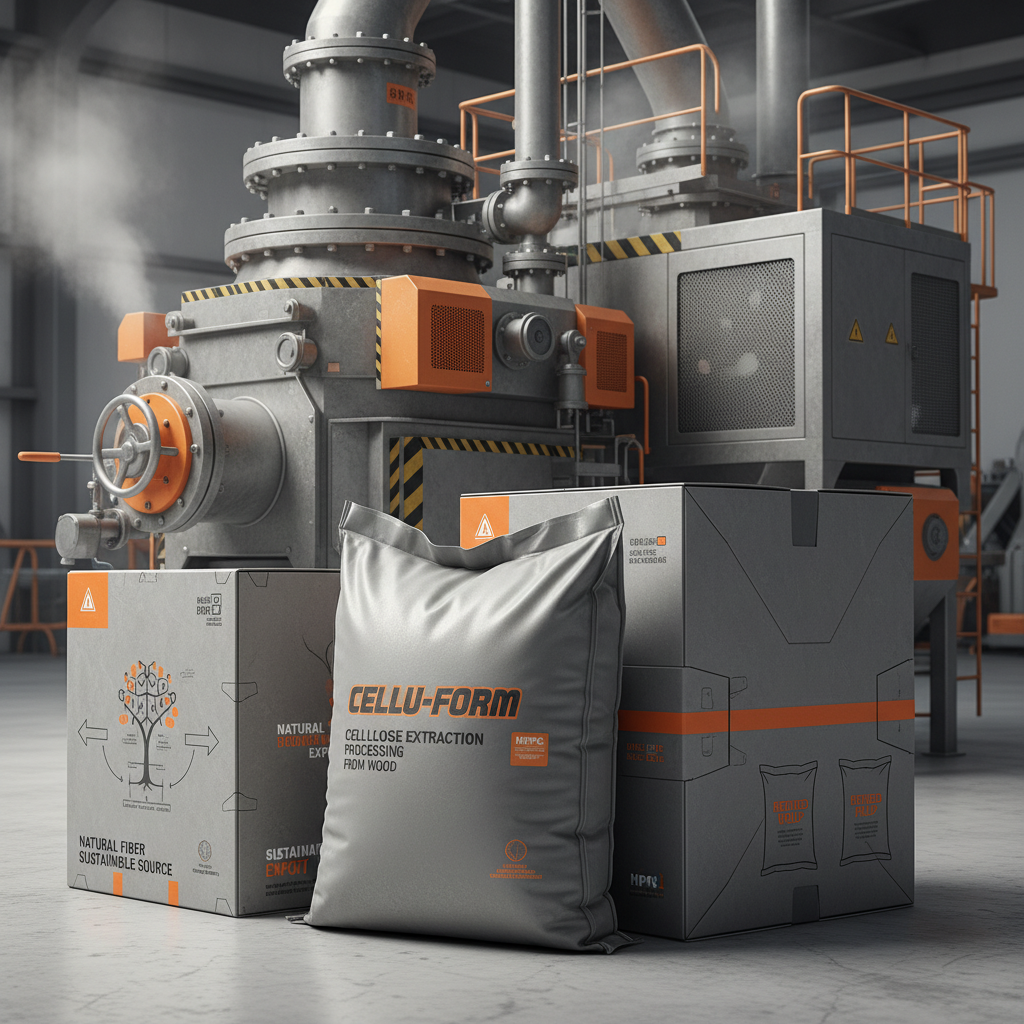 Cellulose, the most abundant organic polymer on Earth, is a vital component of plant cell walls, particularly in wood. Its applications span numerous industries, from textiles and paper production to pharmaceuticals and bioplastics. Extracting cellulose from wood is a complex process, but understanding the methods and their nuances is key to obtaining high-quality material. This article delves into the various techniques for cellulose extraction, exploring their advantages, disadvantages, and suitability for different applications. We will cover both traditional and modern methods, providing a comprehensive overview for researchers, manufacturers, and anyone interested in this valuable biomaterial. Before discussing extraction methods, it’s crucial to understand wood’s composition. Wood primarily consists of cellulose (40-50%), hemicellulose (25-35%), and lignin (15-30%). Cellulose forms the crystalline structure providing strength, while hemicellulose and lignin act as a matrix surrounding the cellulose fibers. Successful cellulose extraction requires selectively removing these components without damaging the cellulose fibers themselves.Read more

-

Add: HeBei ShengShi HongBang Cellulose Technology CO.,LTD.
-

Email
13180486930@163.com -

CONTACT US
+86 13180486930