-

Add: HeBei ShengShi HongBang Cellulose Technology CO.,LTD.
-

Email
13180486930@163.com -

CONTACT US
+86 13180486930
Exploring the Sustainability and Versatility of Cellulose Wood Chips
Is Cellulose Wood Chips a Sustainable Solution?
Cellulose wood chips are gaining traction as a versatile and eco-friendly material across numerous industries. From animal bedding and composting to biomass energy and even industrial applications, these chips offer a compelling alternative to traditional materials. But what exactly are cellulose wood chips, and are they truly a sustainable solution? This article will delve into the benefits, applications, and potential drawbacks of using cellulose wood chips, providing a comprehensive overview for businesses and environmentally conscious consumers. We'll explore their production, advantages, and why SSHBHPMC is a leading provider of quality cellulose wood chips.
Understanding Cellulose Wood Chips
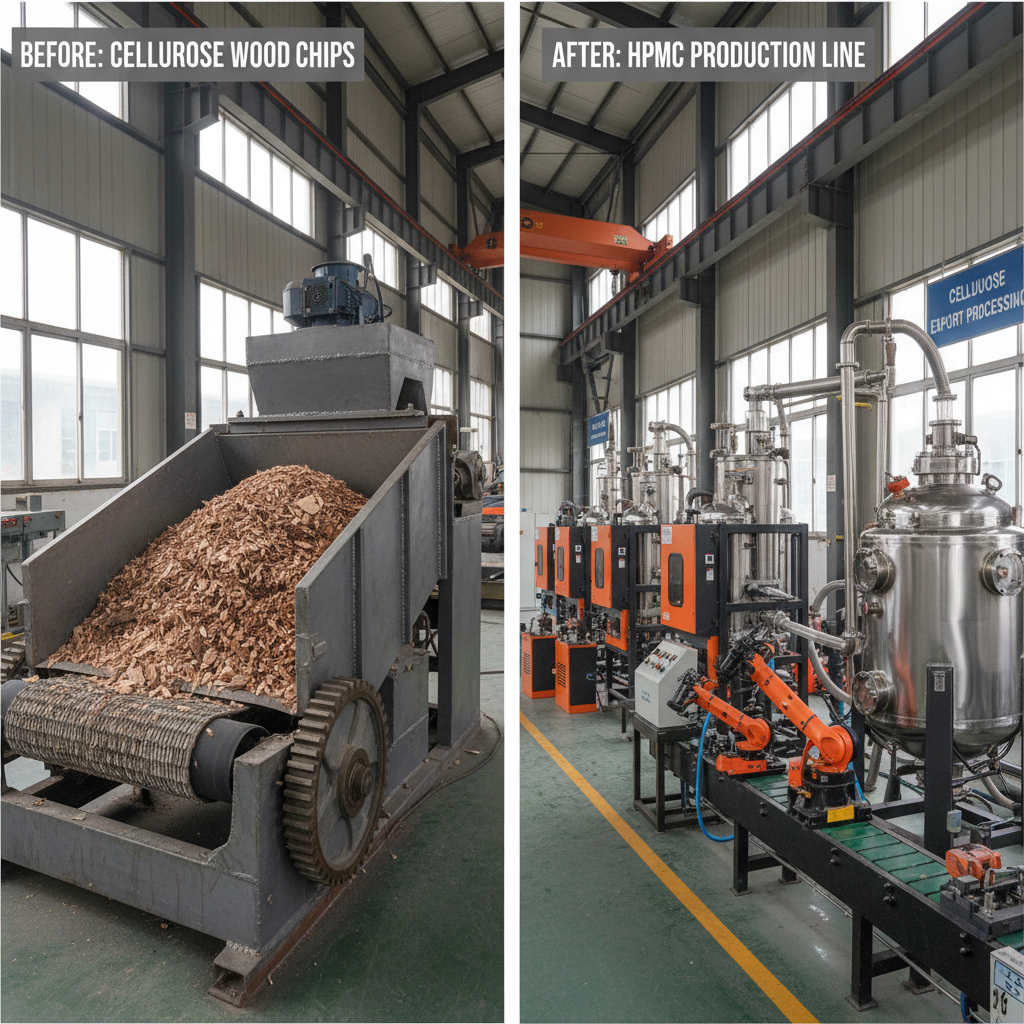
Cellulose wood chips are derived from wood fibers, the primary structural component of trees. They are typically produced as a byproduct of pulp and paper manufacturing, meaning they utilize resources that would otherwise be considered waste. The wood is processed to separate the cellulose fibers, which are then dried and chipped into various sizes, depending on the intended application. This process creates a highly absorbent, biodegradable, and renewable material. The quality of cellulose wood chips varies, depending on the wood source and manufacturing process, which is why choosing a reputable supplier like SSHBHPMC is crucial.
Key Highlights: Produced from wood fibers, often as a byproduct of other processes. Highly absorbent, biodegradable and renewable. Quality depends on source and processing.
Applications of Cellulose Wood Chips
The versatility of cellulose wood chips is a major driver of their growing popularity. Here's a breakdown of key applications: Animal Bedding: Highly absorbent and comfortable for livestock, poultry, and horses. Composting: Provides a carbon-rich “brown” material, accelerating decomposition and improving compost quality. Biomass Energy: Can be burned as a renewable fuel source for heat and electricity generation. Industrial Applications: Used as a filler in various products, including plastics and construction materials. Absorbents: Effective for cleaning up spills and absorbing liquids in industrial settings. The specific type of wood chip needed will depend on the application, and SSHBHPMC offers a range of sizes and grades to meet diverse needs.
Application Benefits:
• Reduced waste compared to traditional materials.
• Sustainable and renewable resource.
• Cost-effective alternative.
• Versatile for a wide range of uses.
Is Cellulose Wood Chips a Sustainable Choice?
The sustainability of cellulose wood chips largely hinges on responsible sourcing and production practices. Utilizing chips generated as a byproduct minimizes waste and reduces the demand for virgin wood. However, it’s important to consider the forest management practices of the wood source. Sustainably managed forests ensure reforestation and biodiversity. Furthermore, the transportation of wood chips can contribute to carbon emissions, so sourcing locally is ideal. SSHBHPMC is committed to sourcing from sustainably managed forests and optimizing its logistics to minimize environmental impact.
Cellulose Wood Chips vs. Other Bedding Materials
When considering animal bedding, cellulose wood chips offer several advantages over traditional options like straw or shavings. Straw can be dusty and less absorbent, while shavings can be expensive. Cellulose wood chips provide superior absorbency, reducing ammonia levels and promoting a healthier environment for animals. They are also generally less dusty than straw and more cost-effective than shavings. Here's a quick comparison:

Choosing the Right Supplier
Selecting a reliable supplier is paramount to ensure the quality and sustainability of the cellulose wood chips you receive. Look for a supplier with a commitment to responsible forestry practices, consistent product quality, and transparent sourcing. SSHBHPMC offers a wide range of cellulose wood chip products, tailored to meet specific industry needs. We prioritize sustainable sourcing and rigorous quality control, providing customers with a dependable and eco-friendly solution.
Conclusion: A Sustainable Material with a Bright Future
Cellulose wood chips represent a promising sustainable material with a diverse range of applications. By prioritizing responsible sourcing and supporting suppliers like SSHBHPMC, we can harness the benefits of this versatile resource while minimizing environmental impact. Investing in cellulose wood chips is an investment in a greener future.
Frequently Asked Questions (FAQs)
What are the different sizes of cellulose wood chips available?
Cellulose wood chips come in a variety of sizes, ranging from coarse to fine, depending on the application. Coarser chips are often used for animal bedding and composting, providing good drainage and aeration. Finer chips are suitable for absorbent applications and industrial processes. SSHBHPMC offers customized sizing options to meet your specific requirements. We can tailor the chip size to optimize performance for your intended use, ensuring maximum efficiency and cost-effectiveness.
Are cellulose wood chips safe for animals?
Yes, cellulose wood chips are generally considered safe for animals when sourced from untreated wood. They are non-toxic and biodegradable, making them a natural and healthy bedding option. However, it's important to ensure the chips are free from dust and contaminants. SSHBHPMC's animal bedding chips undergo rigorous quality control to ensure they meet the highest safety standards.
How do cellulose wood chips compare to peat moss for composting?
Cellulose wood chips and peat moss both serve as valuable “brown” materials in composting, providing carbon. However, cellulose wood chips are a more sustainable option as peat moss harvesting damages fragile wetland ecosystems. Wood chips also tend to be more readily available and cost-effective. They offer a good balance of carbon and aeration, promoting efficient decomposition and producing high-quality compost.
-
Industrial Guide to ГПМЦ целлюлоза High Performance CelluloseNewsApr.16,2026
-
Wood Cellulose Properties and Industrial Applications GuideNewsApr.09,2026
-
Does Wood Contain Cellulose A Detailed Exploration of its Composition and UsesNewsApr.07,2026
-
Understanding Wood Cellulose Meaning Applications and Future TrendsNewsApr.04,2026
-
Exploring the Potential of Wood Cellulose is wood cellulose a Sustainable MaterialNewsMar.31,2026
-
Understanding Wood Pulp Cellulose A Comprehensive Guide to Properties and ApplicationsNewsMar.26,2026
-
What is Wood Cellulose A Comprehensive Exploration of Properties and ApplicationsNewsMar.24,2026