-

Add: HeBei ShengShi HongBang Cellulose Technology CO.,LTD.
-

Email
13180486930@163.com -

CONTACT US
+86 13180486930
Understanding Wood Pulp Cellulose A Comprehensive Guide to Properties and Applications
What is Wood Pulp Cellulose? A Comprehensive Guide
Wood pulp cellulose is a versatile, naturally derived material gaining prominence across various industries. It's essentially the fiber obtained from wood, meticulously processed to isolate the cellulose, which forms the structural component of plant cell walls. From pharmaceuticals and food to construction and textiles, its unique properties make it a valuable ingredient. This article will delve into its production, applications, benefits, and the role SSHBHPMC plays in providing high-quality wood pulp cellulose. Understanding this material is crucial for businesses looking for sustainable and functional ingredients.
The Production Process of Wood Pulp Cellulose
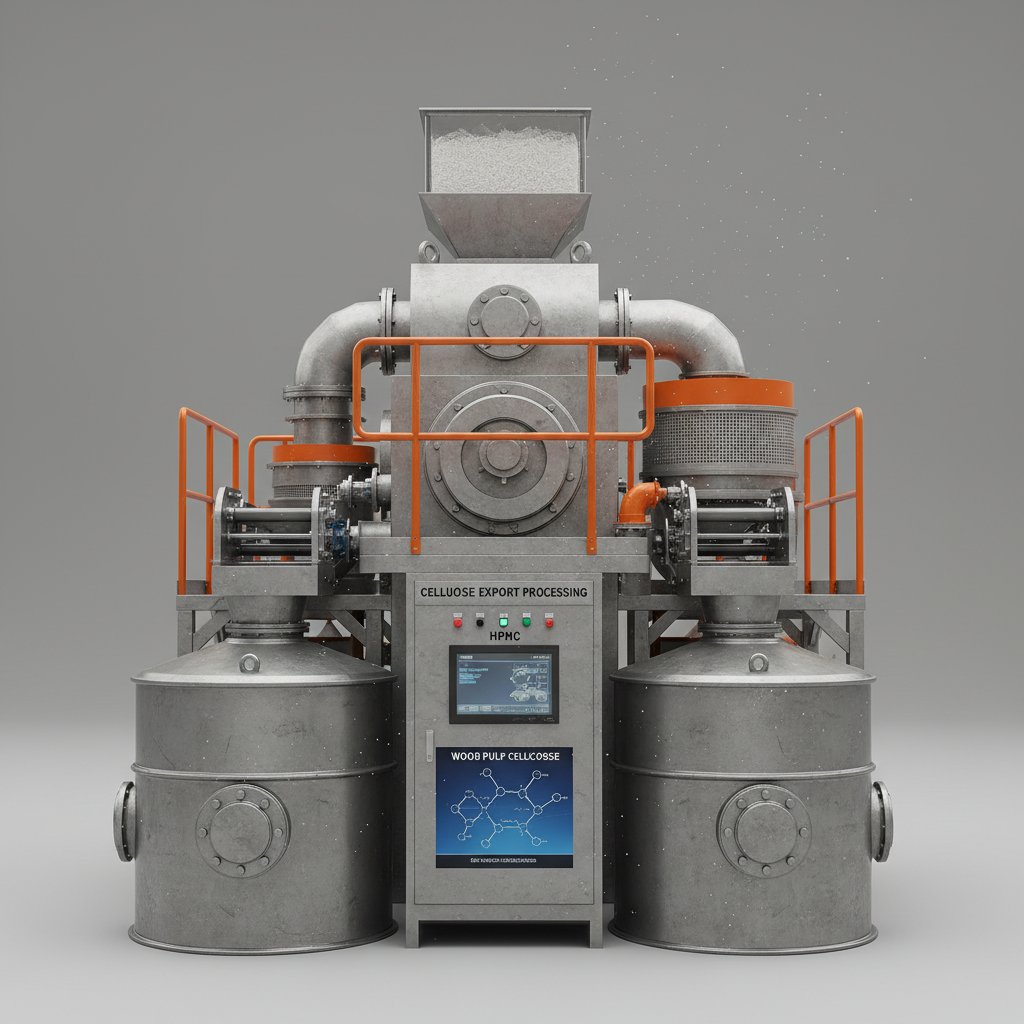
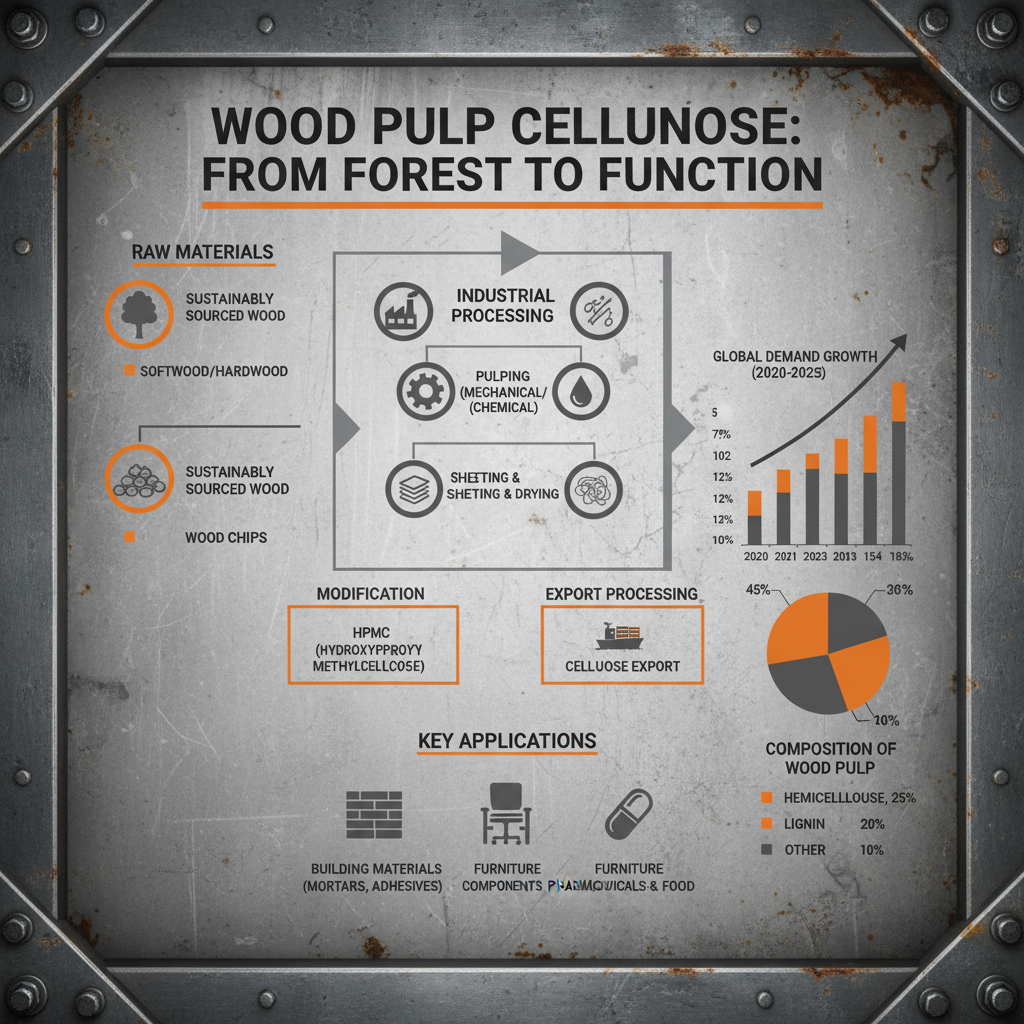
The journey from tree to cellulose involves several key steps. Initially, wood chips undergo either mechanical or chemical pulping. Mechanical pulping grinds the wood, retaining most of the lignin (a complex polymer that provides rigidity). Chemical pulping, however, dissolves the lignin, leaving behind predominantly cellulose fibers. The most common chemical processes include the Kraft process (sulfate) and the sulfite process. Following pulping, the resulting cellulose pulp is bleached to improve its whiteness and purity. Finally, the pulp is dried and processed into various forms, such as powders or sheets, depending on the intended application. SSHBHPMC utilizes advanced chemical pulping techniques to ensure a high-purity, consistent product.
Key Highlights: The chemical pulping process yields higher purity cellulose compared to mechanical pulping. Bleaching significantly enhances the material’s whiteness and suitability for sensitive applications.
Key Properties of Wood Pulp Cellulose
Wood pulp cellulose boasts a remarkable combination of properties. Its high cellulose content provides excellent fiber strength and rigidity. It's also highly absorbent, making it ideal for applications requiring fluid handling. Being a natural polymer, it’s biodegradable and biocompatible, aligning with growing sustainability concerns. Furthermore, it’s chemically inert, meaning it doesn't readily react with other substances. These qualities contribute to its wide-ranging usability. The ability to modify cellulose through chemical derivatives further expands its functional range, opening doors to specialized applications.
Essential Properties:
• High Fiber Strength
• Excellent Absorbency
• Biodegradable and Biocompatible
• Chemically Inert
Applications of Wood Pulp Cellulose: A Diverse Range
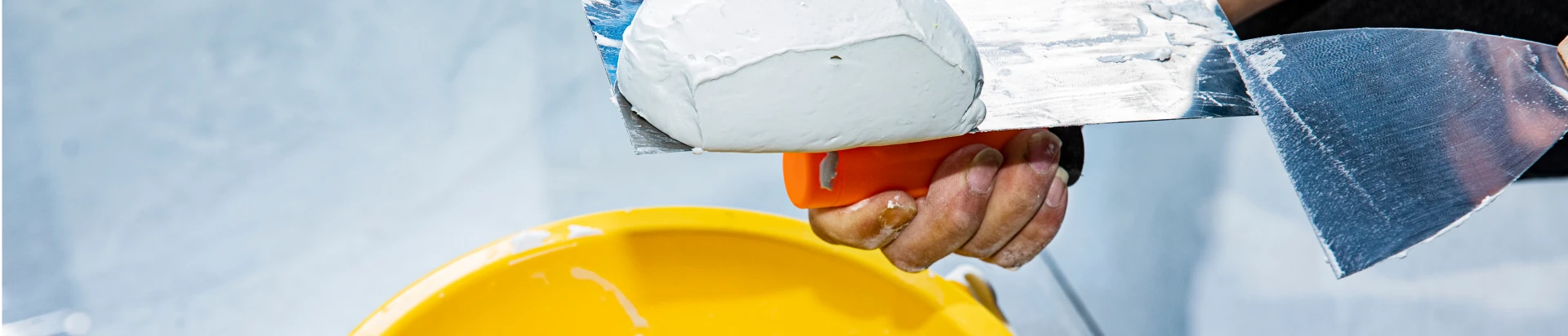
The applications of wood pulp cellulose are incredibly diverse. In the pharmaceutical industry, it's used as an excipient – an inactive ingredient that serves as a binder, filler, or disintegrant in tablets and capsules. In the food industry, it acts as a thickening agent, stabilizer, and dietary fiber source. The construction sector utilizes cellulose derivatives in cement and gypsum board for improved workability and water retention. The textile industry employs it in the production of rayon and lyocell fibers. Even in cosmetics, it functions as a thickening and stabilizing agent.
Wood Pulp Cellulose vs. Other Cellulose Sources: A Comparison
While cellulose can be derived from various sources, including cotton and bacteria, wood pulp cellulose offers distinct advantages. Cotton cellulose is often more expensive and has limited availability. Bacterial cellulose, while promising, is currently cost-prohibitive for large-scale applications. Wood pulp cellulose strikes a balance between cost, availability, and purity. Sustainable forestry practices further enhance its appeal as an environmentally responsible material. SSHBHPMC is committed to sourcing wood pulp from sustainably managed forests.
SSHBHPMC: Your Trusted Wood Pulp Cellulose Supplier
SSHBHPMC is a leading manufacturer and supplier of high-quality wood pulp cellulose. We specialize in providing customized solutions tailored to meet the specific needs of our clients. Our stringent quality control processes ensure consistent product purity and performance. We are dedicated to sustainable sourcing and environmentally responsible manufacturing practices. We offer a wide range of cellulose products, including microcrystalline cellulose (MCC), carboxymethyl cellulose (CMC), and hydroxypropyl methylcellulose (HPMC).
Conclusion: Embracing the Potential of Wood Pulp Cellulose
Wood pulp cellulose is a remarkable material with a growing number of applications. Its versatility, sustainability, and cost-effectiveness make it a valuable asset for industries worldwide. Partnering with a reliable supplier like SSHBHPMC ensures access to high-quality cellulose products and expert support. Embrace the potential of wood pulp cellulose and unlock new possibilities for your business.
Frequently Asked Questions (FAQs)
Is wood pulp cellulose biodegradable?
Yes, wood pulp cellulose is naturally biodegradable. Derived from plant material, it breaks down naturally over time, returning to the environment without leaving harmful residues. This makes it a more sustainable alternative to many synthetic materials. The biodegradation rate depends on factors such as environmental conditions (temperature, humidity, presence of microorganisms) and the specific form of cellulose. However, it generally decomposes much faster than plastics or other petroleum-based polymers.
What are the main benefits of using wood pulp cellulose over synthetic alternatives?
Wood pulp cellulose offers several advantages over synthetic alternatives. It is renewable, sustainable, and biodegradable, contributing to a lower environmental impact. It’s also biocompatible, making it suitable for pharmaceutical and food applications. Furthermore, it often exhibits excellent performance characteristics, such as high absorbency and fiber strength, and can be cost-effective depending on the application and grade of cellulose.
How does SSHBHPMC ensure the quality of its wood pulp cellulose?
SSHBHPMC employs a rigorous quality control system throughout the entire production process. This includes careful sourcing of raw materials from sustainably managed forests, thorough testing of pulp purity and properties, and adherence to strict manufacturing standards. We utilize advanced analytical techniques to ensure consistent product quality and meet the specific requirements of our customers.
Can wood pulp cellulose be modified for specific applications?
Yes, wood pulp cellulose can be chemically modified to create a wide range of derivatives with tailored properties. Examples include carboxymethyl cellulose (CMC), hydroxypropyl methylcellulose (HPMC), and microcrystalline cellulose (MCC). These derivatives offer enhanced solubility, viscosity, and stability, making them suitable for specific applications in pharmaceuticals, food, cosmetics, and other industries.
-
Industrial Guide to ГПМЦ целлюлоза High Performance CelluloseNewsApr.16,2026
-
Wood Cellulose Properties and Industrial Applications GuideNewsApr.09,2026
-
Does Wood Contain Cellulose A Detailed Exploration of its Composition and UsesNewsApr.07,2026
-
Understanding Wood Cellulose Meaning Applications and Future TrendsNewsApr.04,2026
-
Exploring the Potential of Wood Cellulose is wood cellulose a Sustainable MaterialNewsMar.31,2026
-
Exploring the Sustainability and Versatility of Cellulose Wood ChipsNewsMar.28,2026
-
What is Wood Cellulose A Comprehensive Exploration of Properties and ApplicationsNewsMar.24,2026