-

Add: HeBei ShengShi HongBang Cellulose Technology CO.,LTD.
-

Email
13180486930@163.com -

CONTACT US
+86 13180486930
What is Wood Cellulose A Comprehensive Exploration of Properties and Applications
What is Wood Cellulose: A Comprehensive Guide
Wood cellulose is the fundamental structural component of plant cell walls, and by extension, wood. It’s the most abundant organic polymer on Earth, playing a crucial role in various industries, from textiles and paper production to food and pharmaceuticals. Understanding wood cellulose – its properties, sources, and applications – is key to appreciating its wide-ranging impact on modern life. This article provides an in-depth exploration of this essential material, exploring its chemical makeup, extraction methods, and potential future uses.
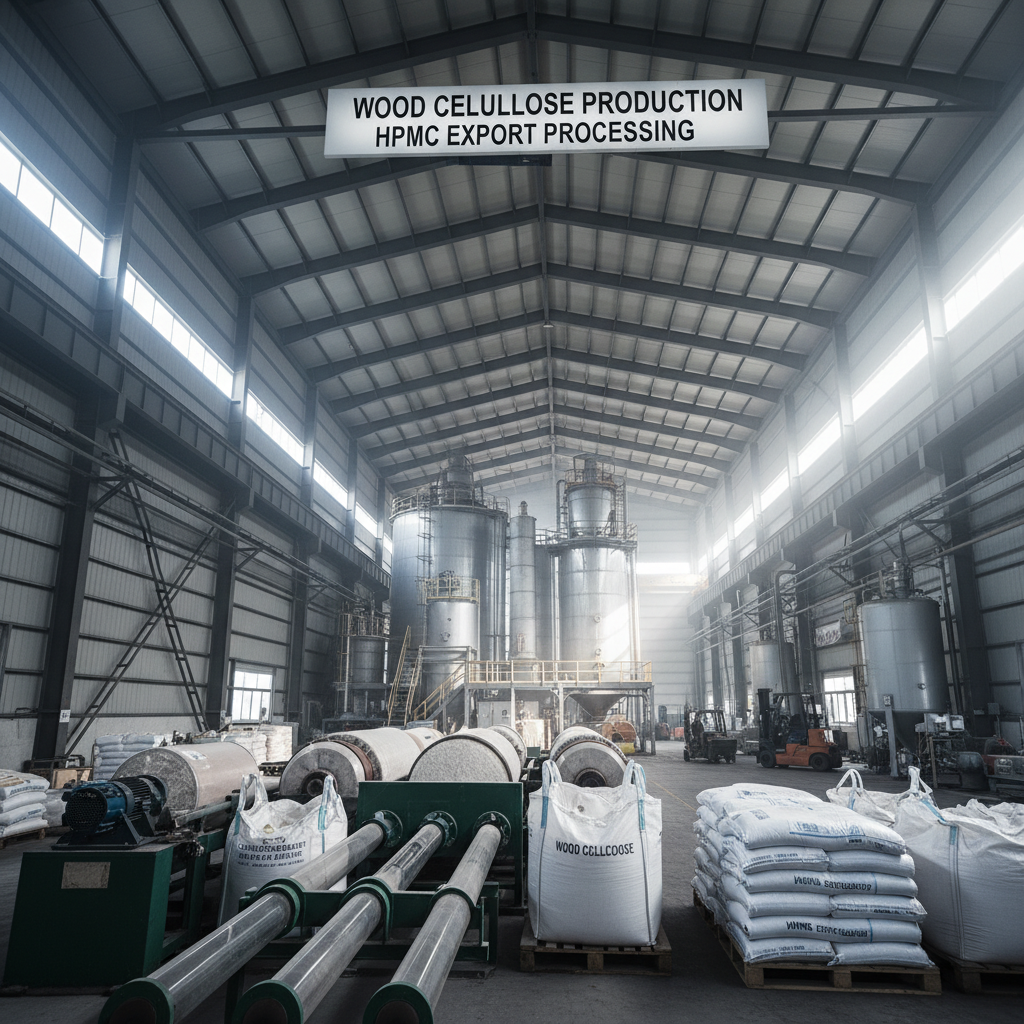
Understanding the Chemical Composition of Wood Cellulose
At its core, wood cellulose is a linear polysaccharide composed of repeating glucose units linked by β-1,4-glycosidic bonds. This arrangement creates long, chain-like molecules that exhibit high tensile strength. These cellulose chains then bundle together to form microfibrils, which provide the structural rigidity of plant cell walls. The chemical formula for cellulose is (C6H10O5)n, where 'n' represents the degree of polymerization – the number of glucose units in a chain. The crystalline structure of cellulose, resulting from the orderly arrangement of these chains, contributes to its strength and resistance to degradation. This natural polymer is not soluble in water or common organic solvents due to the strong hydrogen bonding between cellulose chains.
Sources of Wood Cellulose: From Forests to Manufacturing
Wood cellulose is primarily sourced from trees, both hardwoods (like birch and maple) and softwoods (like pine and spruce). However, it can also be obtained from other plant sources like cotton, flax, and hemp. The extraction process typically involves mechanical pulping (grinding wood into fibers) and chemical pulping (using chemicals to dissolve lignin, the substance that binds wood fibers together). Chemical pulping methods, like the Kraft process, yield higher-purity cellulose but require careful environmental management due to the use of chemicals. Sustainable forestry practices are crucial to ensure a continuous and responsible supply of wood cellulose. Increasingly, research is focusing on utilizing agricultural residues – like straw and corn stalks – as alternative sources of cellulose, reducing reliance on dedicated forests.
Applications of Wood Cellulose: A Diverse Range
The versatility of wood cellulose is reflected in its wide range of applications. It's a key component in the production of paper and cardboard, providing strength and structure. In the textile industry, cellulose is processed into rayon and other cellulosic fibers used in clothing and fabrics. It’s also used as a thickener, stabilizer, and emulsifier in the food industry, found in products like ice cream and sauces. Furthermore, cellulose derivatives, such as cellulose acetate, are used in the production of films, plastics, and cigarette filters. Emerging applications include its use in bioplastics, biofuels, and advanced materials for biomedical engineering.
Wood Cellulose Derivatives: Expanding its Utility
Modifying wood cellulose through chemical processes creates derivatives with enhanced properties tailored for specific applications. Cellulose acetate, produced by reacting cellulose with acetic acid, is used in photographic film, textile fibers, and plastic materials. Carboxymethyl cellulose (CMC), formed by reacting cellulose with monochloroacetic acid, is a water-soluble polymer widely used as a food additive, thickener, and stabilizer in pharmaceuticals and cosmetics. Methylcellulose (MC), created through methylation, is used in construction materials, pharmaceuticals, and as a food additive. These derivatives demonstrate how manipulating the cellulose molecule can unlock a broader spectrum of functionalities.
Cellulose vs. Other Polysaccharides: A Comparative Overview
While wood cellulose is a dominant polysaccharide, it's important to understand how it compares to others. Starch, found in plants like potatoes and corn, is a readily digestible energy source, while cellulose is largely indigestible by humans. Chitin, a key component of insect exoskeletons and fungal cell walls, possesses different chemical properties and is often used in wound healing applications. Here's a comparative table:
Conclusion: The Enduring Importance of Wood Cellulose
Wood cellulose remains a cornerstone material in countless industries. Its renewability, abundance, and diverse properties make it an essential component of modern life. As research continues to unlock new applications and improve sustainable sourcing practices, wood cellulose is poised to play an even greater role in a more sustainable future. For high-quality cellulose products, explore the offerings at SSHBHPMC.
Frequently Asked Questions (FAQs)
What are the environmental impacts of wood cellulose production?
The environmental impact of wood cellulose production varies depending on the methods used. Chemical pulping can generate wastewater containing pollutants, requiring careful treatment. Deforestation and unsustainable forestry practices are also significant concerns. However, advancements in pulping technologies and a growing emphasis on sustainable forestry are mitigating these impacts. Using agricultural residues as a cellulose source and employing closed-loop chemical recovery systems can further reduce environmental burdens. Choosing products from companies committed to responsible sourcing, like SSHBHPMC, is crucial for minimizing your environmental footprint.
Is wood cellulose biodegradable?
Yes, wood cellulose is generally biodegradable under the right conditions. Microorganisms in soil and water can break down cellulose into simpler sugars. However, the rate of biodegradation depends on factors such as temperature, moisture, and the presence of microorganisms. Cellulose derivatives may exhibit varying degrees of biodegradability depending on the specific chemical modifications made. While inherently biodegradable, the processing and additives used in cellulose-based products can sometimes affect their breakdown rate.
What is the future of wood cellulose materials?
The future of wood cellulose materials is incredibly promising. Research is focused on developing novel cellulose-based materials with enhanced properties, such as increased strength, flexibility, and barrier properties. This includes exploring nanotechnology to create cellulose nanocrystals and nanofibrils with unique applications in composites, packaging, and biomedical devices. Furthermore, the development of more sustainable and efficient cellulose extraction processes, along with the utilization of alternative feedstocks, will be crucial for realizing the full potential of this versatile material.
-
Industrial Guide to ГПМЦ целлюлоза High Performance CelluloseNewsApr.16,2026
-
Wood Cellulose Properties and Industrial Applications GuideNewsApr.09,2026
-
Does Wood Contain Cellulose A Detailed Exploration of its Composition and UsesNewsApr.07,2026
-
Understanding Wood Cellulose Meaning Applications and Future TrendsNewsApr.04,2026
-
Exploring the Potential of Wood Cellulose is wood cellulose a Sustainable MaterialNewsMar.31,2026
-
Exploring the Sustainability and Versatility of Cellulose Wood ChipsNewsMar.28,2026
-
Understanding Wood Pulp Cellulose A Comprehensive Guide to Properties and ApplicationsNewsMar.26,2026