-

Add: HeBei ShengShi HongBang Cellulose Technology CO.,LTD.
-

Email
13180486930@163.com -

CONTACT US
+86 13180486930
Understanding Wood Cellulose Meaning Applications and Future Trends
Wood Cellulose Meaning: A Comprehensive Guide
Wood cellulose is a naturally abundant polymer, forming the primary structural component of plant cell walls. It's a fascinating material with a wide range of applications, from everyday products like paper and textiles to cutting-edge innovations in materials science and biofuels. Understanding its properties and sourcing is crucial for various industries. At SSHBHPMC, we specialize in high-quality cellulose derivatives for diverse applications. This article delves into the meaning of wood cellulose, its characteristics, production, uses, and future trends.
What Exactly is Wood Cellulose?
At its core, wood cellulose is a linear polysaccharide comprised of repeating glucose units linked by β-1,4-glycosidic bonds. These chains align parallel to each other, forming strong microfibrils which provide rigidity and strength to plant tissues. It’s essentially the ‘skeleton’ of a plant, providing structural support. While cellulose exists in all plants, wood represents a significant and readily available source. The purity and properties of wood cellulose can vary depending on the wood species and extraction process. We at SSHBHPMC focus on creating consistently high-purity cellulose for optimal results.
Key Highlights: A linear polysaccharide made of glucose units, providing structural support to plants. Purity and properties depend on the source and extraction method.
Wood Cellulose vs. Other Cellulose Sources
While wood is a primary source, cellulose is also found in other plants like cotton, flax, and hemp. Each source offers unique characteristics. Cotton cellulose, for instance, is known for its purity and softness, making it ideal for textiles. However, wood cellulose is often more sustainable and cost-effective for large-scale industrial applications. The choice of source depends on the desired end-product and application requirements. Here's a comparison:
Cellulose Source Comparison:
• Wood Cellulose: Sustainable, cost-effective, versatile.
• Cotton Cellulose: High purity, soft, ideal for textiles.
• Flax/Hemp Cellulose: Strong, durable, used in composite materials.
The Production of Wood Cellulose
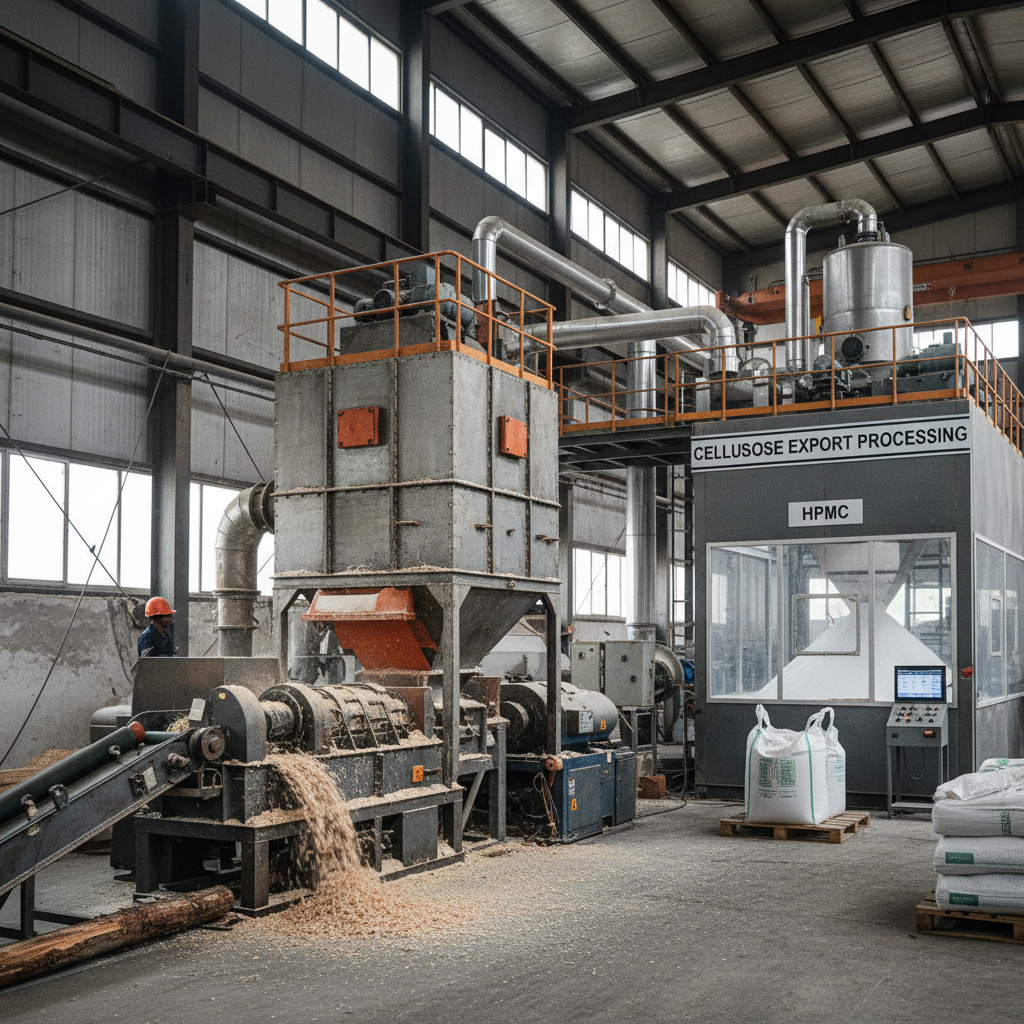
Extracting cellulose from wood involves several processes. Typically, wood chips undergo pulping, which separates the cellulose fibers from lignin and other wood components. This can be achieved through mechanical, chemical, or a combination of both methods. Chemical pulping, using processes like the Kraft process, yields high-purity cellulose but can have environmental impacts. Mechanical pulping is less environmentally intensive but results in lower purity. SSHBHPMC utilizes environmentally responsible pulping methods to minimize our footprint.
Applications of Wood Cellulose
The versatility of wood cellulose leads to a diverse range of applications. It's the primary raw material for paper and cardboard, essential for packaging and printing. In the textile industry, regenerated cellulose fibers like viscose and lyocell are used to create fabrics. Furthermore, cellulose derivatives such as carboxymethyl cellulose (CMC) and methyl cellulose (MC) find use as thickeners, stabilizers, and binders in food, pharmaceuticals, and cosmetics. At SSHBHPMC, we specialize in producing high-quality cellulose ethers for these various applications.
Future Trends and Innovations in Wood Cellulose Utilization
Research and development are constantly expanding the applications of wood cellulose. Nanocellulose, with its exceptional strength and unique properties, is emerging as a promising material for advanced composites, packaging, and even biomedical applications. Furthermore, cellulose is being explored as a sustainable feedstock for biofuels and biochemicals, offering a renewable alternative to fossil fuels. The development of more efficient and environmentally friendly pulping technologies is also a key focus. SSHBHPMC is actively involved in exploring and implementing these innovative technologies.
Conclusion: The Versatile World of Wood Cellulose
Wood cellulose is a remarkable natural polymer with a wide array of applications and a bright future. Its sustainability, versatility, and continually expanding range of uses make it a crucial material for numerous industries. SSHBHPMC is dedicated to providing high-quality cellulose-based products and contributing to innovative applications.
Frequently Asked Questions (FAQs)
What are the primary benefits of using wood cellulose?
Wood cellulose offers several significant benefits, including its renewability, biodegradability, and cost-effectiveness. It's a sustainable alternative to many petroleum-based materials and is widely available. Furthermore, its inherent properties, such as strength, flexibility, and compatibility with other materials, make it suitable for diverse applications. As a natural polymer, it’s generally considered safe and non-toxic, enhancing its appeal across various industries, including food, pharmaceuticals, and cosmetics.
How does nanocellulose differ from traditional wood cellulose?
Nanocellulose is a form of wood cellulose that has been broken down into nanoscale dimensions – typically between 20-100 nanometers in width. This process significantly enhances its properties, resulting in exceptional strength, high surface area, and unique optical characteristics. While traditional wood cellulose is used in bulk applications like paper, nanocellulose is suitable for advanced materials, composites, drug delivery systems, and barrier coatings due to its enhanced performance.
What are cellulose ethers and what are they used for?
Cellulose ethers are derivatives of cellulose created through chemical modifications. These modifications alter the solubility and functionality of the cellulose, making them suitable for a wider range of applications. Common cellulose ethers include carboxymethyl cellulose (CMC), methyl cellulose (MC), and hydroxypropyl methylcellulose (HPMC). They are widely used as thickeners, stabilizers, binders, film-formers, and emulsifiers in industries such as food, pharmaceuticals, construction, and cosmetics. SSHBHPMC specializes in the production of high-quality cellulose ethers.
Is wood cellulose biodegradable?
Yes, wood cellulose is naturally biodegradable under the right conditions. Microorganisms in soil and water can break down cellulose into simpler compounds, eventually returning it to the natural environment. This biodegradability makes it a more environmentally friendly alternative to many synthetic polymers. However, the rate of biodegradation can vary depending on factors such as temperature, humidity, and the presence of microorganisms. Modified cellulose derivatives, like some cellulose ethers, may exhibit varying degrees of biodegradability depending on the specific chemical modifications.
-
Industrial Guide to ГПМЦ целлюлоза High Performance CelluloseNewsApr.16,2026
-
Wood Cellulose Properties and Industrial Applications GuideNewsApr.09,2026
-
Does Wood Contain Cellulose A Detailed Exploration of its Composition and UsesNewsApr.07,2026
-
Exploring the Potential of Wood Cellulose is wood cellulose a Sustainable MaterialNewsMar.31,2026
-
Exploring the Sustainability and Versatility of Cellulose Wood ChipsNewsMar.28,2026
-
Understanding Wood Pulp Cellulose A Comprehensive Guide to Properties and ApplicationsNewsMar.26,2026
-
What is Wood Cellulose A Comprehensive Exploration of Properties and ApplicationsNewsMar.24,2026