-

Add: HeBei ShengShi HongBang Cellulose Technology CO.,LTD.
-

Email
13180486930@163.com -

CONTACT US
+86 13180486930

What is Cellulose Wood Pulp A Comprehensive Guide to Manufacturing and Uses
What is Cellulose Wood Pulp? A Comprehensive Guide
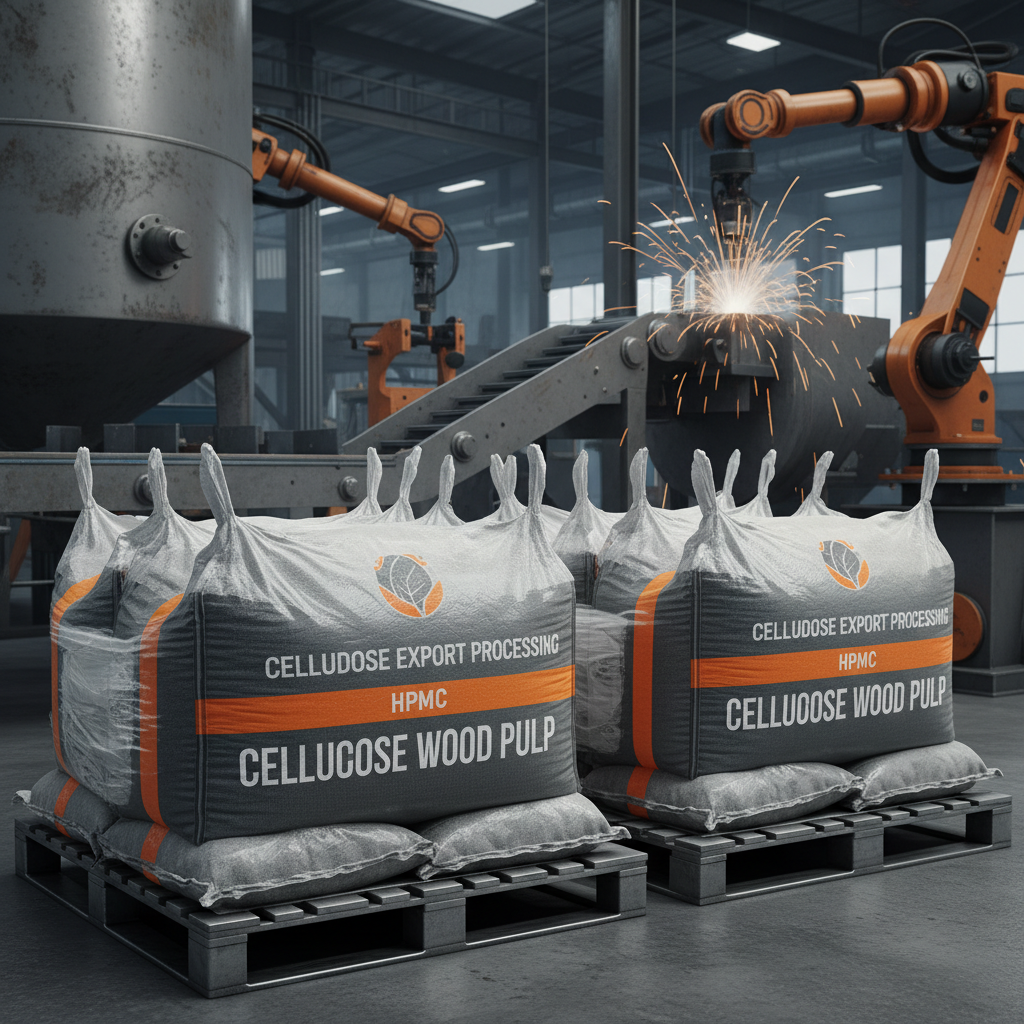
Cellulose wood pulp is a versatile material derived from wood fibers, playing a crucial role in numerous industries, from paper production to textiles and even pharmaceuticals. It’s the foundation for many everyday products, making understanding its properties and applications essential. At SSHBHPMC, we specialize in high-quality cellulose wood pulp, tailored to meet diverse industrial needs. This article will explore the manufacturing process, different types, applications, and benefits of this important resource.
Understanding the Manufacturing Process
The production of cellulose wood pulp begins with harvesting trees, typically softwood species like pine and spruce, or hardwood varieties like eucalyptus and birch. These trees are then chipped into small pieces. The wood chips undergo either a mechanical pulping process, a chemical pulping process, or a combination of both. Mechanical pulping grinds the wood, preserving most of the lignin (the substance that holds wood fibers together) resulting in a lower-quality pulp. Chemical pulping, using sulfates or sulfites, dissolves the lignin, producing a purer, stronger cellulose pulp. The resulting pulp is then washed, screened, and bleached to achieve the desired whiteness and purity. The process is continually refined to optimize yield and minimize environmental impact.
Types of Cellulose Wood Pulp
Cellulose wood pulp isn't a one-size-fits-all material. Different grades cater to specific applications. Here's a breakdown of the key types:
Key Pulp Types: Distinctions lie in the pulping method and subsequent treatment, influencing characteristics like strength, brightness, and purity.
Cellulose Wood Pulp: A Comparative Look
Understanding the differences between mechanical, chemical, and recycled pulp is key to selecting the right material for your needs. Each type offers a unique combination of properties and cost-effectiveness.
Diverse Applications of Cellulose Wood Pulp
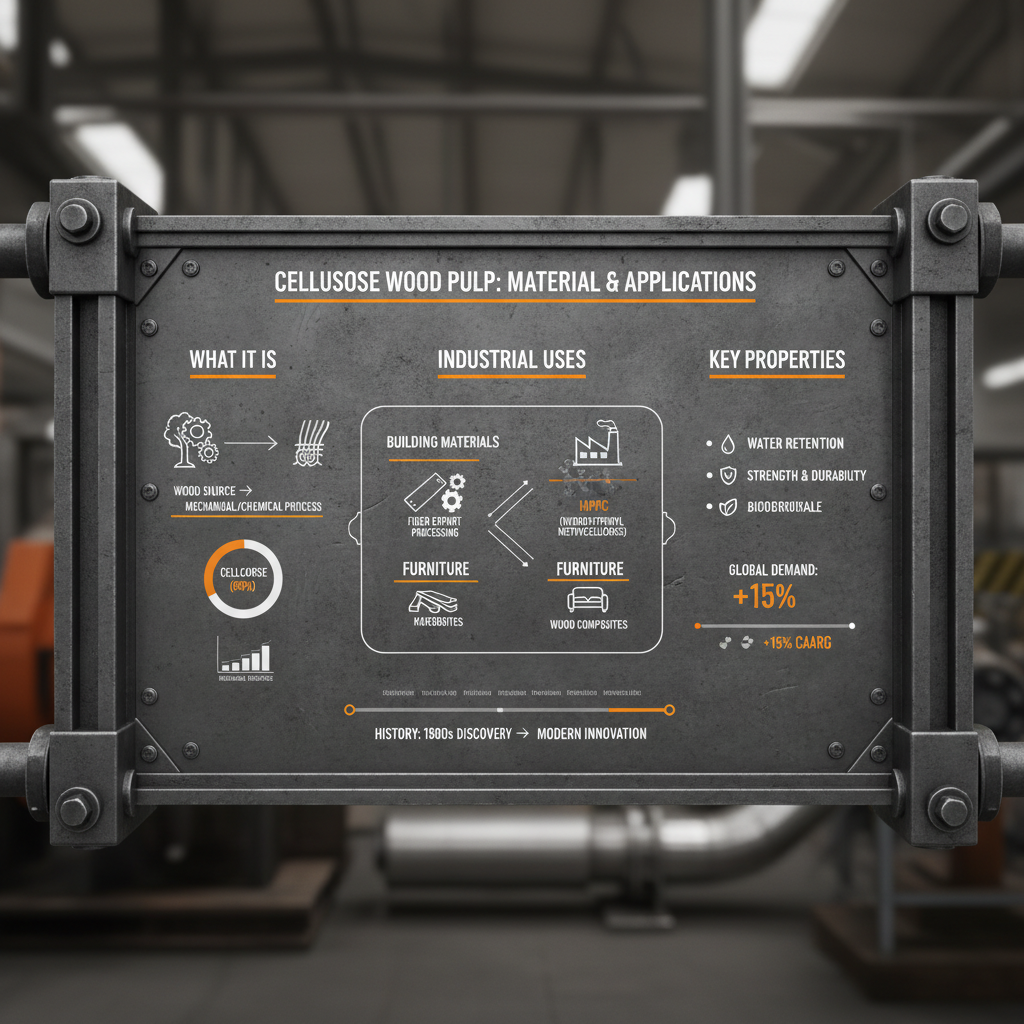
The applications of cellulose wood pulp are remarkably diverse. It's the core component of paper and cardboard, naturally, but its uses extend far beyond. The textile industry utilizes it to create rayon and lyocell fibers. It’s employed in the production of cellophane, a transparent film used for packaging. Furthermore, it's finding increasing applications in pharmaceutical excipients, food additives, and even construction materials like cellulose insulation. At SSHBHPMC, we provide pulp tailored for these varying applications.
Benefits of Utilizing Cellulose Wood Pulp
Choosing cellulose wood pulp offers several advantages. It’s a renewable resource, especially when sourced from sustainably managed forests. It's biodegradable, reducing environmental impact compared to synthetic materials. It's incredibly versatile, adaptable to a wide range of applications, and relatively cost-effective. Furthermore, its excellent fiber strength and absorbency make it ideal for numerous industrial processes. Choosing a reputable supplier like SSHBHPMC ensures consistent quality and sustainable sourcing.
Conclusion: A Sustainable and Versatile Resource
Cellulose wood pulp remains a fundamental material in countless industries. Its renewability, versatility, and cost-effectiveness make it a compelling choice for businesses seeking sustainable and high-performing materials. Whether you're in paper production, textiles, or pharmaceuticals, understanding the nuances of cellulose wood pulp is crucial for optimizing your processes and achieving your goals. SSHBHPMC is dedicated to providing top-quality cellulose wood pulp to meet your specific needs.
Frequently Asked Questions (FAQs)
What is the environmental impact of cellulose wood pulp production?
The environmental impact varies depending on the pulping process and forestry practices. Chemical pulping can generate wastewater that requires treatment. However, modern mills are implementing closed-loop systems to minimize discharge. Sustainably managed forests ensure reforestation and biodiversity. Choosing pulp from certified sources (like FSC – Forest Stewardship Council) guarantees responsible forestry practices. Recycled pulp offers an even lower environmental footprint by reducing the need for virgin wood fibers. At SSHBHPMC, we prioritize sourcing from sustainable and environmentally conscious suppliers.
What are the key properties of cellulose wood pulp that make it useful?
Cellulose wood pulp's usefulness stems from several key properties. Its high cellulose content provides excellent fiber strength and durability. Its absorbency makes it ideal for applications like paper towels and hygiene products. It’s relatively easy to process and mold into various shapes. Its biodegradability reduces its environmental impact. The porosity of the pulp allows for good air permeability, important for textile applications. The chemical inertness of cellulose contributes to its versatility in pharmaceutical and food applications.
How is cellulose wood pulp different from cotton pulp?
While both cellulose wood pulp and cotton pulp are sources of cellulose fibers, they differ in origin and properties. Cotton pulp is derived from cotton linters, the short fibers that remain on cotton seeds after ginning. It’s generally purer and has longer fibers than wood pulp, making it preferred for certain high-end applications like banknotes and specialized filters. However, cotton pulp is significantly more expensive and less readily available than wood pulp. Wood pulp, with its lower cost and wider availability, is suitable for a much broader range of applications.
What quality control measures are in place to ensure the purity of cellulose wood pulp?
Rigorous quality control measures are implemented throughout the production process. These include monitoring the wood source for contaminants, controlling the pulping and bleaching processes to minimize impurities, and conducting regular laboratory tests to assess cellulose content, brightness, viscosity, and other key parameters. At SSHBHPMC, we adhere to strict quality standards and provide certificates of analysis with each shipment to guarantee purity and consistency. We also perform thorough inspections to ensure the pulp meets our clients’ exact specifications.
-
Industrial Guide to ГПМЦ целлюлоза High Performance CelluloseNewsApr.16,2026
-
Wood Cellulose Properties and Industrial Applications GuideNewsApr.09,2026
-
Does Wood Contain Cellulose A Detailed Exploration of its Composition and UsesNewsApr.07,2026
-
Understanding Wood Cellulose Meaning Applications and Future TrendsNewsApr.04,2026
-
Exploring the Potential of Wood Cellulose is wood cellulose a Sustainable MaterialNewsMar.31,2026
-
Exploring the Sustainability and Versatility of Cellulose Wood ChipsNewsMar.28,2026
-
Understanding Wood Pulp Cellulose A Comprehensive Guide to Properties and ApplicationsNewsMar.26,2026