-

Add: HeBei ShengShi HongBang Cellulose Technology CO.,LTD.
-

Email
13180486930@163.com -

CONTACT US
+86 13180486930
Exploring the Potential of Wood Cellulose is wood cellulose a Sustainable Material
Is Wood Cellulose a Sustainable Material for the Future?
Wood cellulose, a fundamental component of plant cell walls, is garnering significant attention as a sustainable alternative to traditional materials. From textiles and packaging to construction and even biofuels, its potential applications are vast. But understanding wood cellulose and its various forms is crucial for evaluating its true sustainability. This article will explore the science behind wood cellulose, its different forms, its applications, and its potential to contribute to a more sustainable future. It's about more than just trees; it's about reimagining materials and reducing our environmental impact.
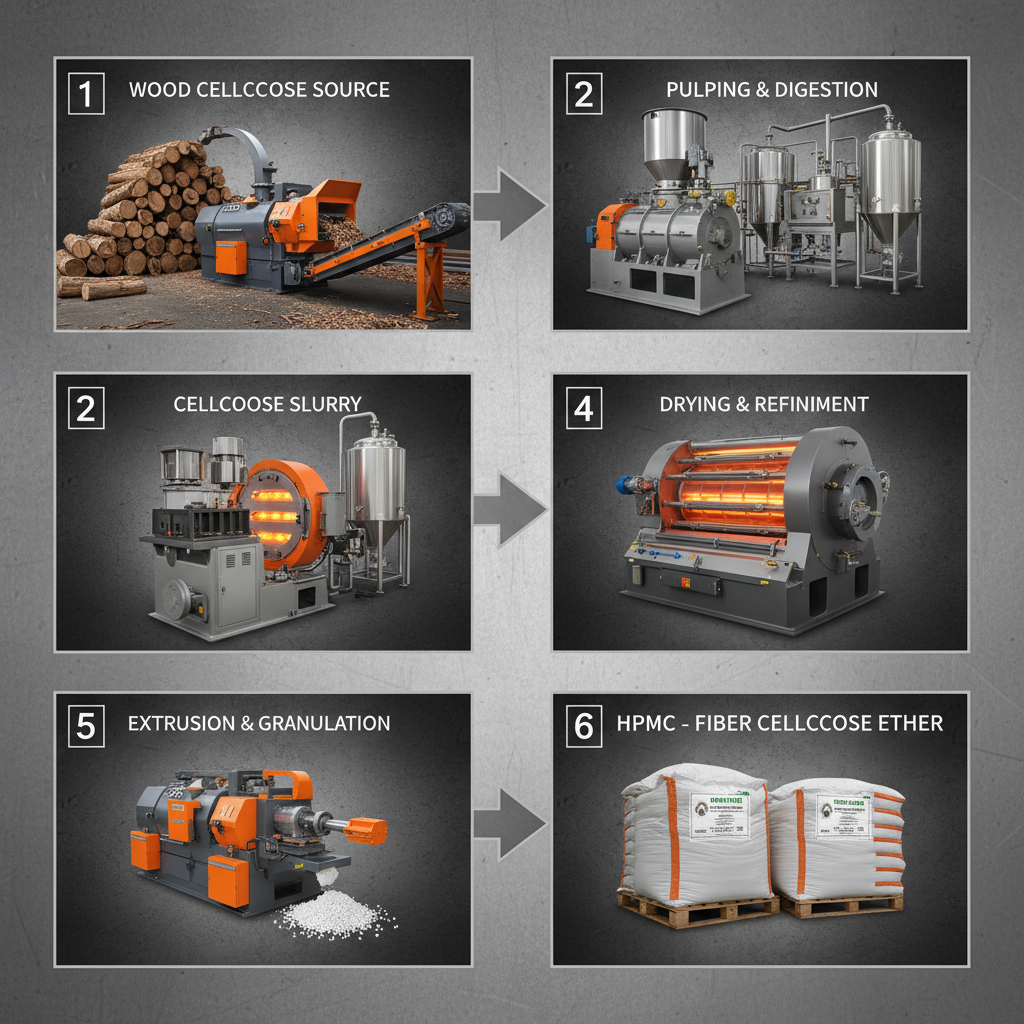
What Exactly is Wood Cellulose?
At its core, wood cellulose is a complex carbohydrate that forms the structural framework of plant cell walls. It's a polymer composed of glucose molecules linked together in long chains. This naturally occurring polymer is incredibly strong and resistant to degradation, making it ideal for various applications. The availability of cellulose is plentiful, as it's the most abundant organic polymer on Earth. Sourcing wood cellulose responsibly is key to unlocking its full sustainable potential. Different types of wood, as well as other plant sources like cotton and hemp, yield cellulose with varying properties. Understanding these differences is vital for selecting the right type for a specific application.
Key Takeaway: Wood cellulose is a naturally abundant, strong, and versatile polymer found in plant cell walls, offering a sustainable alternative to many traditional materials.
The Different Forms of Wood Cellulose
Wood cellulose isn’t used in its raw form for most applications. It undergoes various processing methods to create different materials with specific properties. Some key forms include:
- Cellulose Fiber: Used in textiles (rayon, lyocell), paper, and composite materials.
- Cellulose Nanocrystals (CNCs): Derived from cellulose fibers, these are incredibly strong and lightweight, with potential applications in high-performance materials and biomedical fields.
- Cellulose Microfibrils (CMFs): Similar to CNCs, but with a different extraction process resulting in a more flexible material.
- Cellulose Acetate: Used in cigarette filters, photographic film, and textiles, produced by reacting cellulose with acetic acid.
- Dissolving Pulp: A highly purified form of cellulose used to create regenerated cellulose fibers like viscose.
The choice of form depends entirely on the intended application and the desired characteristics of the final product. SSHBHPMC specializes in the production of high-quality dissolving pulp, a vital component in many sustainable textile and material innovations.
Applications of Wood Cellulose: A Wide-Ranging Impact
The versatility of wood cellulose translates into a vast array of applications across diverse industries:
- Textiles: Rayon, lyocell, and viscose fabrics are made from cellulose, offering sustainable alternatives to synthetic fibers.
- Packaging: Cellulose-based films and molded pulp are used for eco-friendly packaging solutions.
- Construction: Cellulose insulation, fiber cement boards, and wood-plastic composites utilize wood cellulose for thermal insulation and structural components.
- Pharmaceuticals: Microcrystalline cellulose (MCC) is used as an excipient in tablets and other pharmaceutical formulations.
- Biofuels: Cellulose can be converted into bioethanol, a renewable fuel source.
- Cosmetics: Cellulose derivatives are used as thickening agents and stabilizers in cosmetic products.
Key Applications: Textiles, Packaging, Construction, Pharmaceuticals, Biofuels, Cosmetics.
Wood Cellulose vs. Synthetic Materials: A Sustainability Comparison
Compared to many synthetic materials derived from fossil fuels, wood cellulose offers significant environmental advantages. While the production of synthetic materials often involves energy-intensive processes and generates greenhouse gas emissions, wood cellulose is a renewable resource. However, it's crucial to consider the entire lifecycle – from sustainable forestry practices to processing and disposal – to truly assess its environmental footprint. Here's a comparison:
Challenges and Future Outlook for Wood Cellulose
Despite its potential, challenges remain. Ensuring sustainable forestry practices, minimizing chemical use in processing, and improving the cost-competitiveness of cellulose-based materials are crucial. Ongoing research and development are focused on enhancing the properties of cellulose materials and expanding their applications. The future of wood cellulose hinges on continued innovation, responsible sourcing, and a commitment to circular economy principles. SSHBHPMC is dedicated to pioneering advancements in cellulose technology and promoting sustainable practices within the industry.
Conclusion: Embracing a Cellulose-Based Future
Wood cellulose represents a promising pathway towards a more sustainable future. Its renewability, biodegradability, and versatility make it a compelling alternative to conventional materials. By investing in research, promoting responsible sourcing, and driving innovation, we can unlock the full potential of this remarkable natural resource.
Frequently Asked Questions (FAQs)
Is wood cellulose truly biodegradable?
Yes, wood cellulose is generally biodegradable under the right conditions. The rate of degradation depends on factors like temperature, moisture, and the presence of microorganisms. However, some cellulose derivatives, like cellulose acetate, degrade more slowly. Ensuring proper composting or disposal methods is crucial for maximizing biodegradability. It's also important to note that coatings or additives applied to cellulose materials can affect their biodegradability.
What are the main concerns regarding the sustainability of wood cellulose?
The main concerns center around responsible forestry practices. Deforestation, habitat loss, and the use of harmful chemicals in processing can negate the environmental benefits of wood cellulose. Ensuring that cellulose is sourced from sustainably managed forests, certified by organizations like the Forest Stewardship Council (FSC), is essential. Furthermore, minimizing the use of harsh chemicals in the pulping and manufacturing processes is critical for reducing environmental impact.
How does cellulose nanocrystal (CNC) technology contribute to sustainability?
CNC technology offers a pathway to create high-performance materials with a significantly reduced environmental footprint. CNCs are incredibly strong and lightweight, requiring less material to achieve the same structural properties. Their biodegradability and potential to replace petroleum-based plastics make them a highly sustainable alternative. Applications in packaging, composites, and biomedical fields promise substantial environmental benefits.
What is dissolving pulp and why is it important?
Dissolving pulp is a highly purified form of wood cellulose used to create regenerated cellulose fibers, such as viscose, lyocell, and modal. It’s crucial because it serves as the foundation for more sustainable textile production. The quality of the dissolving pulp directly impacts the properties and environmental impact of the resulting fibers. SSHBHPMC specializes in producing high-quality dissolving pulp with a focus on sustainability and minimizing environmental impact.
-
Industrial Guide to ГПМЦ целлюлоза High Performance CelluloseNewsApr.16,2026
-
Wood Cellulose Properties and Industrial Applications GuideNewsApr.09,2026
-
Does Wood Contain Cellulose A Detailed Exploration of its Composition and UsesNewsApr.07,2026
-
Understanding Wood Cellulose Meaning Applications and Future TrendsNewsApr.04,2026
-
Exploring the Sustainability and Versatility of Cellulose Wood ChipsNewsMar.28,2026
-
Understanding Wood Pulp Cellulose A Comprehensive Guide to Properties and ApplicationsNewsMar.26,2026
-
What is Wood Cellulose A Comprehensive Exploration of Properties and ApplicationsNewsMar.24,2026