-
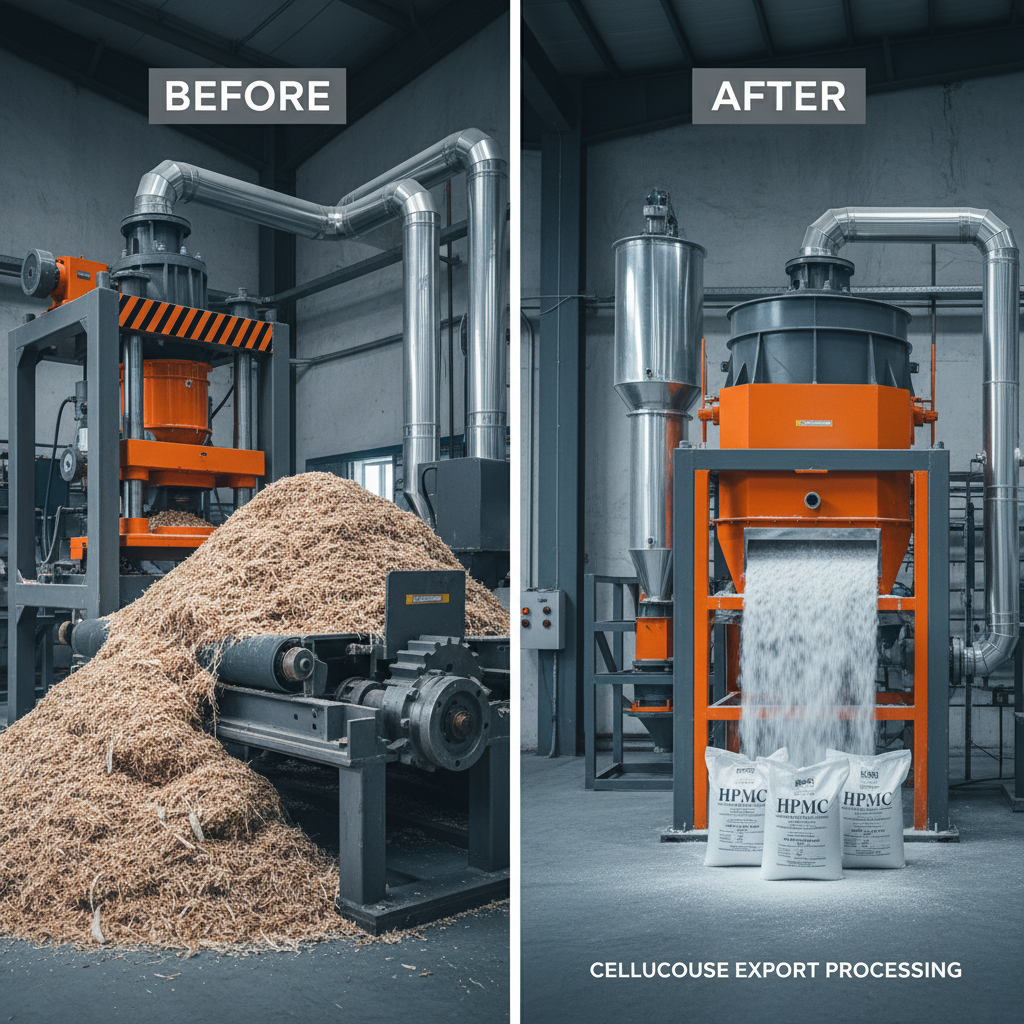 Cellulose wood shavings, often simply referred to as wood shavings, are a versatile material with applications spanning numerous industries. Derived from wood through a mechanical process, they are a sustainable and cost-effective option for bedding, packaging, composting, and more. This article provides an in-depth look at cellulose wood shavings, exploring their properties, benefits, applications, and sourcing, with a focus on quality and sustainability. Learn why SSHBHPMC is a leading provider of premium wood shavings for a variety of needs. Cellulose wood shavings are produced by cutting or peeling wood – typically softwood like pine or aspen – into thin, curled pieces. The resulting material is primarily composed of cellulose, a complex carbohydrate that forms the main structural component of plant cell walls. Unlike wood pulp, shavings retain the natural structure of the wood, offering unique properties for various applications. The production process is generally low-impact, utilizing byproducts from lumber milling, which contributes to waste reduction and sustainability. These shavings are valued for their absorbency, cushioning, and natural biodegradability.Read more
 -
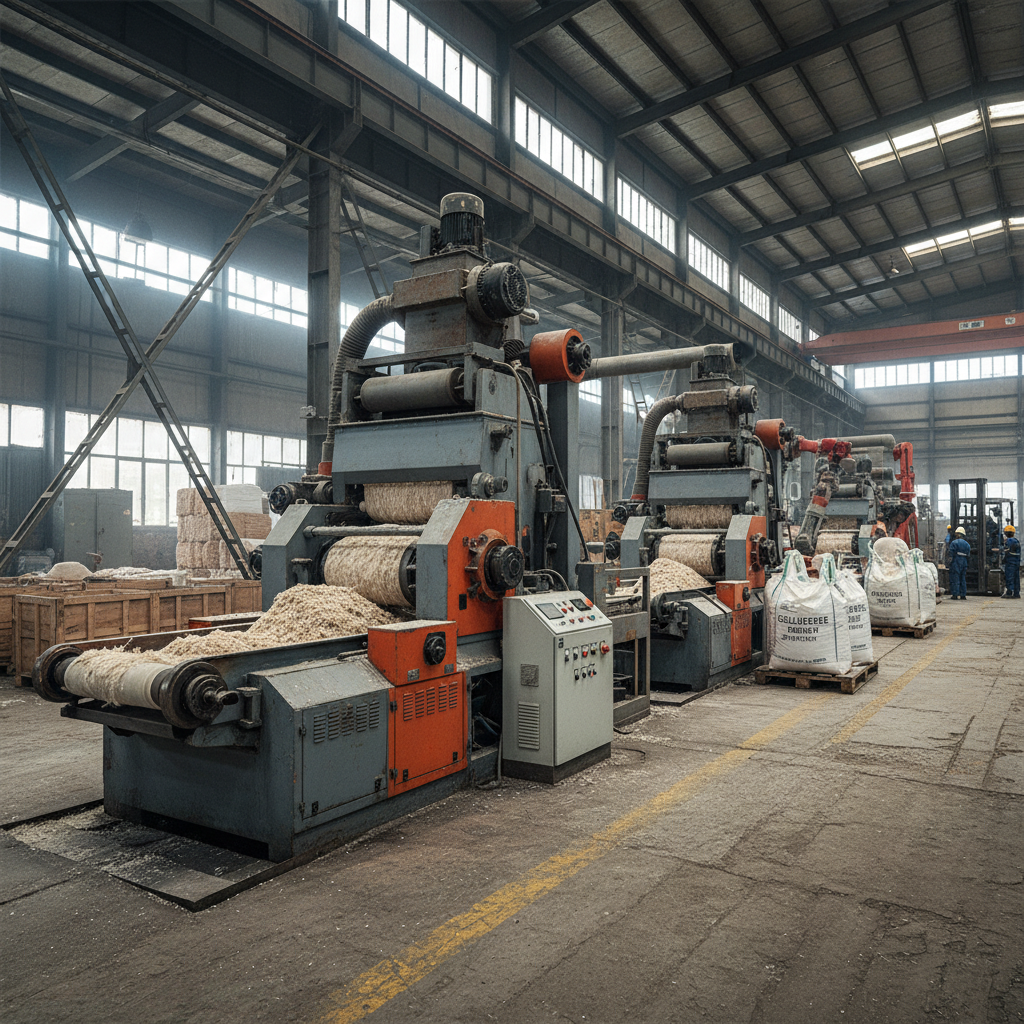 Cellulose wood pulp is a versatile material with a wide array of applications, from paper production to innovative textiles. But what exactly is cellulose wood pulp, and why is it becoming increasingly important in various industries? This article will delve into the details, exploring its production, properties, uses, and the sustainability considerations surrounding it. We'll cover the different types of wood pulp and their specific applications, highlighting the benefits of using this renewable resource. Discover how SSHBHPMC contributes to the supply of high-quality cellulose wood pulp globally. At its core, cellulose wood pulp is a fibrous material derived from wood. It's created by separating cellulose fibers from lignin and other wood components. Cellulose is the primary structural component of plant cell walls and provides strength and rigidity. The process aims to isolate these cellulose fibers in a pure and usable form.Read more
 -
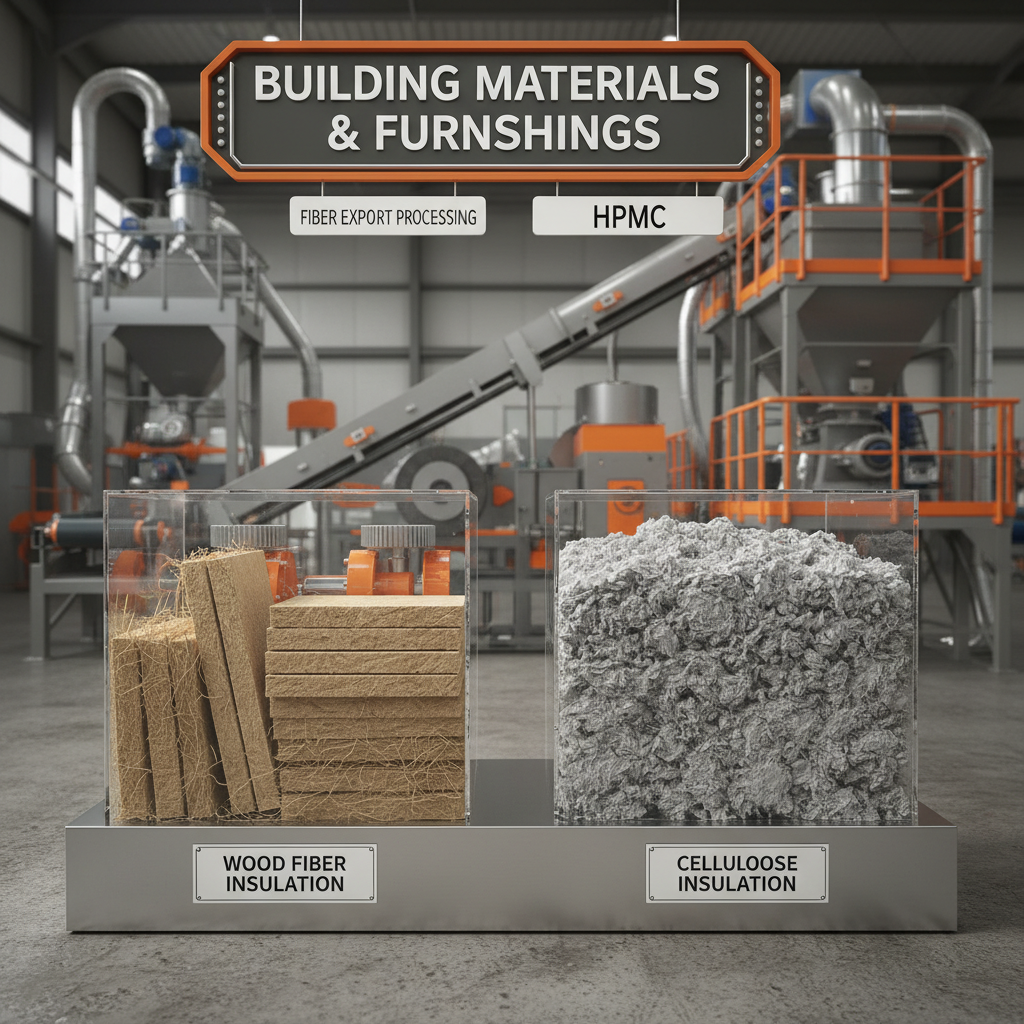 Choosing the right insulation is crucial for creating an energy-efficient and comfortable building. Two popular options are wood fiber insulation and cellulose insulation, both offering excellent thermal performance and eco-friendly benefits. This article will delve into the specifics of each material, comparing their properties, installation processes, costs, and environmental impacts to help you make the best decision for your project. We’ll explore the strengths and weaknesses of each, guiding you toward the most suitable insulation solution.Read more
 -
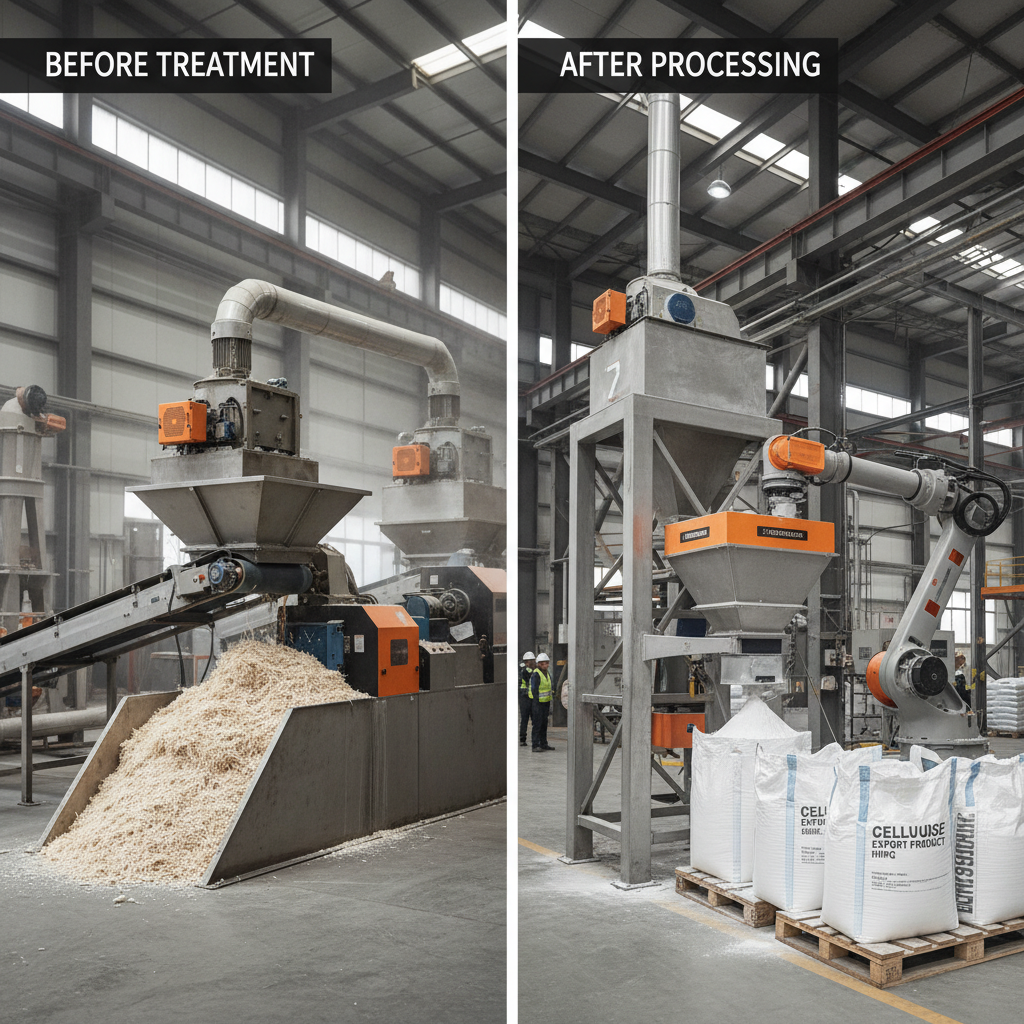 Wood pulp cellulose is gaining significant attention as a versatile and sustainable alternative to traditional materials. From packaging to textiles and even biomedical applications, its potential seems limitless. But what exactly is wood pulp cellulose, and why is it considered a champion of eco-friendly innovation? This article will explore its properties, production process, applications, and future outlook, providing a comprehensive overview for businesses and consumers alike seeking sustainable solutions. Understanding the benefits and challenges associated with wood pulp cellulose is critical in navigating a future focused on environmental responsibility. Wood pulp cellulose, in its simplest form, is a plant-based material derived from wood fibers. These fibers are separated during the pulping process, breaking down the wood into its constituent parts. The cellulose is then extracted and purified, resulting in a highly versatile material. It's essentially the structural component of plant cell walls, making it abundantly available and naturally renewable.Read more
 -
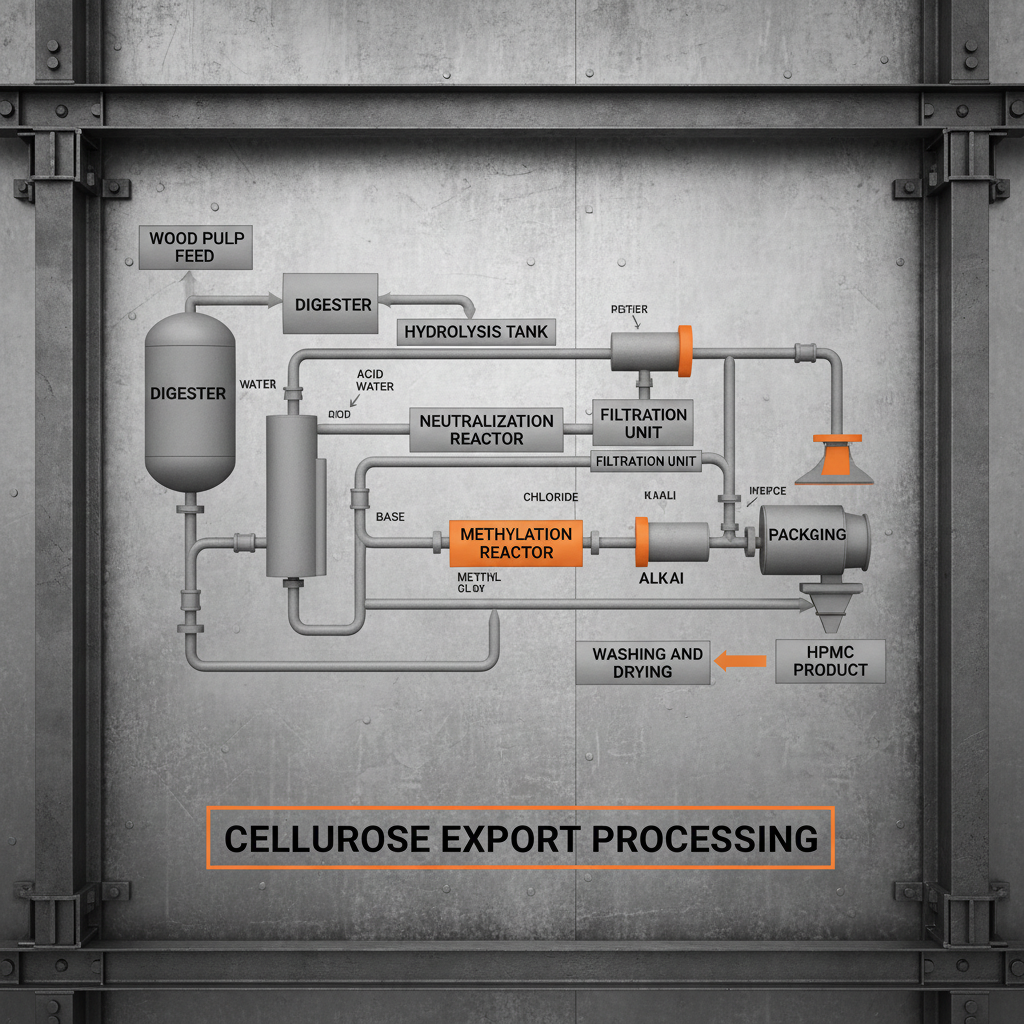 Cellulose is a fundamental component of plant cell walls and a surprisingly versatile material with applications spanning industries from textiles and food to pharmaceuticals and construction. But a common question arises: is cellulose made from wood pulp? The answer is largely yes, though the sources and processes are more nuanced than a simple affirmation. This article will delve into the origins of cellulose, the role of wood pulp, different production methods, and the various types of cellulose available, offering a thorough understanding of this essential biomaterial. Understanding the source and production of cellulose is crucial for a variety of applications. Cellulose is a complex carbohydrate – specifically, a polysaccharide – composed of repeating glucose units. These glucose units are linked together to form long chains, which then arrange themselves into crystalline microfibrils. These microfibrils provide structural support in plants, akin to the steel reinforcing bars in concrete. It’s the most abundant organic polymer on Earth, and its inherent strength and renewability make it a highly sought-after material. Essentially, it's the 'skeleton' of plants, providing rigidity and structure. It is also a key ingredient in many products manufactured by SSHBHPMC. While cellulose exists in all plants, wood is a particularly rich and accessible source, making wood pulp a primary feedstock. Wood pulp is produced by mechanically or chemically separating cellulose fibers from wood.Read more
 -
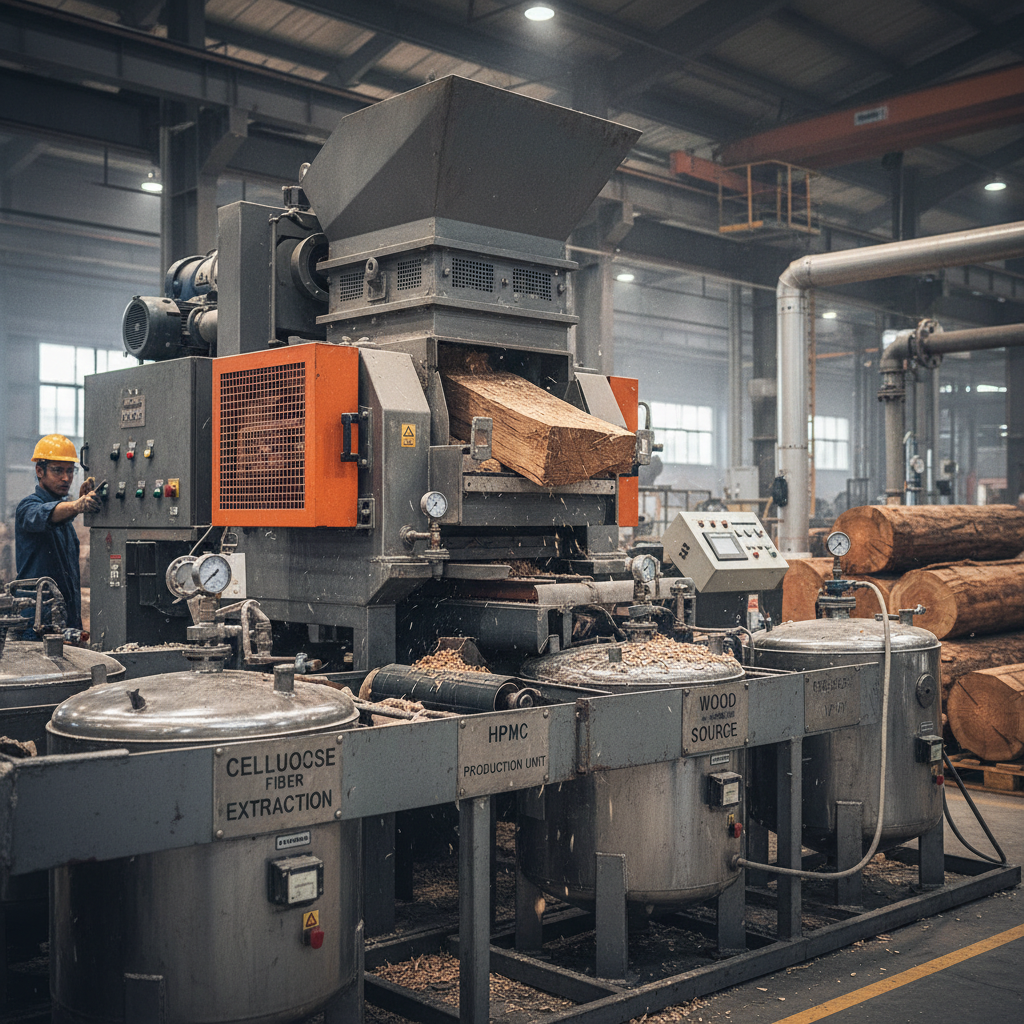 Cellulose is a fundamental component of plant cell walls and, consequently, a primary constituent of wood. But the relationship between wood and cellulose isn't just a simple 'made from' scenario. It's a nuanced one. This article will delve into the origins of cellulose, its extraction from wood, its various applications, and how SSHBHPMC contributes to the wider world of cellulose derivatives. Understanding this connection is crucial for industries utilizing cellulose in everything from textiles to pharmaceuticals. Cellulose is a complex carbohydrate (a polysaccharide) consisting of numerous glucose molecules linked together. It’s the most abundant organic polymer on Earth. Found in all plants, it provides structural support, giving rigidity to stems, branches, and, crucially, wood. While often associated with plants, cellulose isn't created from wood, rather, wood contains a high percentage of cellulose. It’s the main component, but not the only one – lignin, hemicellulose, and other compounds are also present. The specific proportion of cellulose varies depending on the wood type.Read more
 -
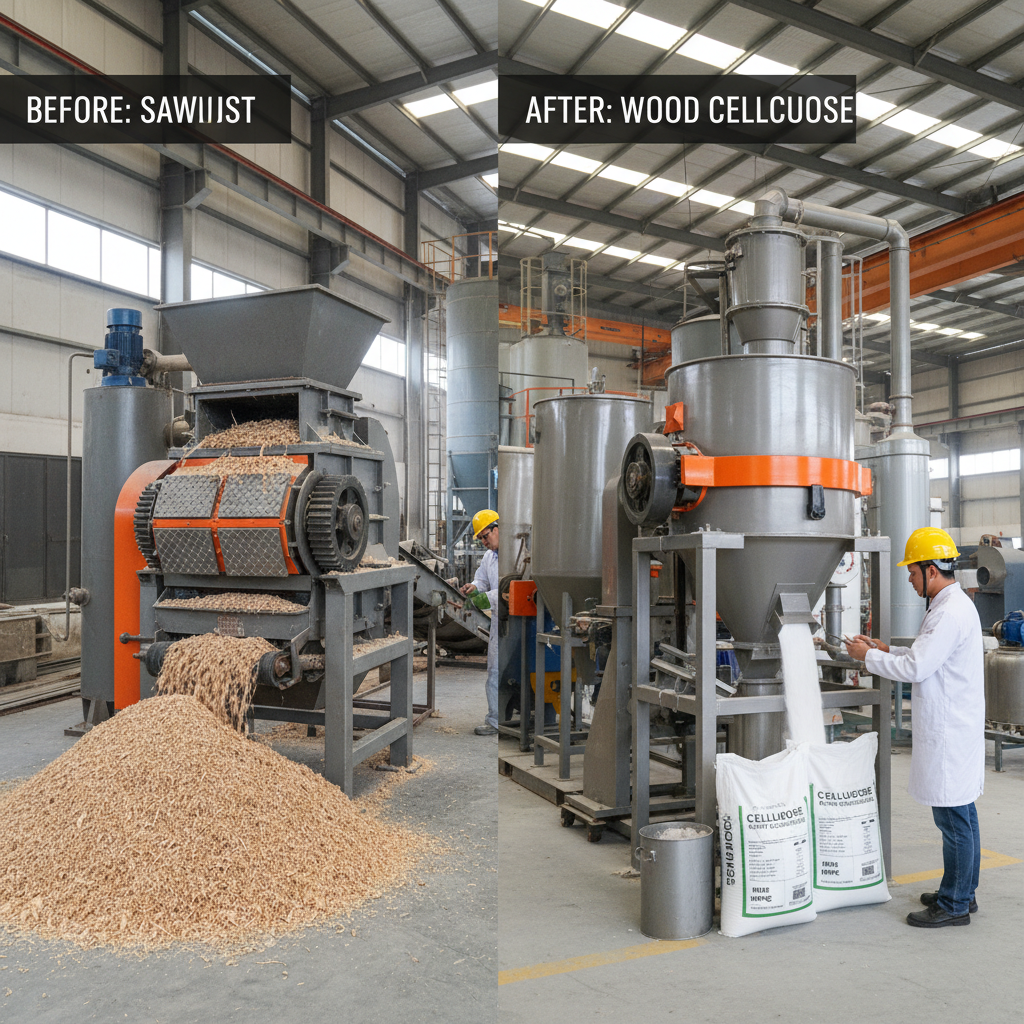 Sawdust and wood cellulose are both derived from wood, but they possess distinct characteristics and applications. While sawdust is a byproduct of wood processing, wood cellulose is a purified component of wood with a wide range of industrial uses. This article delves into the key differences between these two materials, exploring their composition, properties, and applications. Understanding these distinctions is crucial for selecting the appropriate material for various purposes, from animal bedding to advanced composite materials. Sawdust is the fine, powdery residue produced when sawing or sanding wood. It's a heterogeneous mixture containing wood fibers, resin, lignin, and other wood components. Wood cellulose, on the other hand, is a purified polysaccharide that constitutes the structural component of plant cell walls. It is extracted from wood pulp through chemical processes, resulting in a relatively pure form of cellulose.Read more
 -
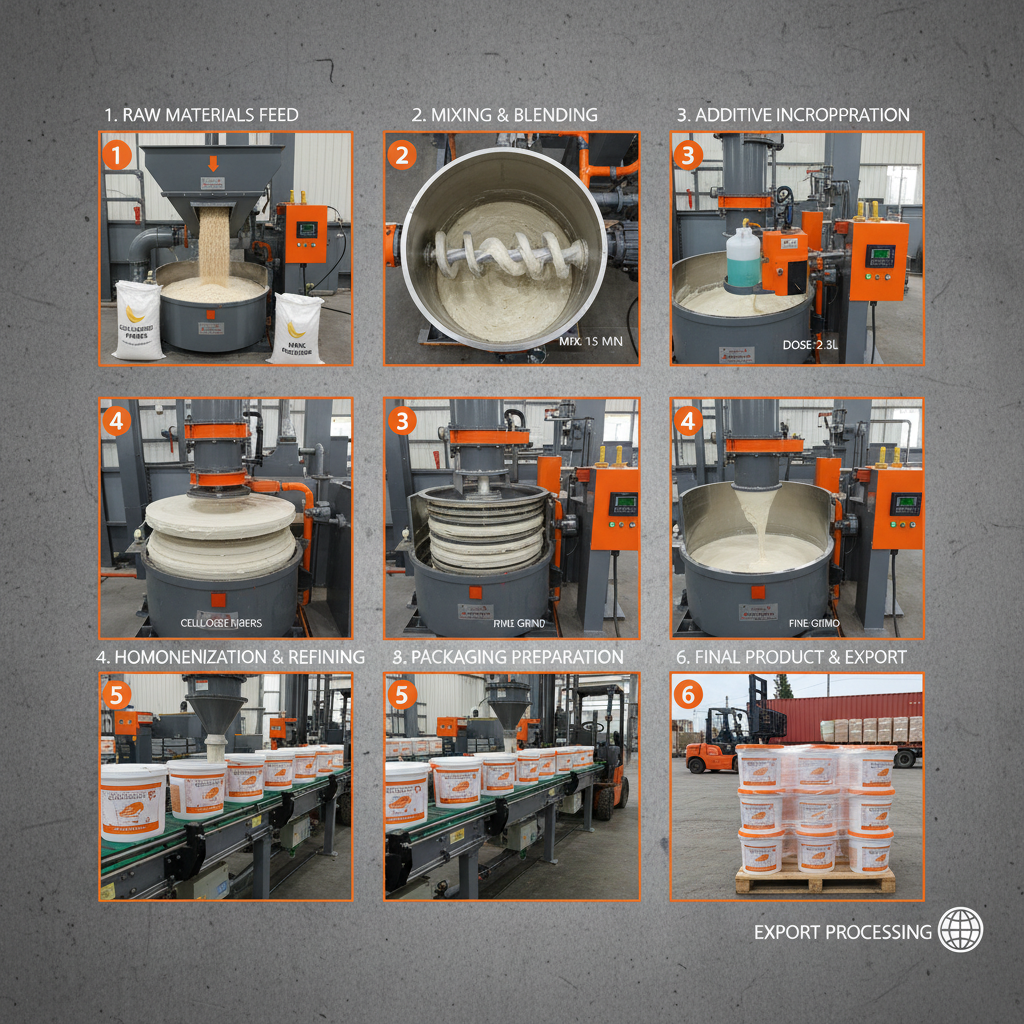 Cellulose wood putty is a versatile and essential material in woodworking, furniture repair, and various DIY projects. It's a paste-like substance used to fill imperfections, nail holes, and gaps in wood surfaces, providing a smooth, paintable finish. Choosing the right wood putty can make a significant difference in the quality and longevity of your project. This guide will explore the composition, benefits, applications, and selection criteria for cellulose wood putty, helping you make informed decisions for your next woodworking endeavor. Proper application and selection ensures durable and aesthetically pleasing results. Cellulose wood putty is a repair product comprised of wood flour, binders (often cellulose-based), and additives. Unlike some other wood fillers, it's known for its ability to accept stains and finishes, making it ideal for projects where a natural wood appearance is desired. It’s particularly effective for repairing damaged furniture, filling nail holes, and smoothing out imperfections before painting or staining.Read more
 -
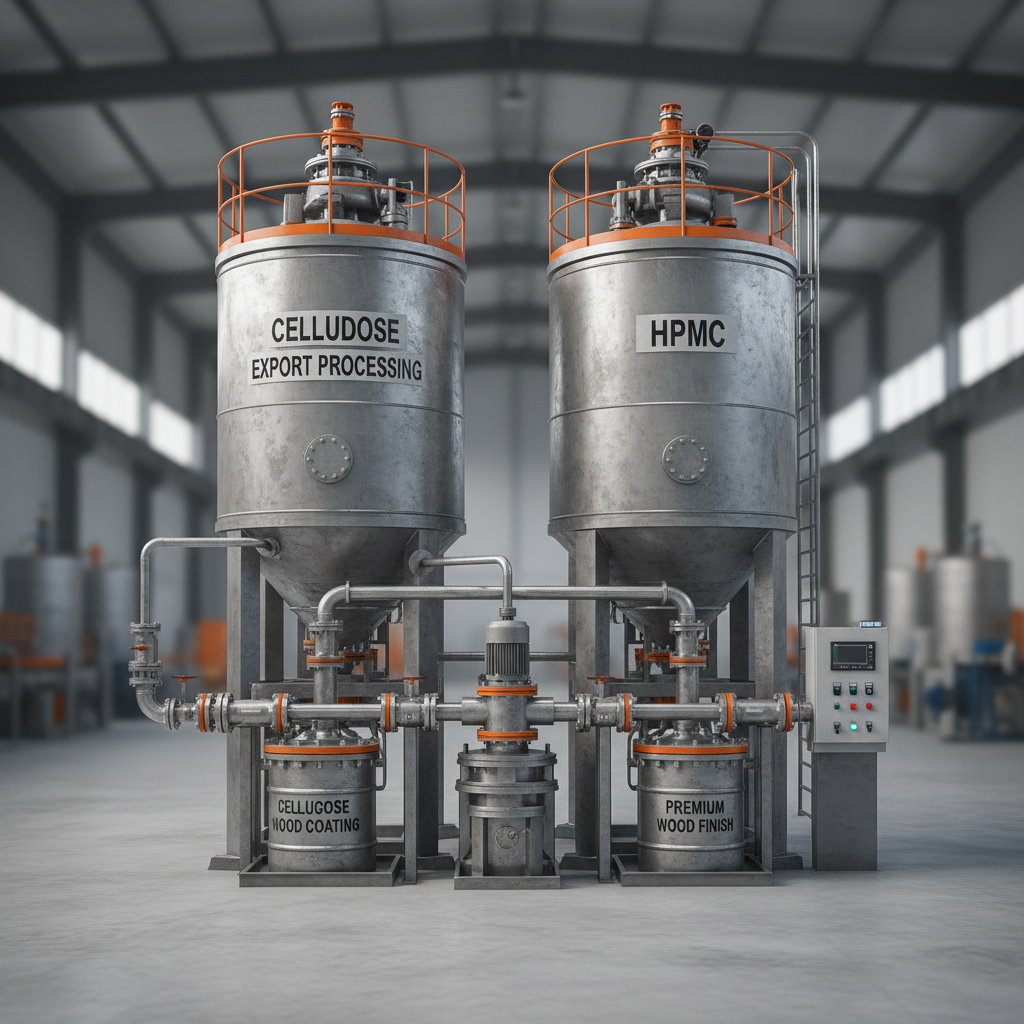 When choosing a finish for your wood projects, cellulose paint for wood offers a unique blend of aesthetic appeal and practical benefits. Known for its fast drying time, excellent adhesion, and smooth finish, cellulose paint is a popular choice for furniture, cabinetry, and interior woodwork. This article delves into the properties, applications, benefits, and considerations when using cellulose paint, providing a thorough overview for both DIY enthusiasts and professional woodworkers. Understanding the nuances of this paint type will help you achieve professional-quality results. Cellulose paint, also known as nitrocellulose lacquer, is a fast-drying paint that uses nitrocellulose as its primary film-forming component. It’s dissolved in solvents, making it easy to apply and quick to dry. Originally developed for automotive finishes, its versatility quickly extended to woodworking. Cellulose paint for wood stands out due to its ability to create a hard, durable, and aesthetically pleasing finish. The solvents evaporate rapidly, leaving behind a smooth, even coat.Read more
 -
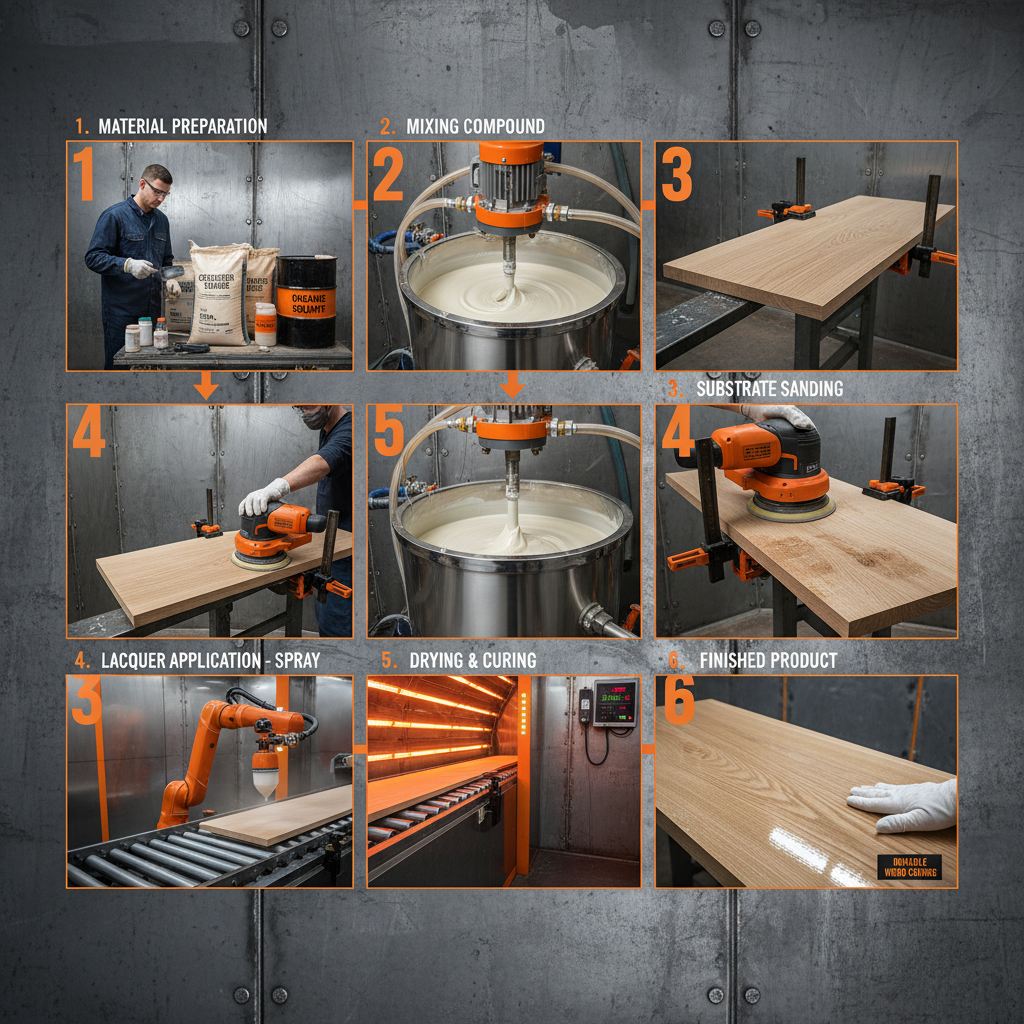 Cellulose lacquer for wood offers a durable and aesthetically pleasing finish, widely utilized in furniture making, musical instrument construction, and various other woodworking applications. This article provides an in-depth exploration of cellulose lacquer, covering its properties, application techniques, benefits, and considerations for optimal results. We will examine different types of cellulose lacquers, their suitability for various projects, and how to achieve professional-grade finishes. Explore the best options for your woodworking needs with SSHBHPMC's high-quality cellulose lacquers. Cellulose lacquer is a solvent-based finish made from nitrocellulose, resins, plasticizers, and solvents. It's renowned for its fast drying time, ease of application, and ability to create a hard, durable surface. Originally developed as a durable finish for furniture, it remains a popular choice today due to its versatility and ability to enhance the natural beauty of wood. The composition of cellulose lacquer allows it to be easily sprayed, brushed, or wiped onto wood surfaces, creating a smooth and even coat. Key Highlights: Fast drying, excellent clarity, good adhesion, and provides a durable, protective finish for wood.Read more
 -
Wood, a fundamental natural resource, is a complex biological material with a fascinating composition. Understanding the three primary components – cellulose, hemicellulose, and lignin – is crucial in various industries, from construction and paper production to biofuels and chemical engineering. These components dictate wood's properties, influencing its strength, flexibility, and reactivity. This article provides a detailed exploration of each component, their roles within the wood structure, and their significance in industrial applications. A solid grasp of wood composition is essential for maximizing its potential and developing sustainable practices. Cellulose is the most abundant organic polymer on Earth, constituting approximately 40-50% of wood's dry weight. It's a linear polysaccharide composed of glucose units linked by β-1,4-glycosidic bonds. These chains assemble into microfibrils, which provide wood with its tensile strength and rigidity. Hemicelluloses are a heterogeneous group of polysaccharides comprising about 20-30% of wood's dry weight.Read more
-
In today's environmentally conscious world, choosing sustainable building materials is more important than ever. Wood cellulose insulation stands out as an eco-friendly and highly effective solution for enhancing your home's energy efficiency. This article provides a detailed exploration of wood cellulose insulation, covering its benefits, applications, installation process, and comparison with other insulation types. Understanding its properties will empower you to make informed decisions for a greener and more comfortable living space. Wood cellulose insulation is a sustainable material made from recycled paper products, primarily newspaper. The paper is processed and treated with borates, which act as fire retardants and protect against mold and pests. This creates a fluffy, lightweight material that effectively fills cavities and provides excellent thermal and acoustic insulation. It’s a fantastic example of turning waste into a valuable building resource, promoting a circular economy. SSHBHPMC is a leading provider of high-quality wood cellulose insulation products.Read more

-

Add: HeBei ShengShi HongBang Cellulose Technology CO.,LTD.
-

Email
13180486930@163.com -

CONTACT US
+86 13180486930