-

Add: HeBei ShengShi HongBang Cellulose Technology CO.,LTD.
-

Email
13180486930@163.com -

CONTACT US
+86 13180486930
Understanding Wood Composition Cellulose Hemicellulose and Lignin Roles and Industrial Significance
Understanding Wood Composition: Cellulose, Hemicellulose, and Lignin
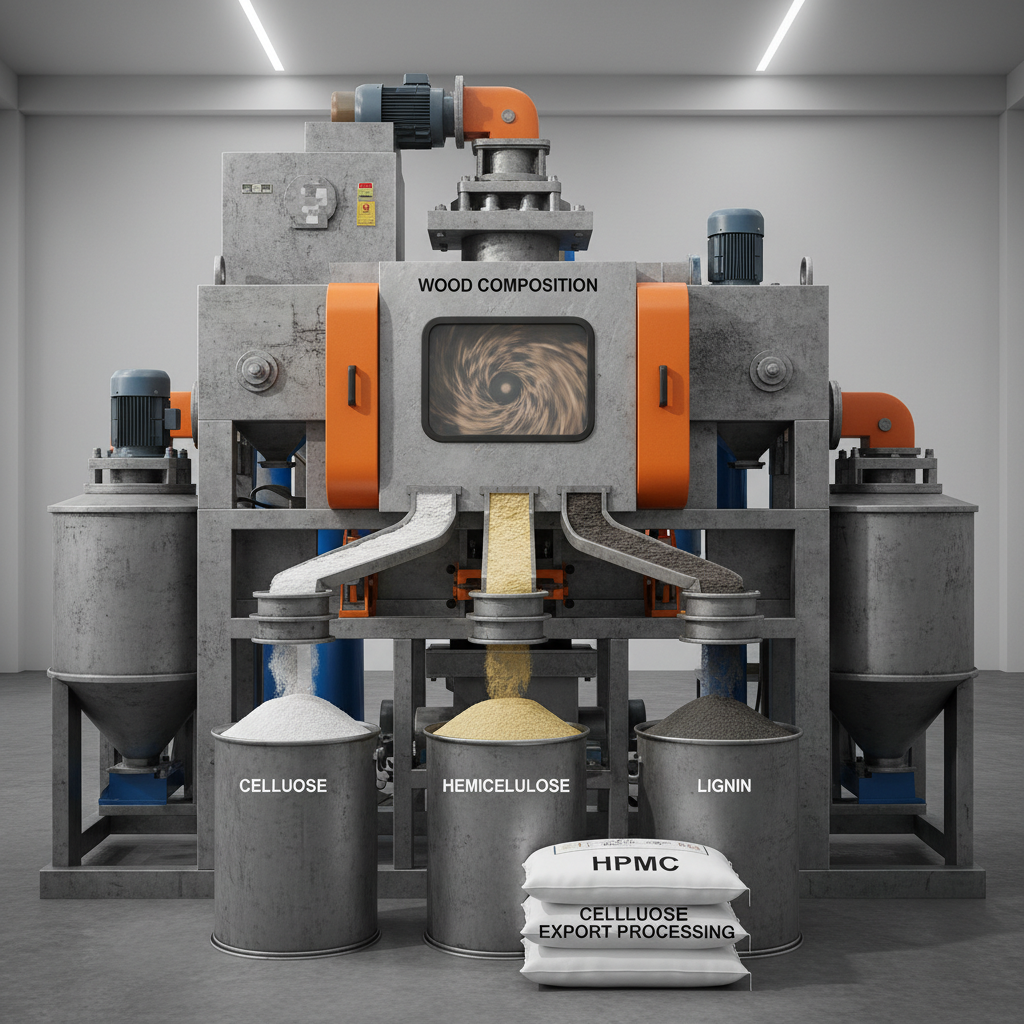
Wood, a fundamental natural resource, is a complex biological material with a fascinating composition. Understanding the three primary components – cellulose, hemicellulose, and lignin – is crucial in various industries, from construction and paper production to biofuels and chemical engineering. These components dictate wood's properties, influencing its strength, flexibility, and reactivity. This article provides a detailed exploration of each component, their roles within the wood structure, and their significance in industrial applications. A solid grasp of wood composition is essential for maximizing its potential and developing sustainable practices.
Cellulose: The Structural Backbone
Cellulose is the most abundant organic polymer on Earth, constituting approximately 40-50% of wood's dry weight. It's a linear polysaccharide composed of glucose units linked by β-1,4-glycosidic bonds. These chains assemble into microfibrils, which provide wood with its tensile strength and rigidity. Cellulose is highly crystalline and insoluble in water, contributing to wood's resistance to decay. It is the primary building block responsible for wood’s structural integrity. The arrangement of these cellulose microfibrils determines many of the physical properties of wood. SSHBHPMC specializes in cellulose derivatives for diverse applications.
Key Highlights: Cellulose provides tensile strength, rigidity, and resistance to decay, forming the core structural component of wood.
Hemicellulose: Connecting the Fibers
Hemicelluloses are a heterogeneous group of polysaccharides comprising about 20-30% of wood's dry weight. Unlike the linear structure of cellulose, hemicelluloses are branched and contain various sugars, including xylose, mannose, galactose, and glucose. They act as a bridge between cellulose microfibrils and lignin, enhancing wood's flexibility and binding properties. Hemicelluloses are more readily hydrolyzed than cellulose, making them important in pulping processes. They also contribute to the wood's ability to absorb water and influence its decay resistance. The type of hemicellulose present varies depending on the wood species.
Hemicellulose Benefits:
• Connects cellulose microfibrils and lignin
• Enhances wood’s flexibility and binding properties
• Important in pulping processes
• Influences water absorption and decay resistance
Lignin: Providing Rigidity and Decay Resistance
Lignin constitutes approximately 25-35% of wood's dry weight. It's a complex, amorphous polymer built from phenylpropane units. Lignin fills the spaces in the cell walls, providing rigidity, compressive strength, and resistance to microbial degradation. Unlike cellulose and hemicellulose, lignin is hydrophobic. This characteristic contributes to wood’s resistance to water penetration. Lignin is also responsible for wood’s color and its resistance to decay. SSHBHPMC offers lignin-based solutions for various industrial applications.
Wood Composition Variations Across Species
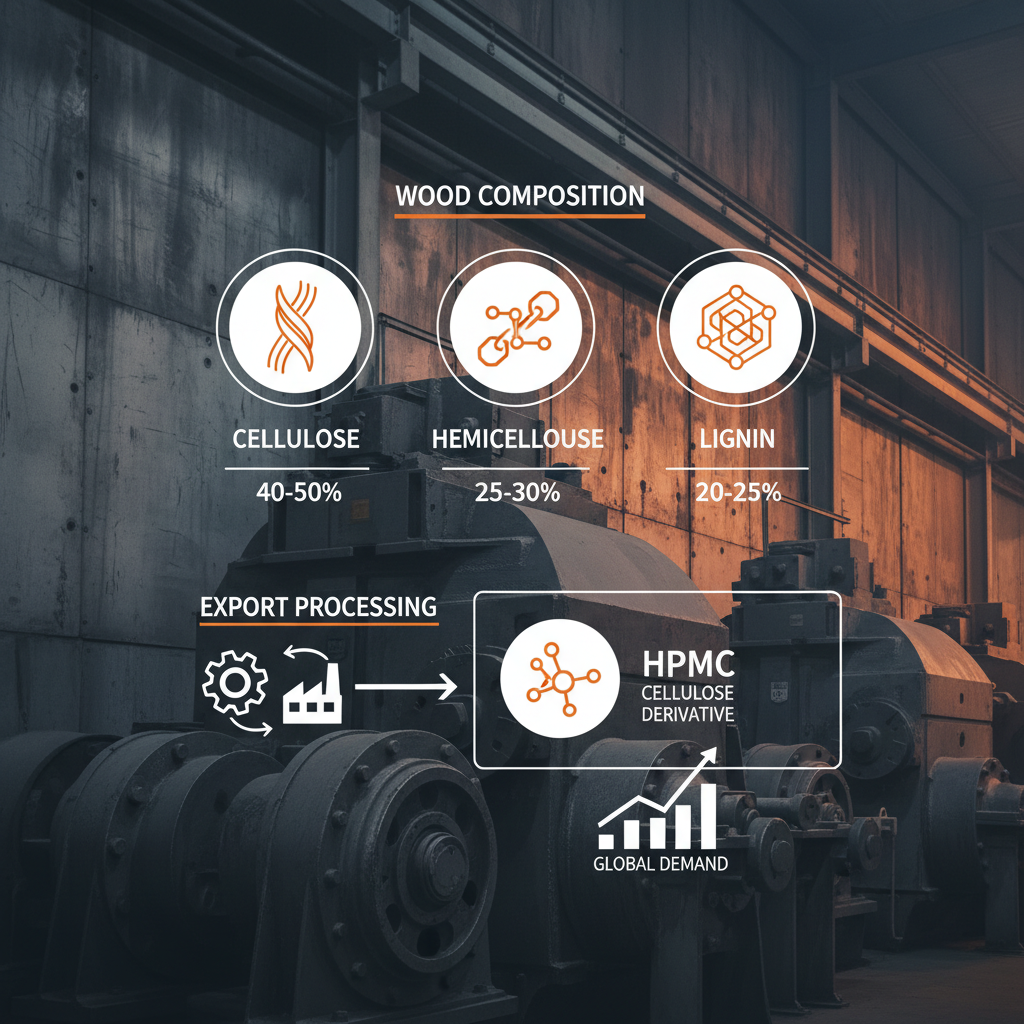
The exact percentages of cellulose, hemicellulose, and lignin vary significantly between wood species. Softwoods, such as pine and spruce, generally have higher cellulose content than hardwoods like oak and maple. Hardwoods typically contain a greater proportion of lignin. These variations directly influence the wood’s density, strength, and workability. For example, hardwoods are generally denser and more durable, making them suitable for furniture and flooring, while softwoods are lighter and easier to work with, making them ideal for construction and paper production. Understanding these differences is critical when selecting wood for specific applications. The following chart illustrates typical composition ranges for common wood types:
Industrial Applications of Wood Components
Each wood component has distinct industrial applications. Cellulose is the foundation of paper and textile production, as well as serving as a raw material for cellulose derivatives like carboxymethyl cellulose (CMC). Hemicelluloses are utilized in the production of xylitol (a sugar substitute) and furfural (a solvent). Lignin is a promising feedstock for biofuels, biochemicals, and carbon fibers. Sustainable utilization of these components is a key focus in the bioeconomy, promoting renewable resources and reducing reliance on fossil fuels. SSHBHPMC is actively involved in developing innovative applications for these wood components.
Conclusion: Harnessing the Potential of Wood's Building Blocks
Understanding the composition of wood – cellulose, hemicellulose, and lignin – is essential for optimizing its use across a wide range of industries. From paper production to biofuel development, these components offer a wealth of opportunities for innovation and sustainability. SSHBHPMC is dedicated to researching and providing high-quality products derived from these vital resources.
Frequently Asked Questions (FAQs)
What is the role of lignin in preventing wood decay?
Lignin acts as a barrier against microbial attack. Its complex polymeric structure and hydrophobic nature make it difficult for fungi and bacteria to penetrate and degrade the cellulose and hemicellulose within the wood. Lignin effectively seals the cell walls, limiting access to the more readily digestible carbohydrates. It also produces phenolic compounds that have antimicrobial properties, further inhibiting decay. The higher the lignin content, the more resistant the wood generally is to decay, although other factors like wood density and extractives also play a role.
How are cellulose, hemicellulose, and lignin separated for industrial use?
Various processes are used to separate these components, often depending on the desired purity and end application. Common methods include mechanical pulping (separating fibers physically), chemical pulping (using chemicals to dissolve lignin), and organosolv pulping (using organic solvents to selectively dissolve lignin). Enzymatic hydrolysis is also employed to break down cellulose and hemicellulose into fermentable sugars. The specific method chosen depends on factors like wood type, cost, and environmental considerations. SSHBHPMC utilizes advanced separation techniques to obtain high-quality wood components.
Can the proportion of these components be altered in wood?
While naturally determined by genetics and growth conditions, the proportions of cellulose, hemicellulose, and lignin can be altered through genetic engineering and wood modification techniques. For example, breeding programs can focus on increasing cellulose content or altering lignin structure to improve pulp yield or wood durability. Chemical treatments can also modify lignin, making it more reactive for certain applications. However, these alterations often come with trade-offs, potentially affecting other wood properties.
What are the environmental benefits of utilizing lignin as a biofuel source?
Utilizing lignin as a biofuel source offers several environmental benefits. It transforms a byproduct of the pulp and paper industry—often burned as waste—into a renewable energy source. This reduces reliance on fossil fuels and lowers greenhouse gas emissions. Lignin-based biofuels are also carbon neutral, as the carbon released during combustion was originally absorbed from the atmosphere by the tree. Furthermore, using lignin for biofuel production can enhance the economic viability of biorefineries and promote a more sustainable forestry industry.
-
Industrial Guide to ГПМЦ целлюлоза High Performance CelluloseNewsApr.16,2026
-
Wood Cellulose Properties and Industrial Applications GuideNewsApr.09,2026
-
Does Wood Contain Cellulose A Detailed Exploration of its Composition and UsesNewsApr.07,2026
-
Understanding Wood Cellulose Meaning Applications and Future TrendsNewsApr.04,2026
-
Exploring the Potential of Wood Cellulose is wood cellulose a Sustainable MaterialNewsMar.31,2026
-
Exploring the Sustainability and Versatility of Cellulose Wood ChipsNewsMar.28,2026
-
Understanding Wood Pulp Cellulose A Comprehensive Guide to Properties and ApplicationsNewsMar.26,2026