-

Add: HeBei ShengShi HongBang Cellulose Technology CO.,LTD.
-

Email
13180486930@163.com -

CONTACT US
+86 13180486930

Is Cellulose Made From Wood A Detailed Exploration of Origins and Applications
Is Cellulose Made From Wood? A Comprehensive Guide
Cellulose is a fundamental component of plant cell walls and, consequently, a primary constituent of wood. But the relationship between wood and cellulose isn't just a simple 'made from' scenario. It's a nuanced one. This article will delve into the origins of cellulose, its extraction from wood, its various applications, and how SSHBHPMC contributes to the wider world of cellulose derivatives. Understanding this connection is crucial for industries utilizing cellulose in everything from textiles to pharmaceuticals.
What is Cellulose? The Building Block of Life
Cellulose is a complex carbohydrate (a polysaccharide) consisting of numerous glucose molecules linked together. It’s the most abundant organic polymer on Earth. Found in all plants, it provides structural support, giving rigidity to stems, branches, and, crucially, wood. While often associated with plants, cellulose isn't created from wood, rather, wood contains a high percentage of cellulose. It’s the main component, but not the only one – lignin, hemicellulose, and other compounds are also present. The specific proportion of cellulose varies depending on the wood type.
Key Facts: Cellulose is the most abundant biopolymer, making up roughly 40-60% of the dry weight of wood.
How is Cellulose Extracted from Wood?
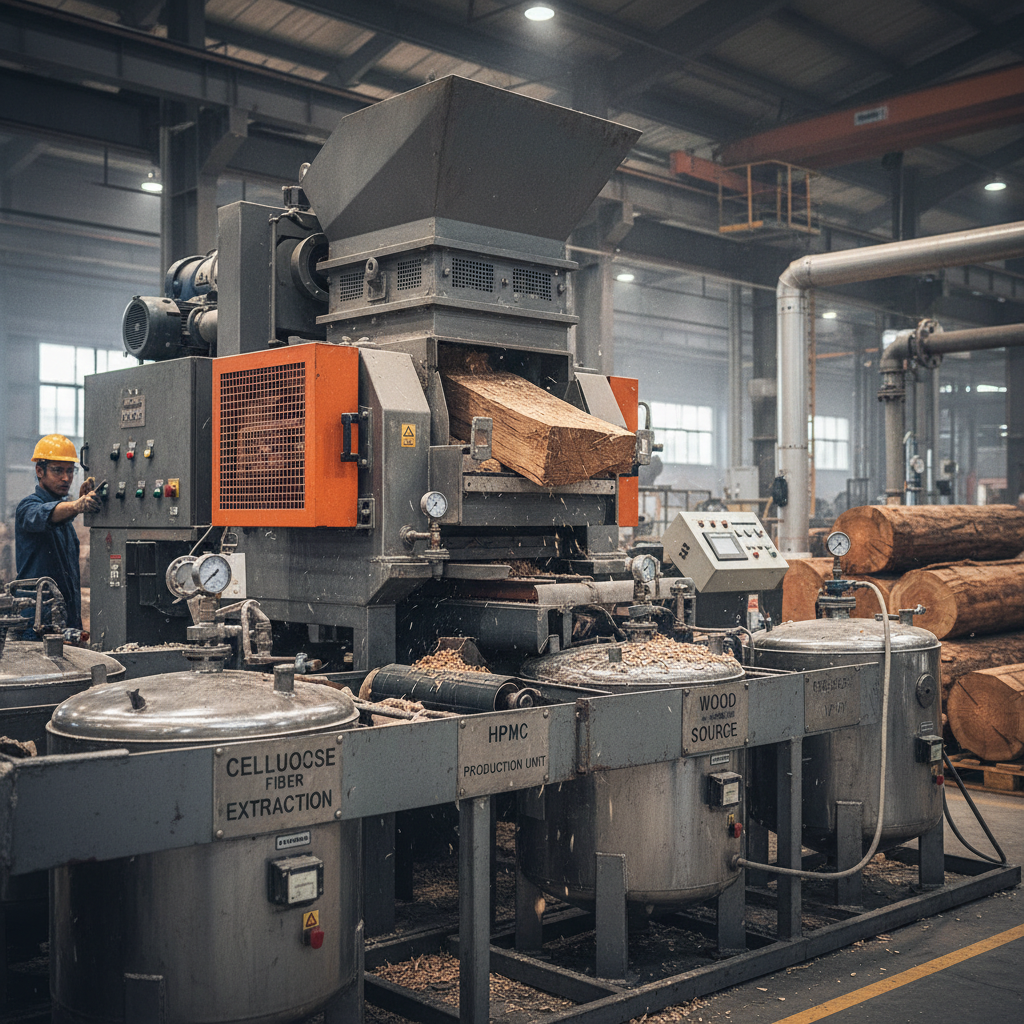
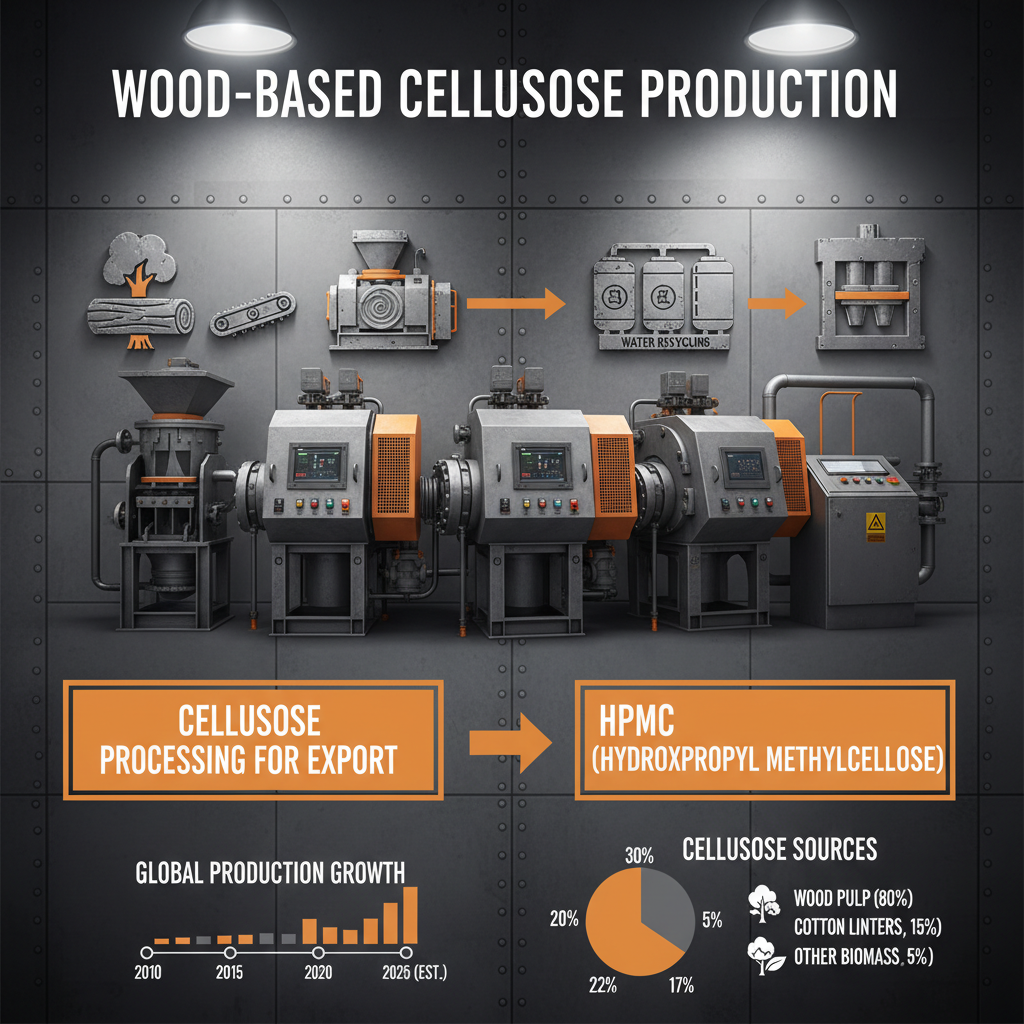
Extracting cellulose from wood involves separating it from lignin and other components. This is commonly achieved through various pulping processes. These methods can be broadly categorized into chemical and mechanical pulping. Chemical pulping utilizes chemicals like sulfate (Kraft process) or sulfite to dissolve lignin, leaving behind relatively pure cellulose fibers. Mechanical pulping grinds the wood into fibers, retaining more lignin but resulting in a lower-quality cellulose product. The choice of method depends on the desired purity and intended application of the cellulose.
Pulping Process Comparison:
• Chemical Pulping: High purity, stronger fibers, more expensive.
• Mechanical Pulping: Lower purity, weaker fibers, less expensive.
• Recycled Pulping: Utilizes waste paper, environmentally friendly, variable quality.
Cellulose: A Versatile Material – Applications Across Industries
The applications of cellulose are remarkably diverse. In the textile industry, it's used to create rayon and other fabrics. In the paper industry, it’s the primary component. It’s also a key ingredient in cellophane, cellulose nitrate (used in explosives and historically in films), and increasingly, in bioplastics as a sustainable alternative to petroleum-based plastics. Moreover, cellulose derivatives, produced by chemically modifying cellulose, find applications in pharmaceuticals (as tablet binders and coatings), food (as thickeners and stabilizers), and cosmetics. SSHBHPMC specializes in producing high-quality cellulose ethers used in various industrial applications.
Cellulose Derivatives: Expanding the Possibilities
Cellulose derivatives are created by chemically modifying the cellulose molecule. These modifications alter its properties, expanding its range of applications. Common derivatives include carboxymethyl cellulose (CMC), methyl cellulose (MC), and hydroxypropyl methylcellulose (HPMC). These derivatives exhibit improved solubility, thickening properties, and film-forming capabilities. SSHBHPMC specializes in the production of high-quality HPMC for use in construction, pharmaceuticals, and various industrial processes.
Sustainability and Cellulose: A Renewable Resource
As a plant-derived material, cellulose is a renewable resource. Utilizing cellulose, particularly from sustainably managed forests, offers an environmentally friendly alternative to petroleum-based materials. The growing interest in bioplastics and sustainable packaging is driving increased demand for cellulose and its derivatives. Responsible forestry practices and efficient pulping processes are essential to ensure the long-term sustainability of cellulose production.
Conclusion: Cellulose – A Natural Wonder with Boundless Potential
Cellulose, while not made from wood in a direct sense, is undeniably a core component of it. Its extraction and modification have led to a vast array of applications impacting numerous industries. As we move towards a more sustainable future, cellulose’s role as a renewable and versatile material will only continue to grow. Explore the possibilities with SSHBHPMC and discover how our cellulose derivatives can benefit your operations.
Frequently Asked Questions (FAQs)
What's the difference between cellulose and lignin?
Cellulose and lignin are both major components of wood, but they have very different roles. Cellulose provides strength and structure, forming the crystalline framework of plant cell walls. Lignin, on the other hand, is a complex polymer that provides rigidity and resistance to decay. It essentially acts as a glue, holding the cellulose fibers together. While cellulose is a long chain of glucose molecules, lignin is a more complex and irregular structure. During pulping, lignin is often removed to isolate the cellulose fibers.
Are all types of wood equally suitable for cellulose extraction?
No, different wood types have varying cellulose content and fiber length. Softwoods (like pine and spruce) generally have longer fibers and are preferred for producing strong paper. Hardwoods (like oak and maple) have shorter fibers but are often used for specialty papers and dissolving pulp for textiles. The choice of wood depends on the desired end-product. The ease of lignin removal also varies between wood types, impacting the efficiency of the pulping process.
What is HPMC and what is it used for?
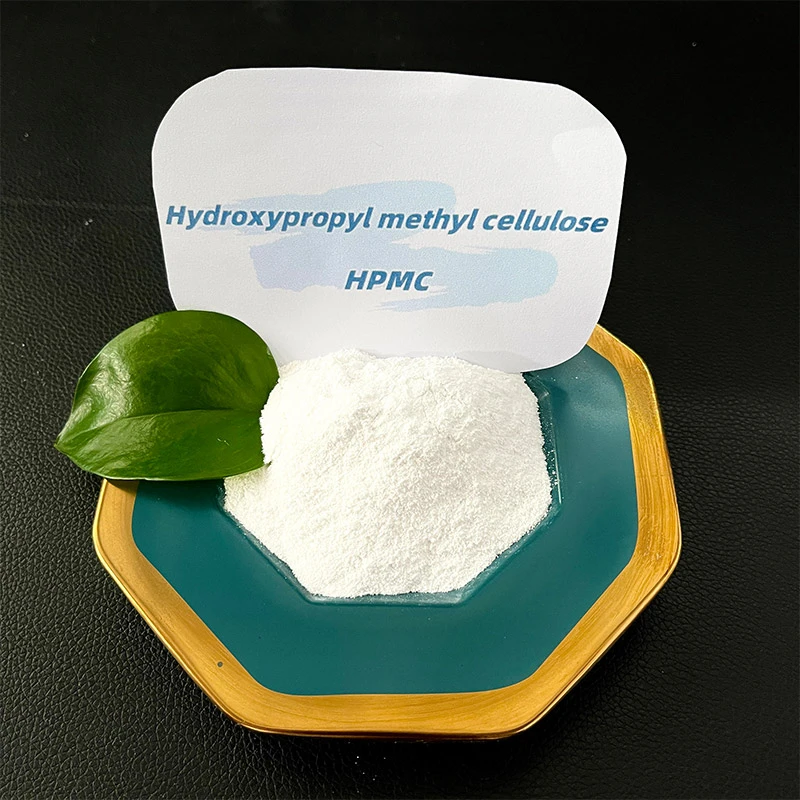
Hydroxypropyl methylcellulose (HPMC) is a cellulose derivative created by chemically modifying cellulose. It's a versatile polymer used as a thickener, binder, film-former, and protective colloid in a wide range of applications. Common uses include construction materials (tile adhesives, renders), pharmaceuticals (tablet coatings, controlled-release formulations), food (thickening agents, stabilizers), and personal care products. SSHBHPMC is a leading manufacturer of high-quality HPMC.
-
Industrial Guide to ГПМЦ целлюлоза High Performance CelluloseNewsApr.16,2026
-
Wood Cellulose Properties and Industrial Applications GuideNewsApr.09,2026
-
Does Wood Contain Cellulose A Detailed Exploration of its Composition and UsesNewsApr.07,2026
-
Understanding Wood Cellulose Meaning Applications and Future TrendsNewsApr.04,2026
-
Exploring the Potential of Wood Cellulose is wood cellulose a Sustainable MaterialNewsMar.31,2026
-
Exploring the Sustainability and Versatility of Cellulose Wood ChipsNewsMar.28,2026
-
Understanding Wood Pulp Cellulose A Comprehensive Guide to Properties and ApplicationsNewsMar.26,2026