-

Add: HeBei ShengShi HongBang Cellulose Technology CO.,LTD.
-

Email
13180486930@163.com -

CONTACT US
+86 13180486930
Wood Fiber Insulation vs Cellulose A Detailed Comparison Guide
Wood Fiber Insulation vs Cellulose: A Comprehensive Guide
Choosing the right insulation is crucial for creating an energy-efficient and comfortable building. Two popular options are wood fiber insulation and cellulose insulation, both offering excellent thermal performance and eco-friendly benefits. This article will delve into the specifics of each material, comparing their properties, installation processes, costs, and environmental impacts to help you make the best decision for your project. We’ll explore the strengths and weaknesses of each, guiding you toward the most suitable insulation solution. You can find more about sustainable building materials at SSHBHPMC.
Understanding Wood Fiber Insulation
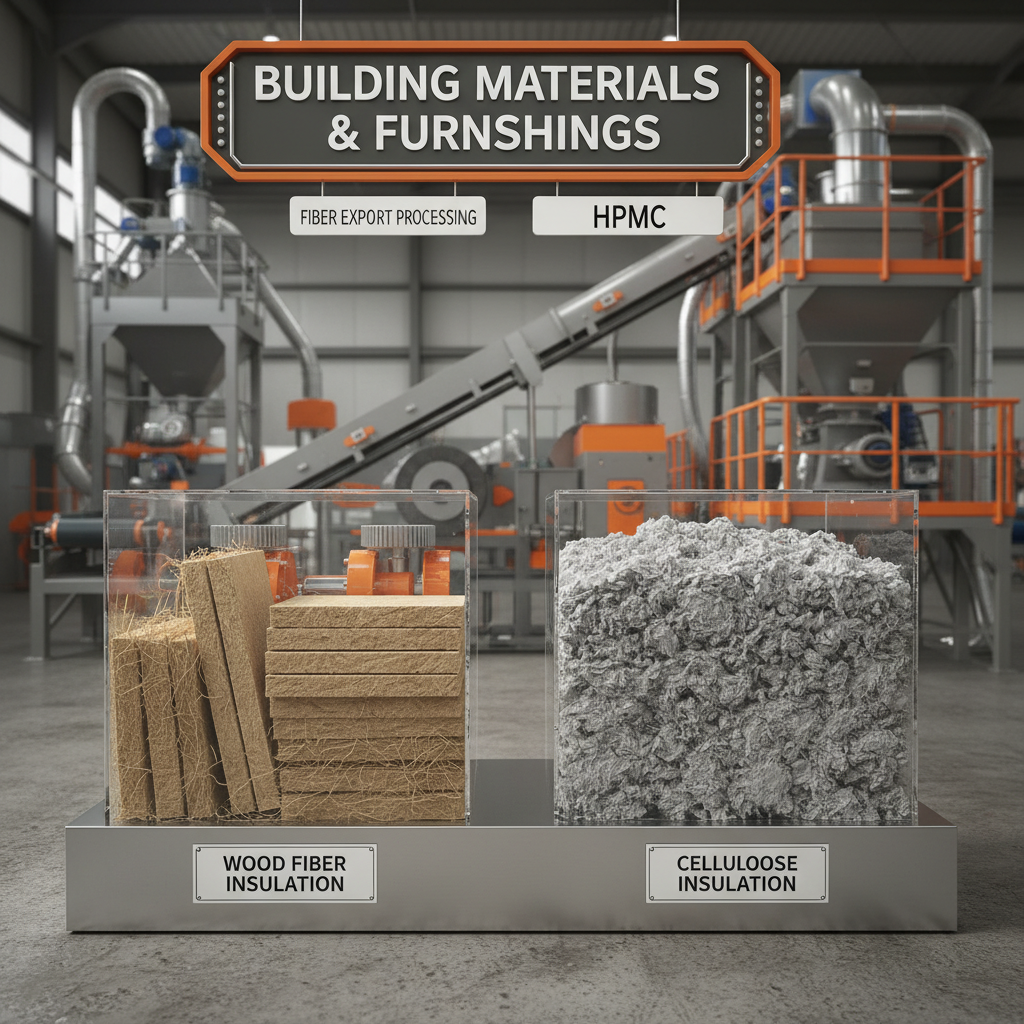
Wood fiber insulation is manufactured from wood residues, such as sawmill shavings and wood chips. These materials are processed and formed into batts, boards, or loose-fill insulation. It offers excellent thermal performance, good sound absorption, and inherent breathability, allowing moisture to escape and preventing mold growth. The manufacturing process typically requires less energy than other insulation types, contributing to its sustainability. Wood fiber’s natural properties also make it a good choice for buildings aiming for a healthy indoor environment.
Key Highlights: Wood fiber insulation provides excellent thermal and acoustic performance with inherent breathability, promoting a healthy indoor climate. It's made from renewable resources and has a lower embodied energy than many alternatives.
Delving into Cellulose Insulation
Cellulose insulation is created from recycled paper products, primarily newspapers and cardboard. It is treated with borates to provide fire resistance and prevent pest infestation. Typically installed as loose-fill, cellulose conforms to irregular spaces, providing a tight seal and minimizing air infiltration. It boasts a high recycled content, making it an environmentally friendly option. Cellulose also offers good thermal and acoustic performance, though it is more sensitive to moisture than wood fiber.
Cellulose Insulation Benefits:
• High recycled content, promoting sustainability.
• Effective at filling irregular spaces, minimizing air leaks.
• Good thermal and acoustic performance.
• Borate treatment for fire resistance and pest control.
Wood Fiber Insulation vs Cellulose: A Side-by-Side Comparison
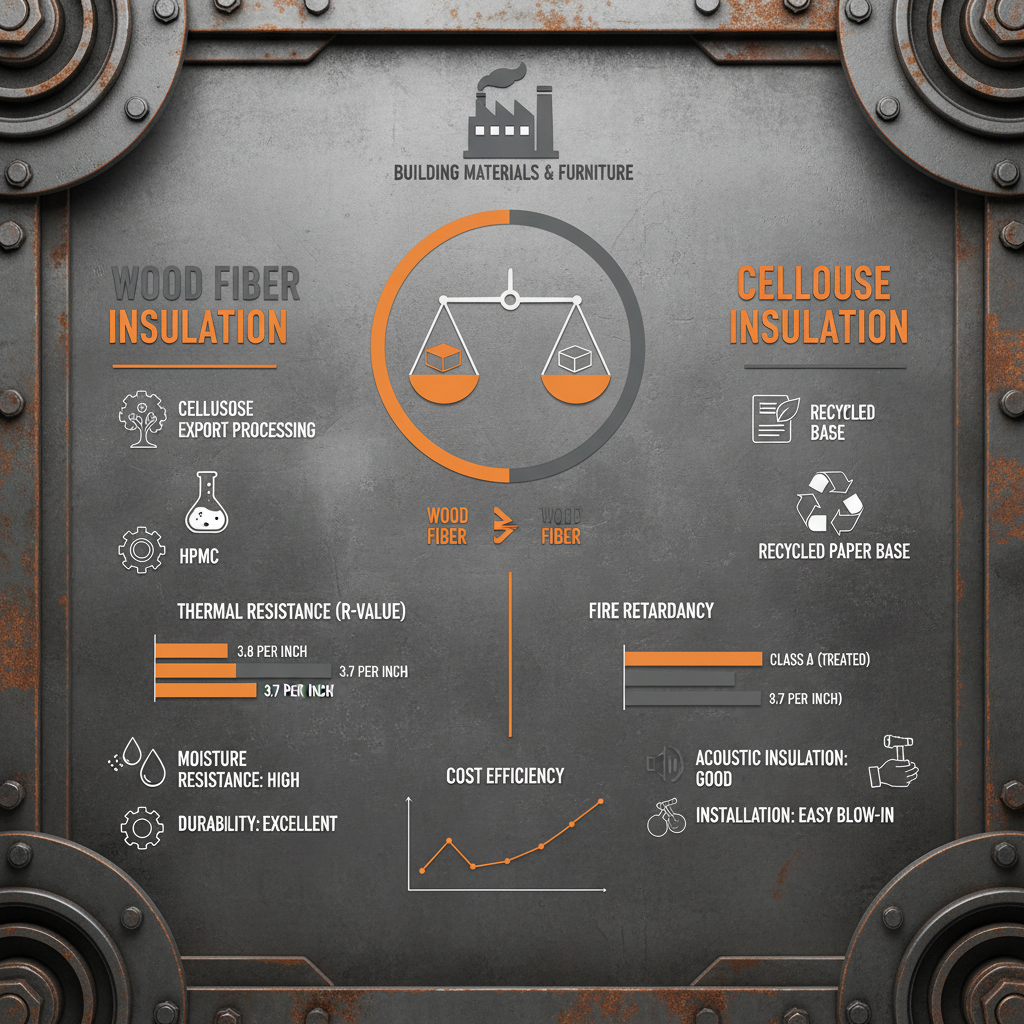
While both wood fiber and cellulose are excellent choices for sustainable insulation, they differ in several key areas. Understanding these differences is crucial for selecting the best option for your specific needs. The following table provides a detailed comparison:
Installation Considerations for Wood Fiber and Cellulose
The installation process differs significantly between the two materials. Wood fiber often comes in pre-cut batts or boards, making installation similar to fiberglass insulation. However, it's heavier and requires careful handling. Cellulose is typically blown-in, requiring specialized equipment and expertise to achieve proper density and coverage. Incorrect cellulose installation can lead to settling and reduced performance. It's highly recommended to use a professional installer for both materials, ensuring proper safety measures and optimal results. SSHBHPMC offers expertise in sustainable building material installation.
Environmental Impact & Sustainability
Both wood fiber and cellulose are environmentally responsible choices. Wood fiber utilizes renewable resources and often comes from sustainably managed forests. Cellulose boasts a high recycled content, diverting waste from landfills. However, the manufacturing process of wood fiber can be energy intensive, while the borate treatment in cellulose raises some environmental concerns, though borates are generally considered low in toxicity. Considering the entire lifecycle – from sourcing to installation to disposal – helps determine the truly sustainable option for your project.
Conclusion: Choosing the Right Insulation
Ultimately, the best choice between wood fiber and cellulose insulation depends on your project's specific requirements and priorities. Wood fiber excels in breathability and moisture management, while cellulose shines with its high recycled content and cost-effectiveness. By carefully considering the factors discussed in this article, you can select the insulation that optimizes energy efficiency, comfort, and sustainability. For expert advice and high-quality sustainable building materials, visit SSHBHPMC.
Frequently Asked Questions (FAQs)
Is cellulose insulation prone to settling over time?
Yes, cellulose insulation can settle over time, particularly if it wasn't installed to the correct density. Settling reduces the insulation's effectiveness as air gaps can form. Proper installation by a qualified professional is crucial to minimize settling. Dense-packed cellulose is less prone to settling than loose-fill. Regular inspections can help identify any settling and allow for corrective measures. It is recommended to check cellulose insulation every few years to ensure it's still providing adequate coverage.
How does wood fiber insulation perform in terms of soundproofing?
Wood fiber insulation offers excellent sound absorption qualities due to its dense, fibrous structure. It effectively dampens sound transmission, reducing noise levels within a building. It performs particularly well in mitigating airborne noise, such as voices and traffic sounds. Its density contributes to a higher Sound Transmission Class (STC) rating compared to some other insulation materials. For optimal soundproofing, consider using wood fiber in combination with other sound-dampening techniques.
Are borates used in cellulose insulation harmful to human health?
Borates, used in cellulose to provide fire resistance and pest control, are generally considered low in toxicity to humans. They have a low level of acute toxicity and are commonly found in household cleaning products and laundry detergents. However, some individuals may be sensitive to borates and experience mild skin or respiratory irritation. During installation, it's recommended to wear appropriate protective gear, such as a dust mask. Once installed, borates are effectively encapsulated within the cellulose and pose minimal health risks.
-
Industrial Guide to ГПМЦ целлюлоза High Performance CelluloseNewsApr.16,2026
-
Wood Cellulose Properties and Industrial Applications GuideNewsApr.09,2026
-
Does Wood Contain Cellulose A Detailed Exploration of its Composition and UsesNewsApr.07,2026
-
Understanding Wood Cellulose Meaning Applications and Future TrendsNewsApr.04,2026
-
Exploring the Potential of Wood Cellulose is wood cellulose a Sustainable MaterialNewsMar.31,2026
-
Exploring the Sustainability and Versatility of Cellulose Wood ChipsNewsMar.28,2026
-
Understanding Wood Pulp Cellulose A Comprehensive Guide to Properties and ApplicationsNewsMar.26,2026