-

Add: HeBei ShengShi HongBang Cellulose Technology CO.,LTD.
-

Email
13180486930@163.com -

CONTACT US
+86 13180486930
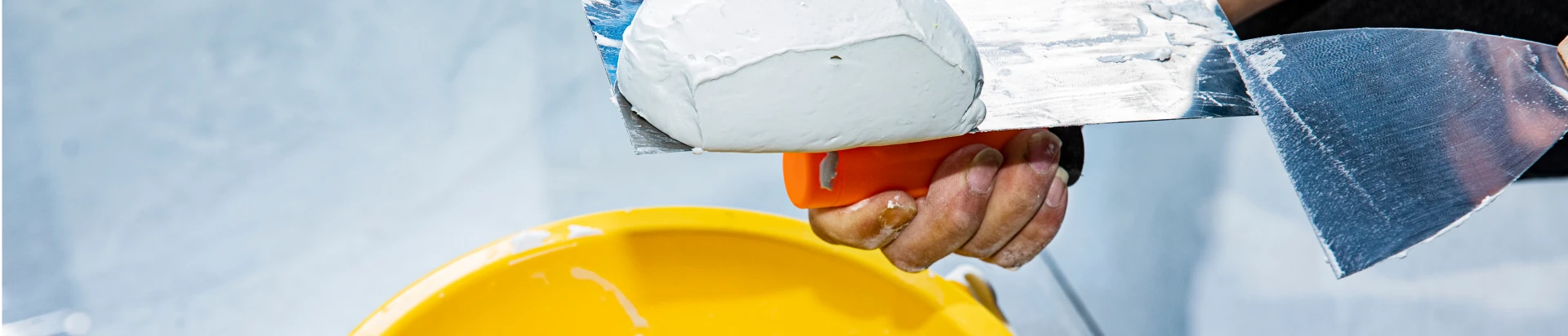
Comprehensive Guide to Cellulose Wood Putty for Woodworking Projects
Cellulose Wood Putty: A Comprehensive Guide
When tackling wood repairs, selecting the right wood filler is crucial for a lasting and aesthetically pleasing result. Cellulose wood putty stands out as a versatile and effective solution for filling cracks, holes, and imperfections in wood surfaces. This article will delve into the properties, applications, benefits, and considerations when using cellulose wood putty, providing a thorough overview for both DIY enthusiasts and professional woodworkers. Understanding the nuances of this product can significantly improve the quality and durability of your wood repair projects.
What is Cellulose Wood Putty?
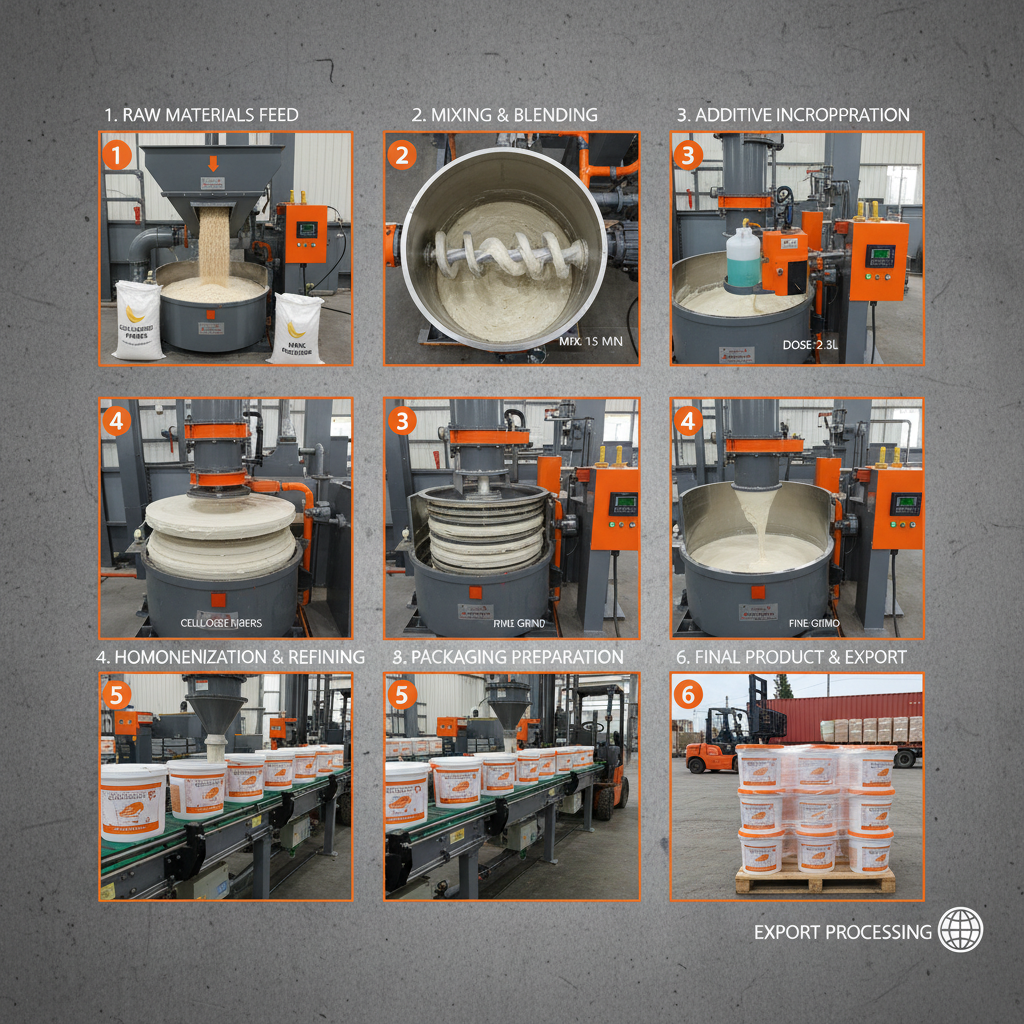
Cellulose wood putty is a repair product primarily composed of wood flour (cellulose fibers) combined with binders, fillers, and sometimes pigments. Unlike some epoxy-based fillers, it's water-based, making it easier to clean up and generally less odorous. This putty is designed to mimic the properties of wood, allowing it to be easily sanded, shaped, and stained or painted after application. It's an excellent choice for repairing damage in both interior and exterior wood surfaces. The ability to accept stains and paints seamlessly makes it ideal for projects where a natural wood finish is desired. You can explore a range of cellulose wood putty products at SSHBHPMC.
Key Highlights: Water-based, easy cleanup, sandable, stainable, and paintable. Mimics wood properties for seamless repairs.
Applications of Cellulose Wood Putty
Cellulose wood putty finds its use in a wide array of woodworking and repair scenarios. Common applications include filling nail holes, repairing dents and gouges in furniture, patching cracks in molding and trim, and restoring damaged wooden window frames. It’s also suitable for repairing minor damage to doors, cabinets, and even flooring. Because of its ability to be shaped and sanded, it’s often used in projects that require precise detailing. Whether you’re a seasoned carpenter or a DIY enthusiast, cellulose wood putty can be a valuable addition to your toolkit.
Application Areas:
• Filling nail holes
• Repairing dents and gouges
• Patching cracks
• Restoring window frames
Cellulose Wood Putty vs. Other Wood Fillers: A Comparison
While several wood filler options are available, cellulose wood putty distinguishes itself with its unique properties. Compared to epoxy-based fillers, it’s typically easier to work with and offers better sandability. Unlike plastic wood fillers, it retains a more wood-like texture and accepts stains more readily. Choosing the right filler depends on the specific repair needs and desired finish. Cellulose wood putty excels in applications where a natural wood appearance is paramount.
Applying Cellulose Wood Putty: A Step-by-Step Guide
Proper application is key to achieving professional-looking results. First, ensure the wood surface is clean, dry, and free of loose particles. Apply the putty generously, slightly overfilling the repair area. Allow the putty to dry completely, as per the manufacturer’s instructions. Once dry, sand the area smooth, starting with a coarser grit sandpaper and finishing with a finer grit. Finally, stain or paint the repaired area to match the surrounding wood. For optimal results, always follow the specific instructions provided with the cellulose wood putty product you are using.

Product Specifications and Considerations
When selecting cellulose wood putty, consider the size of the repair area, the type of wood being repaired, and the desired finish. SSHBHPMC offers various grades and colors to suit different applications. Ensure the putty is compatible with the stain or paint you intend to use. Always store the putty in a cool, dry place with the lid tightly sealed to prevent drying out. Proper storage will extend the product's shelf life and maintain its workability.
Conclusion: Achieving Durable Wood Repairs with Cellulose Wood Putty
Cellulose wood putty offers a convenient and effective solution for a wide range of wood repair applications. Its ease of use, sandability, and stainability make it a preferred choice for both professionals and DIYers. By understanding its properties and following proper application techniques, you can achieve lasting, high-quality repairs that restore the beauty and integrity of your wooden surfaces.
Frequently Asked Questions (FAQs)
Can cellulose wood putty be used outdoors?
While cellulose wood putty can be used for exterior repairs, it's important to choose a product specifically formulated for outdoor use. These formulations typically contain additives to enhance water resistance and prevent cracking or shrinking due to weather exposure. Even with outdoor-grade putty, it's recommended to apply a protective coating such as paint or varnish to further extend its lifespan and provide additional protection against the elements. Regular maintenance and re-application of the protective coating may be necessary over time.
How do I prepare the surface before applying wood putty?
Proper surface preparation is crucial for a successful repair. First, remove any loose or flaking wood, dirt, or debris from the repair area. Sand the surface smooth to create a good bonding surface for the putty. If the wood is particularly dry, you may want to apply a wood conditioner to help the putty adhere better. Ensure the surface is clean and dry before applying the putty. A clean surface will ensure a strong and durable repair.
What is the best way to sand cellulose wood putty?
Start with a coarser grit sandpaper (around 80-120 grit) to remove the excess putty and shape the repair area. Then, gradually move to finer grits (180-220 grit) to smooth the surface and blend it seamlessly with the surrounding wood. Always sand in the direction of the wood grain to avoid creating visible scratches. A sanding block can help ensure even pressure and a smooth finish. Remember to wipe away any sanding dust before staining or painting.
-
Industrial Guide to ГПМЦ целлюлоза High Performance CelluloseNewsApr.16,2026
-
Wood Cellulose Properties and Industrial Applications GuideNewsApr.09,2026
-
Does Wood Contain Cellulose A Detailed Exploration of its Composition and UsesNewsApr.07,2026
-
Understanding Wood Cellulose Meaning Applications and Future TrendsNewsApr.04,2026
-
Exploring the Potential of Wood Cellulose is wood cellulose a Sustainable MaterialNewsMar.31,2026
-
Exploring the Sustainability and Versatility of Cellulose Wood ChipsNewsMar.28,2026
-
Understanding Wood Pulp Cellulose A Comprehensive Guide to Properties and ApplicationsNewsMar.26,2026