-

Add: HeBei ShengShi HongBang Cellulose Technology CO.,LTD.
-

Email
13180486930@163.com -

CONTACT US
+86 13180486930
Exploring the Key Differences Between Sawdust and Wood Cellulose Materials
Understanding the Difference Between Sawdust and Wood Cellulose
Sawdust and wood cellulose are both derived from wood, but they possess distinct characteristics and applications. While sawdust is a byproduct of wood processing, wood cellulose is a purified component of wood with a wide range of industrial uses. This article delves into the key differences between these two materials, exploring their composition, properties, and applications. Understanding these distinctions is crucial for selecting the appropriate material for various purposes, from animal bedding to advanced composite materials. You can find more information about wood cellulose applications at SSHBHPMC.
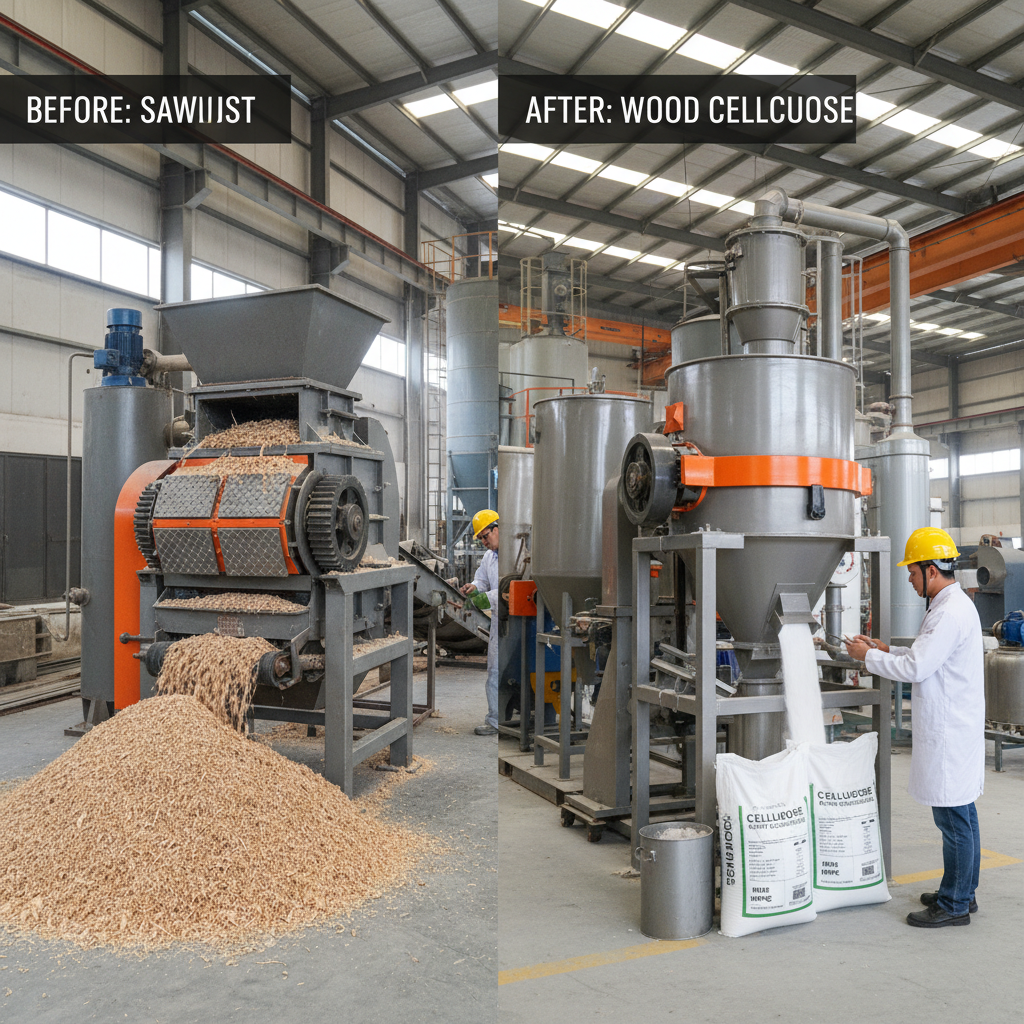
What is Sawdust?
Sawdust is the fine, powdery residue produced when sawing or sanding wood. It's a heterogeneous mixture containing wood fibers, resin, lignin, and other wood components. The composition of sawdust varies depending on the type of wood being processed. Generally, sawdust is considered a waste product, but it has numerous applications, including animal bedding, composting, and as a fuel source. However, due to its inconsistent composition and potential health hazards (irritation to respiratory system), its use is often limited to less demanding applications.
Key Highlights: A byproduct of wood processing, it's a heterogeneous mixture with varying compositions and is suitable for animal bedding, composting, and fuel source.
What is Wood Cellulose?
Wood cellulose, on the other hand, is a purified polysaccharide that constitutes the structural component of plant cell walls. It is extracted from wood pulp through chemical processes, resulting in a relatively pure form of cellulose. Unlike sawdust, wood cellulose is a homogenous material with consistent properties. It is widely used in the production of paper, textiles, cellophane, and as a raw material for various industrial applications, including pharmaceuticals, food additives, and composite materials. SSHBHPMC specializes in high-quality wood cellulose products; learn more on their website.
Wood Cellulose Benefits:
• High purity and consistent properties
• Versatile applications in various industries
• Renewable and biodegradable
• Excellent film-forming and thickening properties
Key Differences Between Sawdust and Wood Cellulose
The fundamental difference lies in the level of purification and composition. Sawdust is a raw, mixed byproduct, while wood cellulose is a refined, homogenous component. This difference impacts their suitability for various applications. Wood cellulose's consistent properties make it ideal for applications requiring precision and reliability, while sawdust is often suitable for less demanding uses. Here’s a comparative overview:
Industrial Applications of Wood Cellulose
Wood cellulose’s unique properties make it invaluable across several industries. In the pharmaceutical sector, it serves as a binder and excipient in tablets. The food industry utilizes it as a thickening agent and stabilizer. Furthermore, it is a crucial component in creating sustainable and high-performance composite materials for construction and automotive applications. SSHBHPMC offers a variety of wood cellulose grades tailored for specific industrial needs.

Sustainability and Environmental Impact
Both sawdust and wood cellulose are derived from a renewable resource, making them environmentally friendly alternatives to synthetic materials. However, wood cellulose generally has a lower environmental impact due to its efficient processing and broader range of applications that contribute to sustainable practices. Utilizing sawdust for energy generation can be beneficial, but managing its disposal responsibly is critical to avoid potential pollution. The sustainable sourcing and production of wood cellulose at SSHBHPMC further enhances its environmental profile.
Conclusion: Choosing the Right Material
Understanding the distinctions between sawdust and wood cellulose is crucial for selecting the optimal material for your specific application. Sawdust serves as a valuable resource for simpler tasks, while wood cellulose excels in demanding industrial processes requiring purity and consistency. Consider your requirements carefully and choose the material that aligns with your goals for performance, sustainability, and cost-effectiveness.
Frequently Asked Questions (FAQs)
Can sawdust be used as a direct replacement for wood cellulose in all applications?
No, sawdust cannot be a direct replacement for wood cellulose in most applications. Wood cellulose undergoes a purification process that removes lignin and other components, resulting in a material with consistent properties and high purity. Sawdust, being a heterogeneous mixture, lacks this consistency and may compromise the performance of products requiring precise material characteristics. While sawdust can be used in some applications like composting or as a filler, it is not suitable for applications demanding high purity, such as pharmaceuticals or high-quality paper production.
What are the health hazards associated with sawdust?
Sawdust can pose several health risks, particularly respiratory irritation. Inhaling sawdust can cause coughing, sneezing, and difficulty breathing. Prolonged exposure can lead to more severe respiratory problems, including bronchitis and asthma. Certain wood species contain compounds that are carcinogenic, increasing the risk of cancer with long-term exposure. It's essential to wear appropriate respiratory protection when handling sawdust and ensure adequate ventilation in work areas.
What types of wood are best for producing high-quality wood cellulose?
Softwood trees, such as pine and spruce, are commonly used for wood cellulose production due to their higher cellulose content and lower lignin content. However, hardwood trees, like birch and eucalyptus, can also be used. The choice of wood type depends on the desired properties of the cellulose and the specific application. SSHBHPMC utilizes carefully selected wood sources to ensure the consistent quality of its cellulose products.
Is wood cellulose biodegradable?
Yes, wood cellulose is naturally biodegradable. Being a polysaccharide derived from plants, it can be broken down by microorganisms in the environment. This makes it a more sustainable alternative to many synthetic polymers. The rate of biodegradation depends on factors such as temperature, humidity, and the presence of microorganisms.
-
Industrial Guide to ГПМЦ целлюлоза High Performance CelluloseNewsApr.16,2026
-
Wood Cellulose Properties and Industrial Applications GuideNewsApr.09,2026
-
Does Wood Contain Cellulose A Detailed Exploration of its Composition and UsesNewsApr.07,2026
-
Understanding Wood Cellulose Meaning Applications and Future TrendsNewsApr.04,2026
-
Exploring the Potential of Wood Cellulose is wood cellulose a Sustainable MaterialNewsMar.31,2026
-
Exploring the Sustainability and Versatility of Cellulose Wood ChipsNewsMar.28,2026
-
Understanding Wood Pulp Cellulose A Comprehensive Guide to Properties and ApplicationsNewsMar.26,2026