-

Add: HeBei ShengShi HongBang Cellulose Technology CO.,LTD.
-

Email
13180486930@163.com -

CONTACT US
+86 13180486930

Understanding Cellulose Wood Pulp Its Properties and Wide Ranging Applications
Is Cellulose Wood Pulp: A Comprehensive Guide
Cellulose wood pulp is a versatile material with a wide array of applications, from paper production to innovative textiles. But what exactly is cellulose wood pulp, and why is it becoming increasingly important in various industries? This article will delve into the details, exploring its production, properties, uses, and the sustainability considerations surrounding it. We'll cover the different types of wood pulp and their specific applications, highlighting the benefits of using this renewable resource. Discover how SSHBHPMC contributes to the supply of high-quality cellulose wood pulp globally.
What is Cellulose Wood Pulp?
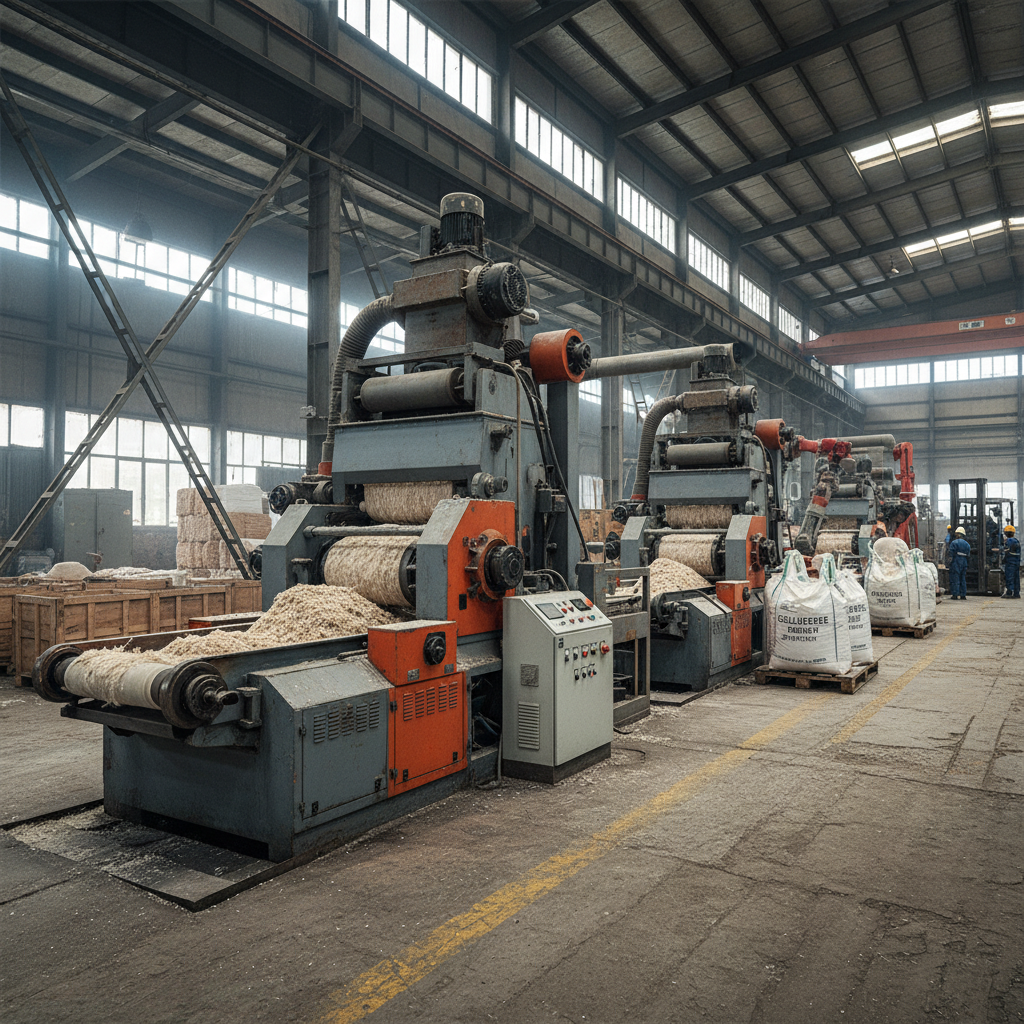
At its core, cellulose wood pulp is a fibrous material derived from wood. It's created by separating cellulose fibers from lignin and other wood components. Cellulose is the primary structural component of plant cell walls and provides strength and rigidity. The process aims to isolate these cellulose fibers in a pure and usable form. This isolated cellulose is then used in numerous industrial processes. Different wood species and pulping methods result in various types of cellulose wood pulp, each with its unique characteristics. SSHBHPMC specializes in providing diverse cellulose wood pulp options to meet varied industrial needs.
Key Highlights: Cellulose wood pulp is a fibrous material derived from wood, primarily composed of cellulose fibers separated from lignin. It's a renewable resource with diverse applications and is a foundational material in many industries.
The Two Main Types of Cellulose Wood Pulp
There are two primary categories of wood pulp: mechanical pulp and chemical pulp. Each is created through distinct processes, yielding different fiber characteristics and suitability for specific applications. Mechanical pulping retains most of the wood components, resulting in a lower-quality, less durable pulp ideal for newsprint and cardboard. Chemical pulping, on the other hand, dissolves lignin, creating a stronger, brighter, and more versatile pulp used in high-quality paper, textiles, and other products. The choice of pulp type directly impacts the final product's strength, brightness, and longevity.
Mechanical vs. Chemical Pulp:
• Mechanical Pulp: Lower quality, retains more wood components, used for newsprint.
• Chemical Pulp: Higher quality, removes lignin, used for paper, textiles, and more.
Applications of Cellulose Wood Pulp: A Diverse Range
Cellulose wood pulp finds its way into a remarkable number of products. Paper production remains the largest consumer, from writing paper and packaging materials to specialty papers. However, its uses are rapidly expanding. It’s now a key ingredient in textiles like rayon and lyocell, offering sustainable alternatives to synthetic fibers. Furthermore, it's used in the production of cellulose derivatives like cellulose acetate, used in films, plastics, and cigarette filters. The versatility of cellulose wood pulp makes it an essential material for countless industries.
Sustainability and Responsible Sourcing
Cellulose wood pulp, when sourced responsibly, is a sustainable alternative to many other materials. It's derived from a renewable resource – trees – and can be produced with minimal environmental impact when forests are managed sustainably. Look for pulp sourced from forests certified by organizations like the Forest Stewardship Council (FSC). These certifications ensure responsible forestry practices, including reforestation and biodiversity conservation. SSHBHPMC is committed to sourcing cellulose wood pulp from sustainable and certified forests.

Choosing the Right Cellulose Wood Pulp Supplier
Selecting a reliable supplier is crucial for ensuring consistent quality and sustainable sourcing. Consider factors like pulp type, purity, certifications, and the supplier's commitment to environmental responsibility. SSHBHPMC offers a wide range of cellulose wood pulp grades, backed by rigorous quality control and a dedication to sustainable practices. We provide tailored solutions to meet specific industry requirements, ensuring optimal performance and peace of mind.
Conclusion: A Sustainable and Versatile Resource
Cellulose wood pulp is a remarkably versatile and sustainable material with a broad spectrum of applications. From its foundational role in paper production to its growing presence in textiles and other innovative products, it continues to be an essential resource for industries worldwide. By prioritizing responsible sourcing and partnering with reputable suppliers like SSHBHPMC, we can ensure a sustainable future for this valuable material.
Frequently Asked Questions (FAQs)
What are the environmental benefits of using cellulose wood pulp?
Cellulose wood pulp is a renewable resource, meaning it can be replenished through sustainable forestry practices. When sourced responsibly, it offers a lower carbon footprint compared to many synthetic materials. Furthermore, the production process can be optimized to minimize water usage and waste generation. Choosing wood pulp from certified forests ensures biodiversity conservation and responsible land management. It’s a significant step towards a circular economy.
How is cellulose wood pulp different from recycled paper?
While both cellulose wood pulp and recycled paper contribute to sustainability, they are distinct materials. Cellulose wood pulp is derived from virgin wood fibers, offering high strength and brightness. Recycled paper utilizes fibers from previously used paper products. While recycling is crucial, each recycling process shortens the fibers, reducing their strength. Therefore, recycled paper often contains a proportion of virgin cellulose wood pulp to maintain quality.
Can cellulose wood pulp be used in biodegradable plastics?
Yes, cellulose wood pulp is a key component in the development of biodegradable plastics, such as cellulose acetate and cellophane. These materials offer a more environmentally friendly alternative to traditional petroleum-based plastics, as they can decompose naturally under specific conditions. However, it's important to note that biodegradation rates vary depending on the environment and the specific plastic formulation.
What is the role of SSHBHPMC in the cellulose wood pulp supply chain?
SSHBHPMC is a leading supplier of high-quality cellulose wood pulp, committed to responsible sourcing and sustainable practices. We offer a diverse range of pulp grades to meet the needs of various industries, ensuring consistent quality and reliable supply. We prioritize customer satisfaction and provide tailored solutions to optimize performance and minimize environmental impact.
-
Industrial Guide to ГПМЦ целлюлоза High Performance CelluloseNewsApr.16,2026
-
Wood Cellulose Properties and Industrial Applications GuideNewsApr.09,2026
-
Does Wood Contain Cellulose A Detailed Exploration of its Composition and UsesNewsApr.07,2026
-
Understanding Wood Cellulose Meaning Applications and Future TrendsNewsApr.04,2026
-
Exploring the Potential of Wood Cellulose is wood cellulose a Sustainable MaterialNewsMar.31,2026
-
Exploring the Sustainability and Versatility of Cellulose Wood ChipsNewsMar.28,2026
-
Understanding Wood Pulp Cellulose A Comprehensive Guide to Properties and ApplicationsNewsMar.26,2026