-

Add: HeBei ShengShi HongBang Cellulose Technology CO.,LTD.
-

Email
13180486930@163.com -

CONTACT US
+86 13180486930
Comprehensive Guide to Cellulose Lacquer for Wood and Its Applications
Cellulose Lacquer for Wood: A Comprehensive Guide
Cellulose lacquer for wood offers a durable and aesthetically pleasing finish, widely utilized in furniture making, musical instrument construction, and various other woodworking applications. This article provides an in-depth exploration of cellulose lacquer, covering its properties, application techniques, benefits, and considerations for optimal results. We will examine different types of cellulose lacquers, their suitability for various projects, and how to achieve professional-grade finishes. Explore the best options for your woodworking needs with SSHBHPMC's high-quality cellulose lacquers.
What is Cellulose Lacquer?
Cellulose lacquer is a solvent-based finish made from nitrocellulose, resins, plasticizers, and solvents. It's renowned for its fast drying time, ease of application, and ability to create a hard, durable surface. Originally developed as a durable finish for furniture, it remains a popular choice today due to its versatility and ability to enhance the natural beauty of wood. The composition of cellulose lacquer allows it to be easily sprayed, brushed, or wiped onto wood surfaces, creating a smooth and even coat.
Key Highlights: Fast drying, excellent clarity, good adhesion, and provides a durable, protective finish for wood.
Types of Cellulose Lacquer for Wood
There are several types of cellulose lacquer available, each with unique properties suited for different applications. The most common include:
- Clear Lacquer: Provides a transparent finish, showcasing the wood grain.
- Tinted Lacquer: Available in various colors, allowing for customization and color matching.
- Rubbing Lacquer: Designed for use with rubbing compounds to achieve a high-gloss finish.
- Pre-catalyzed Lacquer: Offers enhanced durability and chemical resistance.
Choosing the right type of lacquer depends on the project's specific requirements and the desired aesthetic outcome. SSHBHPMC offers a wide range of cellulose lacquer options to meet diverse needs.
Lacquer Type Benefits:
• Clear lacquer enhances the wood’s natural beauty.
• Tinted lacquer allows for customized color finishes.
• Rubbing lacquer achieves a high-gloss, polished look.
• Pre-catalyzed lacquer offers superior durability.
Cellulose Lacquer vs. Other Wood Finishes
When compared to other wood finishes like varnish, polyurethane, and shellac, cellulose lacquer presents distinct advantages and disadvantages. Here’s a quick comparison:
Application Techniques for Cellulose Lacquer
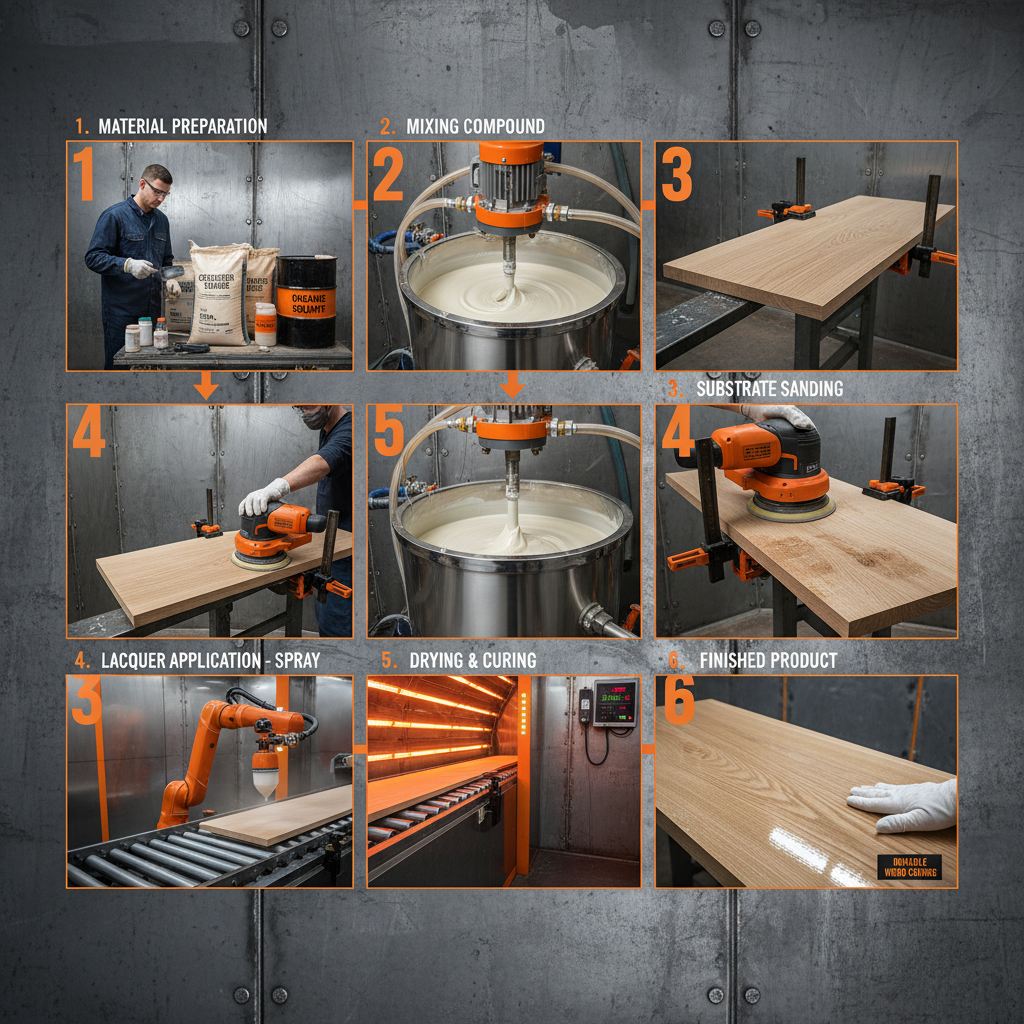
Successful application of cellulose lacquer requires careful preparation and technique. Key steps include:
- Surface Preparation: Ensure the wood surface is clean, dry, and free of imperfections. Sand the wood smoothly.
- Application: Apply thin, even coats using a spray gun, brush, or wiping cloth.
- Sanding: Lightly sand between coats to create a smooth surface.
- Finishing: Apply multiple coats for desired thickness and durability.
Proper ventilation is crucial when working with cellulose lacquer due to its solvent content. SSHBHPMC provides detailed application guidelines and safety information with its products.

Safety Precautions and Best Practices
Working with cellulose lacquer requires adherence to safety precautions. Ensure adequate ventilation to avoid inhaling solvent vapors. Wear appropriate personal protective equipment (PPE) such as respirators, gloves, and eye protection. Store lacquer in a cool, well-ventilated area away from heat sources and open flames. Dispose of used materials properly according to local regulations. Always consult the Safety Data Sheet (SDS) for specific handling instructions.
Conclusion: Achieving Professional Results with Cellulose Lacquer
Cellulose lacquer remains a versatile and effective wood finish, prized for its speed, clarity, and durability. By understanding the different types of lacquer, mastering application techniques, and prioritizing safety, you can achieve professional-quality results for your woodworking projects. Explore the comprehensive range of SSHBHPMC’s cellulose lacquers to find the perfect finish for your next creation.
Frequently Asked Questions (FAQs)
What is the drying time for cellulose lacquer?
Cellulose lacquer is known for its remarkably fast drying time. Typically, a coat of lacquer will be touch-dry within minutes, and fully cured within a few hours, depending on factors like temperature, humidity, and ventilation. This rapid drying time allows for quick project completion and minimizes downtime between coats. However, it’s important to allow adequate drying time before sanding or applying subsequent coats to prevent issues like bleeding or lifting.
How do I achieve a smooth finish with cellulose lacquer?
Achieving a smooth finish requires careful preparation and technique. Start by sanding the wood surface thoroughly with progressively finer grits of sandpaper. Apply thin, even coats of lacquer, avoiding runs or drips. Lightly sand between coats using fine-grit sandpaper (320-400 grit) to remove any imperfections. Apply multiple coats for desired thickness and smoothness. A final rubbing compound can be used to achieve a high-gloss finish.
What is the shelf life of cellulose lacquer?
The shelf life of cellulose lacquer typically ranges from 1 to 2 years, provided it is stored properly. It should be kept in a tightly sealed container in a cool, dry, and well-ventilated area, away from direct sunlight and heat sources. Over time, the lacquer may thicken or develop a skin on the surface. If this occurs, it can be carefully strained or thinned with lacquer thinner, but its overall performance may be compromised.
Is cellulose lacquer suitable for outdoor use?
While cellulose lacquer can be used for outdoor applications, it is generally not recommended for long-term exposure to the elements. It is susceptible to UV degradation and may not provide sufficient protection against moisture and temperature fluctuations. For outdoor projects, more durable finishes like polyurethane or spar varnish are typically preferred. If using lacquer outdoors, it should be regularly reapplied to maintain its protective properties.
-
Industrial Guide to ГПМЦ целлюлоза High Performance CelluloseNewsApr.16,2026
-
Wood Cellulose Properties and Industrial Applications GuideNewsApr.09,2026
-
Does Wood Contain Cellulose A Detailed Exploration of its Composition and UsesNewsApr.07,2026
-
Understanding Wood Cellulose Meaning Applications and Future TrendsNewsApr.04,2026
-
Exploring the Potential of Wood Cellulose is wood cellulose a Sustainable MaterialNewsMar.31,2026
-
Exploring the Sustainability and Versatility of Cellulose Wood ChipsNewsMar.28,2026
-
Understanding Wood Pulp Cellulose A Comprehensive Guide to Properties and ApplicationsNewsMar.26,2026