-

Add: HeBei ShengShi HongBang Cellulose Technology CO.,LTD.
-

Email
13180486930@163.com -

CONTACT US
+86 13180486930
Exploring the Benefits of Wood Cellulose Insulation for Sustainable Homes
Wood Cellulose Insulation: A Comprehensive Guide
In today's environmentally conscious world, choosing sustainable building materials is more important than ever. Wood cellulose insulation stands out as an eco-friendly and highly effective solution for enhancing your home's energy efficiency. This article provides a detailed exploration of wood cellulose insulation, covering its benefits, applications, installation process, and comparison with other insulation types. Understanding its properties will empower you to make informed decisions for a greener and more comfortable living space.
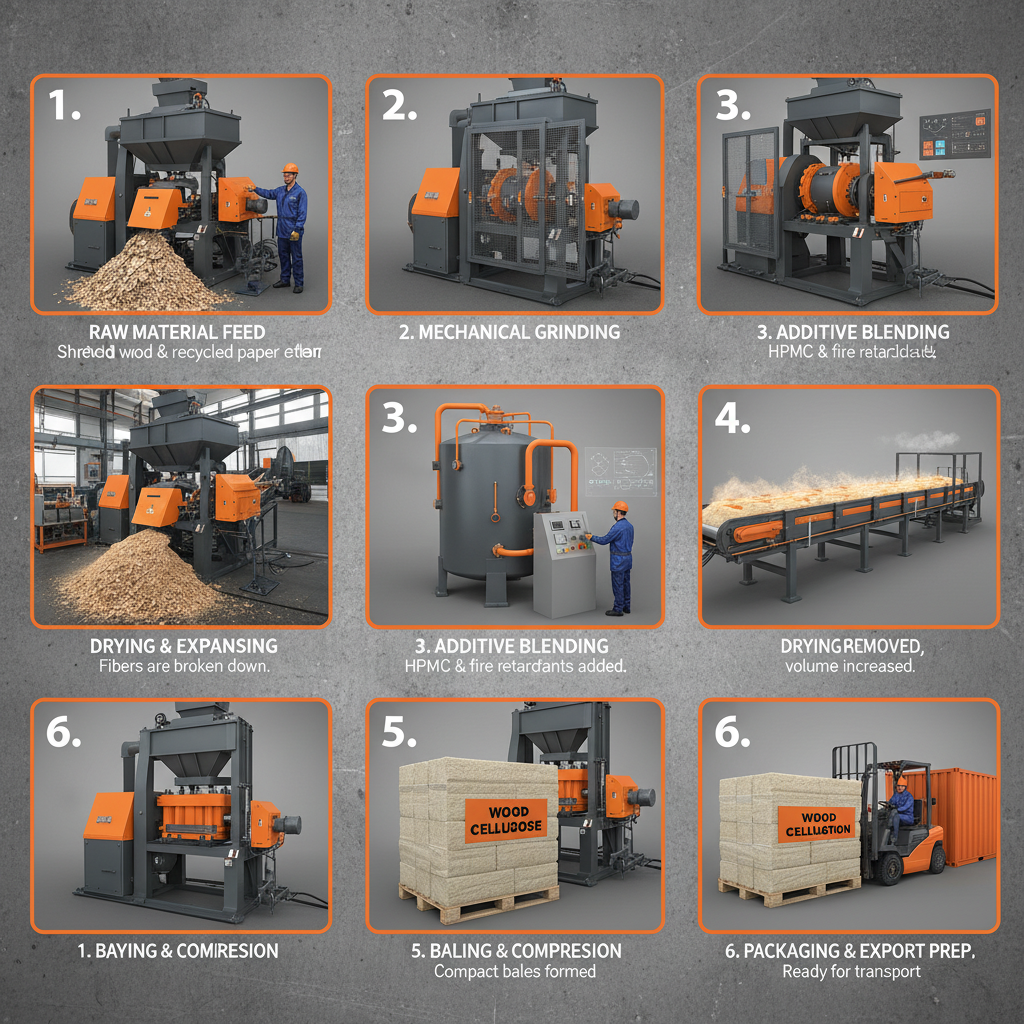
What is Wood Cellulose Insulation?
Wood cellulose insulation is a sustainable material made from recycled paper products, primarily newspaper. The paper is processed and treated with borates, which act as fire retardants and protect against mold and pests. This creates a fluffy, lightweight material that effectively fills cavities and provides excellent thermal and acoustic insulation. It’s a fantastic example of turning waste into a valuable building resource, promoting a circular economy. SSHBHPMC is a leading provider of high-quality wood cellulose insulation products.
Key Highlights: Made from recycled paper, treated with borates for fire resistance and pest control, and offers excellent thermal and acoustic performance.
Benefits of Using Wood Cellulose Insulation
Wood cellulose insulation offers a multitude of advantages. Its high R-value (resistance to heat flow) means it provides superior thermal performance, reducing energy consumption and lowering utility bills. The dense-pack application creates an airtight seal, minimizing air leakage and further enhancing energy efficiency. Beyond energy savings, it’s a sound-dampening material, reducing noise transmission between rooms and from outside. Its sustainable nature also makes it an environmentally responsible choice. The material also resists pests and mold growth due to the borate treatment.
Key Benefits:
• High R-value for superior thermal performance
• Reduces energy consumption and lowers utility bills
• Excellent sound-dampening qualities
• Sustainable and environmentally friendly
Wood Cellulose Insulation vs. Other Insulation Types
When comparing wood cellulose to other common insulation materials like fiberglass and spray foam, several key differences emerge. Fiberglass is often less expensive upfront but offers lower R-value per inch and doesn't seal air leaks as effectively. Spray foam provides excellent air sealing but is typically more costly and often made from petroleum-based products. Wood cellulose strikes a balance between performance, cost, and environmental impact. It’s also a healthier option, as it doesn’t off-gas harmful chemicals like some spray foams.
Installation of Wood Cellulose Insulation
Wood cellulose insulation can be installed in two primary ways: dry-blown and dense-pack. Dry-blown is suitable for attics, where the material is blown into place, filling the space loosely. Dense-pack is used in walls and other enclosed cavities, where the material is compressed to create a higher density and better air sealing. Professional installation is recommended to ensure proper density and coverage, maximizing the insulation's effectiveness. SSHBHPMC offers professional installation services alongside its product line.
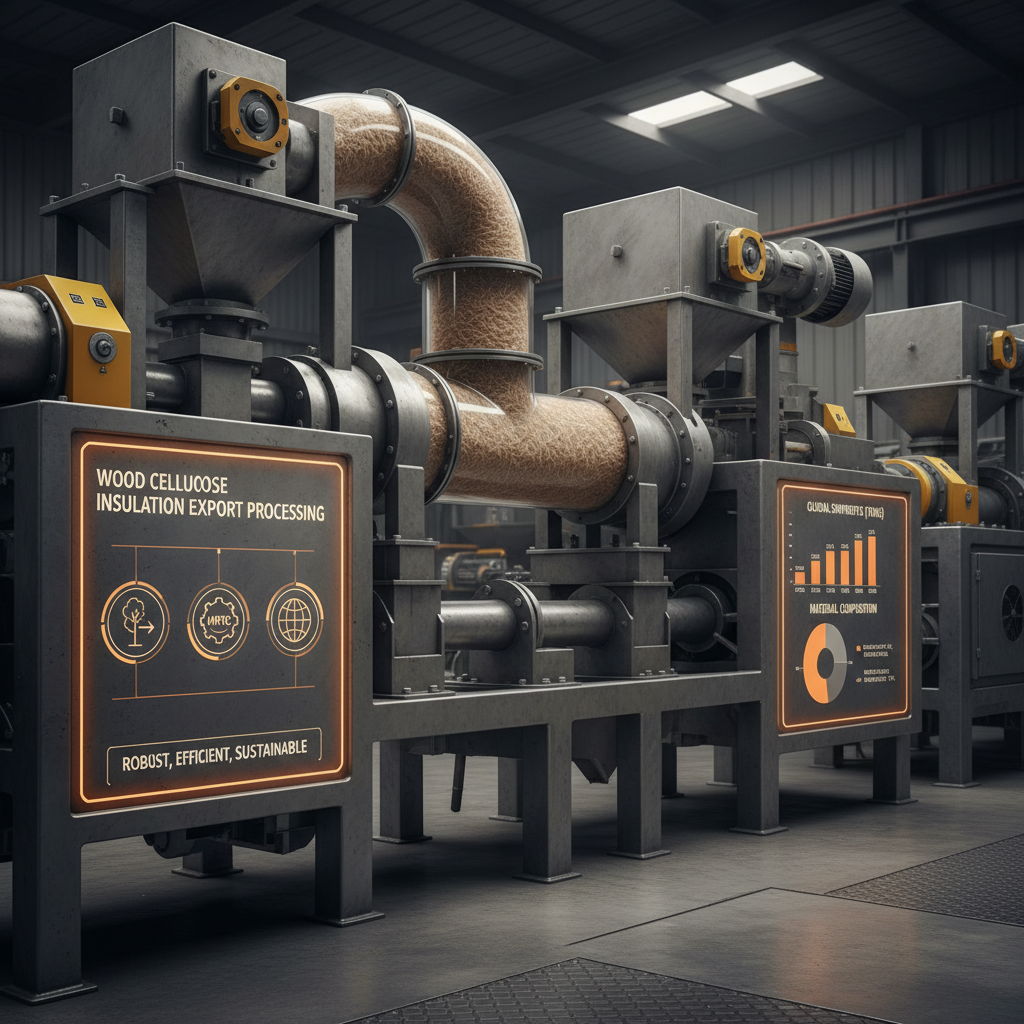
Applications of Wood Cellulose Insulation
Wood cellulose insulation is highly versatile and can be used in a variety of applications, including attics, walls, floors, and crawl spaces. It’s suitable for both new construction and retrofit projects. The material’s ability to conform to irregular spaces makes it particularly effective in older homes with unique architectural features. Its effectiveness isn’t limited to homes either; it can also be used in commercial buildings and agricultural structures.
Conclusion: Choosing a Sustainable and Effective Insulation Solution
Choosing wood cellulose insulation is a smart investment for your home and the environment. Its superior thermal performance, sound-dampening qualities, sustainable nature, and cost-effectiveness make it a compelling alternative to traditional insulation materials. Consider wood cellulose insulation for your next project – you’ll be contributing to a greener future while enjoying a more comfortable and energy-efficient home.
Frequently Asked Questions (FAQs)
Is wood cellulose insulation fire resistant?
Yes, wood cellulose insulation is treated with borates, which act as effective fire retardants. This treatment significantly reduces the material’s flammability and prevents it from readily igniting or spreading flames. In fact, cellulose insulation often performs better in fire tests than some other common insulation types. The borate treatment doesn’t make it completely fireproof, but it provides a crucial level of protection.
Does wood cellulose insulation attract pests?
Due to the borate treatment, wood cellulose insulation is generally resistant to pests, including insects and rodents. Borates are a natural deterrent to many common pests. However, it's still important to maintain proper building maintenance and address any potential entry points for pests. A properly installed and maintained cellulose insulation system should not pose a pest problem.
How does dense-pack cellulose differ from blown-in cellulose?
Both dense-pack and blown-in cellulose are applied using a blowing machine, but they differ in density and application. Blown-in cellulose is typically used in attics where a looser fill is acceptable. Dense-pack cellulose is blown into cavities at a higher density, creating a tight fit that minimizes air leakage and provides better thermal performance. Dense-pack is ideal for walls and other enclosed spaces where air sealing is critical.
Is wood cellulose insulation moisture resistant?
While not waterproof, wood cellulose insulation has some moisture resistance due to the borate treatment, which helps prevent mold and mildew growth. However, it’s important to address any existing moisture issues before installing cellulose insulation. Proper ventilation and moisture control are crucial to maintain the insulation's performance and prevent potential problems.
-
Industrial Guide to ГПМЦ целлюлоза High Performance CelluloseNewsApr.16,2026
-
Wood Cellulose Properties and Industrial Applications GuideNewsApr.09,2026
-
Does Wood Contain Cellulose A Detailed Exploration of its Composition and UsesNewsApr.07,2026
-
Understanding Wood Cellulose Meaning Applications and Future TrendsNewsApr.04,2026
-
Exploring the Potential of Wood Cellulose is wood cellulose a Sustainable MaterialNewsMar.31,2026
-
Exploring the Sustainability and Versatility of Cellulose Wood ChipsNewsMar.28,2026
-
Understanding Wood Pulp Cellulose A Comprehensive Guide to Properties and ApplicationsNewsMar.26,2026