-

Add: HeBei ShengShi HongBang Cellulose Technology CO.,LTD.
-

Email
13180486930@163.com -

CONTACT US
+86 13180486930

Is Wood Pulp Cellulose the Key to a Sustainable Future for Materials
Is Wood Pulp Cellulose the Sustainable Material of the Future?
Wood pulp cellulose is gaining significant attention as a versatile and sustainable alternative to traditional materials. From packaging to textiles and even biomedical applications, its potential seems limitless. But what exactly is wood pulp cellulose, and why is it considered a champion of eco-friendly innovation? This article will explore its properties, production process, applications, and future outlook, providing a comprehensive overview for businesses and consumers alike seeking sustainable solutions. Understanding the benefits and challenges associated with wood pulp cellulose is critical in navigating a future focused on environmental responsibility.
Understanding Wood Pulp Cellulose: A Deep Dive
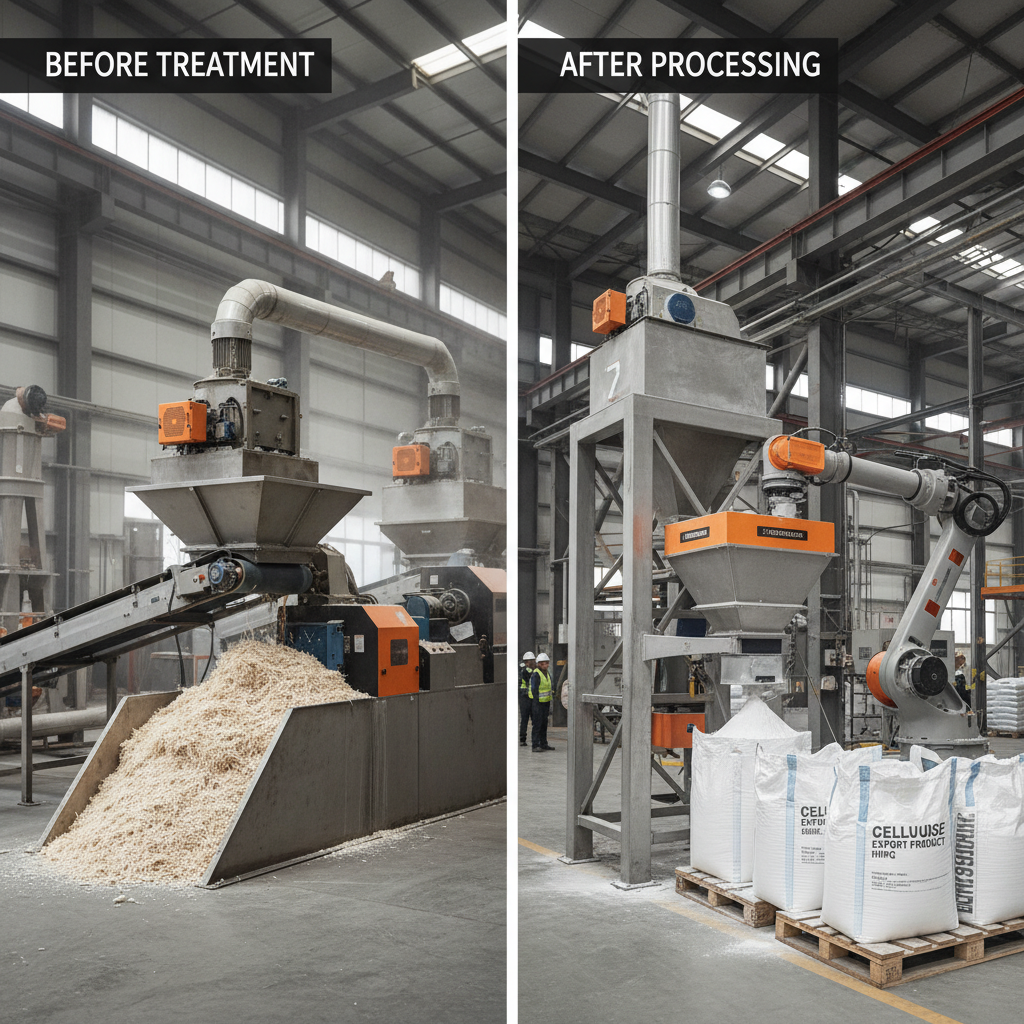
Wood pulp cellulose, in its simplest form, is a plant-based material derived from wood fibers. These fibers are separated during the pulping process, breaking down the wood into its constituent parts. The cellulose is then extracted and purified, resulting in a highly versatile material. It's essentially the structural component of plant cell walls, making it abundantly available and naturally renewable. Unlike petroleum-based plastics, cellulose is biodegradable and compostable, minimizing its environmental impact. SSHBHPMC specializes in the production of high-quality wood pulp cellulose, catering to a diverse range of industrial needs.
Key Characteristics: Renewable, Biodegradable, Compostable, Versatile, and Abundant.
The Production Process: From Tree to Versatile Material
The production of wood pulp cellulose typically involves several stages. First, trees are harvested from sustainably managed forests. These trees are then chipped and processed into pulp using either mechanical or chemical methods. Chemical pulping, such as the Kraft process, yields higher quality cellulose but involves the use of chemicals. Mechanical pulping is more environmentally friendly but results in lower purity. The resulting pulp is then bleached to achieve the desired whiteness and purity. Finally, the cellulose is dried and processed into various forms, like powders, fibers, or sheets, depending on the intended application. SSHBHPMC prioritizes sustainable forestry practices and responsible chemical management throughout its production process.
Production Steps:
• Tree Harvesting (Sustainable Sources)
• Pulping (Mechanical or Chemical)
• Bleaching (for purity and whiteness)
• Drying and Processing (into various forms)
Applications of Wood Pulp Cellulose: A Diverse Range
The applications of wood pulp cellulose are incredibly diverse. In the packaging industry, it's used to create biodegradable films and molded pulp packaging, replacing traditional plastics. In the textile industry, it’s transformed into cellulosic fibers like rayon and lyocell, providing sustainable alternatives to synthetic fabrics. Furthermore, it's utilized in the production of pharmaceuticals, cosmetics, food additives, and even construction materials. Its biocompatibility makes it suitable for biomedical applications like wound dressings and drug delivery systems. The versatility of SSHBHPMC's wood pulp cellulose makes it an ideal ingredient for countless innovative products.
Wood Pulp Cellulose vs. Petroleum-Based Plastics: A Comparative Analysis
Compared to traditional petroleum-based plastics, wood pulp cellulose offers significant environmental advantages. Plastics are derived from fossil fuels, contributing to greenhouse gas emissions and environmental pollution. They are also non-biodegradable, accumulating in landfills and oceans. Wood pulp cellulose, on the other hand, is renewable, biodegradable, and requires less energy to produce. While plastic often boasts lower production costs, the long-term environmental costs far outweigh the short-term economic benefits. Choosing wood pulp cellulose demonstrates a commitment to a circular economy and a sustainable future.

The Future of Wood Pulp Cellulose: Innovation and Sustainability
The future of wood pulp cellulose looks bright. Ongoing research is focused on improving production efficiency, exploring new applications, and enhancing its performance characteristics. Nanocellulose, a highly refined form of cellulose, is showing promise in advanced materials science, with potential applications in electronics, composites, and energy storage. As consumer demand for sustainable products grows, the adoption of wood pulp cellulose is expected to accelerate. By embracing this innovative material, industries can reduce their environmental footprint and contribute to a more sustainable future. SSHBHPMC is dedicated to driving innovation in wood pulp cellulose technology and providing customers with cutting-edge solutions.
Conclusion: A Sustainable Choice for a Better Tomorrow
Wood pulp cellulose stands out as a promising material for a sustainable future, offering a renewable, biodegradable, and versatile alternative to conventional materials. Its wide range of applications and ongoing innovations make it a key player in the transition towards a circular economy. By choosing wood pulp cellulose, businesses and consumers alike can contribute to a healthier planet and a more responsible future.
Frequently Asked Questions (FAQs)
Is wood pulp cellulose truly biodegradable?
Yes, wood pulp cellulose is inherently biodegradable under composting conditions. Microorganisms break down the cellulose fibers into natural components, returning them to the environment. The rate of biodegradation depends on factors like temperature, moisture, and the presence of microorganisms. However, it's important to note that coatings or additives applied to cellulose-based products might affect their biodegradability. At SSHBHPMC, we provide information on the biodegradability of our products, including any specific composting guidelines.
What are the sustainability concerns regarding wood pulp sourcing?
While wood pulp is renewable, responsible sourcing is crucial. Concerns include deforestation, habitat loss, and the use of harmful chemicals in pulping processes. Sustainable forestry practices, such as those certified by the Forest Stewardship Council (FSC), ensure that forests are managed responsibly, preserving biodiversity and protecting ecosystems. SSHBHPMC is committed to sourcing wood pulp from sustainably managed forests, prioritizing FSC-certified materials whenever possible.
How does the cost of wood pulp cellulose compare to plastic?
Currently, wood pulp cellulose can sometimes be more expensive than traditional plastic on a per-unit basis. However, this cost difference is decreasing as production scales up and technology improves. Furthermore, it’s important to consider the total cost, including the environmental costs associated with plastic production and disposal, which are often not reflected in the price. As demand for sustainable alternatives increases, wood pulp cellulose is becoming more cost-competitive.
Can wood pulp cellulose be recycled?
While wood pulp cellulose is primarily designed for biodegradability, it can often be recycled alongside paper products, depending on local recycling infrastructure and any coatings applied. However, the recycling process might degrade the fibers, limiting the number of times it can be recycled. Composting remains the most environmentally friendly end-of-life option for wood pulp cellulose products.
-
Industrial Guide to ГПМЦ целлюлоза High Performance CelluloseNewsApr.16,2026
-
Wood Cellulose Properties and Industrial Applications GuideNewsApr.09,2026
-
Does Wood Contain Cellulose A Detailed Exploration of its Composition and UsesNewsApr.07,2026
-
Understanding Wood Cellulose Meaning Applications and Future TrendsNewsApr.04,2026
-
Exploring the Potential of Wood Cellulose is wood cellulose a Sustainable MaterialNewsMar.31,2026
-
Exploring the Sustainability and Versatility of Cellulose Wood ChipsNewsMar.28,2026
-
Understanding Wood Pulp Cellulose A Comprehensive Guide to Properties and ApplicationsNewsMar.26,2026