-

Add: HeBei ShengShi HongBang Cellulose Technology CO.,LTD.
-

Email
13180486930@163.com -

CONTACT US
+86 13180486930

Industrial Guide to ГПМЦ целлюлоза High Performance Cellulose
Understanding ГПМЦ целлюлоза: The Essential Guide to High-Performance Cellulose
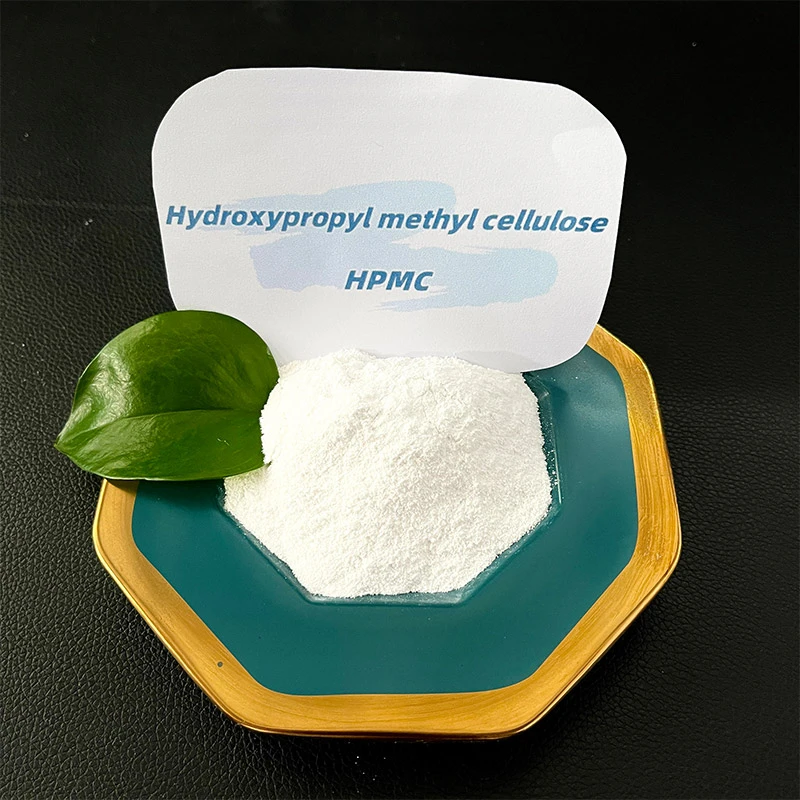
In the world of industrial additives and chemical engineering, ГПМЦ целлюлоза (Hydroxypropyl Methylcellulose) has emerged as a critical component for enhancing product stability and performance. Whether used in construction materials, pharmaceuticals, or personal care products, this versatile polymer provides essential thickening, binding, and water-retention properties. By optimizing the consistency of mixtures, it ensures that end-products are durable and efficient. In this comprehensive guide, we will explore the technical specifications, industrial applications, and the competitive advantages of using high-grade cellulose ethers in modern manufacturing.
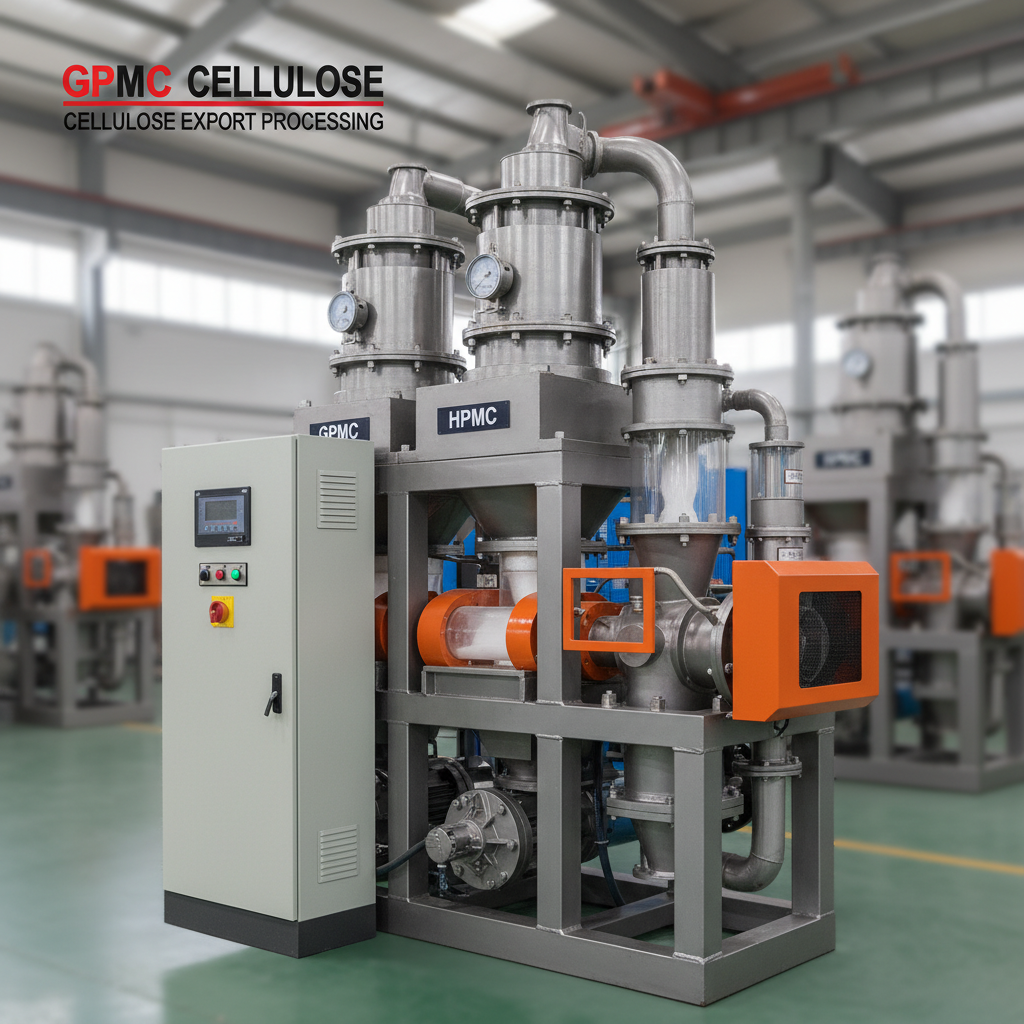
The Chemical Composition and Role of ГПМЦ целлюлоза
The core of ГПМЦ целлюлоза is a non-ionic cellulose ether derived from natural cellulose. Through a precise chemical process of etherification, hydroxypropyl and methyl groups are introduced, granting the material exceptional solubility in cold water and a unique ability to form stable gels. Its primary role is to act as a rheology modifier, meaning it controls the flow and viscosity of liquids. This is particularly important in construction, where it prevents the rapid evaporation of water from mortar and plaster, ensuring a slow and uniform curing process that prevents cracking and shrinkage.
Key Technical Benefit: Unlike traditional thickeners, HPMC provides superior thermal gelation properties, allowing the substance to transition from a liquid to a gel at specific temperatures, which is vital for pharmaceutical delivery systems.
Industrial Applications of Cellulose Ethers
The versatility of ГПМЦ целлюлоза allows it to serve multiple industries simultaneously. In the construction sector, it is indispensable for tile adhesives and wall putties, improving workability and adhesion strength. In the cosmetics industry, it serves as a stabilizer in lotions and shampoos, providing a smooth, non-greasy texture. Additionally, in the food industry, it is used as a thickener and emulsifier to improve the mouthfeel of processed foods. Its biocompatibility and non-toxicity make it a safe choice for consumer-facing products across the globe.
Comparing ГПМЦ целлюлоза with Other Cellulose Derivatives
When choosing between different types of cellulose ethers, such as HEC (Hydroxyethyl Cellulose) or CMC (Carboxymethyl Cellulose), engineers must consider the specific requirements of their formulation. ГПМЦ целлюлоза offers a unique balance of water retention and stability that often surpasses its counterparts in cement-based applications. While CMC is highly effective in food and detergent products, HPMC is the gold standard for construction because of its superior interaction with mineral surfaces and its ability to maintain open-time for applicators.
Technical Specifications of Premium ГПМЦ целлюлоза
Quality consistency is the most critical factor when sourcing ГПМЦ целлюлоза. The viscosity grade determines the final thickness of the product, while the ash content and moisture levels impact the purity and shelf life of the additive. High-purity cellulose ethers ensure that there are no clumps during mixing and that the resulting solution is crystal clear. To help procurement managers and chemists select the right grade, we have provided a standard specification table below.
How to Optimize the Usage of Cellulose Ethers
To achieve the best results with ГПМЦ целлюлоза, the mixing process must be handled with precision. Because HPMC can clump if added too quickly to water, it is recommended to use a high-shear mixer or to disperse the powder in a small amount of organic solvent before adding water. Temperature control is also vital; adding the powder to hot water can cause immediate gelation, which prevents proper dispersion. For the highest efficiency, the powder should be sifted into the water during constant agitation, ensuring a homogeneous and bubble-free solution.
Environmental Impact and Sustainability of Cellulose
As the global industry shifts toward "green chemistry," ГПМЦ целлюлоза stands out as an eco-friendly alternative to synthetic polymers. Being derived from cellulose—the most abundant organic polymer on Earth—it is inherently biodegradable. Its use in construction reduces the need for toxic additives while improving the energy efficiency of buildings by enhancing the quality of insulating plasters. By choosing bio-based cellulose ethers, manufacturers can reduce their carbon footprint without sacrificing the technical performance of their industrial products.
Conclusion: Elevating Quality with ГПМЦ целлюлоза
The integration of ГПМЦ целлюлоза into industrial formulations provides an unmatched combination of water retention, thickening power, and stability. From ensuring the structural integrity of modern skyscrapers to refining the texture of high-end cosmetics, this cellulose ether is a cornerstone of modern material science. By selecting the correct viscosity grade and following optimized mixing protocols, businesses can significantly enhance the value and durability of their products. Invest in high-purity cellulose solutions to stay competitive in an evolving global market.
Frequently Asked Questions (FAQs)
What is the difference between HPMC and HEMC?
HPMC (Hydroxypropyl Methylcellulose), often referred to as ГПМЦ целлюлоза, contains both methyl and hydroxypropyl groups. HEMC (Hydroxyethyl Methylcellulose) contains methyl and hydroxyethyl groups. While both are non-ionic and offer similar thickening properties, HPMC generally provides better water retention and a more stable gel network in construction materials. The choice depends on the specific temperature sensitivity and the desired "open time" of the application.
How does ГПМЦ целлюлоза improve mortar workability?
It works by forming a protective film around the water molecules, which slows down their absorption into the porous substrates (like bricks or concrete blocks). This process, known as water retention, prevents the mortar from drying out too quickly. As a result, the mortar remains "wet" and pliable for a longer period, allowing workers to spread and adjust the material easily, which ultimately leads to a stronger bond and a smoother finish without shrinkage cracks.
Is this cellulose additive safe for pharmaceutical use?
Yes, high-purity grades of ГПМЦ целлюлоза are widely used in the pharmaceutical industry. Because it is chemically inert and biocompatible, it is frequently used as a coating agent for tablets or as a binder in capsule shells. Its ability to form a gel at body temperature makes it an ideal candidate for controlled-release drug delivery systems, ensuring that medication is released slowly into the bloodstream over a set period.
How should I store ГПМЦ целлюлоза to ensure longevity?
To maintain the integrity of the cellulose powder, it should be stored in a cool, dry, and well-ventilated area. It is essential to keep the product away from moisture and humidity, as cellulose ethers are hygroscopic and can absorb water from the air, leading to clumping or degradation. We recommend keeping the original packaging sealed tightly and storing it on pallets to avoid direct contact with the floor. Under proper conditions, the shelf life typically extends for 24 months.
-
Wood Cellulose Properties and Industrial Applications GuideNewsApr.09,2026
-
Does Wood Contain Cellulose A Detailed Exploration of its Composition and UsesNewsApr.07,2026
-
Understanding Wood Cellulose Meaning Applications and Future TrendsNewsApr.04,2026
-
Exploring the Potential of Wood Cellulose is wood cellulose a Sustainable MaterialNewsMar.31,2026
-
Exploring the Sustainability and Versatility of Cellulose Wood ChipsNewsMar.28,2026
-
Understanding Wood Pulp Cellulose A Comprehensive Guide to Properties and ApplicationsNewsMar.26,2026
-
What is Wood Cellulose A Comprehensive Exploration of Properties and ApplicationsNewsMar.24,2026