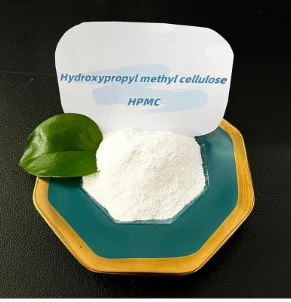
Understanding the fluctuations of methylcellulose price is critical for stakeholders in the chemical construction industry, as these additives dictate the performance of mortars, adhesives, and plasters. As a versatile thickener and water-retention agent, methylcellulose plays a pivotal role in enhancing the workability and stability of non-metallic mineral products, making its cost a primary driver in project budgeting and material formulation.
Globally, the market for cellulose ethers is influenced by raw material availability and the rapid urbanization of emerging economies. The volatility in methylcellulose price often reflects broader economic trends, including energy costs and shipping logistics, which can either accelerate or hinder the adoption of high-performance building materials in large-scale infrastructure projects.
By analyzing the core determinants of methylcellulose price, manufacturers and contractors can optimize their procurement strategies, ensuring that they maintain high quality standards without compromising their profit margins. This comprehensive guide explores the intersection of material science and market economics to provide a clear picture of the current landscape.
Global Market Dynamics of Methylcellulose Price
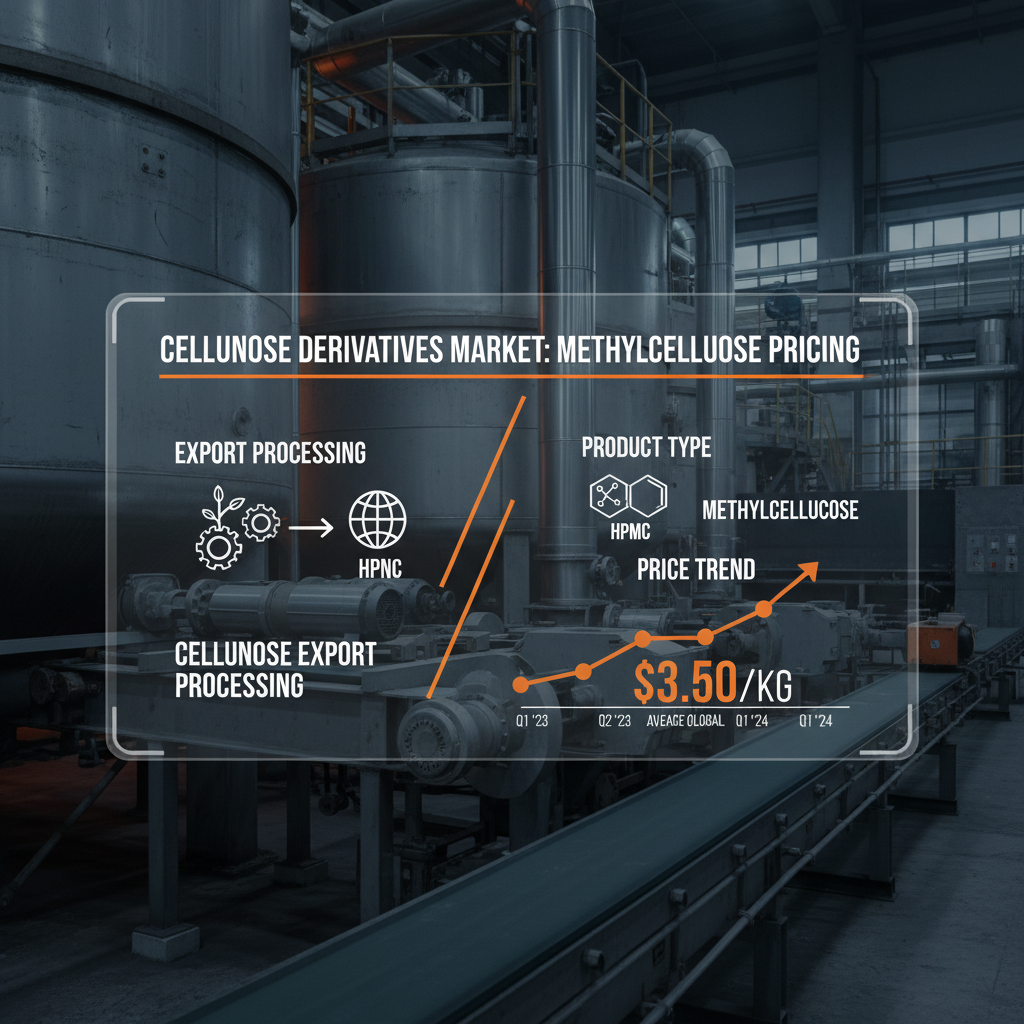
The global landscape of methylcellulose price is intricately linked to the supply chain of refined cellulose and the demand for specialized chemical additives. According to industry trends aligned with ISO standards for chemical purity, the shift toward sustainable building materials has increased the pressure on producers, leading to a more volatile pricing environment where purity levels and viscosity grades create tiered pricing structures.
Furthermore, geopolitical shifts and trade policies significantly impact how the methylcellulose price is communicated across borders. For instance, fluctuations in energy prices directly affect the etherification process, meaning that any surge in natural gas or electricity costs is almost immediately reflected in the wholesale cost of these essential chemical components.
Defining Methylcellulose Price in Construction
In simple terms, methylcellulose price refers to the market value of the chemical compound used primarily as a thickener, stabilizer, and water-retaining agent in construction materials. Unlike raw commodities, this price is determined by the degree of substitution and the molecular weight of the polymer, which defines how the product behaves in a wet-mix environment.
From an industrial perspective, the methylcellulose price is not just a number on an invoice but a reflection of the additive's ability to prevent shrinkage cracks and improve the adhesion of gypsum-based products. In the context of modern urban development, where rapid construction is the norm, the value of this material lies in its ability to reduce labor costs by extending the "open time" of mortars.
Moreover, the connection between the methylcellulose price and humanitarian needs becomes evident in the production of affordable housing. By optimizing the dosage of high-efficiency methylcellulose, developers can maintain structural integrity while keeping the overall cost of materials low, directly impacting the accessibility of safe shelter in developing regions.
Core Factors Influencing Methylcellulose Price
The first primary driver of methylcellulose price is the quality of the raw cellulose pulp. Sourcing high-alpha cellulose is essential for producing a consistent polymer; any impurity in the feedstock leads to higher processing costs and, consequently, a higher end-market price for the refined powder.
Secondly, the technological complexity of the etherification process plays a huge role in the methylcellulose price. Achieving a specific viscosity range requires precise temperature control and chemical catalysts, meaning that premium-grade products with high stability command a significantly higher price than generic variants.
Finally, scalability and logistics contribute to the overall methylcellulose price. Bulk procurement typically lowers the unit cost, but the specialized storage requirements to prevent moisture absorption mean that warehousing and climate-controlled shipping add a non-negligible premium to the final delivered cost.
Cost Efficiency and Performance Metrics
When evaluating methylcellulose price, professionals must look beyond the price per kilogram and focus on the cost-to-performance ratio. A higher-priced methylcellulose with superior water retention may actually reduce the total project cost by eliminating the need for rework caused by premature drying or cracking in gypsum retarder applications.
By integrating methylcellulose with other additives like Redispersible powder VAE or Polypropylene Fiber, the synergistic effect can actually lower the total additive budget while enhancing the mechanical properties of the final build. This strategic blending allows for a balanced approach to methylcellulose price management.
Analysis of Methylcellulose Price vs. Performance
Industrial Applications and Regional Pricing
The application of methylcellulose varies by region, which in turn affects the local methylcellulose price. In Southeast Asia, where humidity is high, there is a greater demand for high-viscosity grades to ensure water retention in cementitious renders, leading to a premium price for specialized "tropical grade" cellulose ethers.
Conversely, in North American industrial zones, the focus is often on automation and pre-mixed dry mortars. Here, the methylcellulose price is influenced by the scale of procurement and the requirement for extremely consistent batch-to-batch quality to prevent malfunctions in automated mixing plants.
Long-term Value and Sustainability Gains
Investing in high-quality methylcellulose, despite a potentially higher initial methylcellulose price, offers significant long-term value. The reduction in material waste—due to better workability and fewer application errors—translates into a lower carbon footprint for the construction project, aligning with global green building certifications.
Moreover, the reliability of the material fosters trust between the contractor and the client. When a wall finish is smooth and free of cracks, the perceived value of the construction exceeds the minor cost increase associated with a premium methylcellulose price, ensuring a higher return on investment through asset longevity.
From a sustainability angle, the transition toward bio-based cellulose sources is beginning to reshape the pricing model. While "green" methylcellulose may currently carry a price premium, the long-term social impact—reducing reliance on synthetic polymers—makes it a strategic choice for forward-thinking companies.
Future Trends and Price Innovations
The future of methylcellulose price will likely be shaped by the digital transformation of the chemical industry. AI-driven demand forecasting and automated synthesis will allow manufacturers to optimize production schedules, potentially stabilizing prices and reducing the impact of sudden raw material shortages.
Additionally, the development of "smart" cellulose ethers—materials that can respond to temperature or pH changes—will introduce new pricing tiers. These innovations will shift the conversation from a basic methylcellulose price to a "value-based pricing" model where the cost is tied to the specific functional benefit provided to the end-user.
As global policies tighten around VOC emissions and environmental toxicity, the industry will see a consolidation of suppliers. This may lead to a temporary increase in the methylcellulose price, but the resulting products will be safer, more efficient, and more compatible with the circular economy.
Comparative Analysis of Methylcellulose Price Across Different Product Grades
| Grade Type |
Viscosity Range |
Price Volatility |
Relative Cost Score |
| Industrial Standard |
Low to Medium |
Moderate |
4/10 |
| High Viscosity Premium |
High |
High |
8/10 |
| Modified HPMC Blend |
Customized |
Low |
6/10 |
| Eco-Friendly Grade |
Medium |
Moderate |
7/10 |
| Quick-Dissolve Grade |
Low |
Moderate |
5/10 |
| Ultra-Pure Pharma Grade |
Variable |
Very High |
10/10 |
FAQS
Variation in methylcellulose price usually stems from differences in purity, viscosity levels, and the quality of the raw cellulose pulp used. Some suppliers use high-grade refined cotton, while others use wood pulp, which affects the final stability and cost. Additionally, certifications (like ISO or organic standards) can add a premium to the price.
To forecast the methylcellulose price, keep a close eye on the cost of raw cellulose and energy prices (natural gas). Since the production process is energy-intensive, energy spikes usually lead to price increases. Monitoring global construction trends, particularly in Asia and the Middle East, also provides clues about upcoming demand surges.
Not necessarily, but often yes. A higher methylcellulose price typically reflects better consistency, higher purity, and more precise viscosity control. However, it's important to match the grade to your specific application; using a "premium" pharma-grade for a basic mortar is an unnecessary expense that doesn't provide additional structural value.
Bulk purchasing significantly reduces the unit methylcellulose price due to economies of scale in production and reduced packaging costs. However, buyers must balance this with the shelf-life of the product and the cost of climate-controlled storage to prevent clumping and degradation.
Yes, because methylcellulose is sensitive to moisture and temperature. Shipping via climate-controlled containers to ensure the product arrives in a free-flowing powder state increases the logistics cost, which is factored into the total methylcellulose price delivered to the site.
Depending on the application, HPMC (Hydroxypropyl Methyl Cellulose) or starch ethers can be used as alternatives. While they have different chemical properties, blending them can help mitigate the impact of a rising methylcellulose price while still maintaining acceptable water retention and thickening properties.
Conclusion
In summary, the methylcellulose price is a complex metric influenced by raw material quality, energy costs, and global construction demand. While it may seem like a simple line item in a budget, the strategic selection of the right grade—balancing cost with performance—is essential for ensuring the structural integrity and longevity of chemical construction materials.
Looking forward, the industry will likely shift toward more sustainable, bio-based production methods and AI-optimized pricing models. For companies looking to remain competitive, the key lies in establishing stable partnerships with reputable suppliers who can offer consistent quality and transparent pricing. To explore high-performance solutions and get the most accurate current quotes, visit our website: www.sshbhpmc.com.