Wecome to HeBei ShengShi HongBang Cellulose Technology CO.,LTD.

  • fff1
  • fff2
  • fff3
  • fff4
  • Group 205.webp1
HeBei ShengShi HongBang Cellulose Technology CO.,LTD.

High-Performance polypropylene fiber Solutions for New Zealand Construction

Engineering sustainable chemical building materials to withstand Oceania's unique seismic and climatic challenges.

High-Performance polypropylene fiber Solutions for New Zealand Construction

Providing advanced additive solutions including specialized retarders and recycled rubber modifiers to enhance the structural integrity of non-metallic mineral products across New Zealand.

Current State of Chemical Building Materials in New Zealand

Analyzing the intersection of sustainability and durability in the Oceania market.

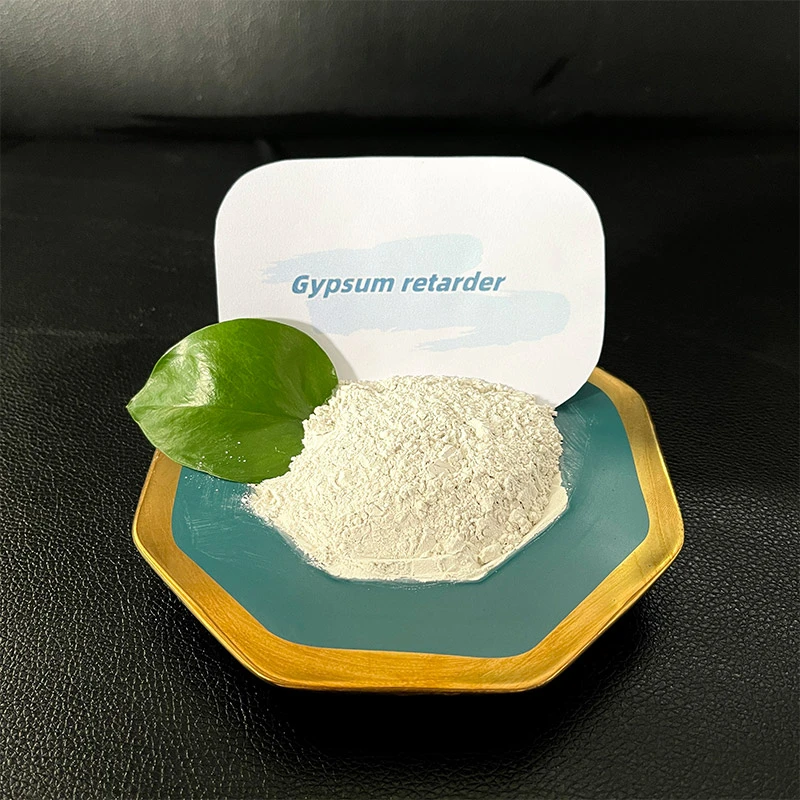
New Zealand's construction sector is currently undergoing a massive shift toward seismic resilience and carbon neutrality. The high humidity of the coastal regions and the volatility of Alpine climates demand chemical additives that prevent premature setting and cracking, making the precise application of gypsum retarder chemical essential for local plasterboard and mortar production.

Furthermore, the national commitment to "Zero Waste" has surged interest in circular economy materials. This has led to a significant increase in Rubber powder uses within asphalt modification and lightweight concrete, reducing the environmental footprint of infrastructure projects from Auckland to Christchurch.

Despite the progress, the industry faces challenges in sourcing consistent, high-purity additives. There is a growing demand for standardized materials, where the ability to request a Sample available rubber powder allows local engineers to verify elasticity and bonding properties before large-scale deployment.
Evolution and Technical Trajectory of NZ Chemical Additives

From traditional mineral fillers to high-tech synthetic reinforcement.

Market Development History

Between 1990 and 2010, the New Zealand market relied heavily on basic mineral additives and traditional reinforcement. The focus was primarily on bulk strength, with limited control over the hydration phases of gypsum-based products.

From 2011 to 2020, following the Canterbury earthquakes, there was a technical pivot toward ductility. The industry integrated specialized fibers and modified polymers, shifting the focus toward "flexible strength" to prevent catastrophic brittle failure in masonry.

Entering the 2020s, the integration of precision chemicals like Rubber powder-821 uses has allowed for the creation of acoustic dampening layers and impact-resistant flooring, merging industrial waste recovery with high-end architectural needs.

Future Development Trends

Nano-Scale Retardation Control

Expect a shift toward smart retarders that react to ambient humidity levels, ensuring consistent curing times across New Zealand's diverse micro-climates.

Hybrid Fiber Reinforcement

The combination of organic and synthetic fibers will optimize the tensile strength of non-metallic mineral products, reducing overall material volume without sacrificing safety.

Closed-Loop Material Recovery

Integration of AI-sorted recycled rubber will standardize the quality of modifiers, moving from "waste-fill" to "engineered additive" status.

Industry Trends and Future Outlook (2024-2029)

Predicting the next wave of innovation in non-metallic mineral manufacturing.

Eco-Polymer Integration
Rising demand for bio-based synthetic fibers to replace traditional minerals in lightweight panels.
Seismic Ductility Focus
Enhanced use of rubberized additives to create energy-absorbing building components.
Precision Curing Control
Migration toward automated dosing of chemical retarders to eliminate human error.
Circular Material Certification
Introduction of strict certification for recycled rubber powder quality.

Industry Outlook

Google search trends in Oceania indicate a 35% increase in queries related to "sustainable construction chemicals" and "carbon-neutral additives." This suggests that New Zealand manufacturers will prioritize materials that offer a low embodied carbon profile while maintaining structural safety.

The fusion of recycled rubber modifiers and high-tensile fibers will likely define the next generation of prefabricated building components, allowing for faster assembly and lower onsite waste in the New Zealand market.

Localized Application Scenarios in New Zealand

Practical deployments of chemical additives in diverse NZ environments.

01. Seismic-Resistant Wall Panels

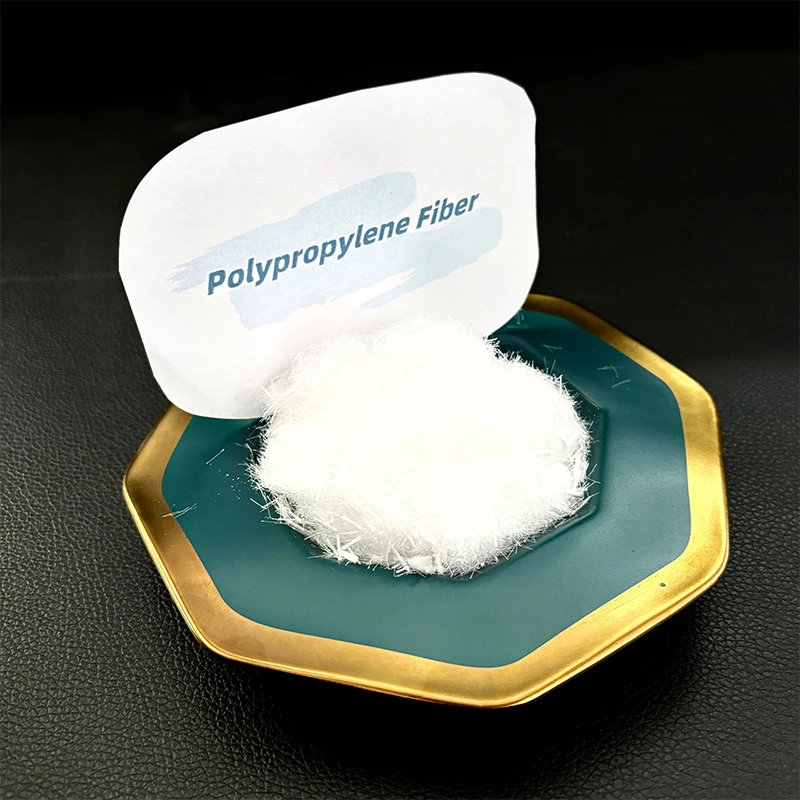
Utilizing polypropylene fiber in prefabricated gypsum boards to ensure panels do not shatter during tectonic movements in the Wellington region.

02. Acoustic Insulation for Urban Apartments

Integrating Rubber powder-821 uses into interior wall fillers to reduce noise transmission in high-density residential developments in Auckland.

03. High-Durability Coastal Pavements

Applying modified Rubber powder uses in asphalt mixes to prevent saltwater erosion and thermal cracking on coastal highways.

04. Precision Plastering in Variable Climates

Using gypsum retarder chemical to extend the open time of finishing plasters, allowing contractors to work effectively in the humid conditions of the North Island.

05. Sustainable Infrastructure Prototypes

Implementing a Sample available rubber powder trial for municipal eco-parks, creating permeable, rubberized pathways that minimize runoff.

Brand Story

Global Development Journey of Xinji Shengshi Hongbang Trade Co., Ltd.

Foundational Excellence

Established as a specialist in chemical building materials, we focused on solving the fundamental instability of mineral-based construction products.

Technical Innovation Phase

We pioneered the integration of recycled rubber powders into commercial construction, bridging the gap between waste management and structural engineering.

Global Expansion

Expanding our reach into the Oceania region, we adapted our formulations to meet the rigorous seismic and environmental standards of New Zealand.

Sustainable Leadership

By optimizing fiber and retarder chemistry, we helped our partners reduce carbon emissions while increasing the lifespan of chemical building materials.

Future Vision

Our mission is to lead the transition toward 100% circular building materials, ensuring a safer, greener built environment globally.

Comprehensive Chemical Material Portfolio for New Zealand

All-in-one additive solutions designed for the Oceania construction market.

Frequently Asked Questions - NZ Market

Technical guidance on chemical additives for non-metallic mineral products.

How does gypsum retarder chemical improve workability in humid climates?

It slows down the hydration process of the gypsum, preventing "flash set" during high-humidity days in New Zealand, allowing for smoother application and better finishing.

What are the primary Rubber powder uses in seismic-resistant concrete?

Rubber powder acts as a cushioning agent, increasing the energy absorption capacity of the concrete, which reduces the likelihood of brittle failure during seismic events.

Can Rubber powder-821 uses be applied to acoustic flooring?

Yes, the specific density of the 821 grade makes it ideal for absorbing low-frequency vibrations, providing superior soundproofing for urban residential projects.

How does polypropylene fiber prevent shrinkage cracks?

The fibers create a three-dimensional reinforcement network that redistributes internal stresses during the drying phase, effectively arresting micro-cracks before they expand.

Is there a Sample available rubber powder for laboratory testing?

Yes, we provide standardized sample kits to allow New Zealand engineers to verify the particle size and bonding efficiency within their specific mix designs.

Which additives are best for low-carbon building certifications in NZ?

Combining recycled rubber powders with high-efficiency fibers allows for a reduction in cement content, significantly lowering the embodied carbon of the final structure.

Ready to Optimize Your Construction Chemicals?

Contact our technical team for customized additive solutions tailored to the environmental demands of New Zealand.

Contact Us Now

If you are interested in our products, you can choose to leave your information here, and we will be in touch with you shortly.