-

Add: HeBei ShengShi HongBang Cellulose Technology CO.,LTD.
-

Email
13180486930@163.com -

CONTACT US
+86 13180486930


Add: HeBei ShengShi HongBang Cellulose Technology CO.,LTD.
CONTACT US
+86 13180486930mhec powder, or methyl hydroxyethyl cellulose, is a versatile water-soluble polymer gaining prominence across diverse industries. Its unique properties, including thickening, binding, film-forming, and suspension capabilities, make it an invaluable component in everything from construction materials to pharmaceuticals. Understanding mhec powder’s characteristics and applications is crucial for professionals seeking innovative and efficient solutions in their respective fields.
The global demand for mhec powder is steadily increasing, driven by growth in construction, paints and coatings, personal care, and pharmaceutical sectors. According to industry reports, the market is projected to reach substantial figures in the coming years, reflecting a growing recognition of its performance benefits. Addressing the challenges related to sustainable sourcing and optimized production processes is vital for continued market expansion.
mhec powder isn’t simply a chemical compound; it’s a facilitator of progress. It empowers the development of more durable building materials, more effective drug delivery systems, and more sustainable consumer products. This makes understanding its properties and potential applications essential for innovation and solving critical global challenges.
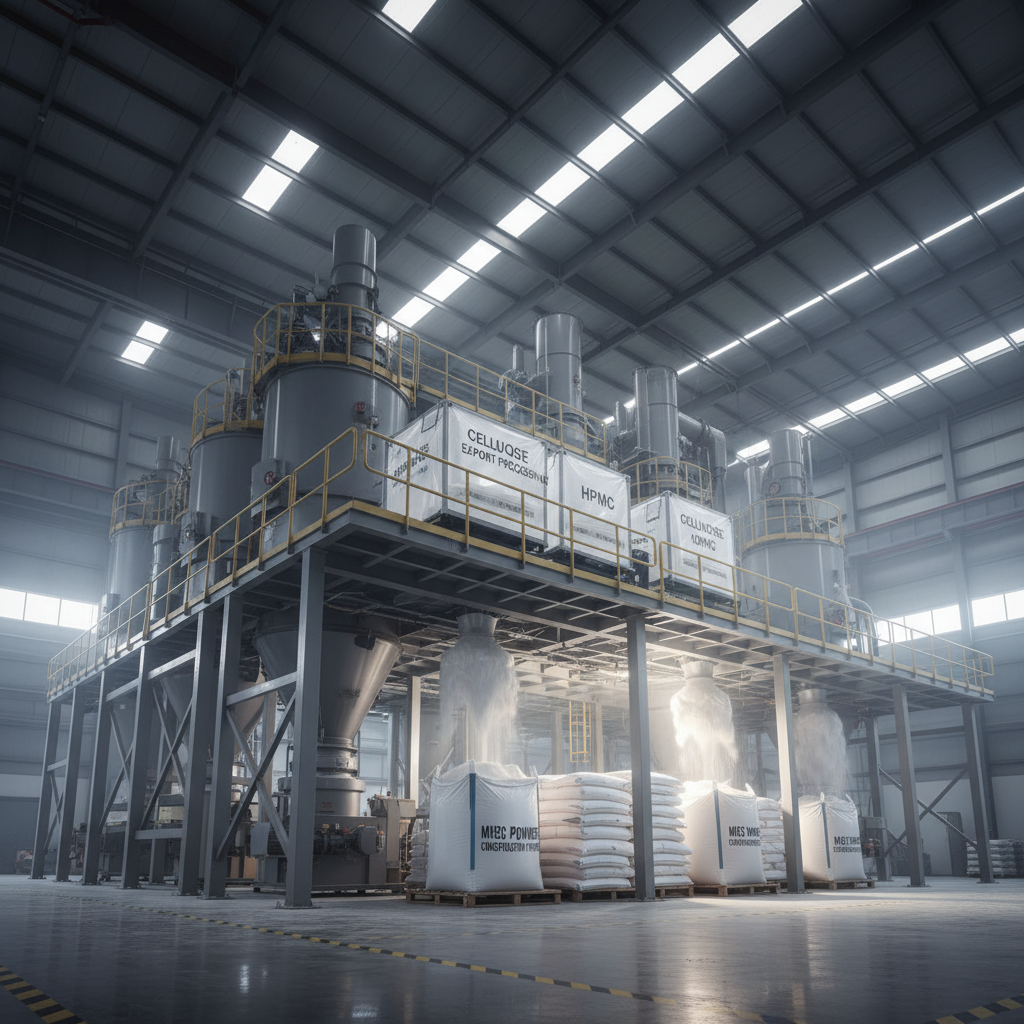
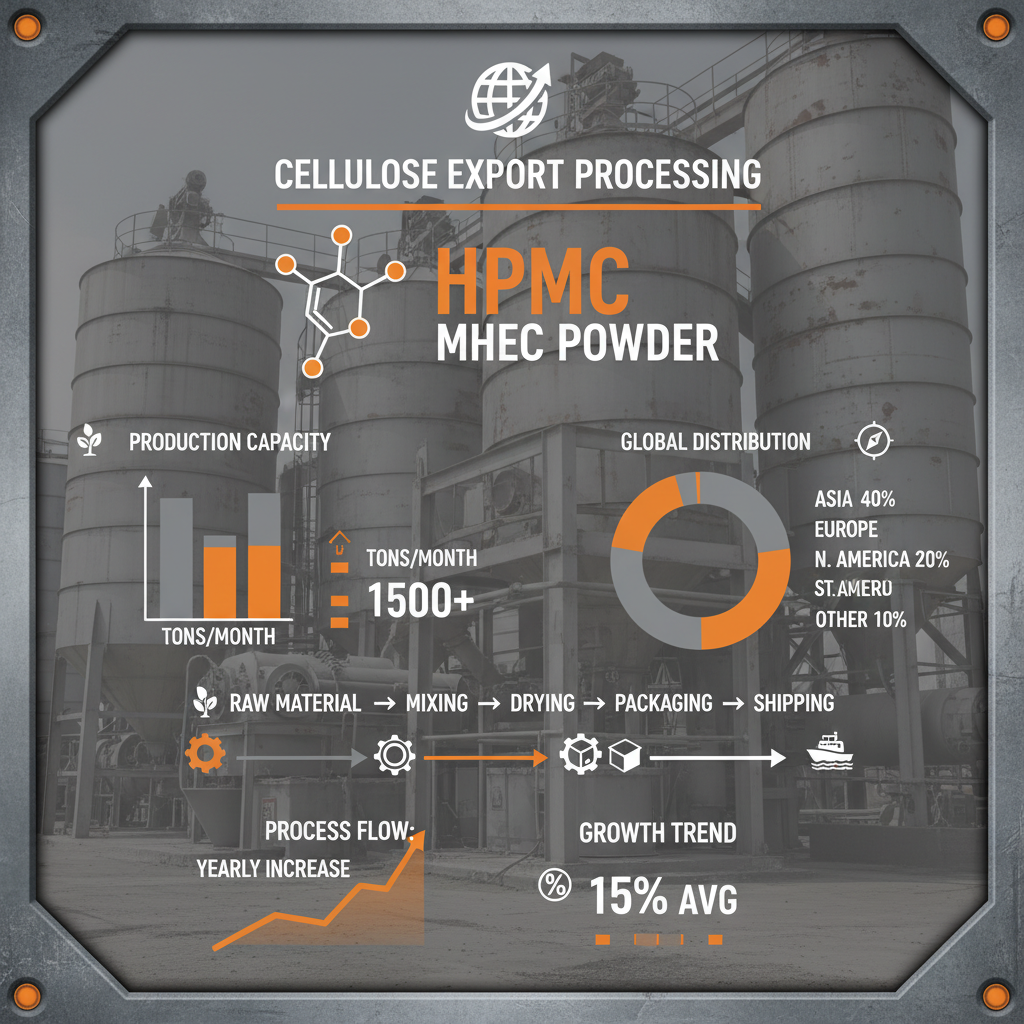
mhec powder is a non-ionic cellulose ether, derived from cellulose through chemical modification. Its primary function is to act as a thickener, water retainer, protective colloid, and film former in aqueous solutions. This makes it incredibly adaptable and useful in a vast range of applications.
The applications of mhec powder span across industries. In construction, it's used in cement-based products to improve workability, water retention, and adhesion. In the pharmaceutical industry, it serves as a binder and controlled-release agent in tablets. In the personal care sector, it's a common ingredient in shampoos, lotions, and toothpastes due to its thickening and stabilizing properties.
mhec powder significantly enhances the workability, water retention, and adhesion of cement-based materials. This results in reduced cracking, increased strength, and improved durability, ultimately leading to longer-lasting and more resilient construction projects. It also allows for optimized mixing and application, minimizing waste and labor costs. The controlled water release promotes proper hydration of the cement, ensuring optimal performance.
mhec powder enables the formulation of water-based paints, which have significantly lower VOC (Volatile Organic Compound) emissions compared to traditional solvent-based paints. This reduces air pollution and promotes a healthier environment. Furthermore, mhec powder is derived from a renewable resource – cellulose – and is biodegradable, making it a more sustainable alternative to synthetic polymers. It also improves paint longevity, reducing the frequency of repainting.
The dosage of mhec powder varies depending on the specific application and desired properties. In construction materials, it typically ranges from 0.2% to 1% by weight of cement. For paints and coatings, the dosage is usually between 0.5% and 2%. In personal care products, it’s often used at concentrations of 0.1% to 1%. It’s crucial to optimize the dosage through testing to achieve the desired performance characteristics.
mhec powder generally exhibits good compatibility with a wide range of additives commonly used in construction materials, such as redispersible polymer powders, air-entraining agents, and pigments. However, it’s always recommended to conduct compatibility tests to ensure there are no adverse interactions that could affect the performance of the final product. Careful consideration should be given to the pH and ionic strength of the formulation.
mhec powder should be stored in a cool, dry, and well-ventilated area, away from direct sunlight and moisture. Exposure to humidity can lead to clumping and reduced performance. It's recommended to keep the powder in its original sealed packaging. Proper storage helps maintain its flowability and ensures consistent results in applications. The shelf life is typically two years under optimal conditions.
Key considerations include the desired viscosity, solubility, and gelation temperature. The application’s pH and ionic strength also play a role. For high-shear applications, a lower viscosity grade may be preferred. For applications requiring excellent water retention, a higher viscosity grade is often more suitable. Understanding the specific performance requirements and conducting thorough testing are essential for optimal grade selection.
mhec powder stands as a remarkably versatile and valuable material across a wide spectrum of industries. Its unique combination of properties—thickening, water retention, film formation, and biocompatibility—make it indispensable in construction, pharmaceuticals, personal care, and beyond. By understanding its chemical composition, performance characteristics, and application nuances, professionals can harness its potential to develop innovative, efficient, and sustainable products.
Looking forward, continued research and development in mhec powder technology will unlock even greater possibilities. The focus on sustainable production methods, enhanced performance characteristics, and emerging applications like 3D printing will solidify its role as a critical component in shaping a more resilient and environmentally responsible future. Explore the potential of mhec powder for your applications today – visit our website: mhec powder.