Wecome to HeBei ShengShi HongBang Cellulose Technology CO.,LTD.

  • fff1
  • fff2
  • fff3
  • fff4
  • Group 205.webp1
HeBei ShengShi HongBang Cellulose Technology CO.,LTD.
0%

Table of Contents

Methocel k200m, a hydroxypropyl methylcellulose ether, plays a crucial role in diverse industrial applications, ranging from construction materials and pharmaceuticals to food production and personal care products. Its versatility stems from its unique properties – water solubility, thickening, binding, film-forming, and protective colloid capabilities. Understanding its characteristics and applications is paramount for innovation and efficiency across numerous sectors.

Globally, demand for cellulose ethers like methocel k200m is consistently rising, driven by population growth, urbanization, and the increasing need for specialized formulations in various industries. The UN projects a world population of nearly 10 billion by 2050, which will intensify the demand for sustainable and efficient materials. This growth necessitates a deep understanding of materials like methocel k200m to meet emerging challenges.

The increasing focus on sustainable and environmentally friendly materials is also propelling the adoption of methocel k200m. As industries strive to reduce their carbon footprint and comply with stringent regulations, this bio-based polymer offers a viable alternative to traditional, often petroleum-derived, additives.
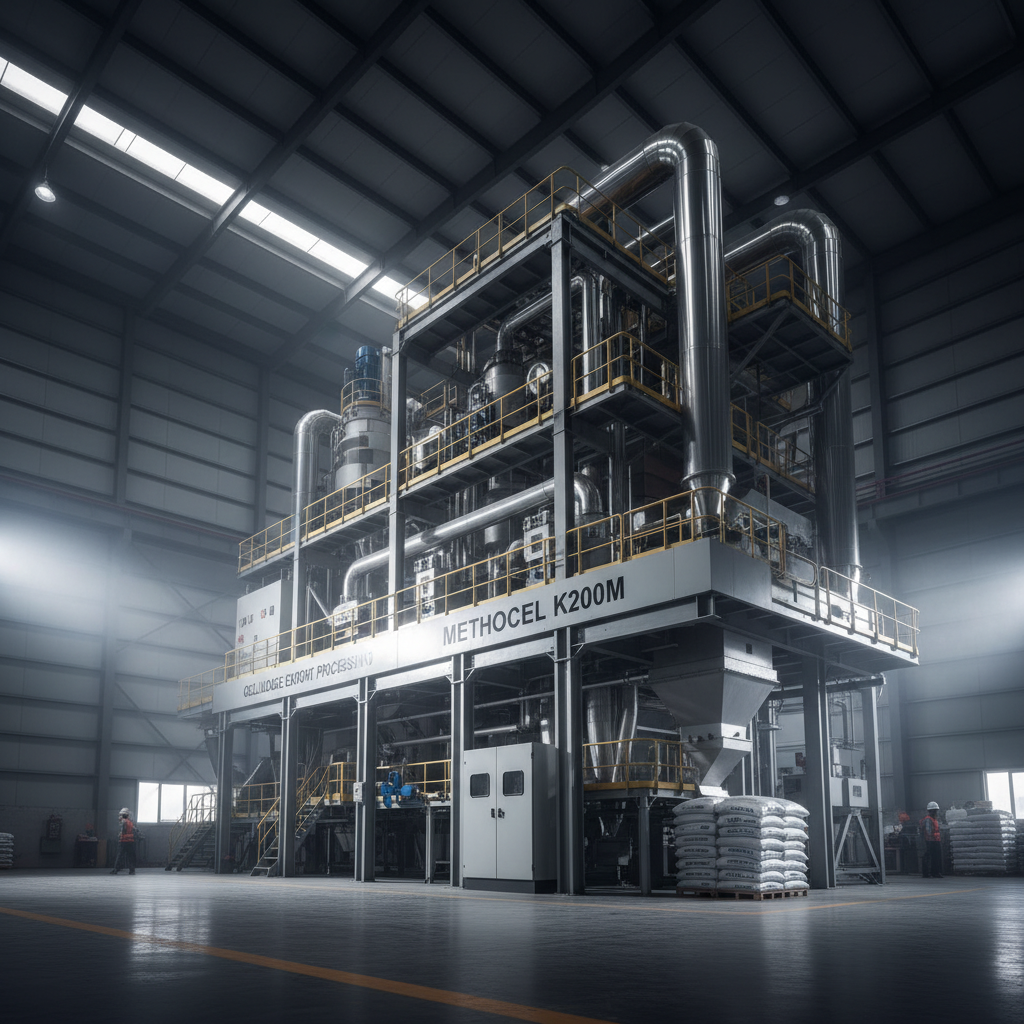
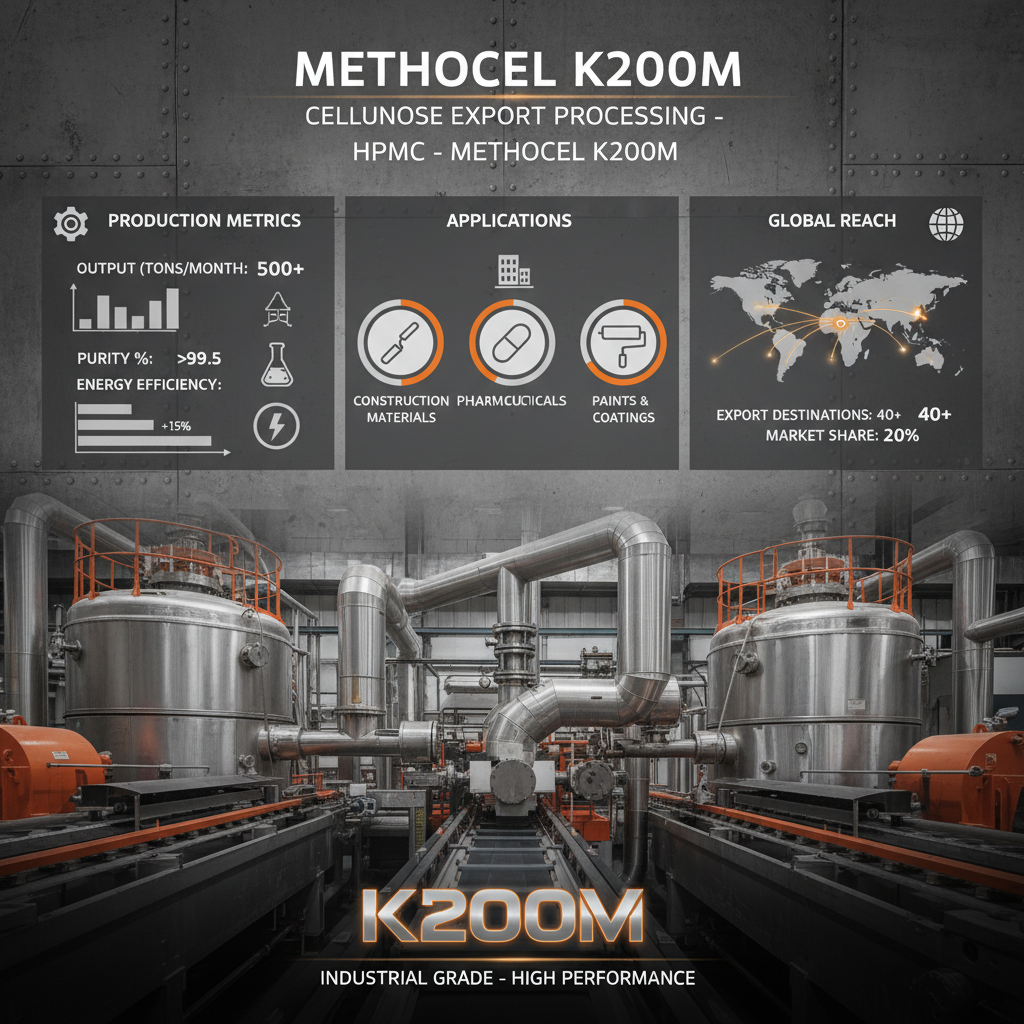
Exploring the Versatile Applications of Methocel k200m Across Diverse Industries

Introduction to methocel k200m

Exploring the Versatile Applications of Methocel k200m Across Diverse Industries

Methocel k200m is a non-ionic cellulose ether derived from cellulose, a naturally abundant polymer found in plants. It is specifically designed to provide thickening, water retention, and film-forming capabilities in a wide range of aqueous systems. This makes it a preferred ingredient in industries demanding precise control over rheological properties.

Its consistent performance and reliable characteristics contribute to the quality and stability of diverse products, from construction adhesives to pharmaceutical formulations. The 'k200m' designation refers to its specific viscosity range and degree of substitution, impacting its performance characteristics in specific applications.

Defining methocel k200m's Significance

Methocel k200m’s significance lies in its ability to act as a multifunctional additive, improving the performance and processability of numerous formulations. Unlike some synthetic polymers, it is derived from a renewable resource, offering a more sustainable alternative. This is increasingly important in a world focused on reducing reliance on fossil fuels.

Its compatibility with a wide variety of other ingredients and its non-toxicity further contribute to its broad appeal. This makes it ideal for use in products with direct human contact, such as pharmaceuticals and food products, where safety is paramount. The pharmaceutical industry utilizes it as a binder, film-coating agent, and controlled-release matrix.

The consistent quality and performance of methocel k200m, ensured by rigorous manufacturing standards, are vital for maintaining product consistency and regulatory compliance across industries. This reliability streamlines production processes and reduces the risk of formulation failures.

Key Properties of methocel k200m

One of the defining characteristics of methocel k200m is its excellent water solubility. This allows for easy incorporation into aqueous systems, forming clear, stable solutions. The degree of substitution controls the solubility and gelation characteristics.

The thickening ability of methocel k200m is crucial in various applications, such as paints, coatings, and adhesives. It increases viscosity, improving application properties and preventing settling of solids. This functionality directly translates to enhanced product performance and user experience.

Furthermore, methocel k200m exhibits excellent film-forming properties, creating a protective barrier with good flexibility and adhesion. This attribute is vital in applications like tablet coatings, where it controls drug release, and in construction materials, where it enhances durability.

Applications of methocel k200m Across Industries

The construction industry leverages methocel k200m in cement-based materials like tile adhesives, renders, and self-leveling compounds. It enhances workability, water retention, and adhesion, improving the performance and longevity of these materials.

In the pharmaceutical sector, it functions as a binder in tablet formulations, a film-coating agent for controlled-release medications, and a viscosity modifier in liquid preparations. Its biocompatibility and non-toxicity are crucial in these sensitive applications.

Methocel k200m Performance in Different Formulations


Global Impact and Use Cases

In post-disaster relief operations, methocel k200m is integrated into rapid-setting concrete and repair mortars, enabling quick reconstruction of essential infrastructure. Its ability to enhance adhesion and reduce cracking is critical in these demanding situations.

Across Europe, the demand for methocel k200m in sustainable building materials is steadily increasing, driven by stricter environmental regulations and a growing focus on energy efficiency. It contributes to improved thermal insulation and reduced carbon emissions in construction.

Advantages and Long-Term Value

The use of methocel k200m offers significant cost advantages due to its efficiency in improving formulation performance. Reduced material waste, faster processing times, and enhanced product durability contribute to lower overall production costs.

Its sustainability profile aligns with global initiatives to reduce environmental impact. Being derived from renewable cellulose, it offers a lower carbon footprint compared to many petroleum-based alternatives, fostering a sense of environmental responsibility.

The long-term reliability and consistent performance of methocel k200m build trust among manufacturers and consumers, enhancing brand reputation and fostering long-term customer loyalty. This reliability contributes to fewer product failures and increased customer satisfaction.

Future Trends and Innovation with methocel k200m

Ongoing research focuses on tailoring the properties of methocel k200m through chemical modifications to create specialized grades with enhanced performance characteristics. These efforts aim to expand its applications in emerging fields like 3D printing and biomedical engineering.

The integration of methocel k200m with bio-based additives and polymers is gaining momentum, driven by the desire for fully sustainable formulations. This synergy unlocks new possibilities for creating environmentally friendly products with superior performance.

The adoption of advanced analytical techniques and modeling tools is enabling more precise control over the manufacturing process of methocel k200m, leading to improved product consistency and reduced variability. This advancements allow the creation of formulations tailored to very specific industrial requirements.

Summary of Methocel k200m Application Challenges & Solutions

Application Area Challenge Solution Utilizing Methocel k200m Performance Improvement
Construction Mortars Sagging and poor workability Adding methocel k200m as a thickener and water retention agent Increased viscosity and improved adhesion
Pharmaceutical Tablets Low tablet hardness and friability Utilizing methocel k200m as a binder Enhanced tablet strength and reduced powdering
Paint and Coatings Poor leveling and brush marks Incorporating methocel k200m as a rheology modifier Improved flow properties and smoother finish
Food Processing Syneresis (water separation) in gels Using methocel k200m as a stabilizing agent Enhanced water binding and gel stability
Personal Care Products Lack of desired texture and feel Adding methocel k200m for thickening and texture control Improved product consistency and sensorial experience
Adhesive Formulations Insufficient open time and bond strength Employing methocel k200m as a rheology modifier and water retention agent Extended working time and increased adhesive strength

FAQS

What are the primary applications of methocel k200m in the construction industry?

Methocel k200m is extensively used in the construction industry as a key ingredient in cement-based materials like tile adhesives, renders, and self-leveling compounds. Its primary function is to enhance workability, improve water retention to prevent premature drying, and increase adhesion strength. These properties contribute to the durability, performance, and ease of application of construction materials, ensuring long-lasting and high-quality results.

How does methocel k200m contribute to the quality of pharmaceutical formulations?

In pharmaceutical formulations, methocel k200m serves multiple critical roles. It's commonly used as a binder to hold tablet ingredients together, a film-coating agent to control drug release rates, and a viscosity modifier in liquid preparations. Its biocompatibility and non-toxicity ensure patient safety, while its ability to control drug delivery enhances therapeutic efficacy. These properties make it invaluable in creating stable, effective, and safe pharmaceutical products.

Is methocel k200m an environmentally friendly alternative to synthetic polymers?

Yes, methocel k200m is considered a more environmentally friendly alternative to many synthetic polymers. It's derived from cellulose, a renewable resource found in plants, unlike synthetic polymers which are often derived from petroleum. This bio-based origin results in a lower carbon footprint and reduced reliance on fossil fuels. As such, it aligns with growing sustainability initiatives across various industries.

What factors influence the solubility and thickening properties of methocel k200m?

The solubility and thickening properties of methocel k200m are primarily influenced by its degree of substitution (DS) and molecular weight. Higher DS generally leads to increased water solubility, while the molecular weight impacts the viscosity and thickening efficiency. Temperature, pH, and the presence of salts can also affect its performance, making formulation adjustments crucial for optimal results.

How is the quality and consistency of methocel k200m ensured during manufacturing?

The quality and consistency of methocel k200m are ensured through rigorous manufacturing processes and stringent quality control measures. These include precise monitoring of reaction parameters, purification steps to remove impurities, and comprehensive testing of physical and chemical properties. Manufacturers adhere to international standards such as ISO certifications to guarantee consistent product performance and reliability.

What future innovations are expected in the field of methocel k200m technology?

Future innovations in methocel k200m technology are focused on tailoring its properties through chemical modifications to meet specific application requirements. Research is underway to create specialized grades for 3D printing, biomedical applications, and fully sustainable formulations using bio-based additives. Advancements in analytical techniques and modeling tools will also enable more precise control over the manufacturing process, leading to improved product quality and performance.

Conclusion

Methocel k200m stands as a versatile and essential polymer, offering a unique combination of properties that benefit a wide spectrum of industries. From enhancing the durability of construction materials and improving the efficacy of pharmaceuticals to promoting sustainability and offering cost-effective solutions, its impact is undeniable. Understanding its characteristics and applications is paramount for continued innovation and efficient product development.

Looking forward, continued research and development focused on tailoring methocel k200m’s properties and integrating it with other bio-based materials will unlock even greater potential. Embracing this innovative polymer allows industries to not only improve product performance but also contribute to a more sustainable and environmentally responsible future. Visit our website at www.sshbhpmc.com to learn more.

David Miller

David Miller

David Miller is the Senior Application Specialist at Hebei ShengShi HongBang Cellulose Technology. With over 15 years of experience in the construction chemicals industry, David focuses on bridging the gap between HPMC product development and real-world application. He holds a Bachelor’s degree in Civil Engineering and is a frequent contributor
Previous Exploring the Versatility and Applications of Methyl Hydroxyethyl Cellulose MHEC
Next Exploring the Versatile Applications of Methocel HPMC Across Global Industries