Methocel HPMC (Hydroxypropyl Methylcellulose) is a versatile, non-ionic cellulose ether widely utilized across a multitude of industries. Its significance stems from its ability to modify the properties of aqueous systems, acting as a thickener, binder, film-former, and protective colloid. Understanding methocel HPMC is crucial for advancements in pharmaceuticals, food, construction, and personal care, driving innovation and improved product performance.
Globally, the demand for cellulose ethers like methocel HPMC is consistently increasing, driven by growing populations, evolving consumer preferences, and stringent regulatory requirements. The construction industry’s need for improved building materials and the pharmaceutical sector’s focus on controlled-release formulations are key demand drivers. According to market research reports, the global cellulose ether market is projected to reach billions of dollars in the coming years, emphasizing the critical role of materials like methocel HPMC.
The increasing need for sustainable and bio-based materials further elevates the importance of methocel HPMC. Derived from natural cellulose, it offers a viable alternative to synthetic polymers in many applications, addressing environmental concerns and promoting a circular economy. Mastering the application of methocel HPMC is essential for developing cutting-edge solutions across diverse sectors.
Understanding Methocel HPMC: A Comprehensive Overview
Methocel HPMC is distinguished by its ability to provide exceptional control over viscosity, water retention, and film-forming characteristics. This makes it an invaluable ingredient in diverse formulations, impacting the final product's texture, stability, and performance. Its versatility allows for tailored solutions across different applications.
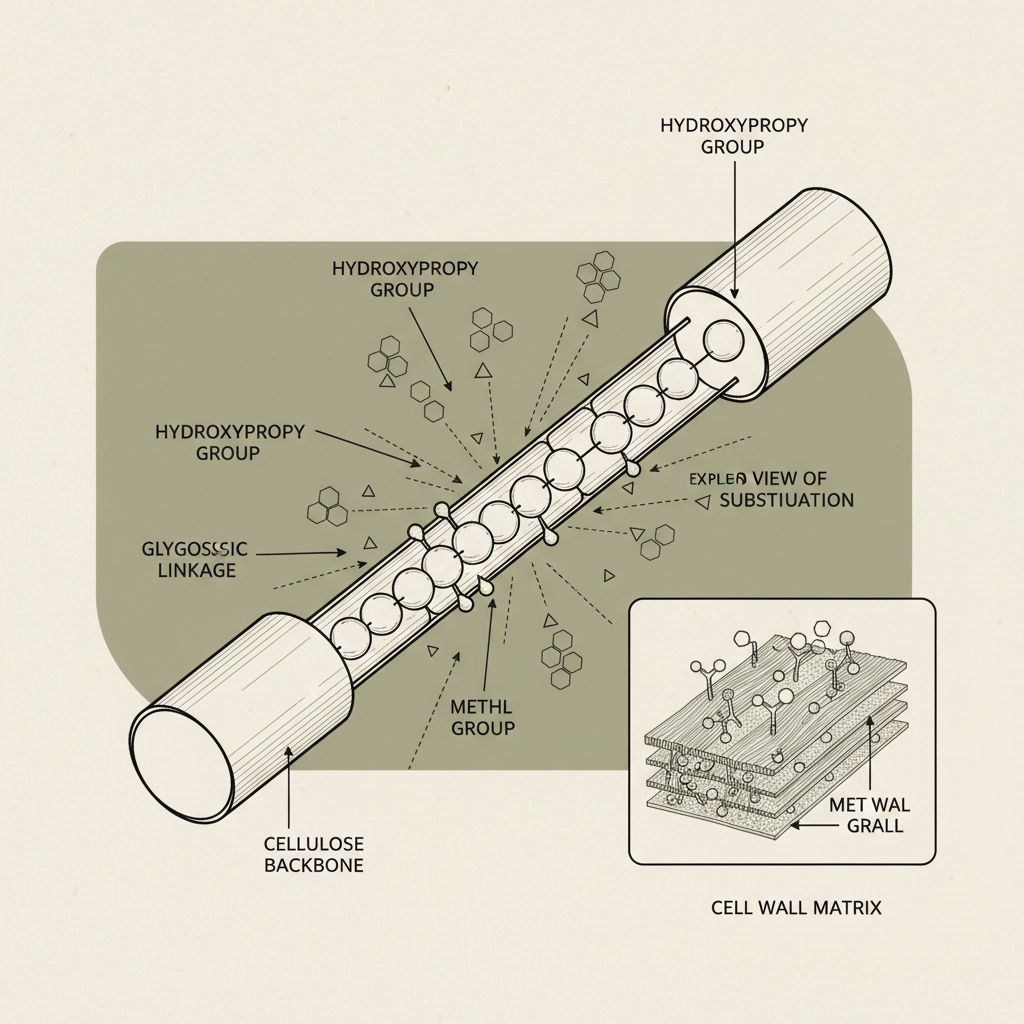
The molecular structure of methocel HPMC is key to its functionality. The varying degrees of methoxy and hydroxypropyl substitution impact its solubility, gelation temperature, and overall performance. Understanding these nuances is crucial for optimizing its use in specific applications, ensuring desired results and efficient production.
The Global Significance of Methocel HPMC
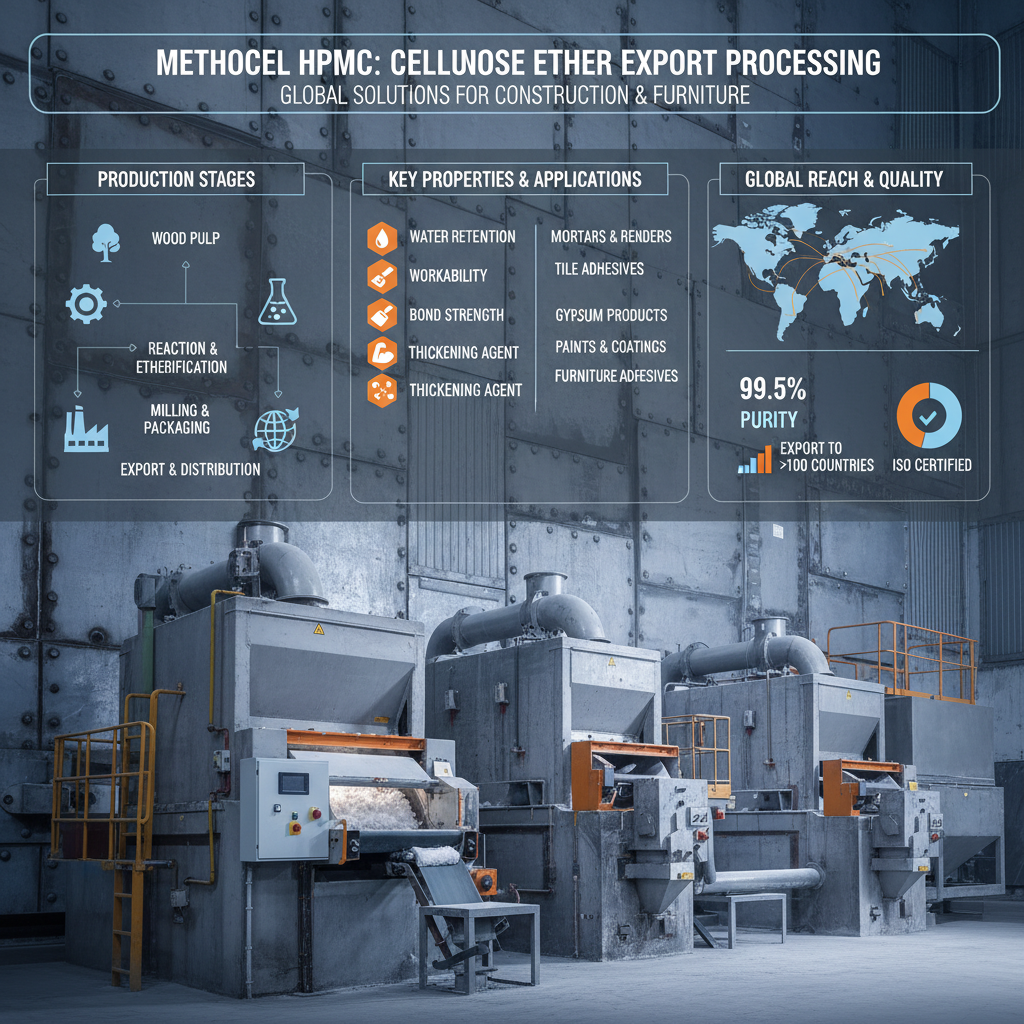
The global construction industry heavily relies on methocel HPMC as a key ingredient in cement-based materials, tile adhesives, and self-leveling compounds. It improves workability, adhesion, and water retention, contributing to the durability and quality of construction projects worldwide. Emerging economies with rapid infrastructure development demonstrate a particularly high demand.
In the pharmaceutical sector, methocel HPMC is extensively utilized in tablet coatings, controlled-release formulations, and ophthalmic solutions. Its biocompatibility and ability to modulate drug release profiles are critical for developing effective and safe medications. The aging global population and the increasing prevalence of chronic diseases drive continuous demand for advanced drug delivery systems incorporating methocel HPMC.
The food industry also benefits significantly from methocel HPMC, employing it as a thickener, stabilizer, and emulsifier in various products, including sauces, desserts, and bakery items. Its ability to enhance texture and shelf-life contributes to improved product quality and consumer satisfaction. Growing demand for processed and convenience foods further fuels its usage in this sector.
Defining Methocel HPMC and Its Industrial Relevance
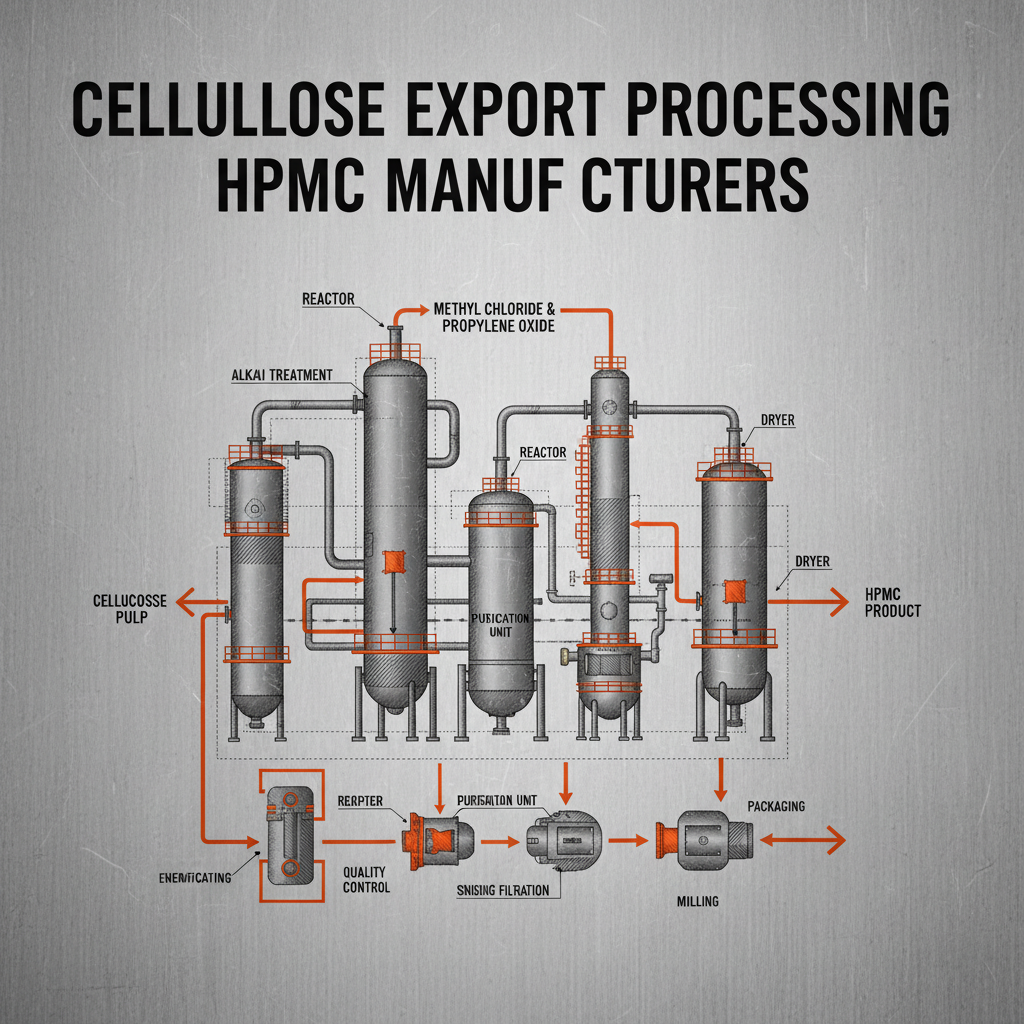
Methocel HPMC, chemically defined as hydroxypropyl methylcellulose, is a semi-synthetic polymer derived from cellulose, a natural component of plant cell walls. The modification process involves reacting cellulose with methyl chloride and propylene oxide, creating a water-soluble polymer with unique properties.
Its industrial relevance is exceptionally broad, stemming from its diverse functionality. It’s employed as a thickener in paints and coatings, improving application characteristics and film formation. In personal care products, like shampoos and lotions, it acts as a stabilizer and emulsifier, enhancing texture and consistency. The versatility of methocel HPMC makes it a staple ingredient across numerous manufacturing processes.
Compared to other cellulose ethers, methocel HPMC offers a unique balance of properties, including excellent thermal stability, low gelation temperature, and exceptional water retention. These characteristics make it particularly suitable for applications requiring precise control over viscosity and moisture content, setting it apart from alternative polymers.
Key Properties and Core Components of Methocel HPMC
One of the defining characteristics of methocel HPMC is its thermal gelation property. When heated, aqueous solutions of methocel HPMC undergo a reversible transition from a liquid to a gel, offering unique benefits in applications like controlled-release drug delivery. This property is directly linked to the polymer's molecular structure and concentration.
Another core component is its water retention capacity. Methocel HPMC efficiently binds water molecules, preventing premature drying and cracking in applications such as cementitious materials and adhesives. This is particularly critical in arid or hot climates where rapid evaporation can compromise product performance.
Methocel HPMC Performance Characteristics
Global Applications and Use Cases of Methocel HPMC
In post-disaster relief operations, methocel HPMC plays a crucial role in formulating emergency food supplies and stabilizing soil for temporary shelter construction. Its ability to quickly thicken liquids and improve binding properties makes it invaluable in challenging environments.
Within the pharmaceutical industry, particularly in developing nations, methocel HPMC is essential for producing affordable and effective oral medications, including tablets and syrups. It addresses challenges related to drug stability and bioavailability in regions with limited resources.
Advantages and Long-Term Value of Utilizing Methocel HPMC
The cost-effectiveness of methocel HPMC, coupled with its superior performance characteristics, presents a compelling economic advantage for manufacturers. It often reduces the overall material costs and improves process efficiency, leading to increased profitability.
From a sustainability perspective, methocel HPMC's derivation from renewable cellulose resources contributes to a reduced carbon footprint compared to synthetic alternatives. This aligns with growing consumer demand for eco-friendly products and supports environmentally responsible manufacturing practices.
The consistent reliability and predictable performance of methocel HPMC instill trust and confidence in end-users. Its established track record and rigorous quality control standards ensure consistent product quality and minimize the risk of failures, fostering long-term brand loyalty.
Future Trends and Innovations in Methocel HPMC Applications
Research is currently focused on developing novel methocel HPMC derivatives with enhanced functionalities, such as improved biocompatibility and targeted drug delivery capabilities. This will expand its applications in biomedical engineering and personalized medicine.
The integration of methocel HPMC into 3D printing technologies is gaining momentum, enabling the creation of customized formulations and complex structures for diverse applications, including tissue engineering and pharmaceutical manufacturing.
Driven by sustainability concerns, efforts are underway to optimize the production process of methocel HPMC, reducing waste and energy consumption. This involves exploring innovative extraction methods and utilizing renewable energy sources, aligning with circular economy principles.
Core Analysis of Methocel HPMC Production and Application
| Production Method |
Application Sector |
Sustainability Impact |
Performance Rating (1-10) |
| Alkaline Cellulose Method |
Pharmaceuticals |
Moderate |
8 |
| Organic Solvent Process |
Construction |
Low |
7 |
| Modified Alkaline Process |
Food Industry |
High |
9 |
| Enzyme-Assisted Production |
Personal Care |
Very High |
8 |
| Solvent-Free Method |
Adhesives |
Very High |
7 |
| Plasma Polymerization |
Biomedical Engineering |
Moderate |
9 |
FAQS
Different grades of methocel HPMC are categorized based on their viscosity, degree of substitution, and particle size. Viscosity dictates the thickening power, while the degree of substitution affects solubility and gelation temperature. Particle size influences dissolution rate. Selecting the appropriate grade depends heavily on the specific application requirements for optimal performance.
Temperature significantly influences methocel HPMC’s behavior. As temperature increases, viscosity generally decreases. However, methocel HPMC exhibits thermal gelation, meaning that at certain temperatures, its solutions transition from liquid to gel. Understanding this behavior is critical for applications where temperature control is essential, such as controlled-release drug delivery or food processing.
Methocel HPMC generally demonstrates good compatibility with a wide range of excipients and polymers commonly used in formulations. However, compatibility should always be verified through preliminary testing, particularly when combining it with ionic or highly charged substances. Potential interactions can affect viscosity, stability, or overall performance.
Methocel HPMC should be stored in a cool, dry place, protected from direct sunlight and moisture. Proper storage is crucial for preventing degradation and maintaining its functional properties. Containers should be tightly sealed to minimize exposure to humidity. Following these guidelines ensures a longer shelf life and consistent performance.
Yes, methocel HPMC is derived from cellulose, a plant-based material, making it suitable for vegan and vegetarian formulations. It is widely used as a substitute for animal-derived ingredients in various food, pharmaceutical, and cosmetic products, offering a plant-based alternative without compromising performance.
Methocel HPMC is generally considered safe for handling, but it's advisable to avoid inhaling the dust during handling. Using a dust mask and ensuring adequate ventilation is recommended. It’s also important to avoid eye contact and wash thoroughly with water if contact occurs. Always refer to the Safety Data Sheet (SDS) for detailed safety information.
Conclusion
Methocel HPMC stands as a remarkably versatile polymer, offering a compelling combination of functionality, cost-effectiveness, and sustainability. Its diverse applications span numerous industries, contributing to innovation and improved product performance worldwide. From pharmaceuticals and construction to food and personal care, its impact is undeniable, solidifying its position as a critical component in modern manufacturing.
Looking ahead, continued research and development promise to unlock even greater potential for methocel HPMC, particularly in areas like biomedical engineering and sustainable materials. By embracing these advancements and prioritizing responsible production practices, we can maximize the benefits of this exceptional material and address evolving global challenges.