-

Add: HeBei ShengShi HongBang Cellulose Technology CO.,LTD.
-

Email
13180486930@163.com -

CONTACT US
+86 13180486930
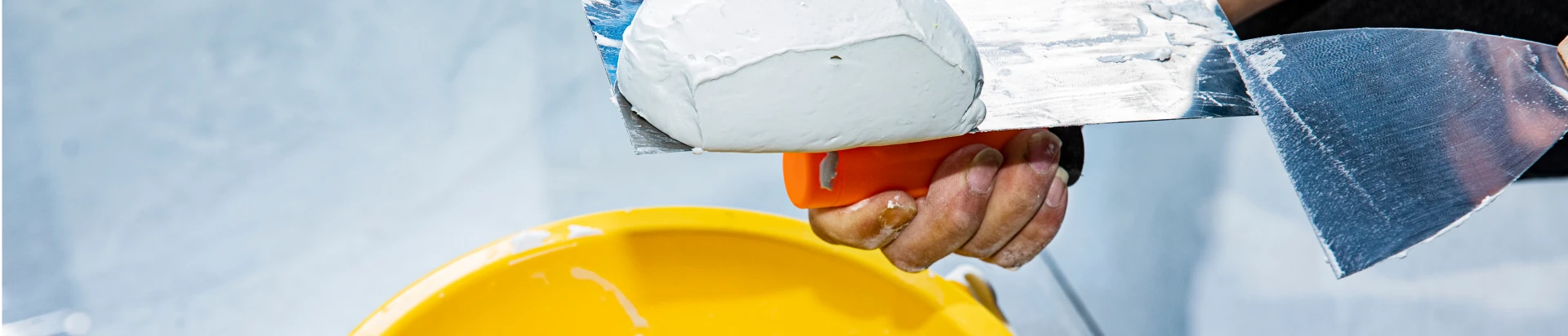
Starch Ether for Dry Mortar & Tile Adhesive – Workability
Real-World Notes on Starch Ether for Dry-Mix Mortars and Gypsum Systems
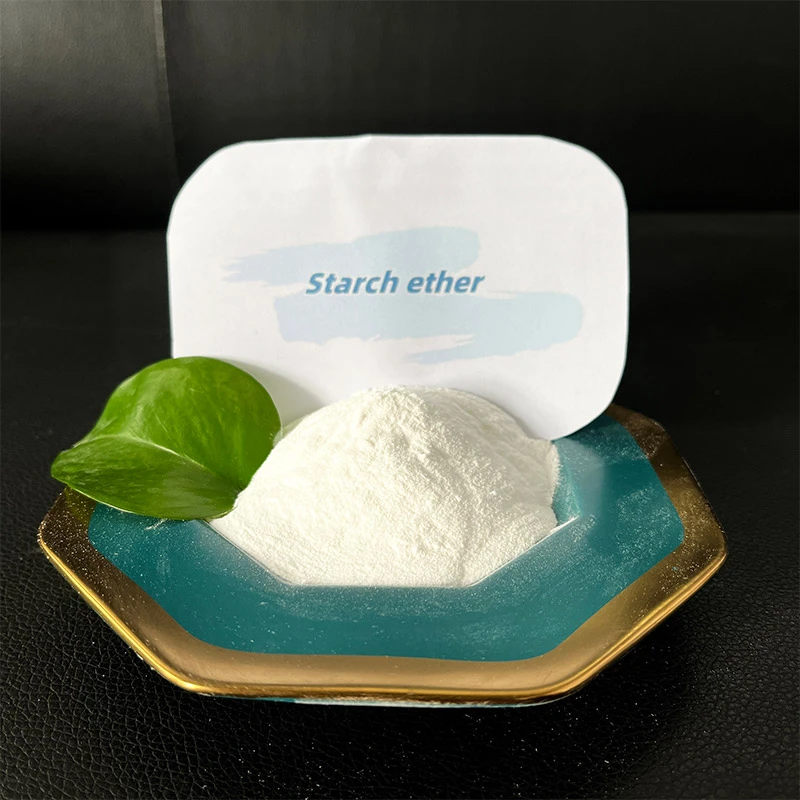
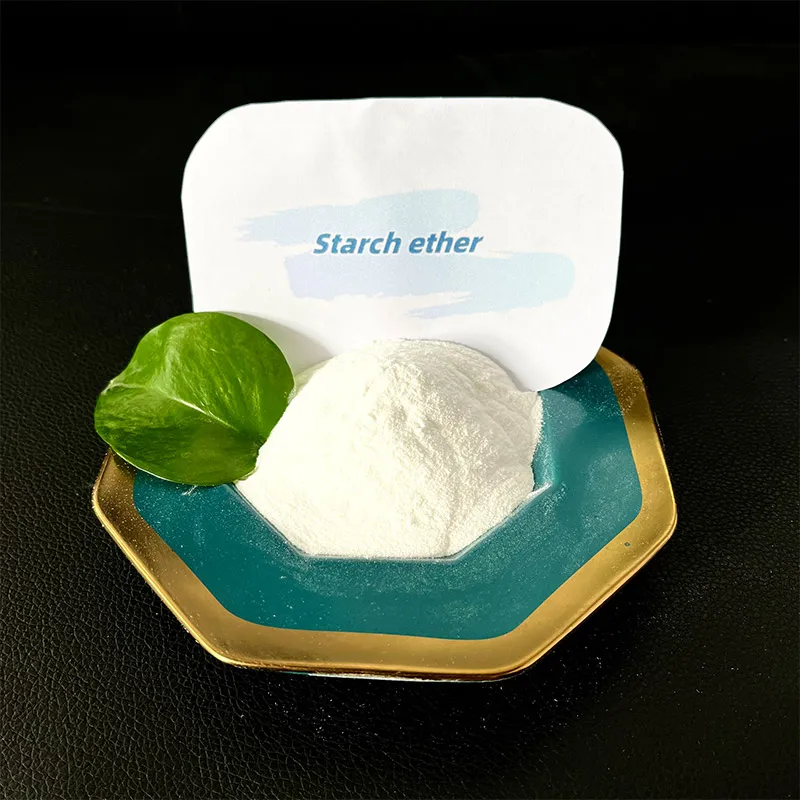
I’ve watched building chemistries swing back toward bio-based additives, and honestly, it makes sense. The refined white powder many labs ask me about is Starch Ether—derived from plant starch, modified via substantial etherification, then spray-dried into a clean, flowable powder. It sounds simple; in practice, tiny shifts in modification level change troweling feel, slump, and open time quite a lot.
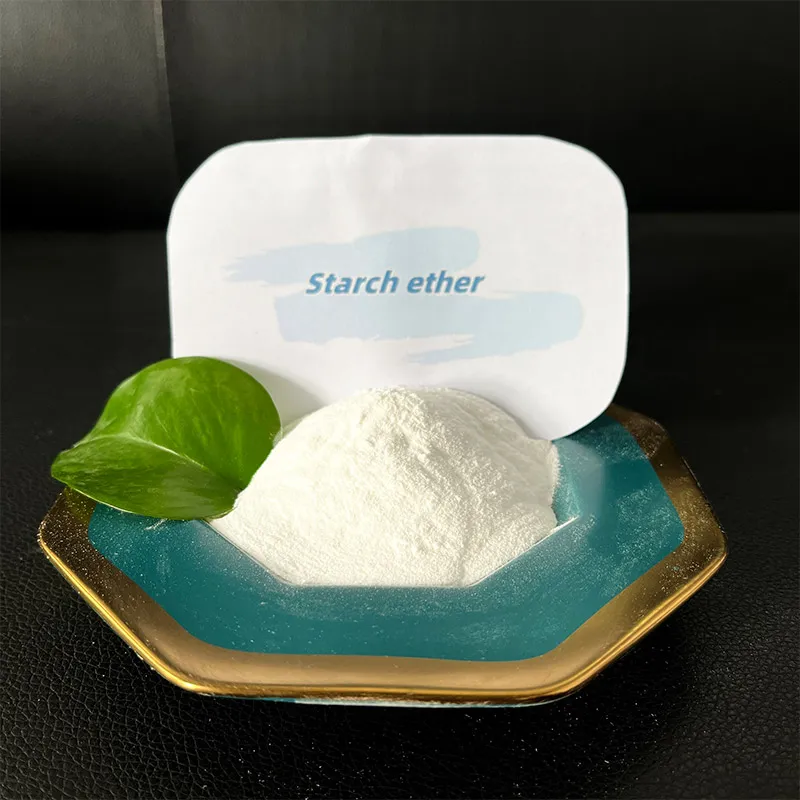
Origin note: HeBei ShengShi HongBang Cellulose Technology CO., LTD, Room 1904, Building B, Wanda Office Building, JiaoYu Road, Xinji City, Hebei Province. Many customers say their batches feel consistent on the blade—always a good sign.
Why it matters now
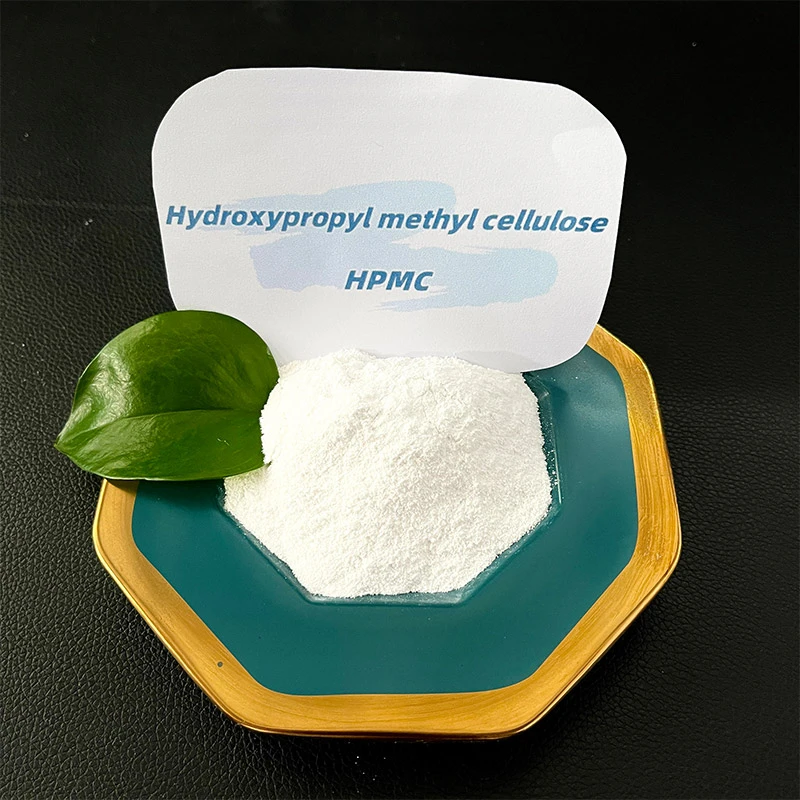
In cement and gypsum, Starch Ether acts as a rheology modifier and anti-sag helper, often paired with HPMC. Trend-wise, formulators target smoother troweling, better water retention, and reduced stickiness in warm climates. Also, tighter control of slump flow in self-levelers—without killing early strength.
Typical Product Specs (lab guidance)
| Parameter | Typical range (≈) | Method / Standard |
|---|---|---|
| Appearance | White to off‑white powder | Visual |
| Moisture | ≤ 8% | ISO 1666 (oven) |
| pH (2% aq.) | 6.0–8.5 | Internal SOP |
| Brookfield viscosity (2%) | ≈ 200–1500 mPa·s (RV, 20 rpm, 25°C) | Brookfield method |
| Degree of substitution (M.S.) | ≈ 0.05–0.20 | Titrimetric |
| Residue on 180 μm | ≤ 5% (≥95% pass 80 mesh) | ASTM E11 |
Real-world use may vary with binder, fines, water demand, and climate.
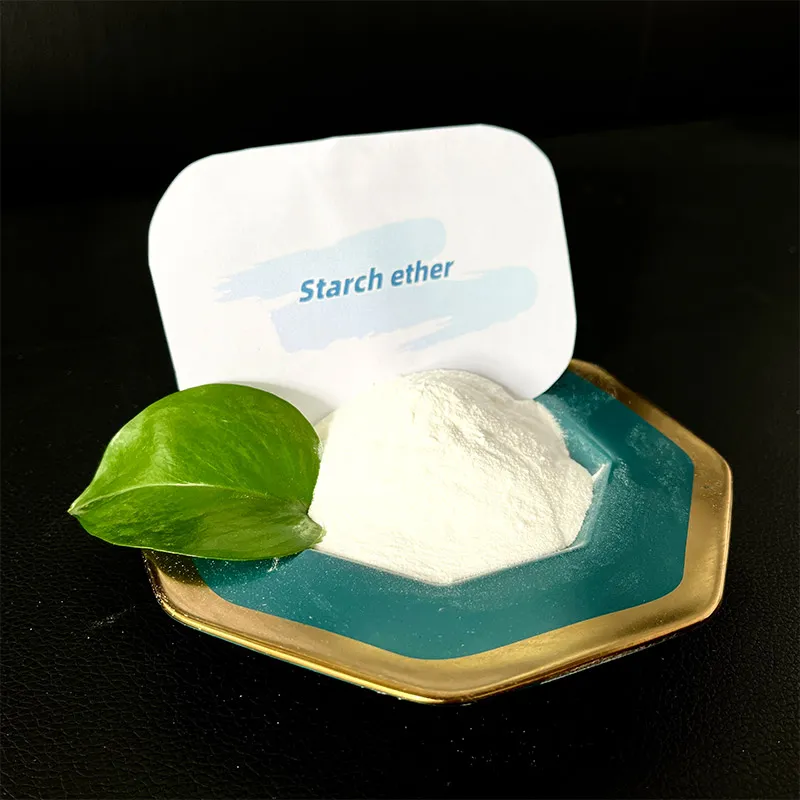
Process flow (how it’s made)
- Materials: plant starch (corn/tapioca/potato), alkali, etherifying agent (e.g., propylene oxide), water.
- Methods: alkalization → controlled etherification → neutralization → washing/filtration → spray drying → milling/sieving.
- QC: moisture (ISO 1666), pH, DS, viscosity profile, sieve residue (ASTM E11).
- Service life: typically 24 months in dry, sealed bags; avoid humidity swings.
- Packaging: 25 kg paper bags with PE liner; palletized.
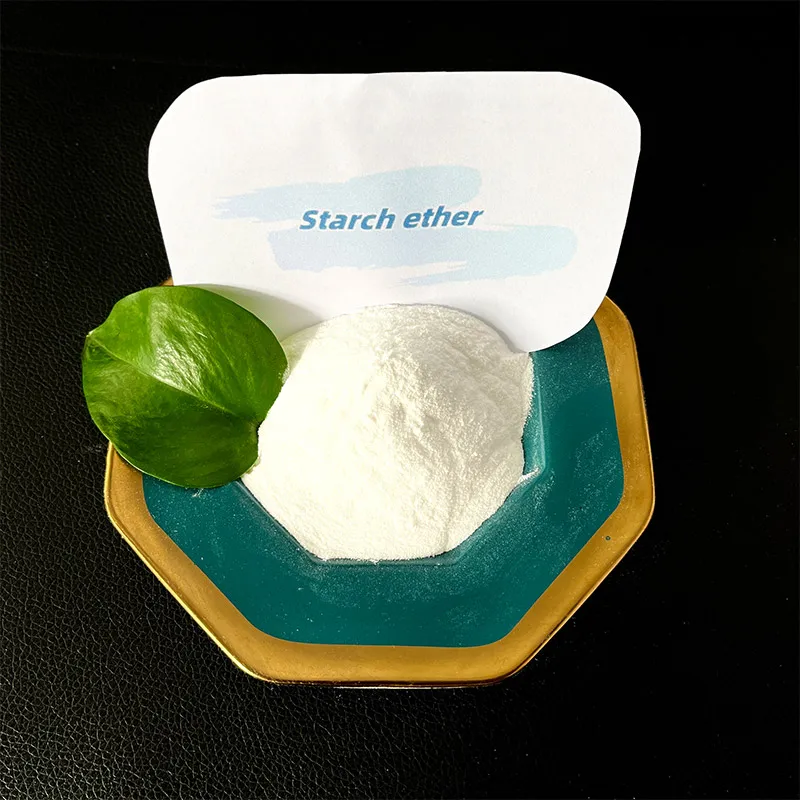
Applications, advantages, and test lenses
- Tile adhesives (C1/C2): anti-slip, open-time stability; test with EN 12004-2.
- Gypsum plaster and putty: creamier spread, less stickiness; EN 13279 checks help.
- Self-leveling underlayments: flow control without bleeding; flow per EN 12706 or lab SOP.
- Repair mortar and renders: water retention, edge stability; flow EN 1015-3; water retention EN 1015-8.
Advantages people actually notice: smoother troweling feel, reduced sag on verticals, better pumpability, and—surprisingly—more forgiving workability in hot weather when paired with HPMC.
Vendor snapshot (informal comparison)
| Vendor | Origin / Certs | Strengths | Customization |
|---|---|---|---|
| HeBei ShengShi HongBang | CN; ISO 9001/REACH support (typ.) | Stable DS; consistent flow feel; competitive lead time | Viscosity grade, sieve cut, packaging |
| EU Supplier A | EU; strong tech docs | Tight batch-to-batch, premium pricing | Broad mortar-specific grades |
| Asia Supplier B | APAC; large capacity | Aggressive cost, fast samples | MOQ-based; label/brand options |
Note: compiled from public datasheets and buyer feedback; verify on your line.
Customization tips
- Target DS/viscosity to hit EN 1015-3 flow of 160–180 mm (renders).
- For hot climates, ask for grades tuned to slower water release (reduces plastic cracking).
- Dosage: ≈0.05–0.20% on binder; run ladder trials with fixed water-to-binder.
Fast case notes
- Tile adhesive (C1T): swapping in Starch Ether at 0.1% cut slip by ~35% while keeping open time within spec (EN 12004-2).
- Gypsum skim: 0.08% Starch Ether + HPMC reduced stickiness complaints; smoother “buttery” drawdown, no sagging on 3 mm coats.
Quality and compliance
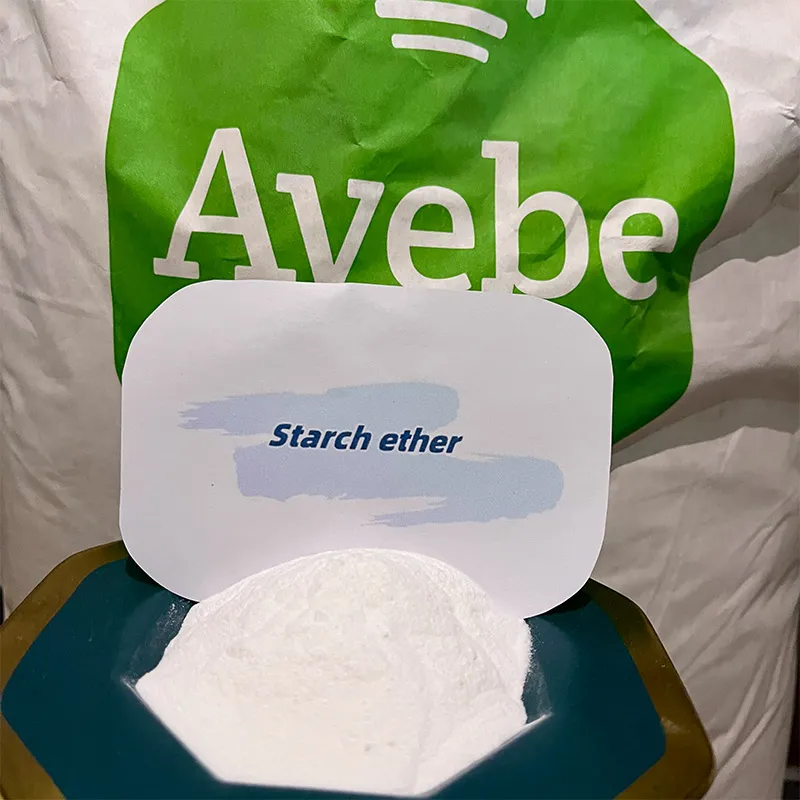
Look for ISO 9001, REACH support, and mortar testing to EN 1015 and EN 12004-2. If you export to the EU, CE performance declarations for finished mortars matter more than the additive—but the additive must be consistent to keep those numbers steady.
Bottom line: if your mortar feels either too sticky or too “short,” nudging the Starch Ether grade or dose is often the cheapest fix. Test to your standards; don’t assume lab water is site water—because, well, it isn’t.
Authoritative citations
- EN 1015-3: Methods of test for mortar for masonry — Determination of consistence by flow table.
- EN 12004-2: Adhesives for tiles — Requirements, evaluation of conformity, classification.
- ASTM E11: Standard Specification for Woven Wire Test Sieve Cloth and Test Sieves.
- ISO 1666: Starch — Determination of moisture content — Oven-drying method.
- EN 1015-8: Determination of water retention of fresh mortar.
-
Industrial Guide to ГПМЦ целлюлоза High Performance CelluloseNewsApr.16,2026
-
Wood Cellulose Properties and Industrial Applications GuideNewsApr.09,2026
-
Does Wood Contain Cellulose A Detailed Exploration of its Composition and UsesNewsApr.07,2026
-
Understanding Wood Cellulose Meaning Applications and Future TrendsNewsApr.04,2026
-
Exploring the Potential of Wood Cellulose is wood cellulose a Sustainable MaterialNewsMar.31,2026
-
Exploring the Sustainability and Versatility of Cellulose Wood ChipsNewsMar.28,2026
-
Understanding Wood Pulp Cellulose A Comprehensive Guide to Properties and ApplicationsNewsMar.26,2026