-

Add: HeBei ShengShi HongBang Cellulose Technology CO.,LTD.
-

Email
13180486930@163.com -

CONTACT US
+86 13180486930
Xylem Fiber - HeBei ShengShi HongBang | Eco-Friendly Building Material, Wood Cellulose, Cellulose Extraction
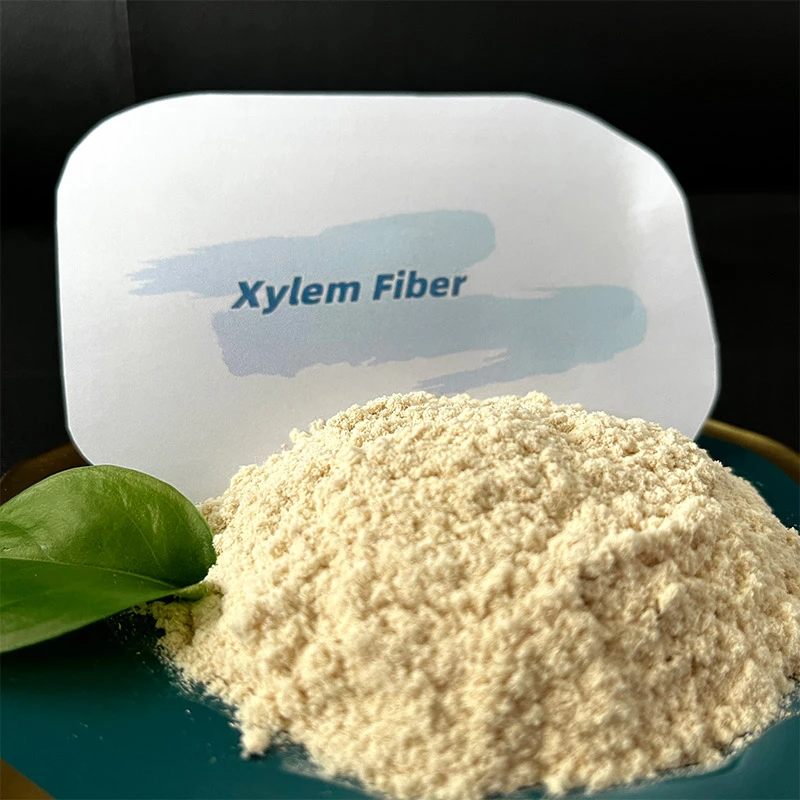
Xylem fiber, a natural and renewable resource derived from wood, has emerged as a game-changer in the construction and manufacturing industries. This organic flocculent fiber material undergoes advanced chemical treatments and mechanical processing to transform into a high-quality product with versatile applications. As global demand for sustainable solutions grows, Xylem fiber is redefining how industries approach material innovation. For more information, visit the Xylem Fiber Product Page.
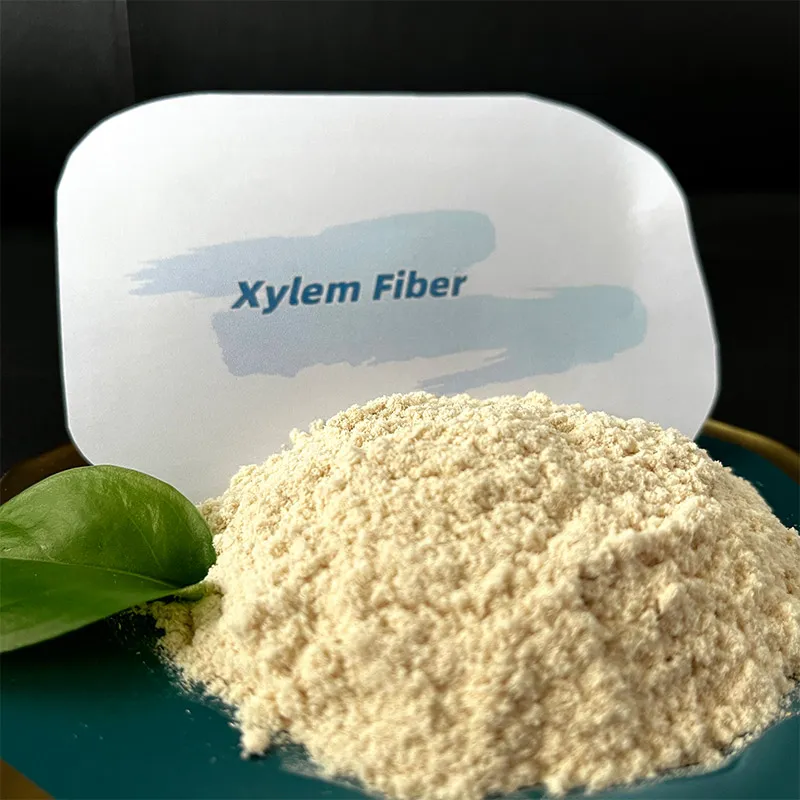
What is Xylem Fiber?
Xylem fiber is extracted from the vascular tissue of trees, specifically the wood cellulose found in the xylem, which transports water and nutrients. This natural material is processed to enhance its structural properties, making it suitable for a wide range of industrial applications. Unlike synthetic fibers, Xylem fiber is biodegradable, renewable, and reduces reliance on non-renewable resources. For a deeper understanding of cellulose extraction from wood, explore the product page.
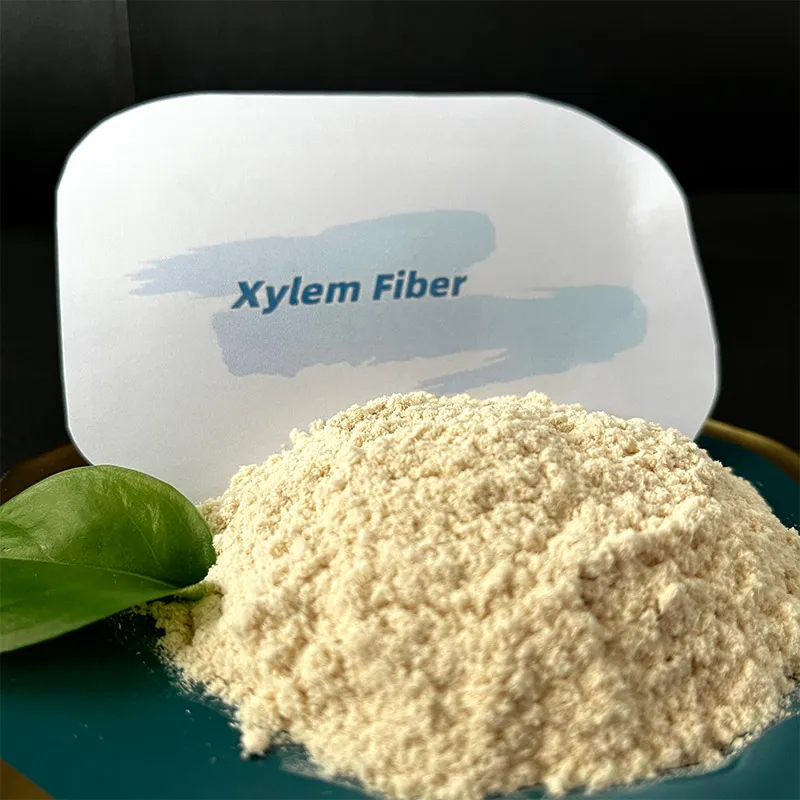
Key Features of Xylem Fiber
- Eco-Friendly: Xylem fiber is a sustainable alternative to traditional materials, reducing carbon footprints and promoting responsible forestry practices.
- High Strength: The fiber’s unique structure enhances the mechanical properties of composites, making it ideal for construction and industrial applications.
- Water Absorption: Its absorbent nature allows it to act as a binding agent in products like wood pulp sponges, offering a biodegradable solution.
- Thermal Stability: Xylem fiber resists degradation under high temperatures, ensuring durability in extreme conditions.
Advantages of Xylem Fiber
One of the most significant benefits of Xylem fiber is its ability to improve the performance of traditional materials. In the construction sector, it enhances the strength and durability of concrete and mortar. According to a study by the National Institute of Standards and Technology (NIST), incorporating natural fibers like Xylem fiber can reduce the need for cement, a major contributor to CO₂ emissions. This aligns with global efforts to adopt green building materials.
In the asphalt industry, Xylem fiber acts as a reinforcing agent, improving the resilience of roads. This not only extends the lifespan of infrastructure but also reduces maintenance costs. Similarly, in the production of medium density fiberboard (MDF), Xylem fiber ensures sturdiness while maintaining environmental sustainability.
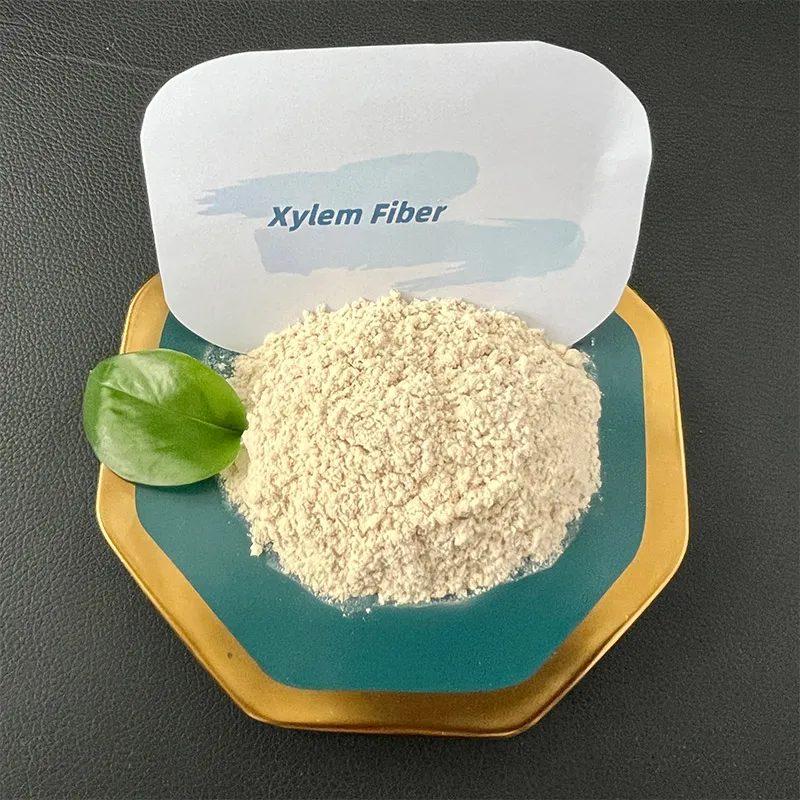
Technical Specifications
| Parameter | Specification |
|---|---|
| Fiber Diameter | 10–50 micrometers |
| Length | 1–10 mm |
| Moisture Content | ≤ 10% |
| Tensile Strength | 200–400 MPa |
| Chemical Composition | 60–70% Cellulose, 20–30% Hemicellulose, 5–10% Lignin |
Application Scenarios
1. Construction Industry
Xylem fiber is a critical component in concrete and mortar mixes. Its addition increases workability and reduces cracking, as noted in a NIST report on sustainable construction materials. It also enhances the thermal insulation properties of building materials, contributing to energy efficiency.
2. Gypsum Products
In gypsum board manufacturing, Xylem fiber improves structural integrity and reduces brittleness. This makes it ideal for interior wall systems that require both strength and flexibility.
3. Asphalt Industry
As a reinforcing agent, Xylem fiber enhances the load-bearing capacity of asphalt roads. A 2022 NIST study found that asphalt modified with natural fibers exhibited 15% better resistance to rutting under heavy traffic.
4. Wood Pulp Sponges
Xylem fiber’s absorbent properties make it a key ingredient in wood pulp sponges, offering a biodegradable alternative to synthetic sponges. This aligns with the growing demand for eco-friendly household products.
5. Medium Density Fiberboard (MDF)
In MDF production, Xylem fiber ensures uniform density and reduces the need for adhesives, which often contain harmful chemicals. This makes it a safer and more sustainable option for furniture and cabinetry.
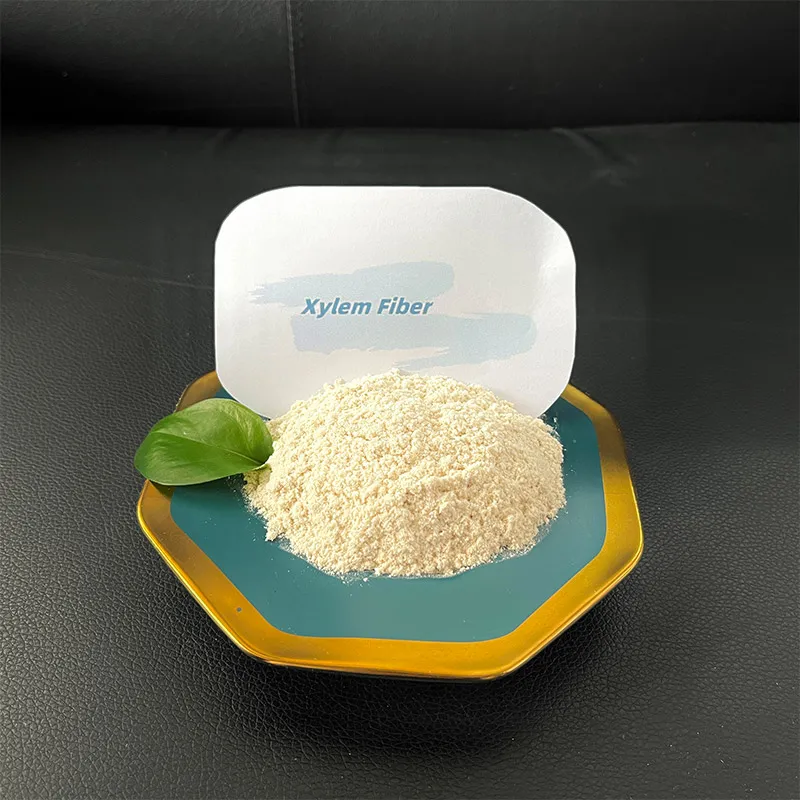
Company Background: HeBei ShengShi HongBang Cellulose Technology CO.,LTD.
Founded in 2005, HeBei ShengShi HongBang Cellulose Technology CO.,LTD. is a leading manufacturer of cellulose wood fibers and wood cellulose. The company specializes in sustainable solutions, leveraging its expertise in cellulose extraction from wood to deliver high-quality products. With a commitment to innovation, HeBei ShengShi HongBang has become a trusted partner for industries seeking eco-friendly materials.
As a pioneer in the fibre made from wood pulp sector, the company adheres to strict environmental standards, ensuring that its production processes minimize waste and energy consumption. For more details about their company background, visit the official website.
Conclusion
Xylem fiber represents a paradigm shift in material science, combining natural properties with modern engineering. Its versatility, sustainability, and performance make it an indispensable resource for industries striving to meet environmental goals. By adopting Xylem fiber, manufacturers can reduce their carbon footprint while enhancing product quality. As the world moves toward a greener future, Xylem fiber stands at the forefront of innovation, proving that nature and technology can coexist harmoniously.
References
1. National Institute of Standards and Technology (NIST). (2022). Sustainable Construction Materials Research. Retrieved from https://www.nist.gov.
2. NIST. (2021). Impact of Natural Fibers on Asphalt Performance. Retrieved from https://www.nist.gov.
3. NIST. (2020). Green Building Materials: A Review of Innovations. Retrieved from https://www.nist.gov.
-
Industrial Guide to ГПМЦ целлюлоза High Performance CelluloseNewsApr.16,2026
-
Wood Cellulose Properties and Industrial Applications GuideNewsApr.09,2026
-
Does Wood Contain Cellulose A Detailed Exploration of its Composition and UsesNewsApr.07,2026
-
Understanding Wood Cellulose Meaning Applications and Future TrendsNewsApr.04,2026
-
Exploring the Potential of Wood Cellulose is wood cellulose a Sustainable MaterialNewsMar.31,2026
-
Exploring the Sustainability and Versatility of Cellulose Wood ChipsNewsMar.28,2026
-
Understanding Wood Pulp Cellulose A Comprehensive Guide to Properties and ApplicationsNewsMar.26,2026