-

Add: HeBei ShengShi HongBang Cellulose Technology CO.,LTD.
-

Email
13180486930@163.com -

CONTACT US
+86 13180486930
Starch Ether: Boost Workability in Mortar & Tile Adhesive
Starch Ether is a key solution in the chemical industry industry, specifically within Specialty Chemicals and Building chemical additives. This article explores how HeBei ShengShi HongBang Cellulose Technology CO.,LTD. supports professionals with durable, high-performance products, and explains why this product is an ideal choice for businesses in these sectors.
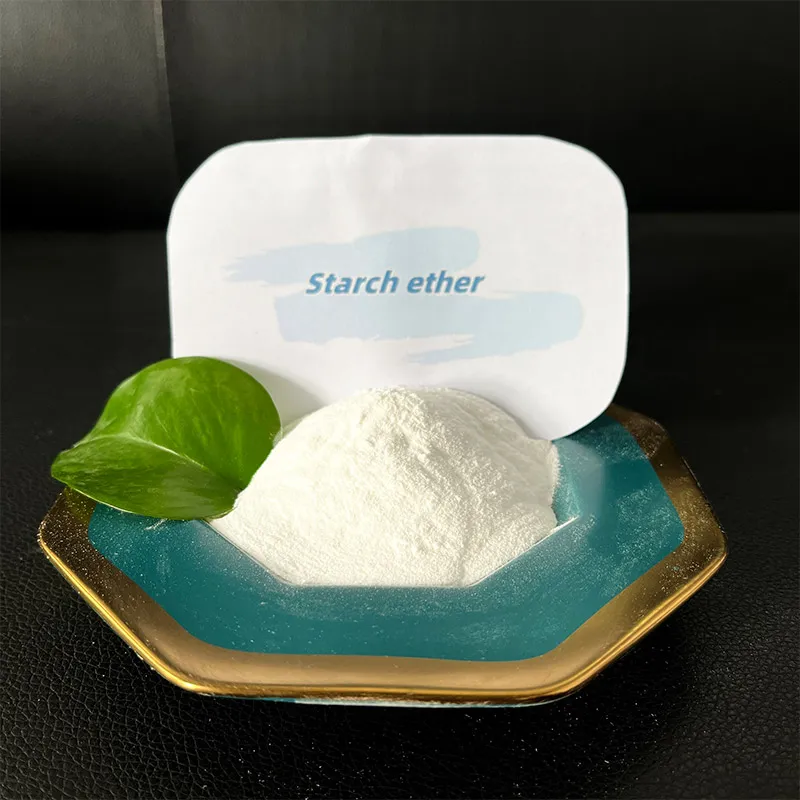
Table of Contents
- Starch Ether Overview
- Benefits & Use Cases of Starch Ether in Building chemical additives
- Cost, Maintenance & User Experience
- Sustainability & Market Trends in chemical industry
- Conclusion on Starch Ether from HeBei ShengShi HongBang Cellulose Technology CO.,LTD.
Starch Ether Overview
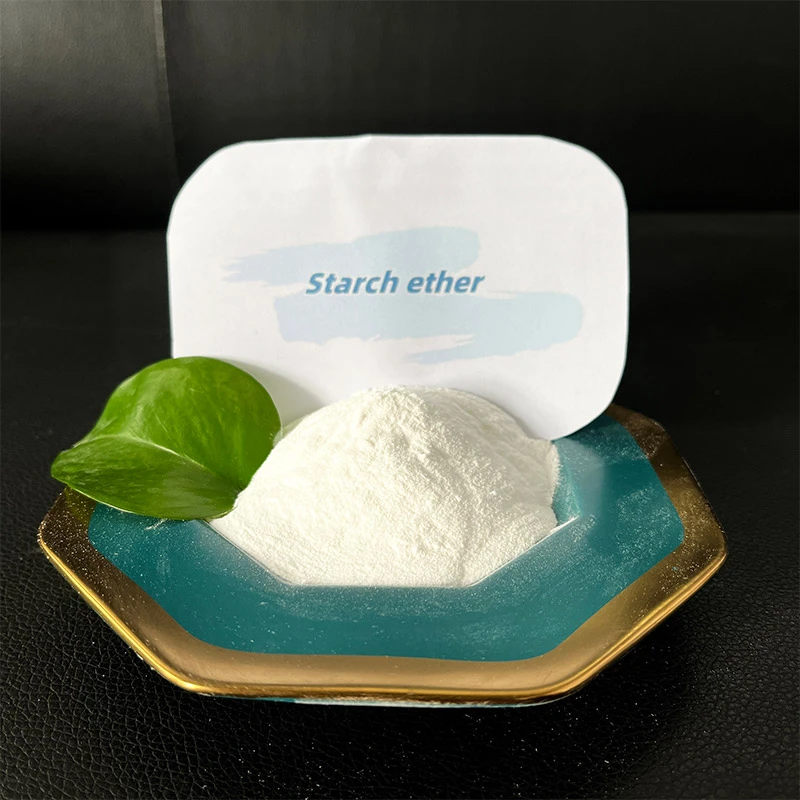
Starch ether—often referred to as hydroxypropyl starch ether (HPS)—is a high-efficiency rheology modifier designed for cement- and gypsum-based drymix systems. In the chemical industry’s Specialty Chemicals segment, it plays a pivotal role in Building chemical additives by stabilizing mixes, optimizing viscosity at low shear, and delivering excellent anti-sagging performance. In practical terms, it enhances workability while reducing tackiness, making mortar application smoother and more predictable for installers.
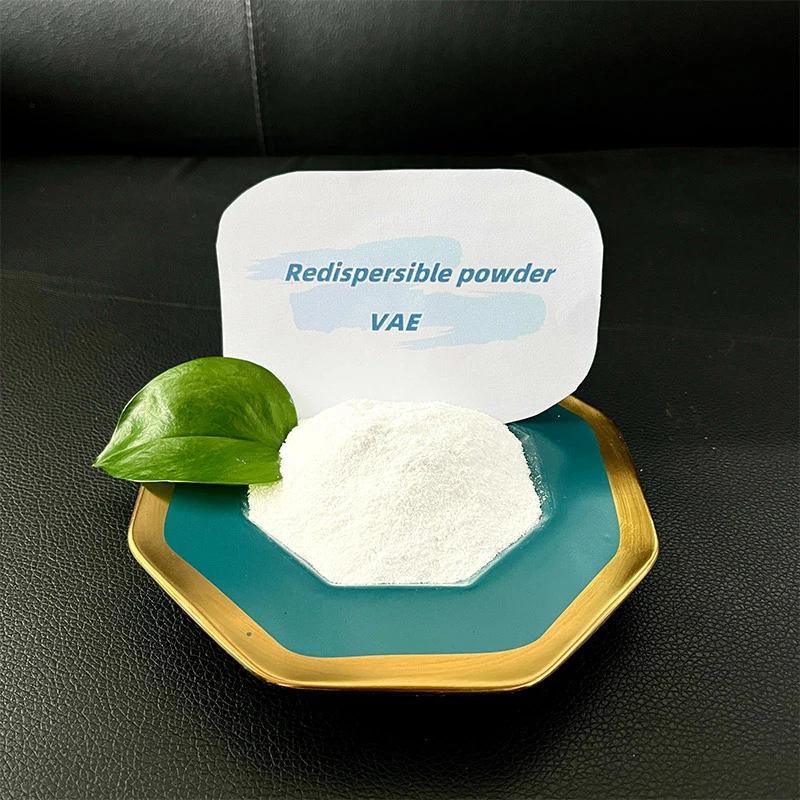
- Typical specifications include fine, free-flowing powder form, broad compatibility with HPMC/MHEC, RDP (VAE), fillers, cement and gypsum; suggested dosage often ranges from 0.05–0.30% depending on formulation goals (e.g., slip resistance or trowelability).
- In starch ether for dry mortar, it helps control water demand, prevents segregation and bleeding, and improves open time—critical in tile adhesives, renders, and self-leveling underlayments.
- HeBei ShengShi HongBang Cellulose Technology CO.,LTD. manufactures consistent, application-ready grades, backed by technical service that supports lab screening, pilot batching, and scale-up for global B2B customers.
Benefits & Use Cases of Starch Ether in Building chemical additives
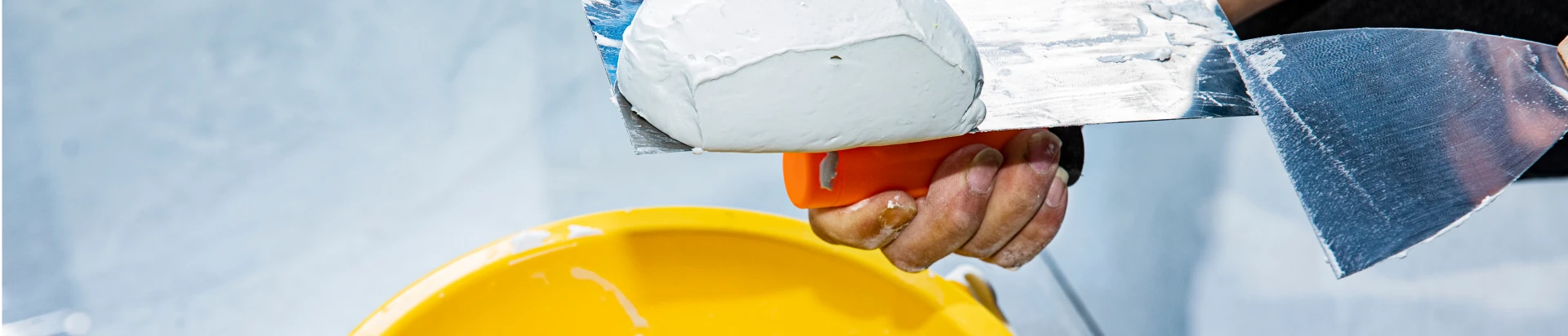
Starch ether uses span tile adhesives, EIFS/ETICS base coats, skim coats, grouts, and gypsum plasters. In tile adhesive, it significantly boosts slip resistance, allowing heavier tiles to stay in place while enabling fine-tuned open time and better wet adhesion when used alongside cellulose ethers. In gypsum and cement renders, it improves sag resistance, yields creamy trowel feel, and minimizes stickiness on tools—benefits that directly influence applicator productivity and finish quality.
- Key advantages: low-shear thickening for anti-sag, reduced surface stickiness, enhanced workability, better edge retention, and compatibility with a wide range of drymix chemistries.
- For starch ether in tile adhesive, optimized dosages help balance slip resistance with smooth troweling, supporting uniform combing and consistent coverage rates.
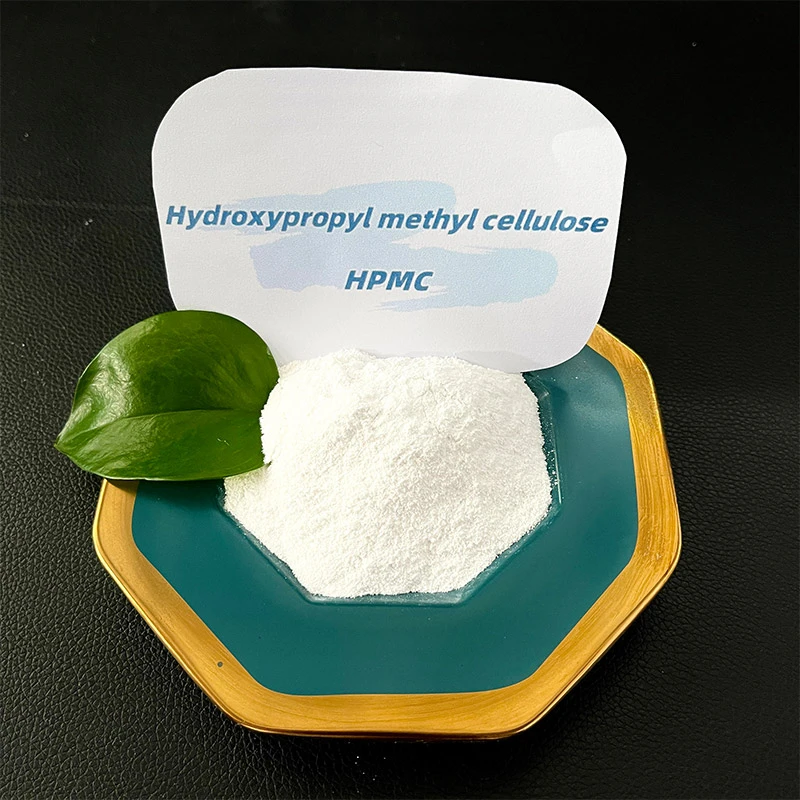
- HeBei ShengShi HongBang Cellulose Technology CO.,LTD. brings deep formulation know-how, advising on synergy with HPMC/MHEC and RDPs to reach specific EN/ISO performance targets across climates and substrates.
Cost, Maintenance & User Experience
Total cost of ownership with starch ether is favorable because effective performance is achieved at low dosages, reducing the need for multiple additives and limiting variability in production. Starch ether price typically depends on substitution level, particle fineness, viscosity behavior, and packaging. For B2B buyers, consistency batch-to-batch is a major driver of ROI—fewer production adjustments, lower scrap, and more predictable on-site application reduce overall project risk and callbacks.
- Durability and storage: supplied as a stable, free-flowing powder, it stores well in dry conditions and integrates seamlessly into standard drymix lines. Routine QC (moisture, sieve residue, apparent viscosity) keeps performance within spec.
- User feedback from Specialty Chemicals customers often highlights smoother troweling, improved slip resistance in tile adhesives, and fewer sag-related defects in vertical renders—translating to faster application and cleaner finishes.
Sustainability & Market Trends in chemical industry
Sustainability is reshaping building chemistry. Sourcing from renewable feedstocks and designing additives that enable leaner formulations are central to market growth. Starch ether, derived from starch, supports this direction while helping producers reach performance with lower additive loads. Regulatory momentum toward low-emission construction and the shift to prepackaged dry-mix systems further accelerate adoption, especially in high-growth markets for tile adhesives, EIFS, and energy-efficient renovation.
- Manufacturers increasingly prioritize traceability, responsible sourcing, and efficient logistics. Additives that deliver reliability and reduce waste at job sites contribute to both environmental and economic goals.
- HeBei ShengShi HongBang Cellulose Technology CO.,LTD. positions its starch ether portfolio with a forward-looking approach—technical guidance for optimized dosages, compatibility with modern binders and fillers, and support for customers’ sustainability roadmaps.
Conclusion on Starch Ether from HeBei ShengShi HongBang Cellulose Technology CO.,LTD.
In Specialty Chemicals for Building chemical additives, starch ether stands out for stabilizing drymix systems, elevating workability, and improving anti-sag and slip resistance—especially in tile adhesives, renders, and gypsum plasters. Whether you’re optimizing a new tile adhesive or reformulating for performance-cost balance, HeBei ShengShi HongBang Cellulose Technology CO.,LTD. delivers consistent quality and application expertise to shorten development cycles and enhance field performance.
- Choose a partner committed to reliability, scalability, and technical support from lab to line.
- Contact us: email: 13180486930@163.com
- Visit our website: https://www.sshbhpmc.com
-
Industrial Guide to ГПМЦ целлюлоза High Performance CelluloseNewsApr.16,2026
-
Wood Cellulose Properties and Industrial Applications GuideNewsApr.09,2026
-
Does Wood Contain Cellulose A Detailed Exploration of its Composition and UsesNewsApr.07,2026
-
Understanding Wood Cellulose Meaning Applications and Future TrendsNewsApr.04,2026
-
Exploring the Potential of Wood Cellulose is wood cellulose a Sustainable MaterialNewsMar.31,2026
-
Exploring the Sustainability and Versatility of Cellulose Wood ChipsNewsMar.28,2026
-
Understanding Wood Pulp Cellulose A Comprehensive Guide to Properties and ApplicationsNewsMar.26,2026