-

Add: HeBei ShengShi HongBang Cellulose Technology CO.,LTD.
-

Email
13180486930@163.com -

CONTACT US
+86 13180486930
Exploring the Roles of Lignin and Cellulose in Wood Structure and Applications
Understanding Lignin and Cellulose in Wood: A Comprehensive Guide
Wood, a cornerstone material for centuries, owes its remarkable properties to its complex composition. Two key components, lignin and cellulose, are fundamental to understanding wood’s strength, flexibility, and overall characteristics. This article will delve into the individual roles of lignin and cellulose, their interactions, and how they impact wood's applications. Understanding these building blocks is vital for professionals in forestry, construction, and materials science. We’ll explore how manipulating these components can unlock even greater potential in wood-based products.
What is Cellulose? The Structural Backbone of Wood
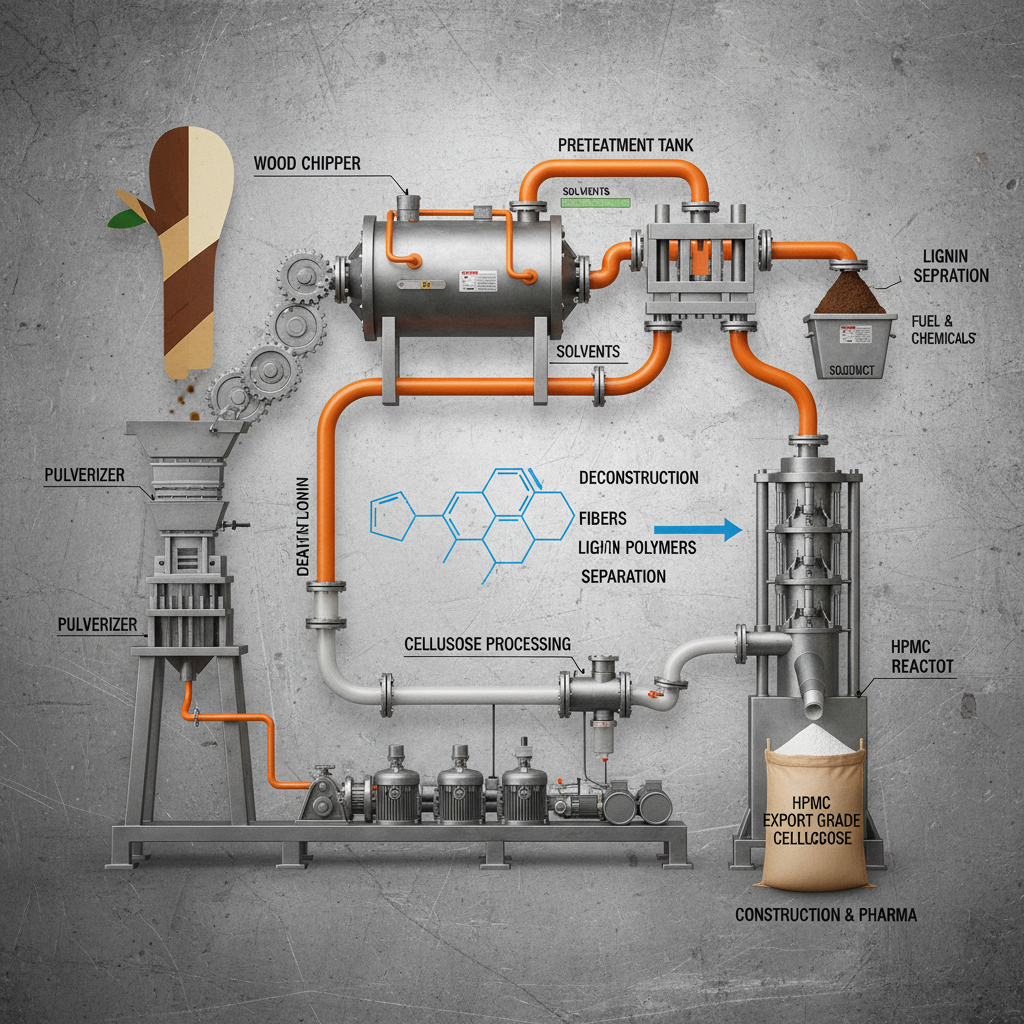
Cellulose is the most abundant organic polymer on Earth and forms the primary structural component of plant cell walls, including wood. It's a long-chain polysaccharide composed of glucose molecules, arranged in a crystalline structure. This crystallinity is what gives wood its tensile strength and rigidity. Think of cellulose as the “fibers” within the wood. The orientation of these fibers dictates the wood’s strength in different directions – along the grain versus across it. SSHBHPMC specializes in understanding and leveraging the properties of cellulose in various wood applications.
Key Highlights: Cellulose is a long-chain polysaccharide providing tensile strength and rigidity to wood. Its crystalline structure is crucial for wood’s mechanical properties.
The Role of Lignin: Binding and Protection
Unlike cellulose, lignin is a complex polymer not composed of sugar units. It’s a highly branched, amorphous structure that fills the spaces between cellulose fibers. Lignin’s primary function is to provide rigidity and resistance to compression, essentially acting as the “glue” that holds the cellulose fibers together. It also contributes to wood’s resistance to decay and insect attack. The amount of lignin present influences the wood’s hardness and durability; hardwoods typically contain more lignin than softwoods.
Lignin's Benefits:
• Provides rigidity and resistance to compression
• Acts as a natural binding agent for cellulose fibers
• Enhances resistance to decay and insect attack
Lignin and Cellulose in Wood: A Comparative Analysis
Understanding the key differences between lignin and cellulose is crucial. Cellulose provides tensile strength, while lignin offers compressive strength and protection. Their synergistic relationship is what gives wood its unique combination of properties. Modifying the proportion of these components can alter the wood’s characteristics, tailoring it for specific applications. For instance, removing lignin (as in paper production) creates a more flexible material, while adding lignin-based binders can improve the strength of composite wood products.
Applications of Lignin and Cellulose in Modern Industries
The distinct properties of lignin and cellulose are leveraged across a wide range of industries. Cellulose finds extensive use in paper production, textiles (rayon, lyocell), and cellulose-based plastics. Lignin, once considered a waste product of paper pulping, is now being explored for its potential as a biofuel, a component in adhesives, and a sustainable alternative to petroleum-based chemicals. Research is ongoing to further unlock the potential of both components, driving innovation in materials science.
The Future of Wood Technology: Manipulating Lignin and Cellulose
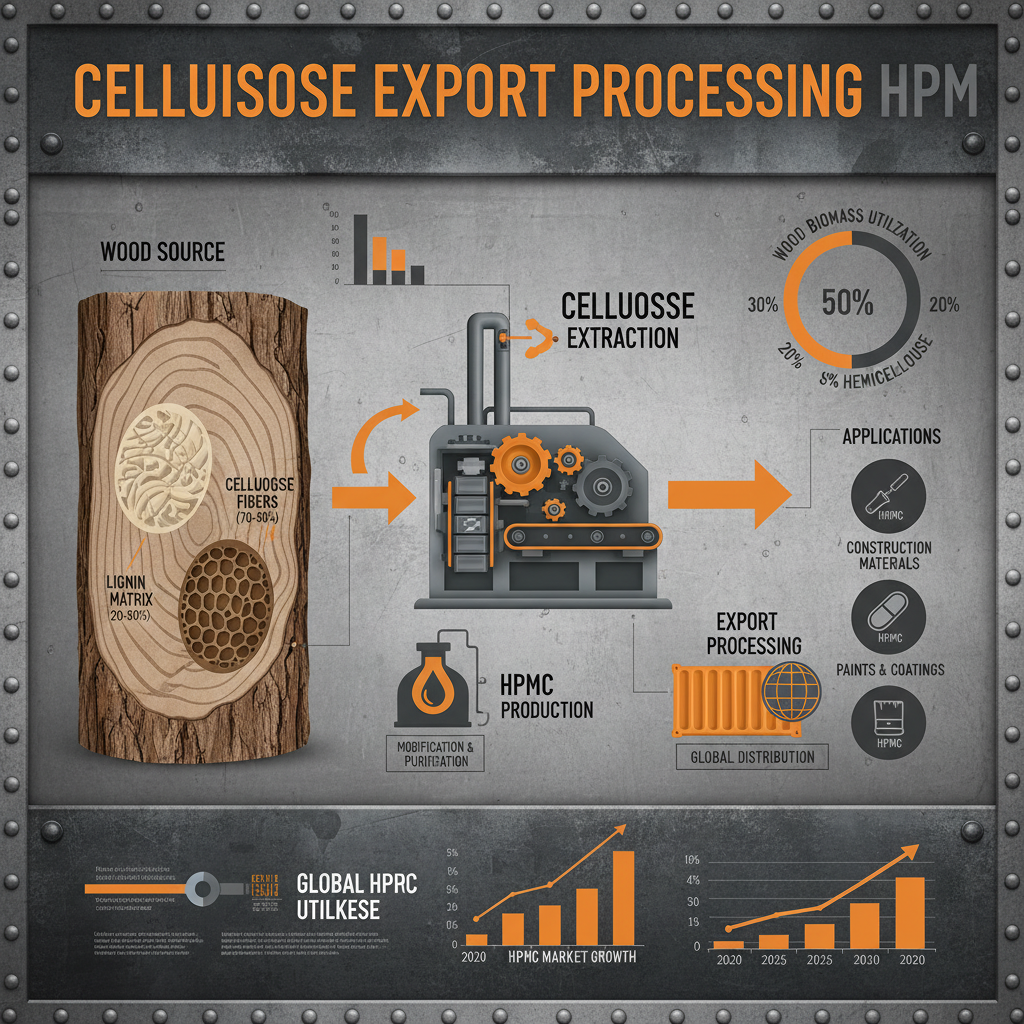
Ongoing research focuses on modifying lignin and cellulose to create novel wood-based materials with enhanced properties. This includes techniques like lignin fractionation (separating lignin into different components) and cellulose nanocrystal production (creating extremely small, high-strength cellulose fibers). These advancements promise to unlock new applications for wood in areas such as bioplastics, advanced composites, and sustainable packaging. SSHBHPMC is at the forefront of these developments, working to create innovative and sustainable wood-based solutions.
Conclusion: Harnessing the Power of Wood's Building Blocks
Understanding the interplay between lignin and cellulose is fundamental to unlocking the full potential of wood as a sustainable and versatile material. By manipulating these components, we can create innovative solutions for a wide range of industries, from construction to packaging to energy. Continued research and development in this field are crucial for a more sustainable future.
Frequently Asked Questions (FAQs)
What is the difference between hardwoods and softwoods in terms of lignin and cellulose content?
Hardwoods generally contain a higher proportion of lignin compared to softwoods. This higher lignin content contributes to their increased density, hardness, and durability. Softwoods, on the other hand, have a greater proportion of cellulose fibers, making them lighter and more flexible. However, the specific lignin and cellulose content can vary significantly between different species within both hardwood and softwood categories. The ratio impacts properties like strength, workability, and resistance to decay.
How does lignin contribute to the color of wood?
Lignin is responsible for much of the color variation in wood. As lignin degrades due to exposure to sunlight and air, it undergoes chemical changes that result in darkening or discoloration. The type of lignin present and the degree of degradation influence the final color. For example, heartwood, the inner part of a tree, typically has a darker color due to a higher concentration of lignin and its subsequent degradation.
Can lignin and cellulose be used to create biodegradable plastics?
Yes, both lignin and cellulose are being actively researched as potential building blocks for biodegradable plastics. Cellulose can be processed into cellulose acetate or other derivatives, which can be molded into plastic-like materials. Lignin can be incorporated into bioplastic formulations to enhance their strength and rigidity. These bio-based plastics offer a sustainable alternative to traditional petroleum-based plastics, reducing reliance on fossil fuels and minimizing environmental impact.
What role does SSHBHPMC play in the study of lignin and cellulose?
SSHBHPMC is dedicated to innovative research and development involving lignin and cellulose. We specialize in optimizing their utilization in various applications, including sustainable materials, biofuels, and industrial chemicals. Our team focuses on developing new technologies for processing and modifying these natural polymers to enhance their performance and unlock their full potential.
-
Industrial Guide to ГПМЦ целлюлоза High Performance CelluloseNewsApr.16,2026
-
Wood Cellulose Properties and Industrial Applications GuideNewsApr.09,2026
-
Does Wood Contain Cellulose A Detailed Exploration of its Composition and UsesNewsApr.07,2026
-
Understanding Wood Cellulose Meaning Applications and Future TrendsNewsApr.04,2026
-
Exploring the Potential of Wood Cellulose is wood cellulose a Sustainable MaterialNewsMar.31,2026
-
Exploring the Sustainability and Versatility of Cellulose Wood ChipsNewsMar.28,2026
-
Understanding Wood Pulp Cellulose A Comprehensive Guide to Properties and ApplicationsNewsMar.26,2026