Methocel F50 is a vital cellulose ether widely used across numerous industries, including pharmaceuticals, food, construction, and personal care. Its unique properties as a water-soluble polymer make it an indispensable ingredient in applications demanding thickening, binding, film-forming, suspension, and protective colloid functionalities. Understanding methocel F50's capabilities unlocks significant benefits for product development and process optimization.
The global demand for cellulose ethers like methocel F50 is steadily increasing, driven by factors like population growth, urbanization, and evolving consumer preferences for innovative and sustainable products. According to market research reports, the cellulose ether market is projected to reach substantial figures in the coming years, highlighting its growing economic importance. This growth necessitates a deeper understanding of its characteristics and application possibilities.
Methocel F50 addresses key challenges in formulation by offering consistent performance and versatility. It enables manufacturers to achieve desired product textures, stability, and enhanced functionality, ultimately leading to improved end-user experiences and product quality. Its widespread applicability demonstrates the increasing reliance on such specialized polymers in modern manufacturing processes.
The Fundamental Properties of methocel f50
Methocel F50 exhibits exceptional water solubility, forming clear and viscous solutions even at relatively low concentrations. This characteristic makes it ideal for applications where consistent viscosity and clarity are crucial. The molecular weight and degree of substitution determine its specific properties, allowing for tailored formulations to meet diverse needs.
Furthermore, methocel F50 is chemically inert and compatible with a broad range of other ingredients, minimizing potential interactions that could affect product stability or performance. This versatility is a key reason for its widespread adoption across many different industries.
The Global Significance of methocel f50
The demand for methocel F50 is intrinsically linked to the growth of key end-use industries globally. The pharmaceutical sector utilizes it extensively in tablet coatings, controlled-release formulations, and as a binder. The food industry incorporates it as a thickener, stabilizer, and emulsifier in sauces, desserts, and bakery products.
In construction, methocel F50 enhances the workability, water retention, and adhesion of cement-based materials. The personal care industry leverages its film-forming and thickening properties in creams, lotions, and shampoos. These diverse applications highlight its global significance and influence across multiple economies.
According to reports from the Cellulose Ethers Market Analysis, the Asia-Pacific region represents a significant and rapidly growing market for methocel F50, driven by increased industrialization and consumer spending. North America and Europe remain substantial markets, with a focus on high-performance applications and innovative formulations.
Defining methocel f50: Composition and Characteristics
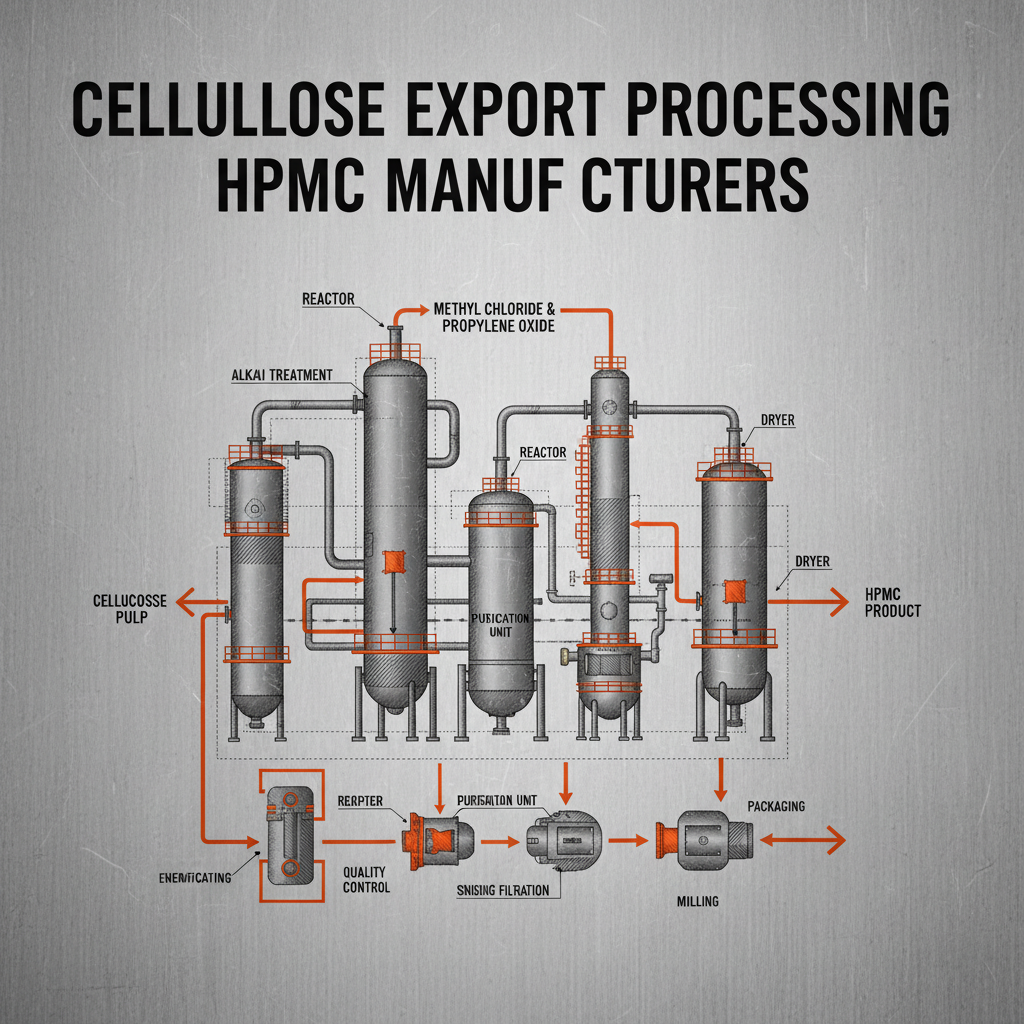
Methocel F50 is a non-ionic cellulose ether derived from cellulose, a natural polymer found in plant cell walls. It’s created through a chemical modification process where cellulose reacts with methyl chloride, resulting in the addition of methoxyl groups to the cellulose backbone. This modification enhances its solubility in water.
The ‘F50’ designation specifically indicates the approximate viscosity grade of the product in a 2% aqueous solution. This viscosity level is important as it defines the thickening capacity and handling characteristics of methocel F50 in different formulations. Lower numbers represent lower viscosity, while higher numbers indicate greater thickening power.
Crucially, methocel F50 is odorless and tasteless, making it suitable for applications in food and pharmaceutical products. It’s also stable across a wide pH range and demonstrates excellent compatibility with numerous other polymers and additives.
Key Performance Attributes of methocel f50
Methocel F50 is prized for its ability to control rheology, providing precise viscosity adjustments in liquid formulations. This is particularly crucial in applications where flow properties impact product performance, such as coatings and adhesives. Its thickening efficiency is a key advantage, allowing for the creation of stable and consistent formulations with minimal addition levels.
Another important attribute is its film-forming capability. Methocel F50 forms flexible, transparent films that can be used for coating tablets, encapsulating flavors, or creating protective barriers. These films offer excellent adhesion and are resistant to cracking or peeling.
Methocel F50 Performance Comparison
Wide-Ranging Applications of methocel f50
In the pharmaceutical industry, methocel F50 is widely employed in tablet film coating to improve swallowability, protect active ingredients from degradation, and control drug release rates. It is also used as a binder in tablet granulation, ensuring robust and cohesive tablet formation.
Food manufacturers utilize methocel F50 as a stabilizer in ice cream, preventing ice crystal formation and maintaining a smooth texture. It also serves as a thickener in sauces and dressings, enhancing viscosity and preventing separation. Moreover, it's a valuable ingredient in gluten-free baking, providing structure and improving texture.
The Advantages and Long-Term Value of Utilizing methocel f50
Employing methocel F50 translates to significant cost savings through reduced raw material usage. Its high thickening efficiency means smaller quantities are needed to achieve the desired viscosity, lowering formulation costs. Its consistent performance also minimizes batch failures and rework, further enhancing cost-effectiveness.
From a sustainability standpoint, methocel F50 is derived from a renewable resource—cellulose—making it a more environmentally friendly alternative to some synthetic polymers. Its biodegradability also contributes to reduced environmental impact. The enhanced product stability and extended shelf life it provides minimize waste and promote resource efficiency.
The predictable and reliable performance of methocel F50 builds trust with consumers. It enables manufacturers to consistently deliver high-quality products that meet expectations for texture, stability, and overall performance, fostering brand loyalty and positive customer experiences.
Future Trends and Innovations in methocel f50 Applications
Ongoing research is exploring the use of methocel F50 in 3D printing applications, leveraging its rheological properties to create intricate and functional structures. Its potential in controlled drug delivery systems is also being investigated, with a focus on developing targeted therapies and personalized medicine solutions.
The increasing demand for plant-based and sustainable materials is driving innovation in cellulose ether production. New manufacturing processes are being developed to reduce energy consumption and minimize waste, further enhancing the environmental profile of methocel F50.
The convergence of digital technologies and material science is also opening up new possibilities. Data analytics and machine learning are being used to optimize methocel F50 formulations, predict performance characteristics, and accelerate product development cycles.
Analysis of Challenges and Solutions Related to methocel f50 Application
| Challenge Area |
Severity of Impact |
Potential Solution |
Implementation Cost (1-10) |
| Viscosity Control in High-Shear Environments |
Medium |
Utilize methocel F50 grades with higher molecular weight or blend with other stabilizers. |
4 |
| Foam Formation during Processing |
Low |
Incorporate anti-foaming agents or adjust processing parameters. |
2 |
| Compatibility with Specific Additives |
Medium |
Conduct thorough compatibility testing and adjust formulation accordingly. |
5 |
| Maintaining Stability at Extreme Temperatures |
High |
Employ modified methocel F50 variants or incorporate thermal stabilizers. |
7 |
| Achieving Desired Clarity in High-Concentration Solutions |
Low |
Optimize dissolution process and utilize higher-purity methocel F50 grades. |
3 |
| Impact of pH on Viscosity |
Medium |
Buffer the solution to maintain optimal pH range for methocel F50 functionality. |
4 |
FAQS
Methocel F50 stands out due to its specific methoxyl substitution level, resulting in a unique viscosity profile and water solubility. Unlike hydroxypropyl methylcellulose (HPMC), which offers broader temperature sensitivity, methocel F50 provides more consistent performance across a wider temperature range. Hydroxyethyl cellulose (HEC) exhibits different rheological properties and is less effective in film formation. Understanding these distinctions is crucial for selecting the optimal cellulose ether for a given application.
To preserve the functionality of methocel F50, store it in a cool, dry, and well-ventilated area, away from direct sunlight and moisture. Keep containers tightly sealed to prevent absorption of humidity. Proper storage conditions are essential to prevent clumping, degradation, and loss of viscosity. The recommended storage temperature is typically between 15°C and 25°C.
The most effective method for dissolving methocel F50 involves slowly dispersing the powder into cold water while stirring vigorously. This prevents clumping. Then, gradually heat the mixture while continuing to stir until the polymer is fully dissolved. Avoid adding the powder directly to hot water, as this can cause agglomeration. Optimizing the mixing speed and temperature will ensure a clear and homogeneous solution.
Yes, methocel F50 is generally recognized as safe (GRAS) by regulatory bodies like the FDA for use in various food applications, within specified limits. It's non-toxic and doesn’t contribute significant calories to the diet. However, it's crucial to ensure the grade of methocel F50 used is specifically approved for food contact and meets relevant purity standards. Always refer to the manufacturer's specifications and local regulations.
Absolutely. Methocel F50 is often used synergistically with other polymers to achieve specific formulation goals. For instance, combining it with xanthan gum can enhance suspension stability, while blending it with starch can improve texture in food products. Compatibility testing is recommended to ensure that the combination doesn't lead to undesirable interactions or phase separation.
The appropriate viscosity grade depends heavily on the desired rheological properties of your final product. Lower viscosity grades (e.g., below 4000 cP) are suitable for applications requiring easy flow, such as coatings or adhesives. Higher viscosity grades (e.g., above 6000 cP) are preferred when thickeners or stabilizers are needed. Consider the processing methods and desired end-use characteristics when selecting the optimal grade.
Conclusion
In summary, methocel F50 represents a versatile and valuable polymer with applications spanning diverse industries. Its unique combination of properties – excellent water solubility, thickening efficiency, film-forming capabilities, and chemical inertness – makes it an essential ingredient for formulating high-performance products. Understanding these attributes is crucial for optimizing formulations and achieving desired results.
Looking ahead, continued innovation in manufacturing processes and exploration of novel applications will further solidify methocel F50's importance in various sectors. By embracing sustainable practices and leveraging cutting-edge technologies, we can unlock the full potential of this remarkable polymer and contribute to a more efficient and environmentally responsible future. For more information and to explore our product range, visit our website: www.sshbhpmc.com