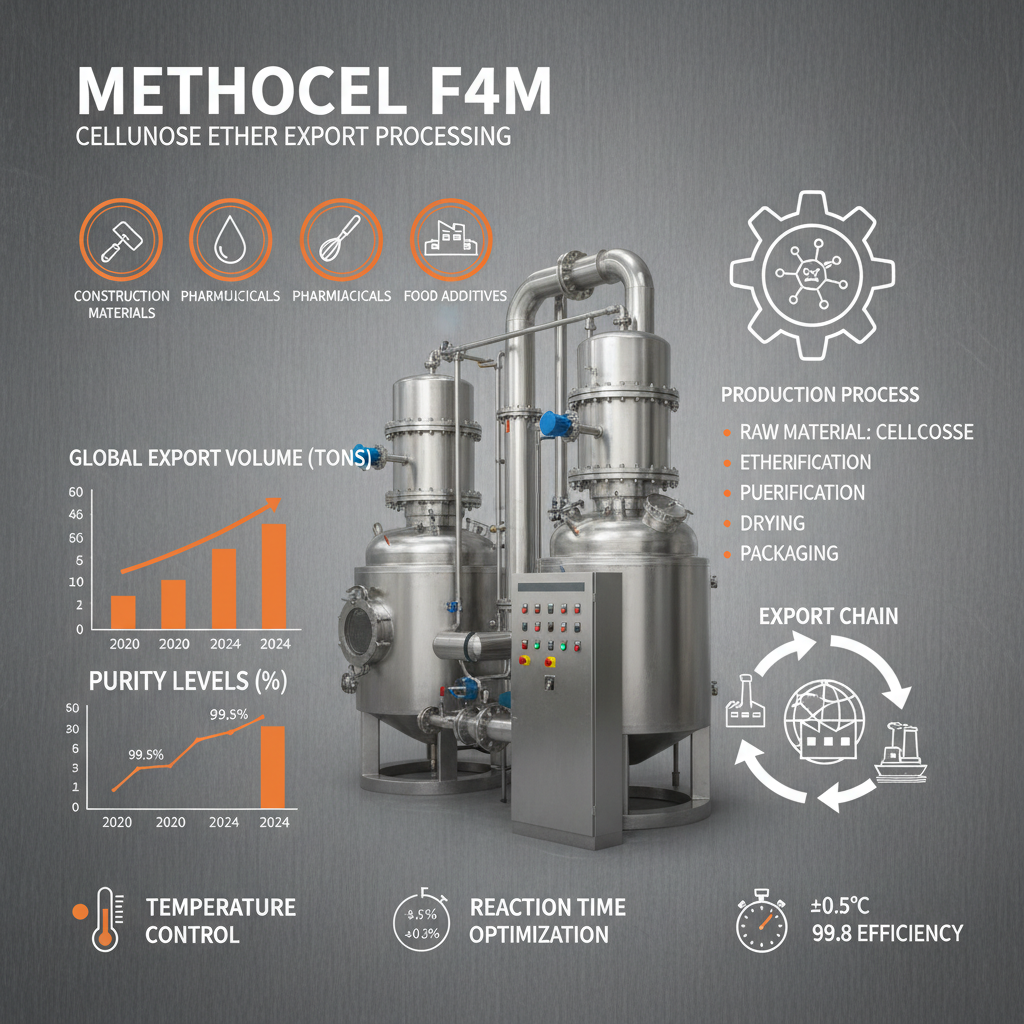
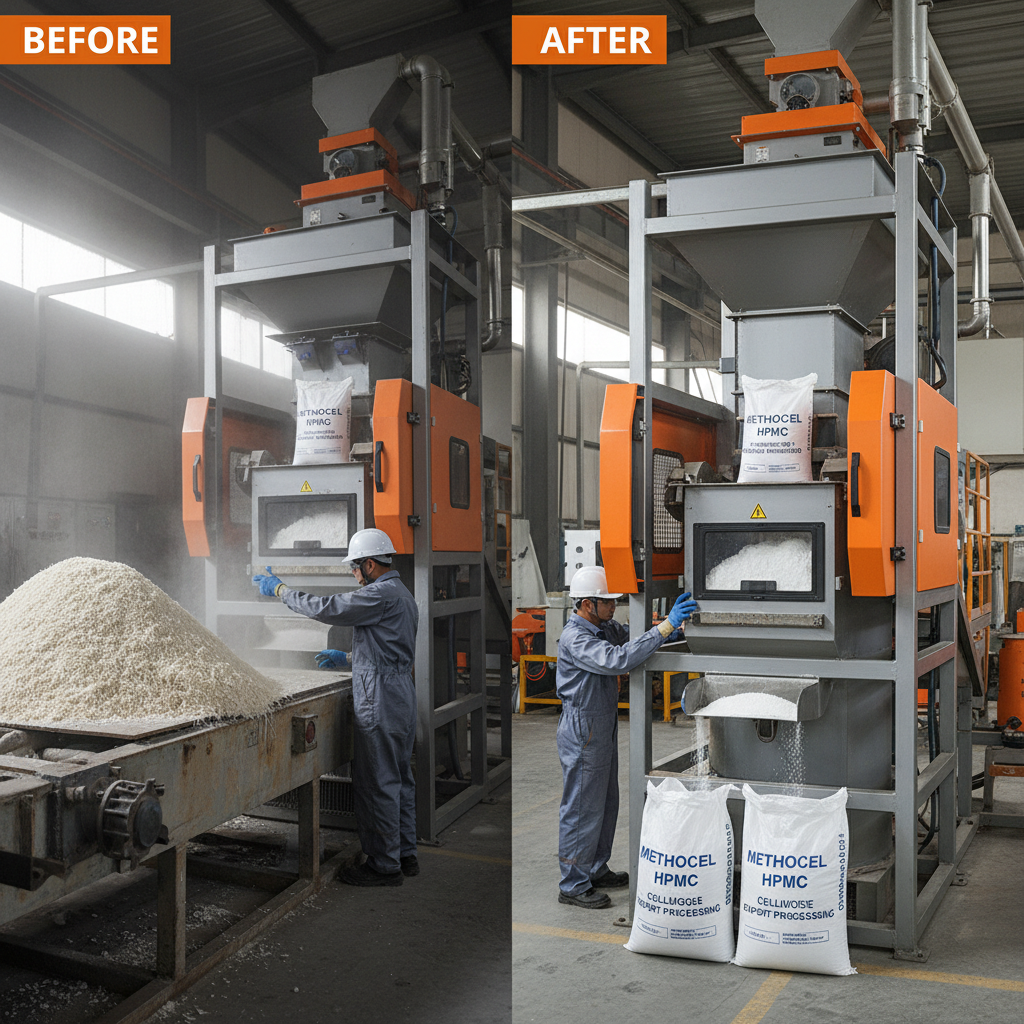
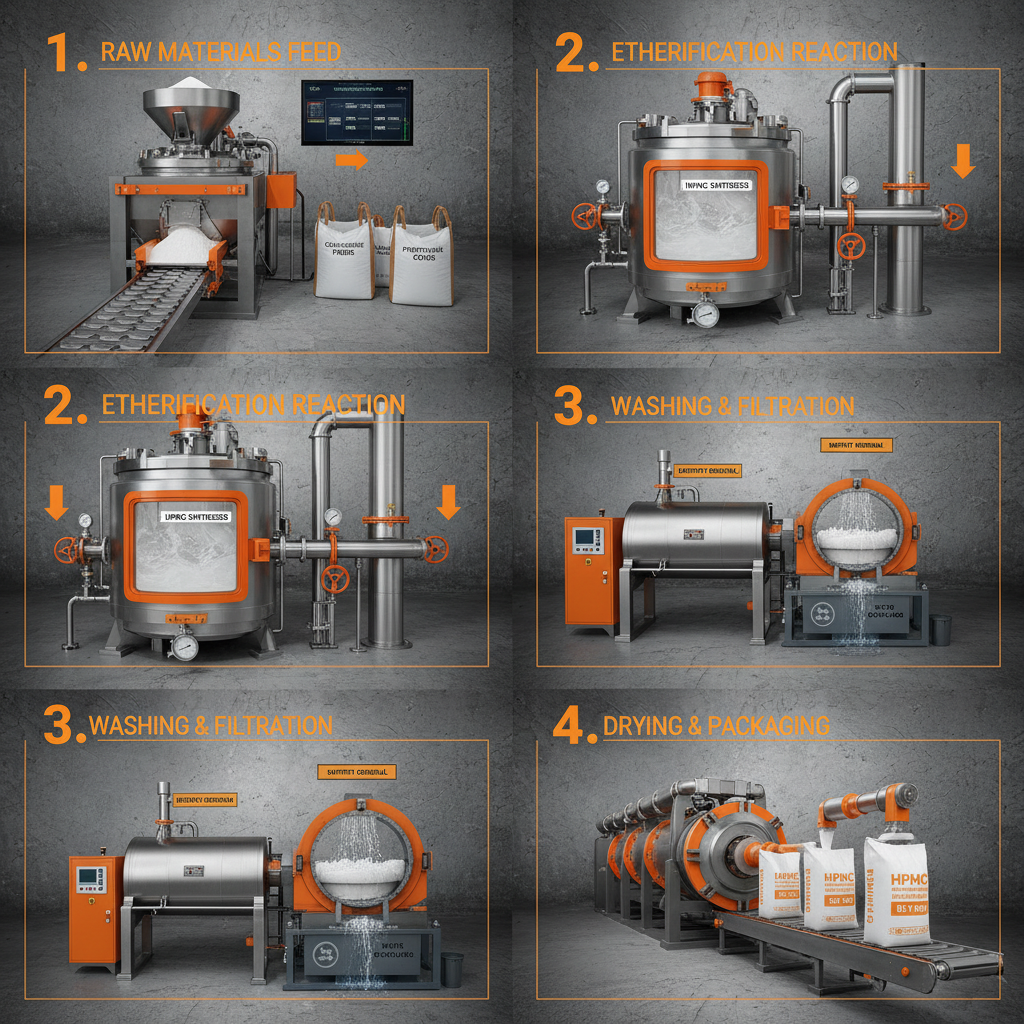
Methocel F4M is a crucial ingredient across diverse industries, renowned for its exceptional film-forming capabilities and thermal gelation properties. Its role extends from pharmaceutical solid dosage forms to specialized industrial applications, impacting product performance and manufacturing efficiency. Understanding the nuances of methocel F4M allows for optimized formulation strategies and innovative product development, addressing challenges in areas like controlled release, viscosity control, and adhesion.
Globally, the demand for high-performing excipients like methocel F4M continues to rise, fueled by an aging population and increasing focus on innovative drug delivery systems. The pharmaceutical sector, in particular, relies heavily on its properties to enhance drug bioavailability and patient compliance. Beyond pharmaceuticals, industries like food, cosmetics, and adhesives also benefit from its unique characteristics, contributing to economic growth and advancements in material science.
The effectiveness of methocel F4M stems from its chemical structure and resulting physical properties. As a cellulose ether, it provides water solubility, thickening, and film-forming abilities, making it an indispensable component in numerous formulations. Continued research and development are focused on tailoring its properties to meet evolving industry needs and explore new potential applications for this versatile polymer.
Introduction to Methocel F4M
Methocel F4M is a water-soluble polymer widely employed as a binder, film-former, and controlled-release agent. Its unique properties stem from its modified cellulose structure, granting it versatility in numerous applications. The ‘F’ designation indicates a relatively low viscosity in solution, while ‘4M’ designates its molecular weight range, crucial for predicting its behavior in formulation.
Understanding the basics of methocel F4M – its solubility, viscosity, and gelation characteristics – is essential for anyone involved in pharmaceutical development, food science, or industrial materials engineering. Its ability to form clear, strong films makes it ideal for coating tablets and producing protective barriers in various applications.
Global Relevance and Industry Impact
The global market for cellulose ethers, including methocel F4M, is substantial and continually growing. According to recent market reports, the industry is projected to reach billions of dollars in the coming years, driven by the increasing demand for specialized polymers in healthcare, construction, and food processing. This growth reflects a broader trend towards high-performance materials and sustainable solutions.
Pharmaceutical companies worldwide rely on methocel F4M to improve drug delivery and enhance product stability. The need for effective controlled-release formulations is particularly strong in addressing chronic diseases and improving patient compliance. Furthermore, its use in food applications contributes to texture modification, thickening, and stabilization, meeting consumer demands for palatable and shelf-stable products.
A challenge lies in ensuring consistent quality and supply chain reliability for methocel F4M. Geopolitical factors and raw material sourcing can impact production costs and availability. Businesses must prioritize strategic partnerships and sustainable sourcing practices to mitigate these risks and maintain a competitive edge.
Defining Methocel F4M: Properties and Uses
Methocel F4M is a chemically modified cellulose derivative where methoxy groups are attached to the cellulose backbone. This modification imparts water solubility and allows for control over its viscosity and gelation behavior. The degree of substitution (DS) is a critical parameter affecting its properties; higher DS values generally lead to increased water solubility.
Its primary function is to act as a film-forming agent and viscosity modifier. In pharmaceutical applications, it’s used in tablet coatings to control drug release rates, protecting the active ingredient from degradation. It also functions as a binder in tablet granulation, providing the necessary cohesiveness for solid dosage forms. In food applications, it serves as a thickener, stabilizer, and emulsifier, enhancing texture and shelf life.
The versatility of methocel F4M is further enhanced by its thermal gelation property. When heated above a certain temperature, it forms a clear, reversible gel, which can be utilized in various applications like personal care products and industrial adhesives. This unique characteristic distinguishes it from other cellulose ethers and expands its potential applications.
Key Characteristics of Methocel F4M
One crucial characteristic of methocel F4M is its solubility in both cold and hot water, although the rate of dissolution varies with temperature. This allows for flexibility in formulation design and processing. Its relatively low viscosity compared to other methocel grades makes it ideal for applications where easy handling and good flow properties are required.
Another significant feature is its excellent film-forming ability. The films produced are clear, flexible, and strong, providing a protective barrier against moisture and oxygen. This makes it invaluable for coating tablets, seeds, and various surfaces requiring a protective layer.
Methocel F4M Performance Metrics
Applications Across Industries
In the pharmaceutical industry, methocel F4M is a cornerstone ingredient in tablet coatings for modified release profiles, providing both immediate and sustained release options. It also serves as a binder in dry granulation processes, enhancing tablet hardness and ensuring consistent dosage. Beyond solid dosage forms, it is utilized in topical formulations for its film-forming and thickening properties.
The food industry leverages methocel F4M for texture modification in sauces, dressings, and desserts. Its ability to maintain viscosity over a wide temperature range makes it ideal for creating stable emulsions and preventing syneresis. It also improves the mouthfeel and overall sensory experience of food products.
Advantages and Long-Term Value
Utilizing methocel F4M leads to significant cost savings through optimized formulations and reduced material waste. Its consistent quality and predictable behavior minimize production issues and ensure reliable product performance. Furthermore, its inherent biocompatibility and low toxicity contribute to safer and more consumer-friendly products.
From a sustainability perspective, methocel F4M is derived from renewable cellulose sources, offering a greener alternative to synthetic polymers. Its biodegradability further minimizes its environmental impact. Investing in methocel F4M showcases a commitment to responsible manufacturing practices and long-term sustainability.
Future Trends and Innovations
Ongoing research focuses on enhancing the properties of methocel F4M through chemical modification and blending with other polymers. Nanotechnology and microencapsulation techniques are being explored to create advanced delivery systems with tailored release profiles. These innovations promise to unlock new applications in targeted drug delivery and personalized medicine.
The integration of digital technologies, such as artificial intelligence and machine learning, will play a key role in optimizing formulations containing methocel F4M. Predictive modeling and data analytics will enable scientists to better understand its behavior and design more efficient and effective products.
Emphasis on bio-based and sustainable materials is driving the development of new cellulose ether derivatives with improved functionality and reduced environmental footprint. Methocel F4M stands to benefit from these advancements, solidifying its position as a leading excipient and industrial polymer.
Summary of Methocel F4M Applications and Performance
| Application Area |
Key Performance Indicators |
Methocel F4M Contribution |
Overall Rating (1-10) |
| Pharmaceutical Tablet Coating |
Film Strength, Drug Release Control |
Provides durable, flexible films with precise release profiles |
9 |
| Food Thickening and Stabilization |
Viscosity, Shear Stability |
Maintains viscosity over a wide temperature range, prevents syneresis |
8 |
| Industrial Adhesives |
Adhesion Strength, Tack |
Forms strong, reversible bonds with excellent tack |
7 |
| Cosmetic Formulations |
Film-forming, Texture |
Imparts a smooth, elegant texture to creams and lotions |
6 |
| Seed Coating |
Film Adhesion, Water Permeability |
Protects seeds from environmental stresses, allows for controlled water uptake |
8 |
| Printing Inks |
Viscosity Control, Pigment Dispersion |
Enhances ink flow and pigment stability |
7 |
FAQS
Methocel F4M primarily functions as a binder and film-former in tablet formulations. As a binder, it provides cohesive strength to the tablet granules, ensuring that the tablet remains intact during manufacturing and handling. Its film-forming properties are crucial for coating tablets, controlling drug release, and protecting the active pharmaceutical ingredient from degradation. The grade 'F4M' provides a specific viscosity and molecular weight range optimized for these functions.
Methocel F4M’s impact on drug release is dictated by its concentration and the overall coating thickness. It forms a gel matrix that slows down the diffusion of the drug, resulting in sustained release. Higher concentrations and thicker coatings generally lead to slower drug release rates. The polymer's swelling characteristics in aqueous environments control the rate at which the drug can permeate through the coating.
While generally considered compatible with a wide range of drug substances, compatibility should always be assessed on a case-by-case basis. Factors like drug solubility, pH sensitivity, and potential for interactions with the cellulose ether need to be evaluated. Pre-formulation studies, including compatibility testing, are essential to ensure that methocel F4M doesn't negatively impact the drug's stability or bioavailability.
Methocel F4M offers a desirable balance of properties for food applications. Its relatively low viscosity allows for easy incorporation into formulations without significantly altering the overall texture. It provides excellent thickening, stabilization, and film-forming capabilities. Compared to higher viscosity grades, it delivers a smoother mouthfeel and improved clarity in finished products.
Methocel F4M is derived from cellulose, a naturally occurring polymer found in plant cell walls, primarily sourced from wood pulp or cotton linters. This makes it a renewable and sustainable material compared to petroleum-based polymers. However, the sustainability of the sourcing process depends on responsible forestry practices and efficient manufacturing processes. Many suppliers are now implementing sustainable sourcing initiatives to minimize environmental impact.
Methocel F4M should be stored in a cool, dry place, away from direct sunlight and moisture. Exposure to humidity can lead to clumping and changes in viscosity. It's recommended to keep the material in its original, tightly sealed container to prevent contamination and maintain its optimal properties. Proper storage is crucial for ensuring consistent performance in formulations.
Conclusion
Methocel F4M stands as a remarkably versatile polymer, playing a critical role across diverse industries, from pharmaceuticals to food science and beyond. Its unique combination of film-forming properties, viscosity control, and thermal gelation capabilities makes it an indispensable ingredient in numerous formulations. Understanding its properties and applications empowers professionals to optimize product performance, improve manufacturing efficiency, and drive innovation.
Looking ahead, ongoing research and development will continue to unlock new potential applications for methocel F4M, particularly in areas like targeted drug delivery and sustainable materials. Embracing advancements in formulation science and digital technologies will enable us to harness its full potential and create products that are both effective and environmentally responsible. For further information and to explore how methocel F4M can benefit your applications, visit our website: www.sshbhpmc.com.