Wecome to HeBei ShengShi HongBang Cellulose Technology CO.,LTD.

  • fff1
  • fff2
  • fff3
  • fff4
  • Group 205.webp1
HeBei ShengShi HongBang Cellulose Technology CO.,LTD.
0%

Table of Contents

mhec cellulose, or methylhydroxyethyl cellulose, is a versatile water-soluble polymer increasingly vital across diverse industries globally. Its unique properties – including thickening, binding, film-forming, and suspension capabilities – make it indispensable in construction, pharmaceuticals, food, cosmetics, and more. Understanding mhec cellulose is crucial for innovation and sustainable practices in these sectors, contributing to enhanced product performance and reduced environmental impact. mhec cellulose plays a critical role in modern material science.

The global demand for mhec cellulose is experiencing significant growth, driven by expanding construction activities, a burgeoning pharmaceutical industry, and rising consumer awareness of healthier food and cosmetic options. According to market research reports, the mhec cellulose market is projected to reach substantial figures in the coming years. This growth underscores the importance of efficient and sustainable production methods. This isn't simply a chemical compound; it’s a facilitator of progress.

Challenges related to traditional building materials, like cracking and permeability, are effectively addressed using mhec cellulose-based solutions. Moreover, its biocompatibility and non-toxicity make it an ideal excipient in pharmaceutical formulations. As such, understanding the intricacies of mhec cellulose and its potential applications is becoming ever more critical for professionals and researchers alike.
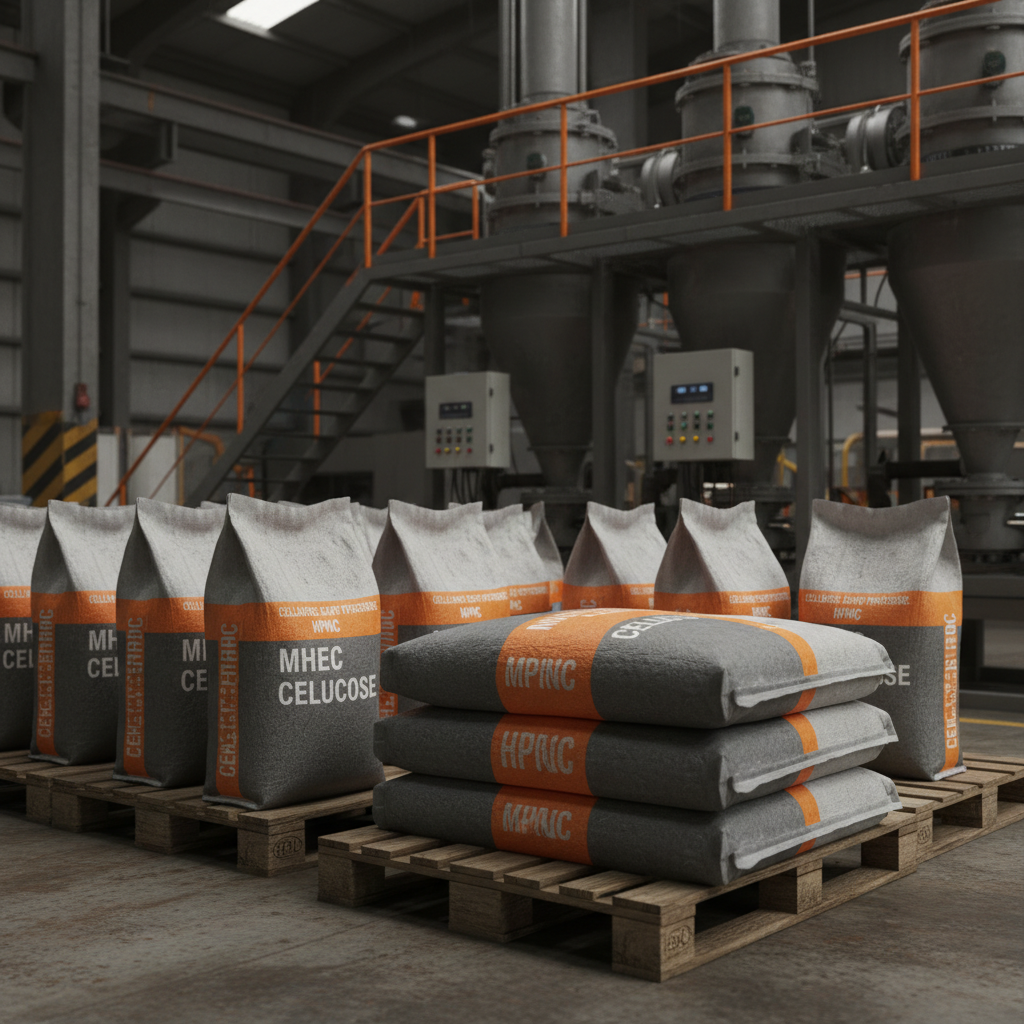
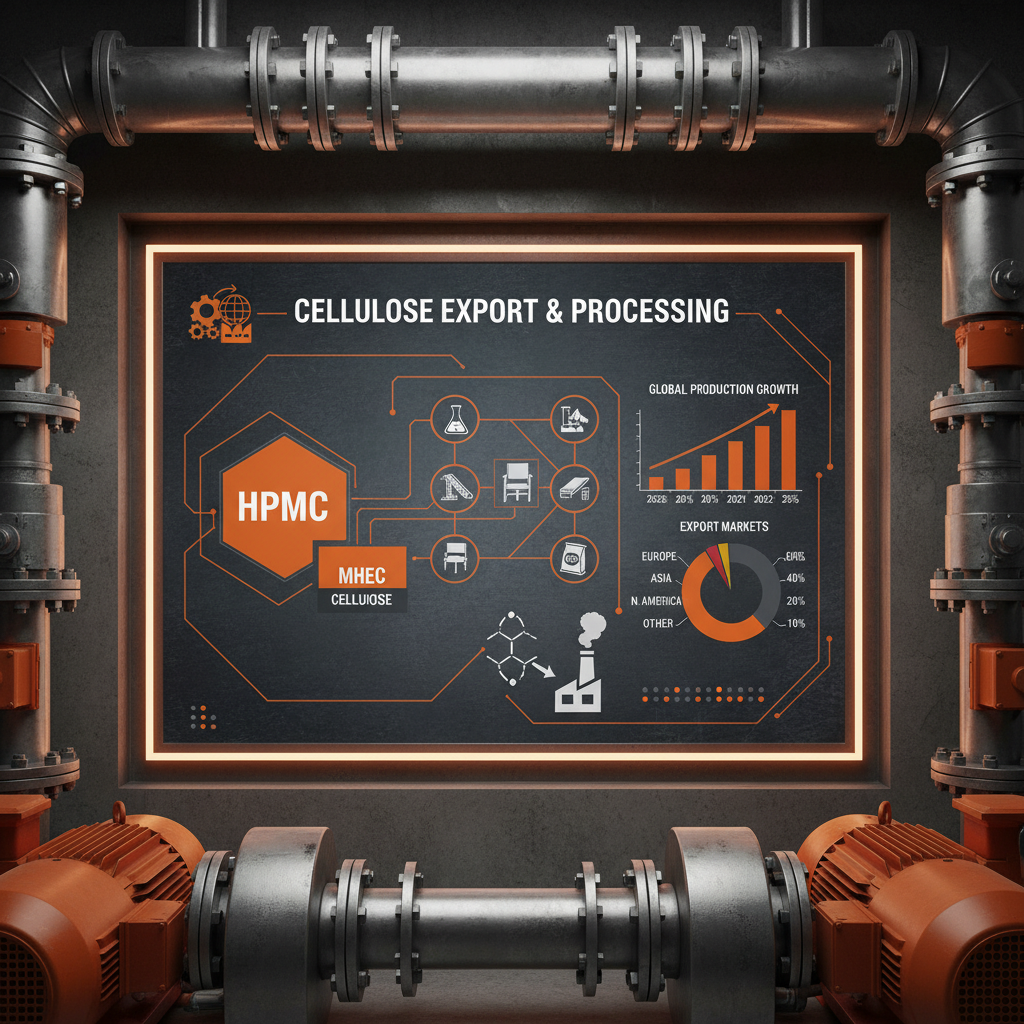
Exploring the Versatility and Applications of mhec Cellulose in Modern Industries

Introduction to mhec Cellulose

Exploring the Versatility and Applications of mhec Cellulose in Modern Industries

mhec cellulose stands out as a crucial additive across a wide array of industries, offering solutions to common formulation challenges. Its ability to control viscosity, enhance stability, and improve texture makes it a preferred choice in applications ranging from construction materials to personal care products. mhec cellulose’s unique molecular structure allows for exceptional performance.

The versatility of mhec cellulose stems from its cellulose base, a naturally occurring polymer found in plant cell walls. By modifying cellulose with methyl and hydroxyethyl groups, scientists have created a water-soluble derivative with tunable properties, making it adaptable to a vast spectrum of applications.

Global Relevance and Industry Context

The demand for mhec cellulose is inextricably linked to global trends in construction, pharmaceuticals, food processing, and personal care. Rapid urbanization and infrastructure development, particularly in emerging economies, are driving the need for high-performance construction materials, where mhec cellulose acts as a critical component in cement-based products, tile adhesives, and exterior insulation finishing systems (EIFS).

The pharmaceutical sector relies heavily on mhec cellulose as a binder, film-former, and controlled-release agent in oral solid dosage forms, contributing to the efficacy and bioavailability of medications. Furthermore, the growing emphasis on clean-label ingredients in the food and cosmetic industries is boosting demand for mhec cellulose as a natural and safe thickening and stabilizing agent. Data from the UN projects a global population increase to nearly 10 billion by 2050, directly correlating with increased demand for these core industries.

Specifically, ISO standards relating to building materials are increasingly referencing the performance characteristics enabled by cellulose ethers like mhec cellulose, highlighting its integration into internationally recognized quality control frameworks. The rising demand puts pressure on manufacturers to develop more sustainable and efficient production processes.

Defining mhec Cellulose

mhec cellulose is a non-ionic, water-soluble polymer derived from cellulose through chemical modification. The process involves reacting cellulose with methyl chloride and ethylene oxide, introducing methoxyl and hydroxyethyl groups along the cellulose chain. This modification enhances the polymer’s water solubility and imparts unique properties, such as thermal gelation and surface activity.

Essentially, mhec cellulose bridges the gap between natural cellulose and the needs of modern industrial applications. While cellulose itself is insoluble in water, the addition of methyl and hydroxyethyl groups makes it readily dispersible and soluble, opening up a world of possibilities for its use in various formulations. This transformation is key to its widespread adoption.

Its connection to modern humanitarian needs is also significant. The availability and relatively low cost of cellulose, combined with the ability to tailor mhec cellulose’s properties, make it valuable in developing cost-effective solutions for water purification, disaster relief, and sustainable agriculture. mhec cellulose is a prime example of how chemical modification can unlock the potential of natural resources.

Key Properties of mhec Cellulose

The remarkable properties of mhec cellulose are what make it so versatile. These characteristics directly impact its performance in various applications, shaping its role in modern industries.

Specifically, these properties include high water solubility, thermal gelation, surface activity, and pseudoplasticity. Understanding these facets is vital to maximizing the benefits of this crucial ingredient.

mhec Cellulose Property Ratings


Applications Across Industries

mhec cellulose finds broad applications in the construction industry, acting as a water retention agent, thickener, and binder in cement-based mortars, tile adhesives, and self-leveling compounds. This prevents premature drying, improving workability and adhesion.

In the pharmaceutical sector, it’s employed as a binder in tablet formulations, a film-coating agent, and a viscosity modifier in liquid medications. In the food industry, mhec cellulose serves as a thickening agent, stabilizer, and emulsifier in sauces, dressings, desserts, and bakery products. In cosmetics, it contributes to the texture, stability, and film-forming properties of creams, lotions, and shampoos.

Benefits and Long-Term Value

The tangible benefits of utilizing mhec cellulose extend beyond simply improving product performance. Cost-effectiveness is a key advantage, as relatively small amounts are needed to achieve significant effects. Sustainability is also a major driver; being derived from a renewable resource (cellulose) offers a greener alternative to petroleum-based polymers.

From a social impact perspective, mhec cellulose contributes to improved product safety and reliability, enhancing the quality of life for end-users. The predictable behavior of mhec cellulose in formulations fosters trust among manufacturers and consumers alike, leading to enhanced brand reputation and loyalty.

Future Trends and Innovations

Ongoing research focuses on refining the production processes for mhec cellulose, aiming for greater efficiency and reduced environmental impact. The exploration of new modification techniques promises to unlock even more specialized properties, expanding its application range further.

Specifically, developments in green chemistry and bio-based materials are driving the search for more sustainable feedstock sources for cellulose. Integration with digital transformation technologies, like automated formulation design and quality control systems, will optimize the use of mhec cellulose in various industries.

The push for increased automation in manufacturing will also require high-performance additives like mhec cellulose to ensure consistent product quality and process control.

Summary of mhec Cellulose Applications and Challenges

Application Area Key Benefits of mhec Cellulose Current Challenges Potential Solutions
Construction Improved workability, water retention, adhesion Cost fluctuations, supply chain disruptions Diversifying sourcing, local production
Pharmaceuticals Binder, film-former, controlled-release agent Stringent regulatory requirements, formulation challenges Optimized formulations, advanced analytical techniques
Food & Beverage Thickening, stabilization, emulsification Consumer perception, clean-label demands Highlighting natural origin, transparency in labeling
Cosmetics Texture enhancement, stability, film-forming properties Competition from synthetic polymers, sustainability concerns Developing bio-based alternatives, emphasizing natural benefits
Textile Industry Thickening agent for printing pastes, sizing agent Wastewater treatment challenges, environmental impact Implementing closed-loop systems, biodegradable formulations
Paints and Coatings Viscosity modifier, suspension agent, film former VOC emissions, performance limitations Low-VOC formulations, optimized polymer design

FAQS

What are the key benefits of using mhec cellulose in construction materials?

mhec cellulose significantly improves the workability, water retention, and adhesion of cement-based materials. This leads to better crack resistance, enhanced durability, and easier application. By preventing premature drying, it allows for proper hydration of the cement, ultimately resulting in a stronger and more reliable structure. Furthermore, it reduces the need for excessive water, contributing to a lower water-to-cement ratio and improved concrete strength. It's a valuable additive for modern construction techniques.

How does mhec cellulose contribute to pharmaceutical formulations?

mhec cellulose serves multiple crucial roles in pharmaceuticals. It functions as an effective binder to hold tablet ingredients together, a film-coating agent for controlled release, and a viscosity modifier in liquid medications. Its biocompatibility and non-toxicity make it a safe and reliable excipient. Its ability to control drug release profiles is particularly valuable in developing sustained-release formulations, improving patient compliance and therapeutic outcomes.

Is mhec cellulose a sustainable alternative to synthetic polymers?

Yes, mhec cellulose is generally considered a more sustainable option than many petroleum-based synthetic polymers. It’s derived from cellulose, a renewable resource found in plant cell walls. While the chemical modification process does have an environmental footprint, ongoing research focuses on optimizing this process for greater efficiency and reduced waste. The biodegradability of cellulose, even after modification, offers a significant advantage over non-biodegradable synthetic alternatives.

What factors influence the viscosity of mhec cellulose solutions?

Several factors affect the viscosity of mhec cellulose solutions, including concentration, molecular weight, degree of substitution (DS), and temperature. Higher concentrations generally lead to higher viscosity. Higher molecular weight polymers exhibit greater entanglement, increasing viscosity. The DS, representing the amount of methyl and hydroxyethyl groups attached to the cellulose chain, also influences solubility and viscosity. Finally, viscosity typically decreases with increasing temperature.

How is mhec cellulose processed and manufactured?

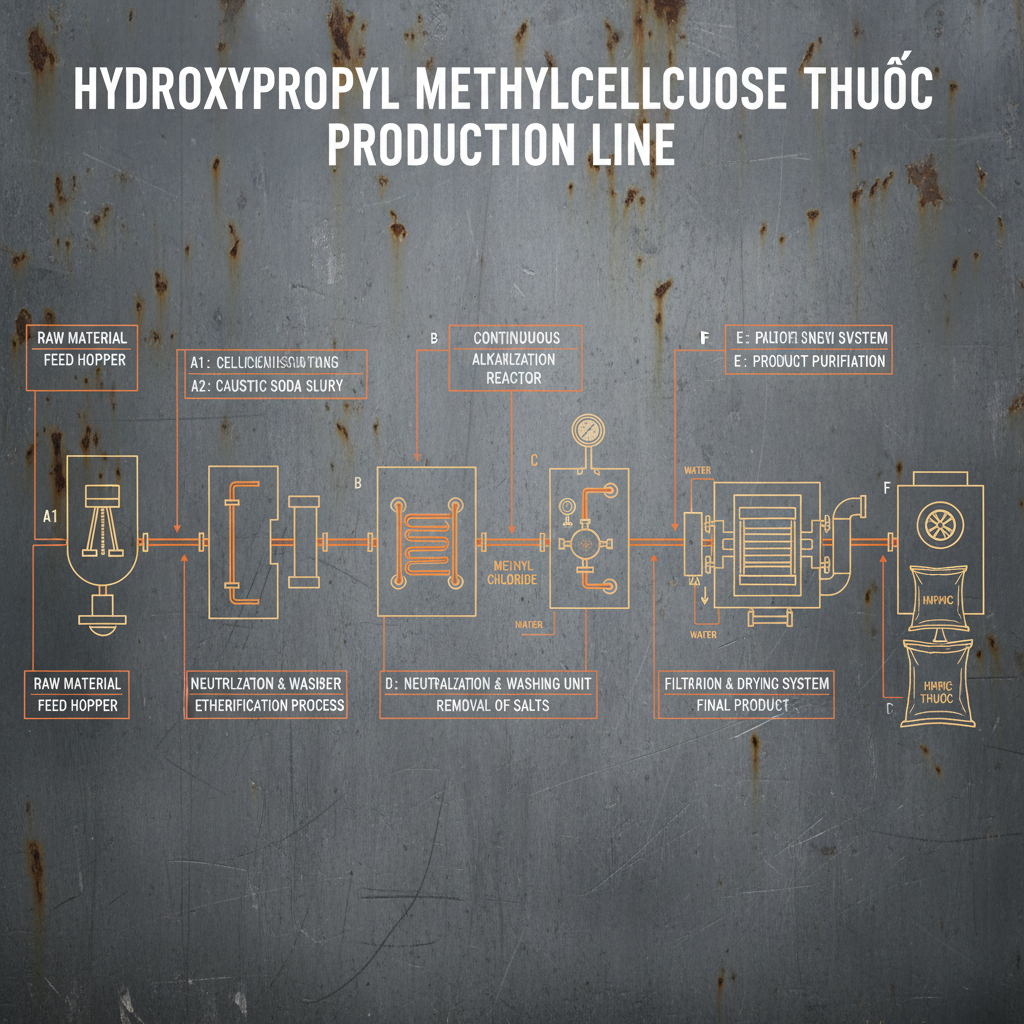
The manufacturing process of mhec cellulose involves several key steps. Initially, cellulose is sourced from wood pulp or cotton linters. This cellulose undergoes alkalization followed by etherification, where methyl chloride and ethylene oxide are introduced to modify the cellulose structure. The resulting product is then purified, dried, and milled to achieve the desired particle size and consistency. Quality control measures are implemented throughout the process to ensure product specifications are met.

Are there any safety considerations when handling mhec cellulose?

mhec cellulose is generally considered safe for handling, but like any chemical substance, certain precautions should be observed. Avoid inhalation of dust during handling, as it can cause respiratory irritation. Wear appropriate personal protective equipment (PPE), such as dust masks and gloves. Ensure adequate ventilation in the work area. Refer to the Material Safety Data Sheet (MSDS) for detailed safety information and handling guidelines. It's also important to store it in a cool, dry place away from incompatible materials.

Conclusion

In conclusion, mhec cellulose is a remarkably versatile polymer with a broad spectrum of applications spanning construction, pharmaceuticals, food, and beyond. Its unique combination of properties – including thickening, binding, film-forming, and water retention – makes it an indispensable ingredient in countless formulations, enhancing product performance, and contributing to sustainable practices. mhec cellulose is far more than just an additive; it’s an enabling technology.

Looking ahead, continued innovation in mhec cellulose production and application promises even greater benefits. Further research into sustainable sourcing, advanced modification techniques, and integration with digital technologies will unlock its full potential, driving progress across industries and contributing to a more sustainable future. We encourage exploration of this invaluable material for optimized solutions.

Robert Chen

Robert Chen

Robert Chen serves as the North American Sales Manager for Hebei ShengShi HongBang Cellulose Technology. He brings a robust background in international sales and technical marketing, specifically within the specialty chemicals sector. Robert is responsible for expanding the company’s presence in the US and Canada, focusing on key markets like
Previous Exploring the Versatile Applications of mhec Powder Across Industries
Next Exploring the Versatility and Applications of Methyl Hydroxyethyl Cellulose MHEC