-

Add: HeBei ShengShi HongBang Cellulose Technology CO.,LTD.
-

Email
13180486930@163.com -

CONTACT US
+86 13180486930

Wood Cellulose Properties and Industrial Applications Guide
The Ultimate Guide to Wood Cellulose: Properties and Industrial Applications
In the modern pursuit of sustainable materials, wood cellulose has emerged as a cornerstone of green chemistry and industrial innovation. As a naturally occurring polymer derived from the cell walls of plants, it offers an unparalleled combination of strength, biodegradability, and versatility. From the construction of eco-friendly buildings to the formulation of advanced pharmaceuticals, this organic compound is replacing synthetic alternatives worldwide. Understanding the nuances of its structure and application is essential for businesses looking to optimize their production efficiency while reducing their environmental footprint. In this comprehensive guide, we will explore how this remarkable material is shaping the future of various global industries.
What Exactly is Wood Cellulose?
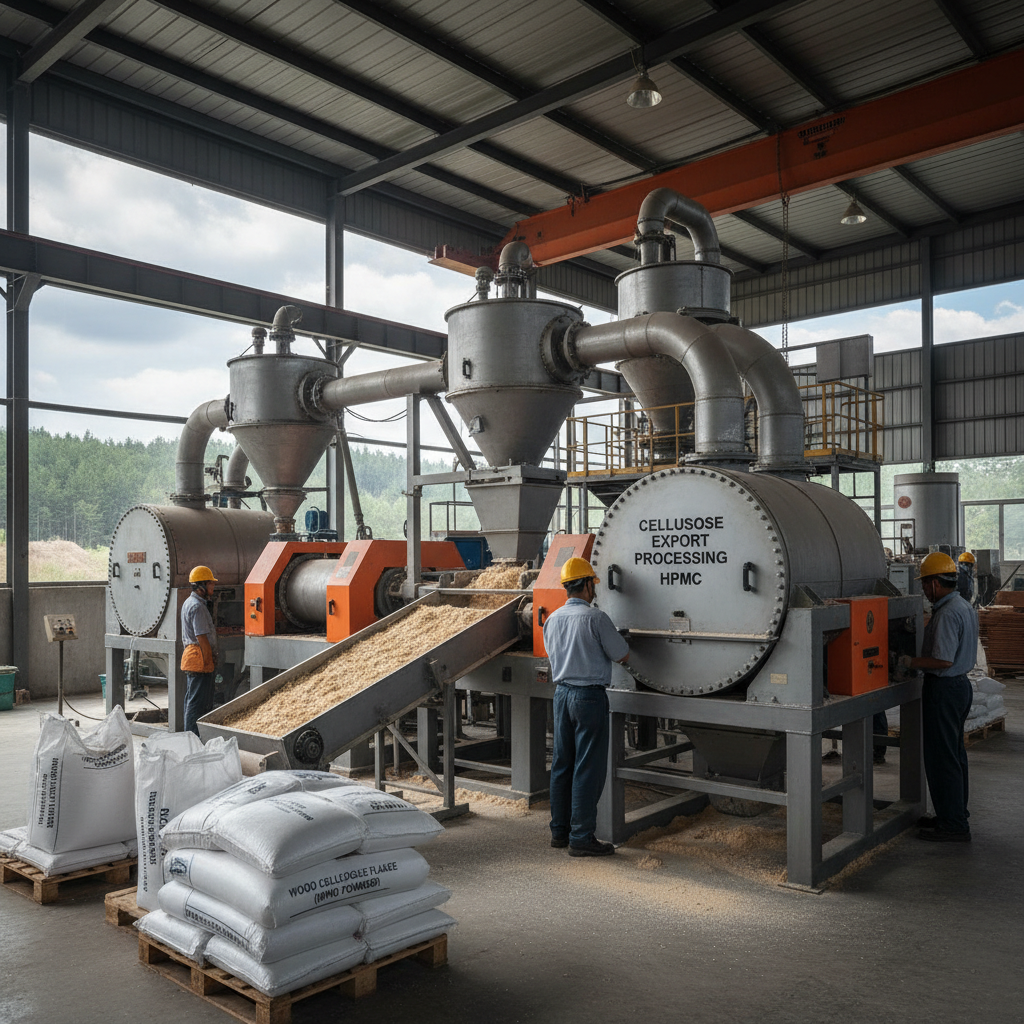
At its core, wood cellulose is a linear chain of several hundred to many thousands of β(1→4) linked D-glucose units. It is the primary structural component of the primary cell wall of green plants. Unlike starch, which is designed for energy storage, cellulose is built for structural integrity. This makes it incredibly rigid and resistant to tension. In industrial processing, wood pulp is treated to isolate these cellulose fibers, which can then be chemically modified or physically processed to create a wide array of derivatives, such as cellulose ethers or nanocrystals. This adaptability is what makes it an indispensable raw material in the global supply chain.
Industrial Insight: The purity of the extracted cellulose directly impacts the quality of the final product. High-purity wood cellulose ensures consistent viscosity and stability in chemical formulations.
Key Benefits of Using Wood Cellulose in Manufacturing
Integrating wood cellulose into manufacturing processes provides a multitude of technical and environmental advantages. Firstly, its exceptional water-retention capabilities make it an ideal thickening agent in paints and adhesives. Secondly, its biodegradability solves the growing crisis of microplastic pollution, as cellulose-based plastics decompose naturally. Furthermore, its high thermal stability allows it to be used in materials that must withstand temperature fluctuations without losing shape. By switching to bio-based polymers, companies not only comply with stricter international environmental regulations but also appeal to the growing demographic of eco-conscious consumers.
Top Advantages:
• Fully renewable and sustainable sourcing
• Superior thickening and stabilizing properties
• Non-toxic and biocompatible for medical use
• Reduced carbon footprint compared to synthetic polymers
Comparative Analysis: Wood Cellulose vs. Synthetic Polymers
When choosing between wood cellulose and synthetic alternatives like polyethylene or acrylics, the decision usually hinges on the balance between cost, performance, and sustainability. While synthetics offer highly predictable properties, they often come with a heavy environmental toll. Cellulose-based materials provide a "breathable" alternative with natural chemical affinities that synthetics cannot replicate. The following table highlights the stark differences in performance and ecological impact between these two material classes.
Industrial Applications of Wood Cellulose
The versatility of wood cellulose allows it to span multiple sectors. In the construction industry, cellulose insulation is prized for its fire-retardant properties and thermal efficiency. In the food and cosmetic industry, modified cellulose acts as an emulsifier and stabilizer, ensuring a smooth texture in creams and sauces. Additionally, the pharmaceutical sector uses it as a binder for tablets and a controlled-release agent for medication. These diverse applications prove that cellulose is not just a "filler" but a functional additive that enhances the performance of the end product.
Technical Specifications of Wood Cellulose Grade
For procurement managers and engineers, understanding the technical specifications of wood cellulose is critical for ensuring product compatibility. Depending on the processing method (e.g., chemical pulping vs. mechanical pulping), the purity, moisture content, and particle size will vary. High-grade industrial cellulose typically maintains a high alpha-cellulose content, which determines the strength of the resulting material. Below is a typical specification sheet for industrial-grade wood cellulose powder.
Future Trends: Nanocellulose and Beyond
The evolution of wood cellulose is currently moving toward the nanoscale. Nanocellulose—consisting of cellulose nanocrystals (CNC) and cellulose nanofibrils (CNF)—is being hailed as the "steel of the 21st century." These materials possess a strength-to-weight ratio higher than that of many metals, opening doors for lightweight automotive parts, high-performance electronics, and advanced wound-healing scaffolds in medicine. As processing costs decrease, we can expect these high-tech derivatives to move from the laboratory to mass-market production, further solidifying the role of cellulose in a circular economy.
Conclusion: Embracing the Power of Wood Cellulose
The transition toward wood cellulose represents more than just a material swap; it is a strategic shift toward sustainability. By leveraging its unique structural properties and biocompatibility, industries can innovate products that are both high-performing and planet-friendly. Whether it is through improving the durability of construction materials or pioneering the next generation of bio-plastics, cellulose remains a vital asset for the global economy. Investing in high-quality cellulose sources is the first step toward a greener, more efficient industrial future.
Frequently Asked Questions (FAQs)
Is wood cellulose sustainable compared to cotton cellulose?
Yes, in most industrial contexts, wood cellulose is considered more sustainable. While both are cellulose-based, wood can be harvested from sustainably managed forests (certified by FSC or PEFC), which typically require less water and pesticides than large-scale cotton farming. Additionally, the industrial infrastructure for wood pulping is highly optimized, allowing for larger volumes of material to be processed with a lower relative energy cost per ton, making it the preferred choice for large-scale industrial applications.
How does cellulose affect the viscosity of a liquid?
Wood cellulose and its derivatives act as thickening agents through a process called hydration. The hydroxyl groups in the cellulose chain form hydrogen bonds with water molecules, creating a network that traps water and increases the internal friction (viscosity) of the liquid. This is why wood cellulose is so widely used in shampoos, paints, and food sauces to provide a rich, stable consistency without altering the taste or chemical nature of the product.
Can wood cellulose be used as a replacement for plastic?
Absolutely. Through the production of cellulose acetate or regenerated cellulose fibers (like rayon), it can be formed into films, sheets, and fibers that mimic the properties of traditional plastics. Moreover, the development of nanocellulose allows for the creation of bio-composites that are incredibly strong and transparent. These materials are fully biodegradable, meaning they break down into organic matter in a fraction of the time it takes for petroleum-based plastics to decompose, significantly reducing landfill waste.
What is the difference between cellulose and cellulose ethers?
Pure cellulose is insoluble in water and most organic solvents due to its highly crystalline structure. Cellulose ethers are chemically modified versions where some of the hydroxyl groups are replaced by other functional groups (like methyl or hydroxypropyl groups). This modification breaks the crystallinity, making the material soluble in water or other solvents. This allows the wood cellulose derivatives to be easily mixed into liquids for use as binders, thickeners, and stabilizers in various commercial products.
-
Industrial Guide to ГПМЦ целлюлоза High Performance CelluloseNewsApr.16,2026
-
Does Wood Contain Cellulose A Detailed Exploration of its Composition and UsesNewsApr.07,2026
-
Understanding Wood Cellulose Meaning Applications and Future TrendsNewsApr.04,2026
-
Exploring the Potential of Wood Cellulose is wood cellulose a Sustainable MaterialNewsMar.31,2026
-
Exploring the Sustainability and Versatility of Cellulose Wood ChipsNewsMar.28,2026
-
Understanding Wood Pulp Cellulose A Comprehensive Guide to Properties and ApplicationsNewsMar.26,2026
-
What is Wood Cellulose A Comprehensive Exploration of Properties and ApplicationsNewsMar.24,2026