


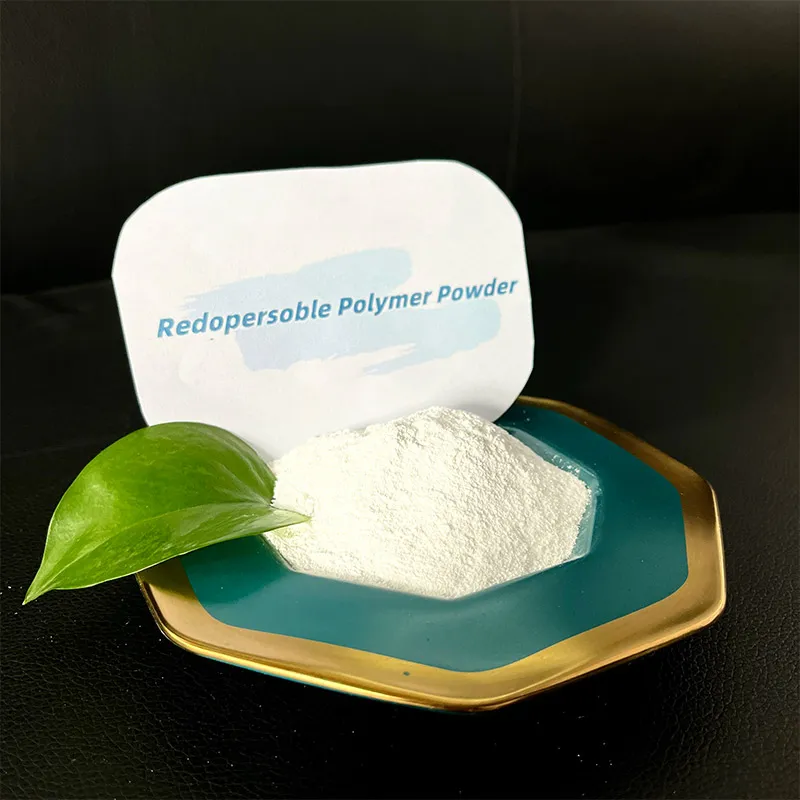
Rubber Powder821 Ceramic Tile Adhesive Binder China Factory Suppliers
Product Overview
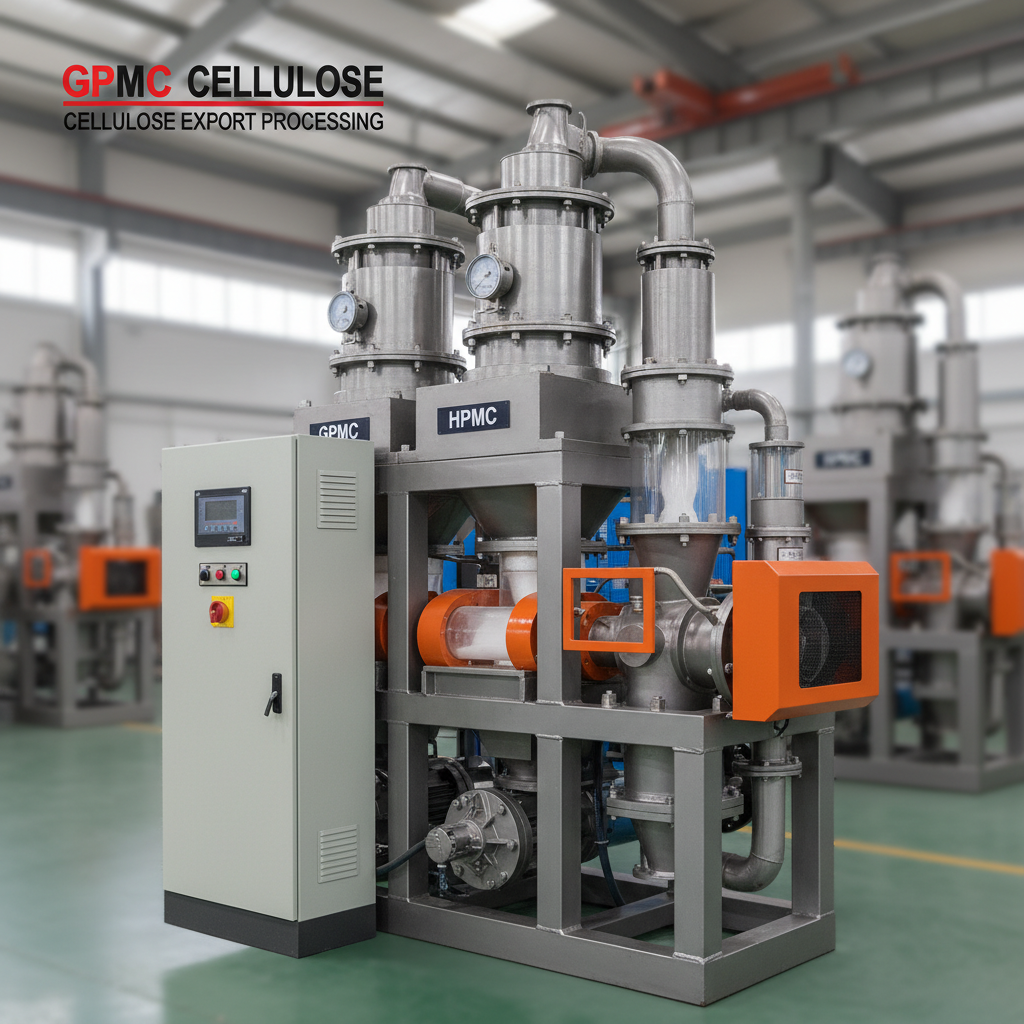
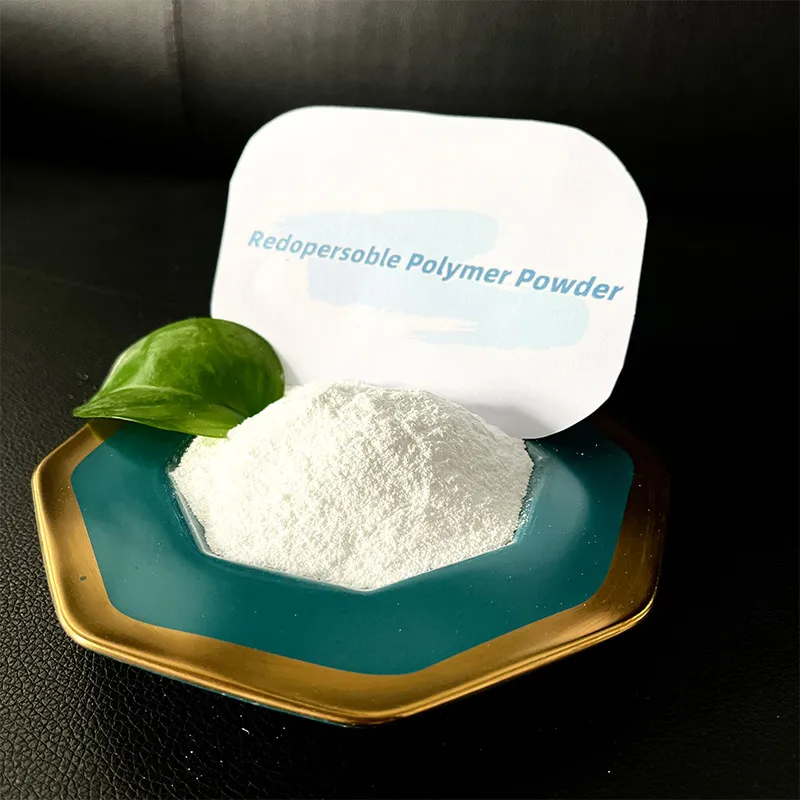
Rubber Powder-821 is a high-performance, innovative binder specifically engineered for ceramic tile adhesives. By integrating premium-grade cement, finely graded quartz sand, and a proprietary polymer adhesive matrix, it provides a robust bonding solution that ensures superior structural integrity. To maximize its operational efficiency, the addition of hydroxypropyl methylcellulose (HPMC) at a ratio of 1-2 kg per ton further optimizes its flexibility and adhesive strength.
Designed to meet the rigorous demands of modern architectural decoration, Rubber Powder-821 effectively eliminates common industry challenges such as surface cracking, hollowing, detachment, and leakage. Its precision-engineered formulation provides a seamless application experience, combining industrial-strength durability with an eco-friendly profile that is free from harmful volatile organic compounds (VOCs).
Detailed Parameters
| Main Components | Cement, Quartz Sand, Polymer Adhesive | Additive Requirement | HPMC (1-2 kg/ton) |
|---|---|---|---|
| Product Grade | Industrial Grade 821 | Consistency | Adjustable via water ratio |
| VOC Content | Zero (VOC-Free) | Formaldehyde | None (Free) |
| Primary Function | Ceramic Tile Binding | Application Method | Precision Mixing |
| Environmental Status | Eco-Friendly / Sustainable | Safety Profile | Benzene/Toluene/Xylene Free |
Key Advantages
Structural Integrity
Eliminates cracking, hollowing, and detachment to ensure long-term tile stability.
Rapid Preparation
Convenient "instant-coffee" style mixing for maximum time efficiency on site.
High Flexibility
Enhanced polymer matrix prevents shrinkage and absorbs structural stress.
Versatile Consistency
Easy adjustment of water-to-powder ratio to suit specific project needs.
Aesthetic Quality
Prevents leakage and surface deformation, maintaining a flawless finish.
Eco-Sustainable
100% free from benzene, toluene, and harmful volatile organic compounds.
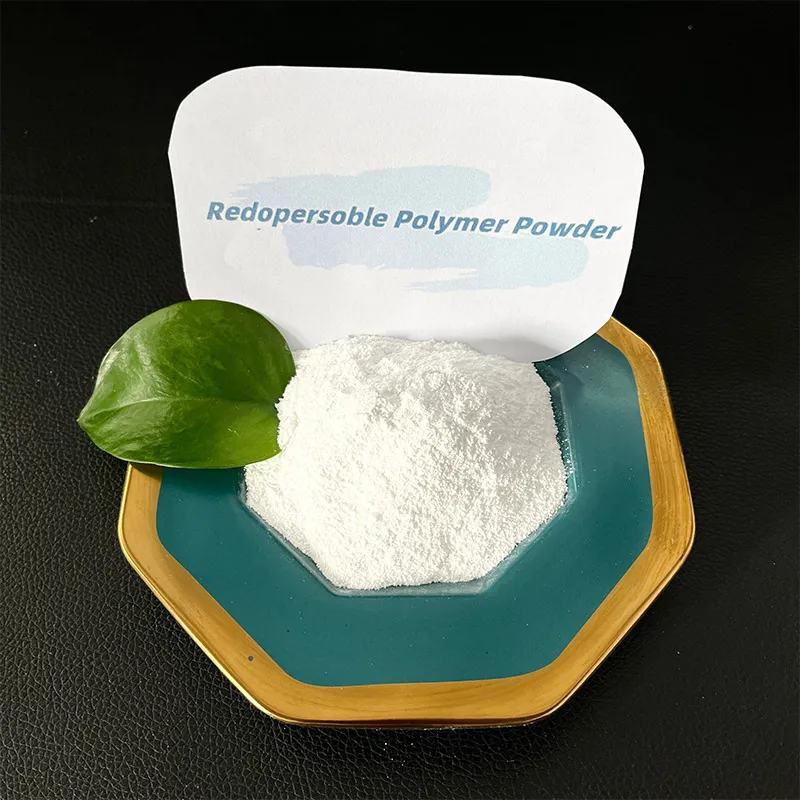
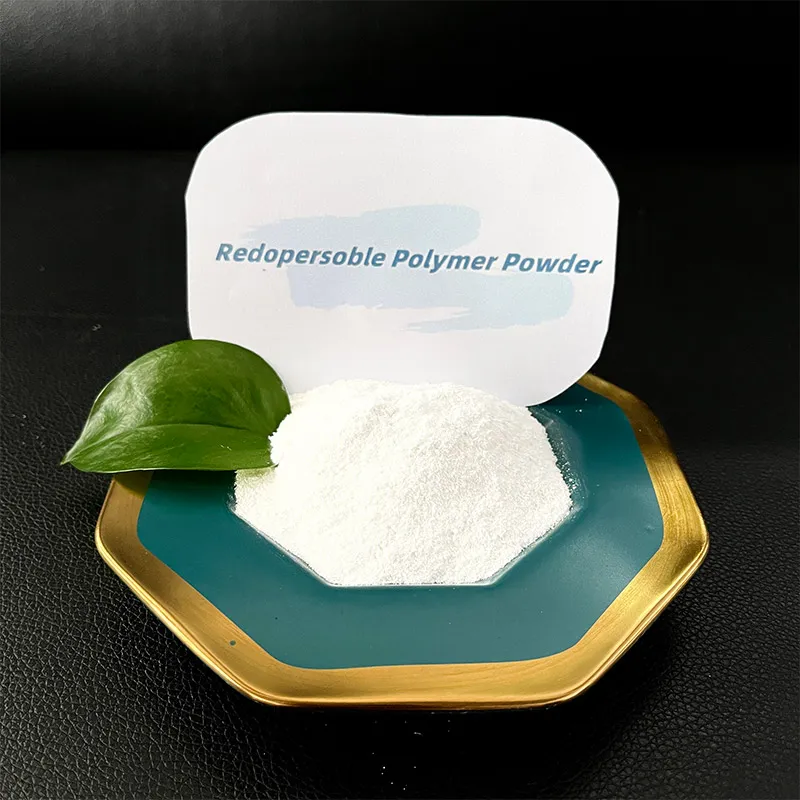
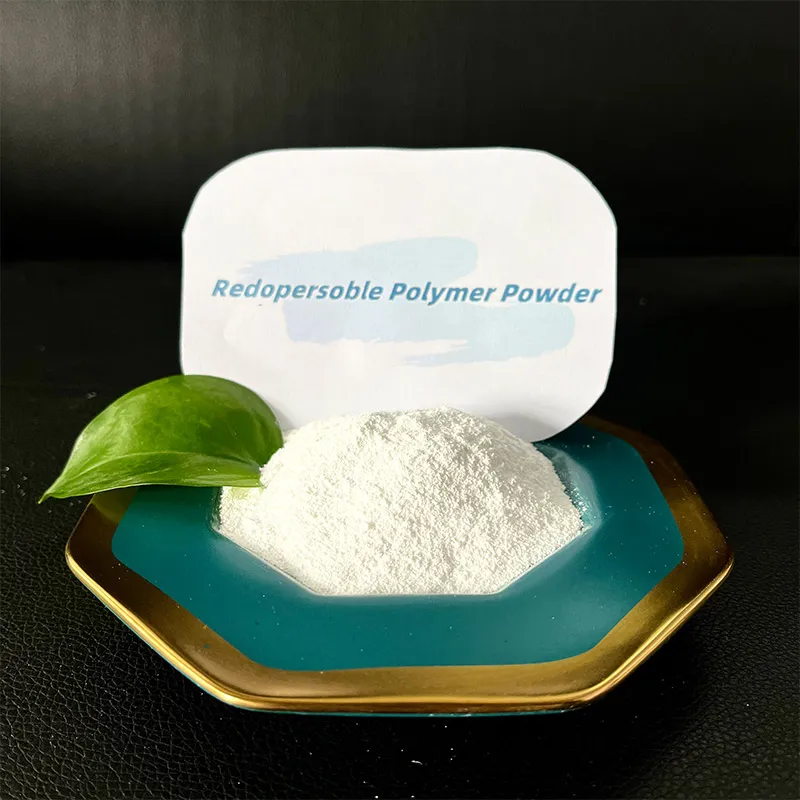
Product Gallery
Management Platforms
Precision Blending
Using automated mixing machines to ensure exact proportions of polymer additives.
Quality Control
Rigorous screening of quartz sand grading to ensure uniform adhesive matrix.
VOC Monitoring
Strict laboratory testing to guarantee zero formaldehyde and benzene emissions.
Efficiency Tracking
Optimized application workflows to reduce labor costs and project timelines.
Supply Chain
Stable sourcing of high-purity chemical raw materials for consistent batches.
Sustainable R&D
Continuous improvement of polymer ratios to enhance environmental friendliness.
Investment Return Comparison
| Performance Metric | Conventional Adhesives | Rubber Powder-821 |
|---|---|---|
| Installation Speed | Slow / Manual | Rapid / High Efficiency |
| Failure Rate | Moderate (Cracking) | Extremely Low |
| Environmental Impact | Contains VOCs | Eco-Friendly (Zero VOC) |
| Maintenance Cost | High (Frequent repairs) | Minimal (Long-term durability) |
| User Experience | Complex Mixing | Simple "Instant" Prep |
Frequently Asked Questions
It utilizes a synergistic matrix of high-quality cement, graded quartz sand, and polymer adhesives, further enhanced by HPMC, to create a flexible yet strong bond that resists structural shifts.
For optimal application qualities and flexibility, it is recommended to add hydroxypropyl methylcellulose (HPMC) at a rate of 1-2 kilograms per ton of powder.
Yes, it is specifically formulated to be environmentally friendly, containing no free formaldehyde, benzene, toluene, or xylene, ensuring healthy indoor air quality.
Absolutely. The versatility of the product allows users to adjust the amount of water mixed with the powder to achieve the specific consistency and working time required for the project.
Unlike traditional materials, Rubber Powder-821 combines rapid preparation (like instant coffee) with high-performance polymer technology and strict eco-standards.
Precision mixing ensures that polymers and additives are distributed uniformly, which is critical for preventing localized weak points that lead to hollowing or cracking.