-

Add: HeBei ShengShi HongBang Cellulose Technology CO.,LTD.
-

Email
13180486930@163.com -

CONTACT US
+86 13180486930
Xylem Fiber: Sustainable Industrial Solutions | HeBei ShengShi HongBang
Introduction
Xylem fiber, a natural and renewable resource derived from wood, has emerged as a transformative material in various industries. This organic flocculent fiber undergoes chemical treatments and mechanical processing to become a high-quality product with diverse applications. From construction to asphalt manufacturing, xylem fiber's eco-friendly attributes and versatility make it a key player in sustainable development. This article explores its features, benefits, technical specifications, and applications, while highlighting the company behind this innovation.
Understanding Xylem Fiber
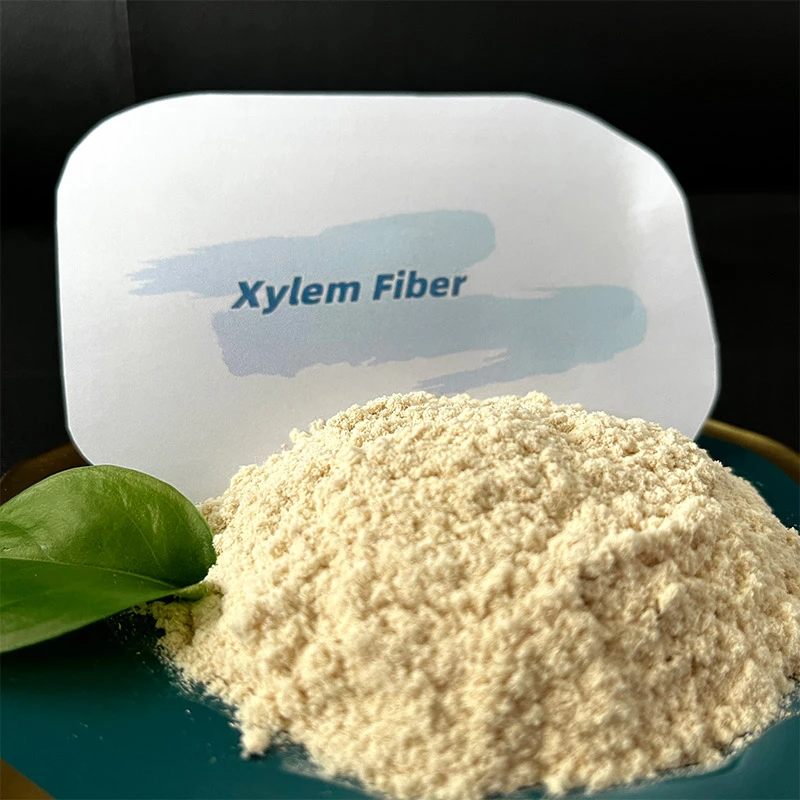
Xylem fiber is extracted from wood through advanced chemical and mechanical processes. This natural material is characterized by its xylem fiber properties, which include high tensile strength, absorbency, and biodegradability. Its production involves the removal of lignin and other impurities, resulting in a refined fiber suitable for industrial use. The process ensures that the final product retains its structural integrity while being environmentally friendly.
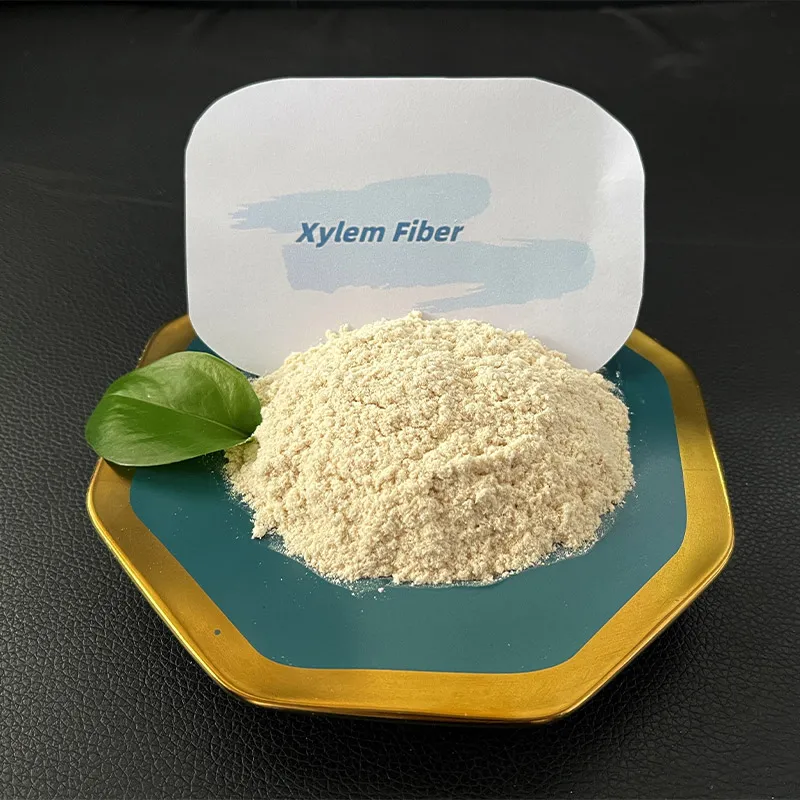
Image: Cellulose wood fibers, a key component in xylem fiber production.
Key Features and Benefits
Xylem fiber offers numerous advantages that make it a preferred choice in modern manufacturing. Its primary benefits include:
- Eco-Friendly: As a renewable resource, xylem fiber reduces reliance on non-renewable materials, contributing to environmental sustainability.
- Enhanced Durability: When incorporated into concrete, mortar, or asphalt, it improves the strength and longevity of these materials.
- Biodegradability: Unlike synthetic alternatives, xylem fiber decomposes naturally, minimizing environmental impact.
- Cost-Effectiveness: Its availability and low production costs make it an economical option for industries.
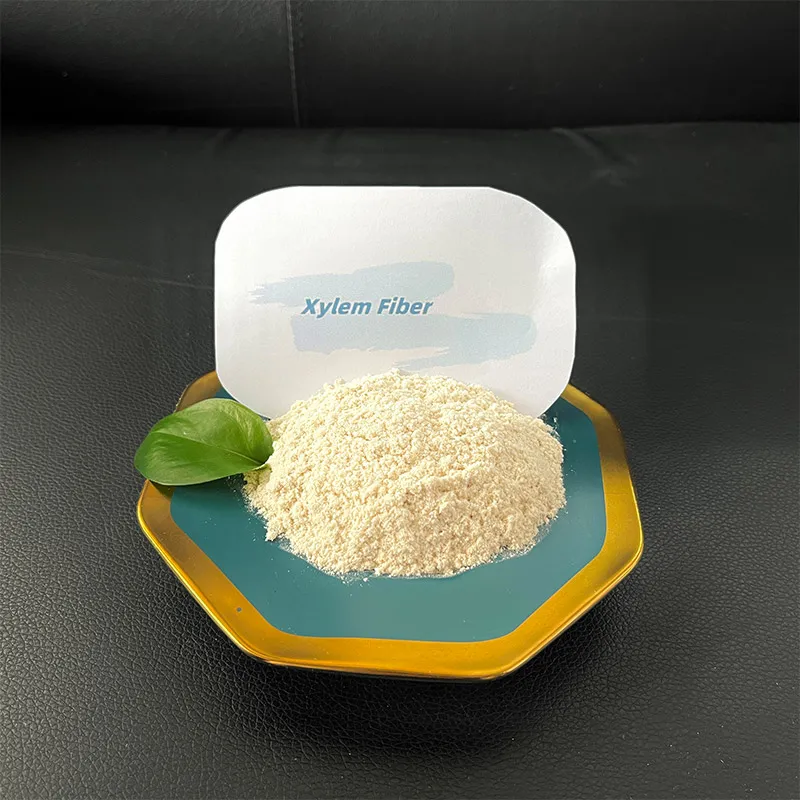
Image: Xylem fiber in its raw form, showcasing its natural texture.
Technical Specifications
| Parameter | Specification |
|---|---|
| Fiber Length | 1-3 mm (customizable) |
| Moisture Content | ≤ 10% |
| Tensile Strength | ≥ 20 MPa |
| Biodegradability | 100% biodegradable in 6-12 months |
| Chemical Resistance | Resistant to acids and alkalis |
Applications in Various Industries
Xylem fiber's adaptability has led to its integration into multiple sectors:
Construction Industry
In construction, xylem fiber enhances the properties of concrete and mortar. By improving workability and reducing cracking, it ensures longer-lasting structures. Its use in gypsum products also strengthens their structural integrity, making them ideal for interior applications.
Asphalt Manufacturing
In the asphalt industry, xylem fiber acts as a reinforcing agent. It increases the resilience of asphalt roads, reducing maintenance costs and extending their lifespan. This application is particularly valuable in regions with extreme weather conditions.
Medium Density Fiberboard (MDF)
Xylem fiber is a key ingredient in MDF production. It enables the creation of sturdy, sustainable building materials that are widely used in home construction. This application aligns with the growing demand for eco-friendly alternatives to traditional wood products.
Household Products
The fiber's absorbent properties make it suitable for manufacturing wood pulp sponges, offering a biodegradable alternative to synthetic sponges. This application supports the shift toward sustainable household solutions.
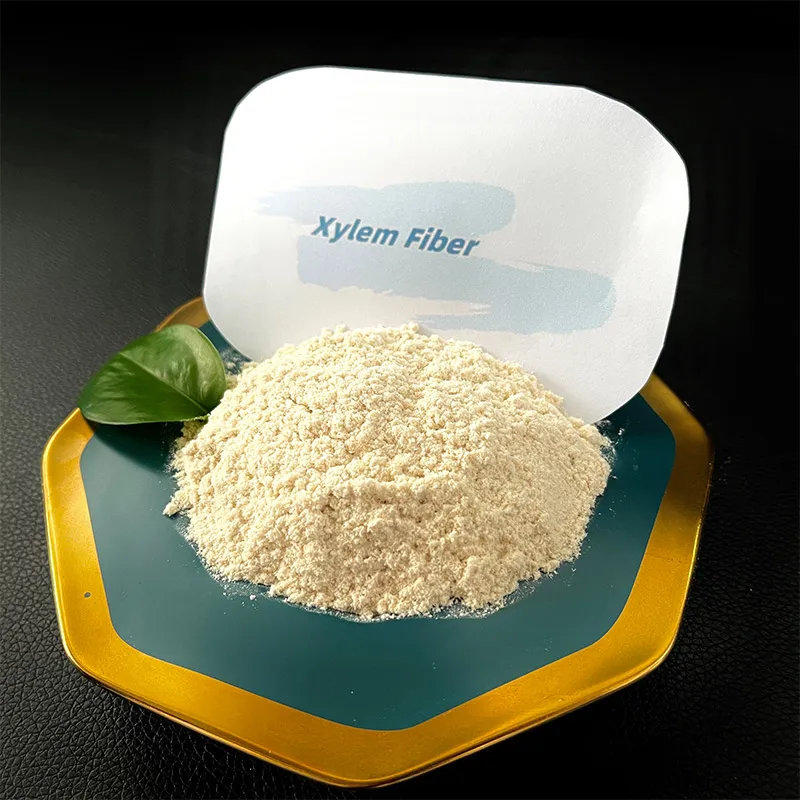
Image: Xylem fiber in different industrial applications.
Company Background
The development of xylem fiber is spearheaded by HeBei ShengShi HongBang Cellulose Technology CO.,LTD., a leading company in the production of cellulose-based materials. With a commitment to sustainability and innovation, the company has established itself as a key player in the global market. Their expertise in cellulose extraction from wood ensures the production of high-quality xylem fiber that meets international standards.
HeBei ShengShi HongBang's focus on responsible forestry practices not only supports ecosystem balance but also contributes to the fight against climate change. By leveraging renewable resources, the company demonstrates its dedication to sustainable development while meeting the evolving needs of industries worldwide.
Environmental Impact and Sustainability
The use of xylem fiber aligns with global efforts to reduce carbon footprints. According to the National Institute of Standards and Technology (NIST), sustainable materials like xylem fiber play a crucial role in advancing green technologies. By replacing traditional raw materials, xylem fiber reduces energy consumption and emissions during production. Its biodegradability further minimizes waste, making it a preferred choice for environmentally conscious manufacturers.
Moreover, the cultivation of wood for xylem fiber production promotes responsible forestry practices. This ensures that forests are managed sustainably, preserving biodiversity and maintaining ecological balance. As industries continue to prioritize sustainability, xylem fiber stands out as a viable solution for reducing environmental impact.
Future Prospects and Innovations
The potential of xylem fiber is vast, with ongoing research exploring new applications. Innovations in processing techniques may further enhance its properties, expanding its use in advanced materials. For instance, integrating xylem fiber into composite materials could lead to lighter, stronger products for the automotive and aerospace industries.
As the demand for eco-friendly solutions grows, companies like HeBei ShengShi HongBang are well-positioned to drive the adoption of xylem fiber. Their commitment to research and development ensures that this natural resource continues to meet the needs of a rapidly evolving market.
Conclusion
Xylem fiber represents a significant advancement in the use of natural resources for industrial applications. Its eco-friendly attributes, versatility, and cost-effectiveness make it an ideal choice for manufacturers seeking sustainable solutions. With the support of companies like HeBei ShengShi HongBang Cellulose Technology CO.,LTD., xylem fiber is poised to play a vital role in the transition toward greener technologies. As industries continue to prioritize sustainability, the importance of materials like xylem fiber will only grow, paving the way for a more environmentally responsible future.
-
Industrial Guide to ГПМЦ целлюлоза High Performance CelluloseNewsApr.16,2026
-
Wood Cellulose Properties and Industrial Applications GuideNewsApr.09,2026
-
Does Wood Contain Cellulose A Detailed Exploration of its Composition and UsesNewsApr.07,2026
-
Understanding Wood Cellulose Meaning Applications and Future TrendsNewsApr.04,2026
-
Exploring the Potential of Wood Cellulose is wood cellulose a Sustainable MaterialNewsMar.31,2026
-
Exploring the Sustainability and Versatility of Cellulose Wood ChipsNewsMar.28,2026
-
Understanding Wood Pulp Cellulose A Comprehensive Guide to Properties and ApplicationsNewsMar.26,2026