-

Add: HeBei ShengShi HongBang Cellulose Technology CO.,LTD.
-

Email
13180486930@163.com -

CONTACT US
+86 13180486930
Xylem Fiber-HeBei ShengShi HongBang Cellulose Technology CO.,LTD.|Sustainable Industrial Solutions&Eco-Friendly Materials
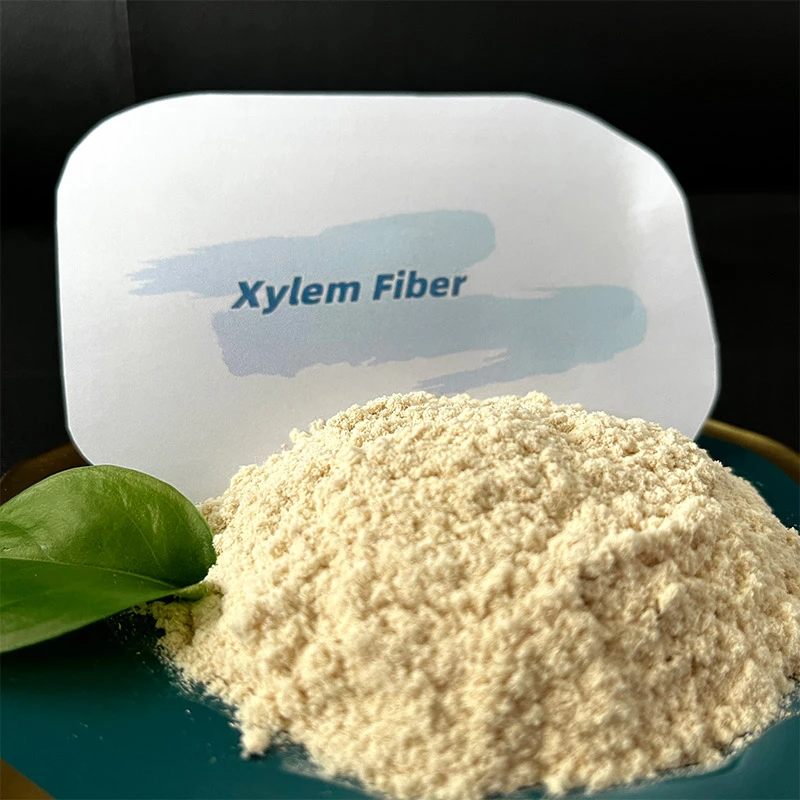
Xylem fiber, a natural and renewable resource derived from wood, has emerged as a transformative material in multiple industries. This organic flocculent fiber undergoes chemical treatments and mechanical processing to become a high-quality product with versatile applications. As global demand for eco-friendly materials grows, xylem fiber is positioning itself as a key player in sustainable development. This article explores its functional properties, technical specifications, industrial applications, and the company behind its innovation.
Understanding Xylem Fiber: A Natural Wonder
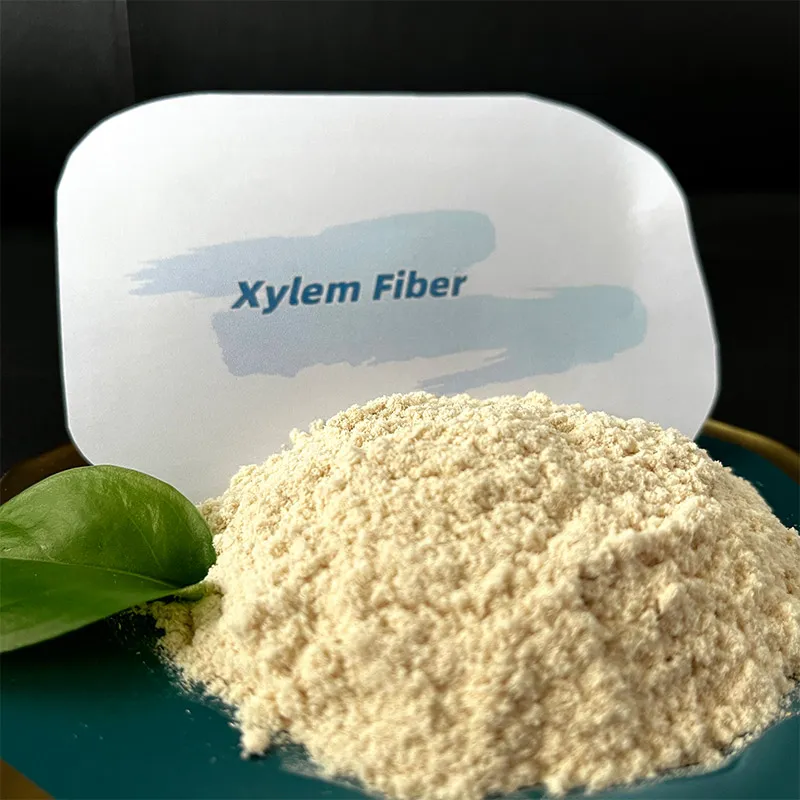
Xylem fiber is extracted from the xylem tissue of trees, which is responsible for transporting water and nutrients. Through advanced processing techniques, this raw material is transformed into a high-performance fiber with unique characteristics. Unlike synthetic alternatives, xylem fiber is biodegradable, non-toxic, and derived from renewable sources, making it an ideal choice for industries seeking to reduce their environmental footprint.
Key Features and Technical Specifications
The following table summarizes the technical specifications of xylem fiber, highlighting its physical and chemical properties:
| Parameter | Specification |
|---|---|
| Fiber Length | 1-5 mm (varies by processing) |
| Moisture Content | ≤8% (dried state) |
| Cellulose Content | ≥75% (by weight) |
| Tensile Strength | 15-25 MPa (depending on fiber grade) |
| Porosity | High (enhances absorbency) |
| Biodegradability | 100% biodegradable in natural environments |
Industrial Applications of Xylem Fiber
Xylem fiber's adaptability has led to its integration into diverse industries, including construction, manufacturing, and materials science. Below are some of its primary applications:
1. Construction Industry
In the construction sector, xylem fiber is used to enhance concrete and mortar mixes. Its addition improves compressive strength, durability, and workability. According to a study by the National Institute of Standards and Technology (NIST), cellulose fibers like xylem can reduce cracking in concrete by up to 30% while maintaining structural integrity (NIST Reference). This makes it an ideal additive for sustainable building materials.
2. Gypsum Products
Xylem fiber is also a critical component in gypsum board production. Its absorbent properties allow it to bind with gypsum, improving the structural stability and resistance to moisture. This application is particularly valuable in green building projects that prioritize low-carbon materials.
3. Wood Pulp Sponges
The high porosity of xylem fiber makes it suitable for manufacturing biodegradable sponges. These sponges replace synthetic alternatives in household and industrial cleaning, offering an eco-friendly solution without compromising performance.
4. Asphalt Reinforcement
In the asphalt industry, xylem fiber acts as a reinforcing agent, enhancing the resilience and longevity of road surfaces. This reduces maintenance costs and extends the lifespan of infrastructure, aligning with sustainable urban development goals.
5. Medium Density Fiberboard (MDF)
Xylem fiber is a key ingredient in MDF production, where it contributes to the sturdiness and sustainability of building materials. Its use in MDF aligns with the growing demand for low-emission, recyclable products in the home-building sector.
Advantages of Xylem Fiber
The benefits of xylem fiber are multifaceted, addressing both environmental and economic challenges:
- Environmental Sustainability: As a renewable resource, xylem fiber reduces reliance on fossil-based materials. Its biodegradability minimizes waste and pollution (Product Page).
- Cost-Effectiveness: By reducing the need for traditional raw materials, xylem fiber lowers production costs while maintaining product quality.
- Enhanced Material Properties: It improves the strength, flexibility, and durability of composites, making it a versatile additive.
- Support for Responsible Forestry: The cultivation of xylem fiber promotes sustainable forestry practices, ensuring long-term ecosystem balance.
Company Background: HeBei ShengShi HongBang Cellulose Technology CO.,LTD.
The innovation behind xylem fiber is driven by HeBei ShengShi HongBang Cellulose Technology CO.,LTD., a company based in Xinji City, Hebei Province, China. Specializing in cellulose-based materials, the company has established itself as a leader in sustainable fiber solutions. Their commitment to research and development ensures that xylem fiber meets the highest standards of quality and performance.
Future Prospects and Industry Trends
As industries increasingly prioritize sustainability, the demand for xylem fiber is expected to rise. Its potential extends beyond current applications, with research exploring new uses in bioplastics, packaging, and advanced composites. The transition to green technologies will further solidify its role in the global market.
Conclusion
Xylem fiber exemplifies how natural resources can be harnessed for modern industrial needs. Its eco-friendly properties, versatility, and technical advantages make it a cornerstone of sustainable development. By integrating xylem fiber into manufacturing processes, industries can reduce their carbon footprint while delivering high-quality, durable products. As the world moves toward a circular economy, xylem fiber stands as a testament to the power of innovation and ecological responsibility.
References
NIST Reference: National Institute of Standards and Technology. "Cellulose Fibers in Concrete: A Study on Durability and Performance." https://www.nist.gov
Company Website: Xylem Fiber Product Page
Technical Data: HeBei ShengShi HongBang Cellulose Technology CO.,LTD. (2023). Company Profile
-
Industrial Guide to ГПМЦ целлюлоза High Performance CelluloseNewsApr.16,2026
-
Wood Cellulose Properties and Industrial Applications GuideNewsApr.09,2026
-
Does Wood Contain Cellulose A Detailed Exploration of its Composition and UsesNewsApr.07,2026
-
Understanding Wood Cellulose Meaning Applications and Future TrendsNewsApr.04,2026
-
Exploring the Potential of Wood Cellulose is wood cellulose a Sustainable MaterialNewsMar.31,2026
-
Exploring the Sustainability and Versatility of Cellulose Wood ChipsNewsMar.28,2026
-
Understanding Wood Pulp Cellulose A Comprehensive Guide to Properties and ApplicationsNewsMar.26,2026