-

Add: HeBei ShengShi HongBang Cellulose Technology CO.,LTD.
-

Email
13180486930@163.com -

CONTACT US
+86 13180486930
Wood Cellulose for Strength & Sustainability: Why Choose It?
Xylem Fiber: the quiet power of modern cellulose engineering
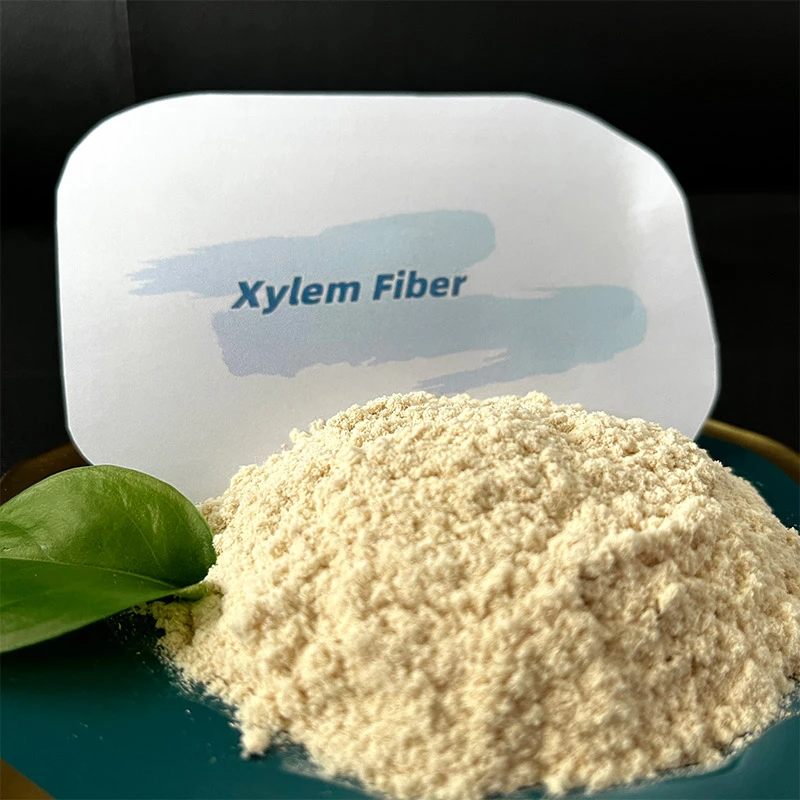
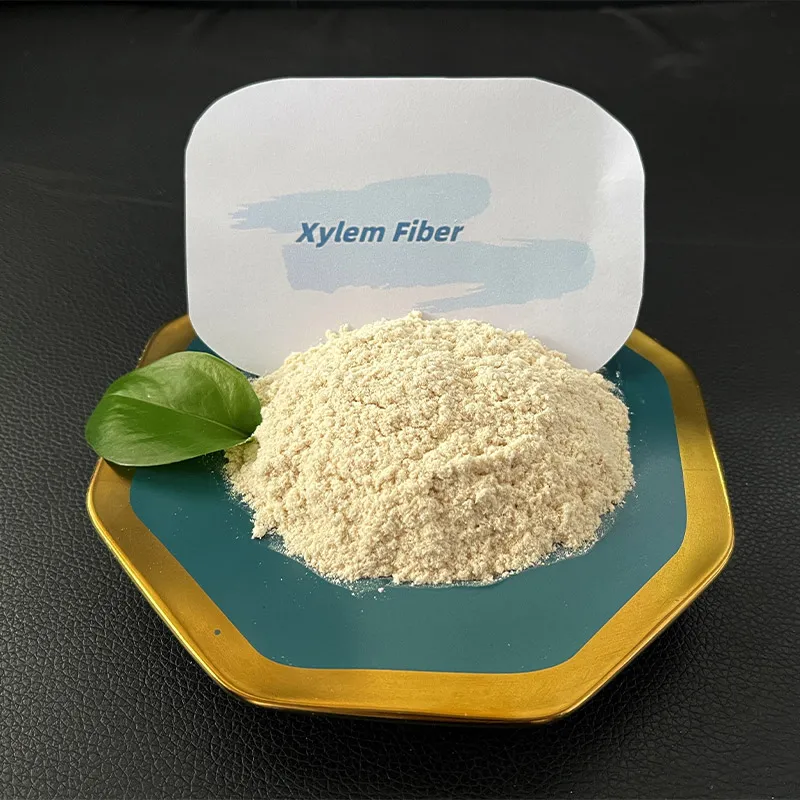
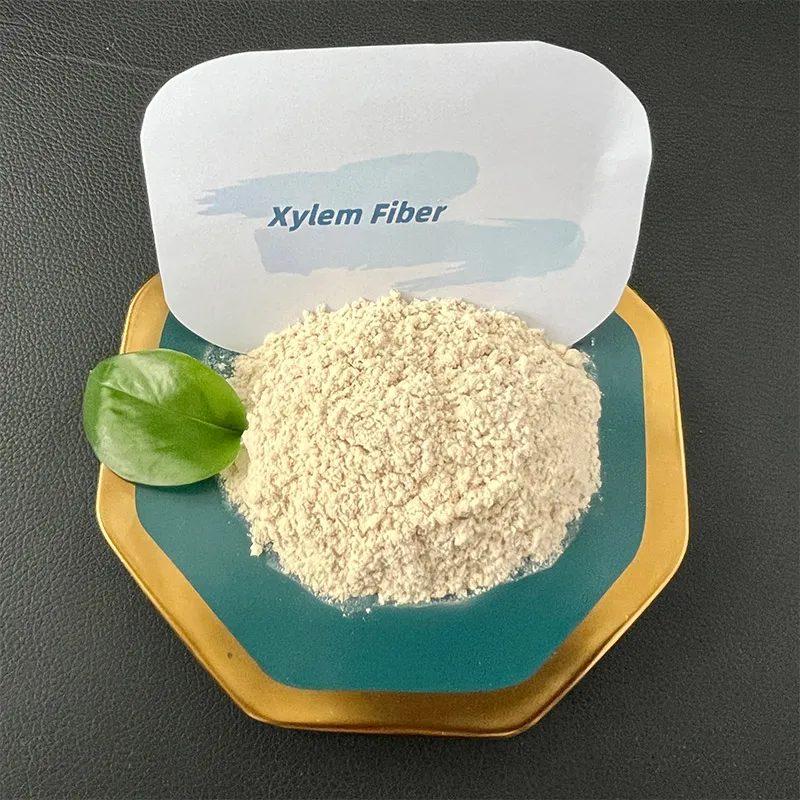
If you’ve been watching materials science lately, you’ve noticed a renewed obsession with wood cellulose. Not a fad—more like a comeback tour. Xylem Fiber from HeBei ShengShi HongBang Cellulose Technology CO., LTD (Room 1904, Building B, Wanda Office Building, JiaoYu Road, Xinji City, Hebei Province) is one of those products that engineers ask for by name. To be honest, it’s the mix of consistency and eco-logic that keeps it top of mind.
What it is, and why it’s trending
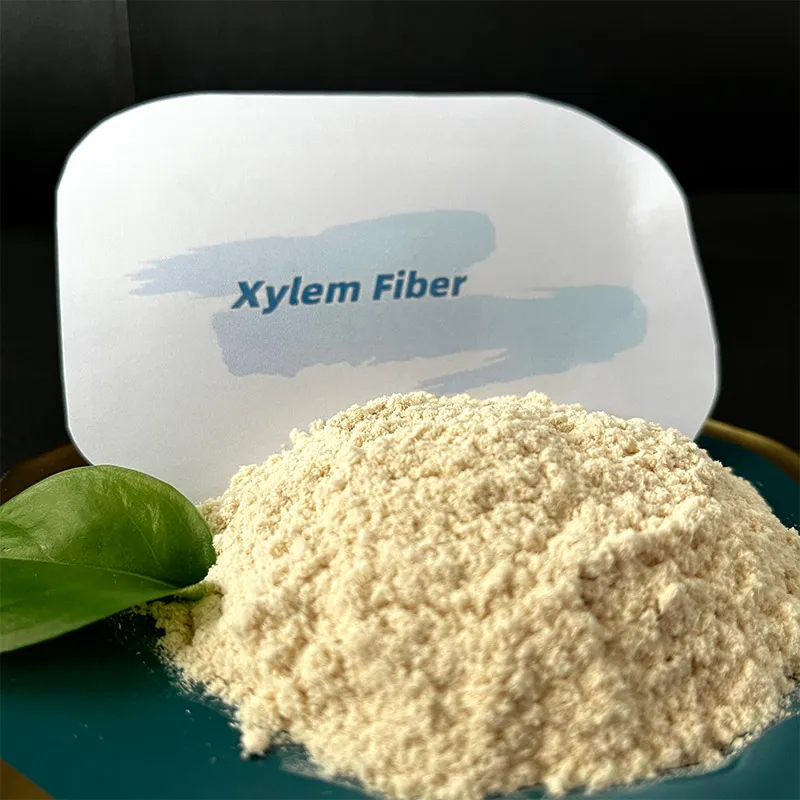
Xylem Fiber is a refined form of wood cellulose—renewable, lightweight, and surprisingly strong. The current trend? Replacing mineral or petroleum-based additives in construction mixes, asphalt, paints, filtration media, and even molded fiber packaging. Brands want lower embodied carbon without sacrificing performance. And, yes, procurement teams keep asking for FSC/PEFC and REACH-friendly inputs. This checks those boxes.
From forest to fiber: process flow (short version)
- Materials: responsibly sourced softwood/hardwood chips (FSC/PEFC-eligible).
- Methods: kraft pulping → washing → oxygen/ECF or TCF bleaching → refining/fibrillation → classification → drying and packaging.
- QC & testing: TAPPI T494 (tensile of paper), ISO 535 (Cobb water absorptiveness), ISO 1974 (tearing), ISO 2470 (brightness), ISO 5079 (fiber tensile, indicative), ash per TAPPI T211.
- Service life: asphalt/fiber-reinforced road layers ≈10–15 years; cement boards/plasters ≈25–50 years; filtration media: single-use or scheduled cycles.
- Industries: building materials, road engineering, coatings, filtration, molded fiber packaging, hygiene and absorbent products.
Indicative product specifications (Xylem Fiber)
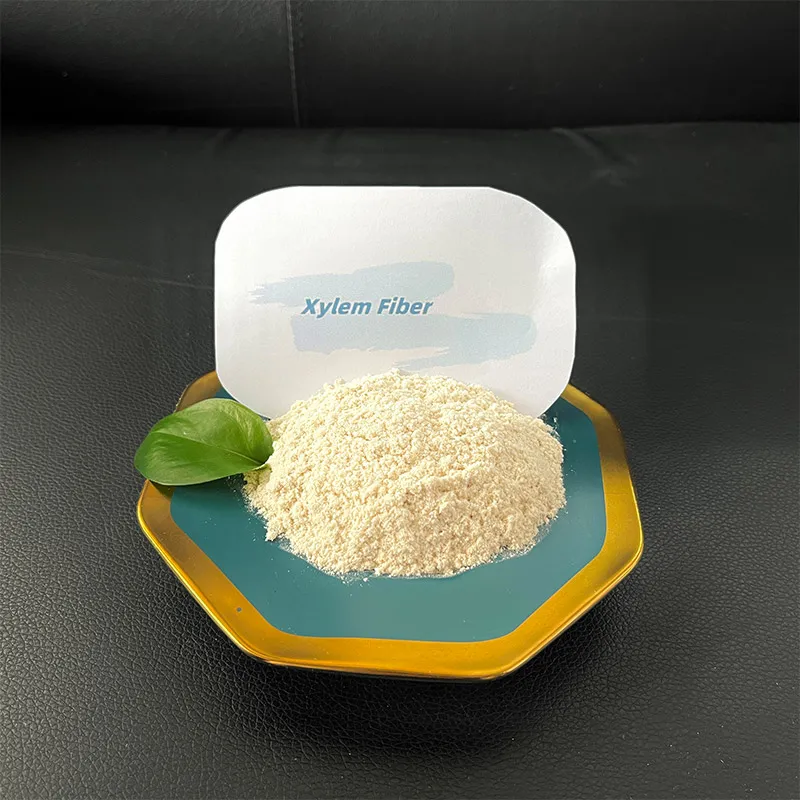
| Average fiber length | ≈0.6–1.8 mm (blend options) |
| Fiber diameter | ≈10–30 μm |
| Moisture content | 6–8% (real-world use may vary) |
| Brightness (ISO) | 78–88% ISO |
| Ash content | ≤0.6% |
| pH (10% slurry) | ≈6.0–7.0 |
| Apparent bulk density | ≈0.25–0.35 g/cm³ |
Where it shines (applications)
- Mortars/plasters: micro-reinforcement, crack control, workability improvement.
- Asphalt & SMA: fiber network stabilizes bitumen, reduces drain-down.
- Coatings/paints: rheology tuning, sag resistance, better film integrity.
- Filtration media: porosity control, good wet strength after bonding.
- Molded fiber packaging: lightweight stiffness with compostable profile.
Real-world data and feedback
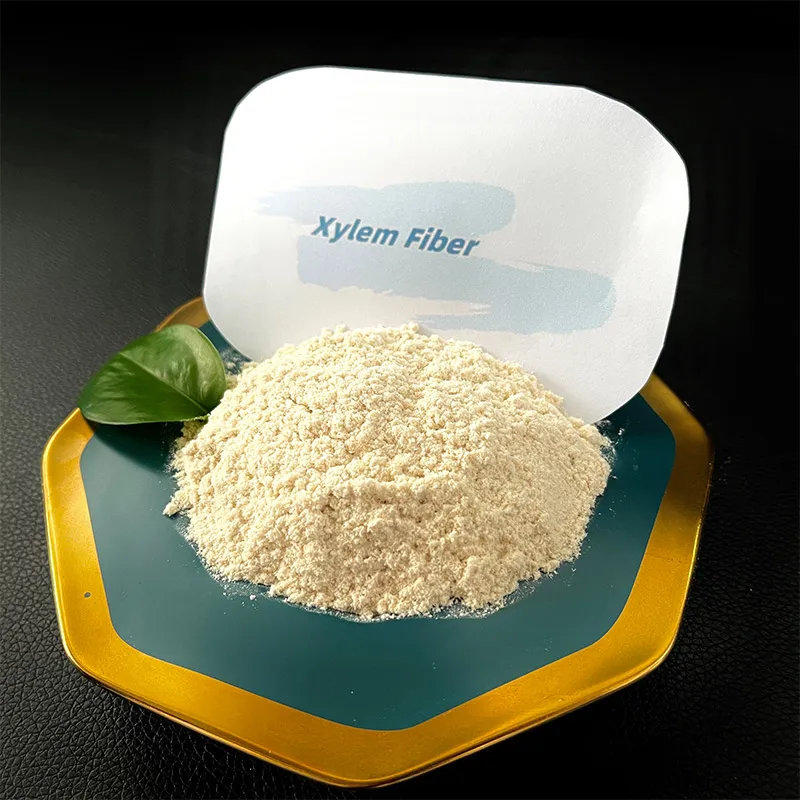
Lab snapshots: asphalt drain-down cut from 0.28% to 0.06% (ASTM D6390), cement mortar shrinkage reduced ≈12% at 0.3% dosage, and Cobb value control ±8% window with consistent refining. Customers tell us the bag-to-bag uniformity is what sells it—“less fiddling with water demand,” as a plant manager put it.
Vendor comparison (quick take)
| Vendor | Certifications | Typical fiber length | Notes |
|---|---|---|---|
| HeBei ShengShi HongBang (Xylem Fiber) | ISO 9001/14001, FSC/PEFC chain-of-custody, REACH | ≈0.6–1.8 mm | Strong QC; customization for asphalt and mortars |
| Competitor A (EU) | ISO 9001, FSC | ≈0.8–1.2 mm | Good brightness; limited custom cuts |
| Competitor B (APAC) | PEFC, ISO 14001 | ≈0.5–1.5 mm | Cost-effective; variable moisture control |
Customization, cases, and compliance
Customization options: fiber-length distribution, refining level, moisture spec windows, surface treatment for better binder affinity. Lead engineers I’ve spoken with prefer a quick pilot run—HongBang is usually flexible on that.
- Case 1 (SMA highway, North China): 0.3% dosage cut bleeding incidents to near-zero in the first summer cycle.
- Case 2 (premix mortar, EU client): 9% fewer hairline cracks and smoother pumpability at same water/cement ratio.
- Case 3 (molded fiber packaging): weight down ≈7% with stiffness maintained; passed ISO 2470 brightness target.
Compliance: FSC/PEFC sourcing, ISO 9001/14001, and REACH statements available on request. For food-contact or hygiene uses, always validate against local regulations and run migration tests—common sense, but worth stating.
Citations
- ISO 535:2014 — Paper and board — Determination of water absorptiveness (Cobb method).
- ISO 1974:2012 — Paper — Determination of tearing resistance.
- ISO 2470-1:2016 — Paper, board and pulp — Measurement of diffuse blue reflectance factor (brightness).
- TAPPI T 494 om-18 — Tensile properties of paper and paperboard.
- FSC-STD-40-004; PEFC ST 2002 — Chain of Custody standards for forest-based products.
-
Industrial Guide to ГПМЦ целлюлоза High Performance CelluloseNewsApr.16,2026
-
Wood Cellulose Properties and Industrial Applications GuideNewsApr.09,2026
-
Does Wood Contain Cellulose A Detailed Exploration of its Composition and UsesNewsApr.07,2026
-
Understanding Wood Cellulose Meaning Applications and Future TrendsNewsApr.04,2026
-
Exploring the Potential of Wood Cellulose is wood cellulose a Sustainable MaterialNewsMar.31,2026
-
Exploring the Sustainability and Versatility of Cellulose Wood ChipsNewsMar.28,2026
-
Understanding Wood Pulp Cellulose A Comprehensive Guide to Properties and ApplicationsNewsMar.26,2026