-

Add: HeBei ShengShi HongBang Cellulose Technology CO.,LTD.
-

Email
13180486930@163.com -

CONTACT US
+86 13180486930
Xylem Fiber: Eco-Friendly Innovation for Sustainable Industries - HeBei ShengShi HongBang
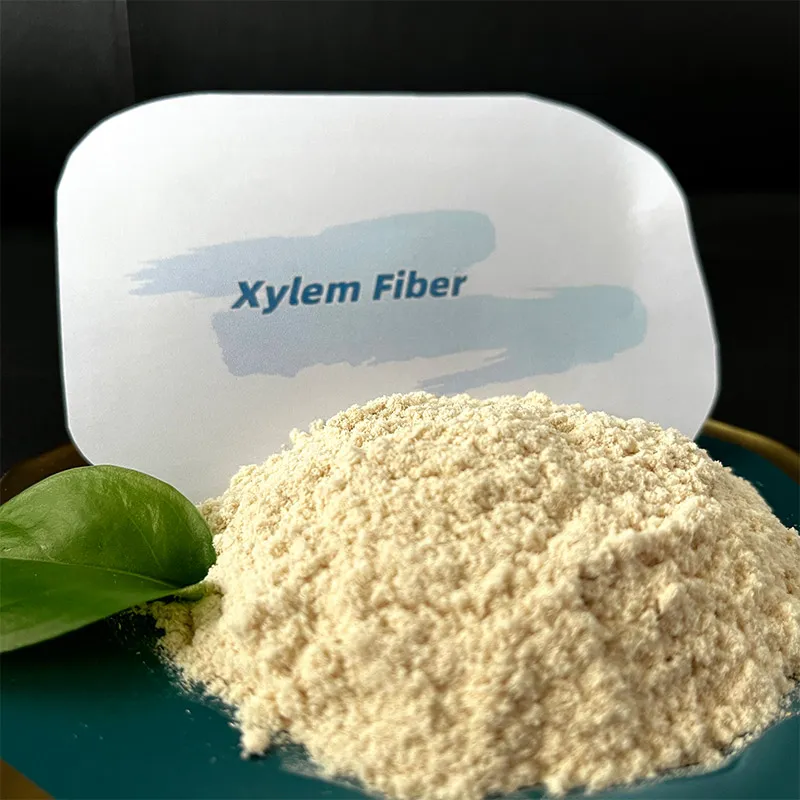
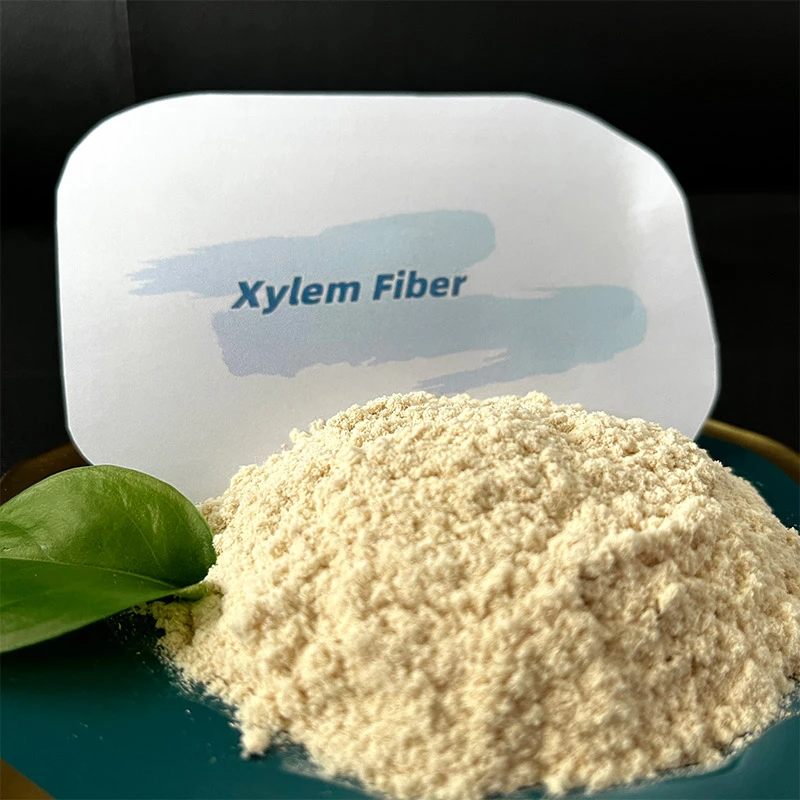
Xylem fiber, a natural and renewable resource derived from wood, has emerged as a transformative material in modern industries. This organic flocculent fiber, processed through advanced chemical and mechanical techniques, offers a sustainable alternative to traditional materials while enhancing performance across multiple sectors. As environmental concerns intensify, the demand for wood cellulose and cellulose wood fibers has surged, positioning Xylem Fiber as a critical component in the transition toward greener technologies.
Core Features of Xylem Fiber
Derived from the fibre made from wood pulp, Xylem Fiber is a versatile material that combines natural properties with engineered enhancements. Its unique structure allows it to act as a cellulose extraction from wood product, offering exceptional strength, absorbency, and biodegradability. The fiber undergoes rigorous processing to optimize its characteristics, making it suitable for a wide range of applications.
- Renewable Source: Sourced from sustainably managed forests, Xylem Fiber supports responsible forestry practices.
- High Strength-to-Weight Ratio: Enhances structural integrity in construction materials without adding excessive weight.
- Biodegradable: Reduces environmental impact compared to synthetic alternatives.
- Chemical Stability: Resists degradation in harsh conditions, ensuring long-term durability.
Key Advantages of Xylem Fiber
The integration of Xylem Fiber into industrial processes provides numerous benefits. Its ability to improve the properties of concrete, mortar, and asphalt makes it a valuable asset in the construction sector. Additionally, its role in wood cellulose applications, such as cellulose wood fibers, highlights its adaptability across industries.
| Feature | Advantage |
|---|---|
| Enhanced Durability | Reduces material degradation, extending the lifespan of construction and industrial products. |
| Cost-Effectiveness | Minimizes the need for traditional raw materials, lowering production costs. |
| Environmental Benefits | Reduces carbon footprint through the use of renewable resources and biodegradability. |
| Improved Workability | Enhances the flow and consistency of materials like gypsum and asphalt. |
Technical Specifications
Understanding the technical parameters of Xylem Fiber is essential for its effective application. The following table outlines the critical specifications:
| Parameter | Specification |
|---|---|
| Length | 1-5 mm (adjustable based on application) |
| Moisture Content | |
| Tensile Strength | ≥ 150 MPa (ensures structural resilience) |
| Porosity | High (enhances absorbency and binding capacity) |
| Chemical Resistance | Resists acids, alkalis, and UV degradation |
Applications in Modern Industries
Xylem Fiber is a cornerstone in several industries, offering solutions that align with sustainability goals and performance requirements. Below are its key applications:
1. Construction Sector
In the construction industry, Xylem Fiber is used to enhance the properties of concrete and mortar. Its addition improves compressive strength, reduces cracking, and increases resistance to environmental stressors. For example, when incorporated into gypsum products, it enhances structural integrity and workability, making it ideal for drywall and insulation materials.
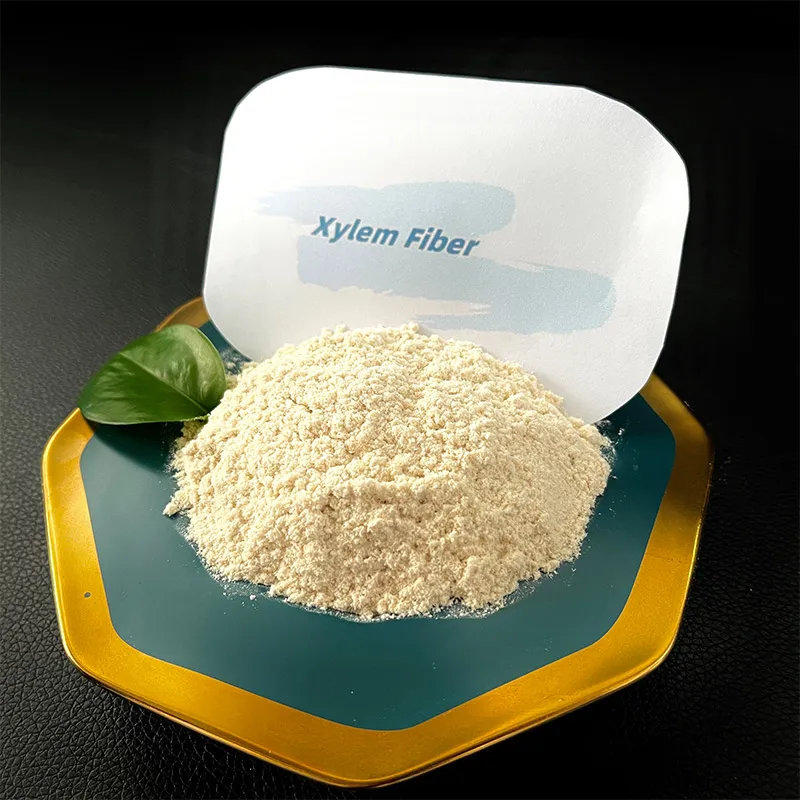
2. Asphalt Industry
In asphalt production, Xylem Fiber acts as a reinforcing agent, improving the resilience and longevity of roads. By reducing rutting and thermal cracking, it ensures smoother and safer surfaces. This application is particularly relevant in regions with extreme weather conditions, where traditional asphalt materials may degrade rapidly.
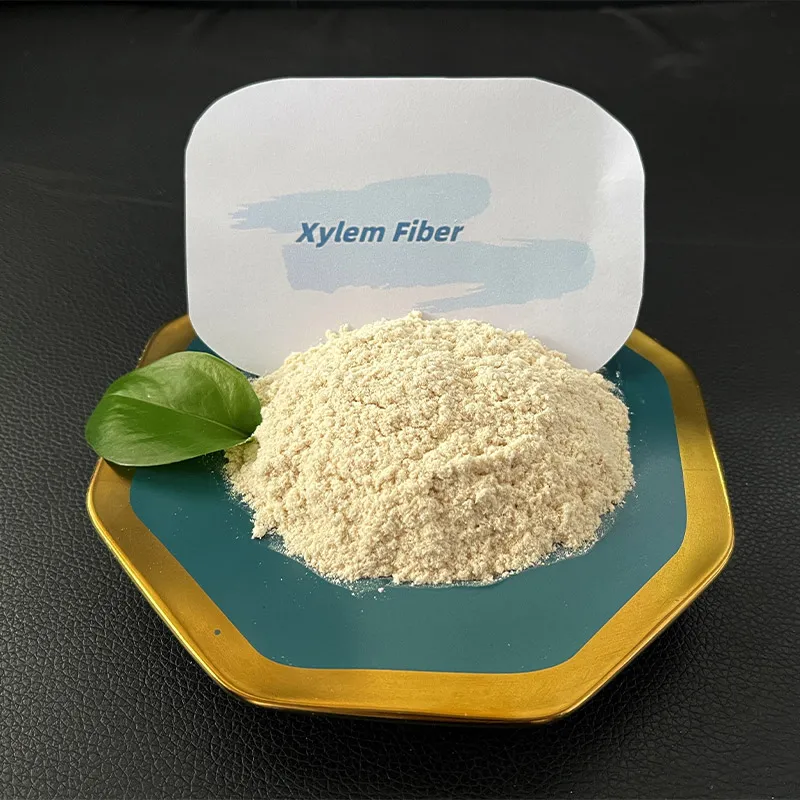
3. Medium Density Fiberboard (MDF)
Xylem Fiber is a key ingredient in the production of MDF, a popular material in home-building and furniture manufacturing. Its inclusion ensures dimensional stability, moisture resistance, and a smooth finish, making it a preferred choice for interior applications.
4. Wood Pulp Sponges
The absorbent properties of Xylem Fiber make it an ideal component in wood pulp sponges. These biodegradable alternatives to synthetic sponges are widely used in cleaning and household applications, offering a sustainable solution without compromising performance.
Company Background: HeBei ShengShi HongBang Cellulose Technology CO.,LTD.
HeBei ShengShi HongBang Cellulose Technology CO.,LTD., based in Xingji City, China, is a leading manufacturer of wood cellulose and cellulose wood fibers. With a commitment to innovation and sustainability, the company has established itself as a trusted supplier in the global market. Their expertise in cellulose extraction from wood and fiber processing ensures high-quality products that meet international standards.
For more information about their products and services, visit the official website: HeBei ShengShi HongBang Cellulose Technology CO.,LTD.
Environmental and Economic Impact
The adoption of Xylem Fiber aligns with global efforts to reduce reliance on non-renewable resources. By utilizing fibre made from wood pulp, manufacturers can significantly lower their carbon footprint. According to the National Institute of Standards and Technology (NIST), sustainable materials like Xylem Fiber contribute to the development of eco-friendly infrastructure, which is critical for combating climate change (NIST, 2023).
Additionally, the production of Xylem Fiber supports local economies by creating jobs in forestry and manufacturing. This dual benefit of environmental stewardship and economic growth makes it an attractive option for industries seeking to balance profitability with sustainability.
Future Prospects and Innovations
As industries continue to prioritize sustainability, the potential applications of Xylem Fiber are expanding. Researchers are exploring its use in advanced materials, such as biodegradable packaging and composite structures. The integration of Xylem Fiber into emerging technologies, like cellulose extraction from wood for biofuels, further underscores its versatility.
According to a recent study by the NIST, the global market for natural fiber-based products is projected to grow at a compound annual growth rate (CAGR) of 6.5% from 2023 to 2030, driven by increasing demand for sustainable solutions (NIST, 2023). This trend highlights the importance of investing in technologies that leverage renewable resources like Xylem Fiber.
Conclusion
Xylem Fiber represents a significant advancement in the use of natural resources for industrial applications. Its unique properties, combined with the commitment of companies like HeBei ShengShi HongBang Cellulose Technology CO.,LTD., position it as a key player in the transition toward sustainable manufacturing. As the demand for eco-friendly materials continues to rise, the role of Xylem Fiber will only become more critical in shaping a greener future.
References
National Institute of Standards and Technology (NIST). (2023). Sustainable Materials and Technologies. Retrieved from https://www.nist.gov/
National Institute of Standards and Technology (NIST). (2023). Global Market Trends for Natural Fiber-Based Products. Retrieved from https://www.nist.gov/
For more details about Xylem Fiber and its applications, visit the official product page: Xylem Fiber Product Page.
-
Industrial Guide to ГПМЦ целлюлоза High Performance CelluloseNewsApr.16,2026
-
Wood Cellulose Properties and Industrial Applications GuideNewsApr.09,2026
-
Does Wood Contain Cellulose A Detailed Exploration of its Composition and UsesNewsApr.07,2026
-
Understanding Wood Cellulose Meaning Applications and Future TrendsNewsApr.04,2026
-
Exploring the Potential of Wood Cellulose is wood cellulose a Sustainable MaterialNewsMar.31,2026
-
Exploring the Sustainability and Versatility of Cellulose Wood ChipsNewsMar.28,2026
-
Understanding Wood Pulp Cellulose A Comprehensive Guide to Properties and ApplicationsNewsMar.26,2026