-

Add: HeBei ShengShi HongBang Cellulose Technology CO.,LTD.
-

Email
13180486930@163.com -

CONTACT US
+86 13180486930
Sustainable Wood Cellulose Fibers | Natural Renewable Material
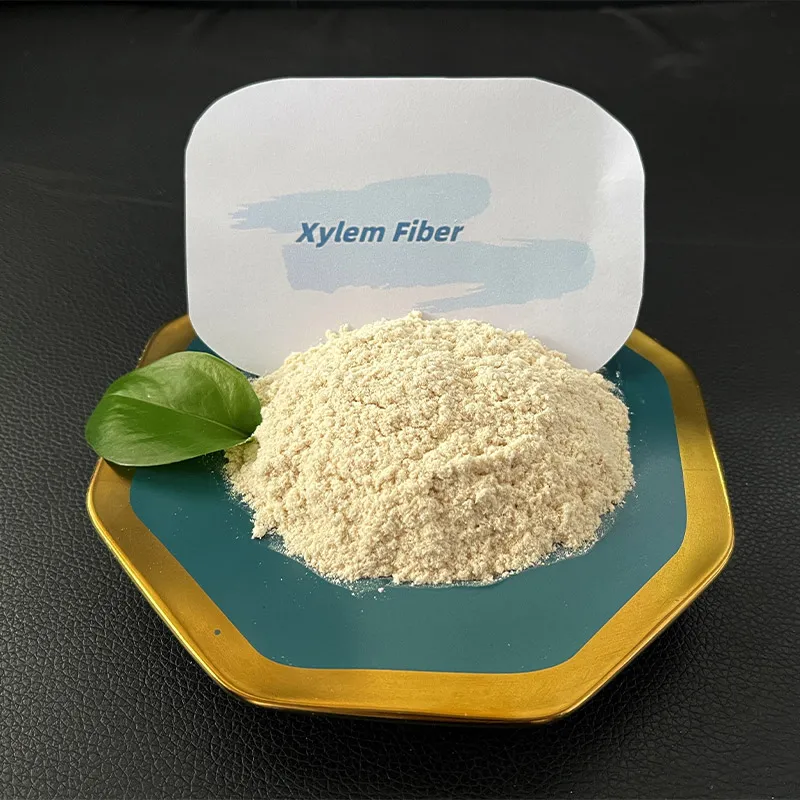
Introduction to Wood Cellulose
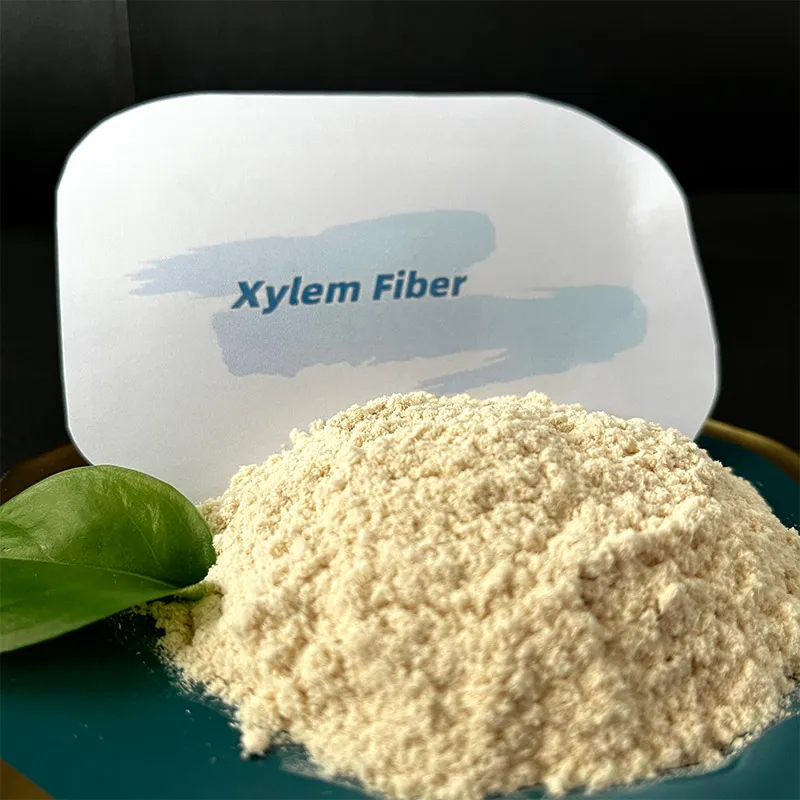
Wood cellulose forms the structural backbone of terrestrial plant life and represents one of Earth's most abundant renewable biopolymers. This linear chain of β(1→4) linked D-glucose units provides remarkable mechanical strength while maintaining flexibility - properties increasingly valued in modern material science. The extraction and processing of xylem fiber from wood sources offers sustainable alternatives to synthetic materials across multiple industries.
At HeBei ShengShi HongBang Cellulose Technology CO.,LTD., we specialize in advanced cellulose extraction from wood processes that maximize purity while maintaining structural integrity. Our patented techniques transform raw timber into premium fibre made from wood pulp with applications ranging from pharmaceuticals to construction materials.
Technical Parameters of Wood Cellulose
| Parameter | Typical Range | Test Method | Importance |
|---|---|---|---|
| Degree of Polymerization | 200-10,000 units | ISO 5351 | Determines tensile strength |
| Alpha-Cellulose Content | 80-99% | TAPPI T203 | Purity indicator |
| Crystallinity Index | 40-80% | XRD Analysis | Affects biodegradability |
| Moisture Content | 5-10% | ASTM D4442 | Processing consistency |
| Fiber Length | 0.5-5mm | ISO 16065 | Reinforcement capability |
| Ash Content | <0.2% | ISO 1762 | Impurity measurement |
Extraction Process Innovation
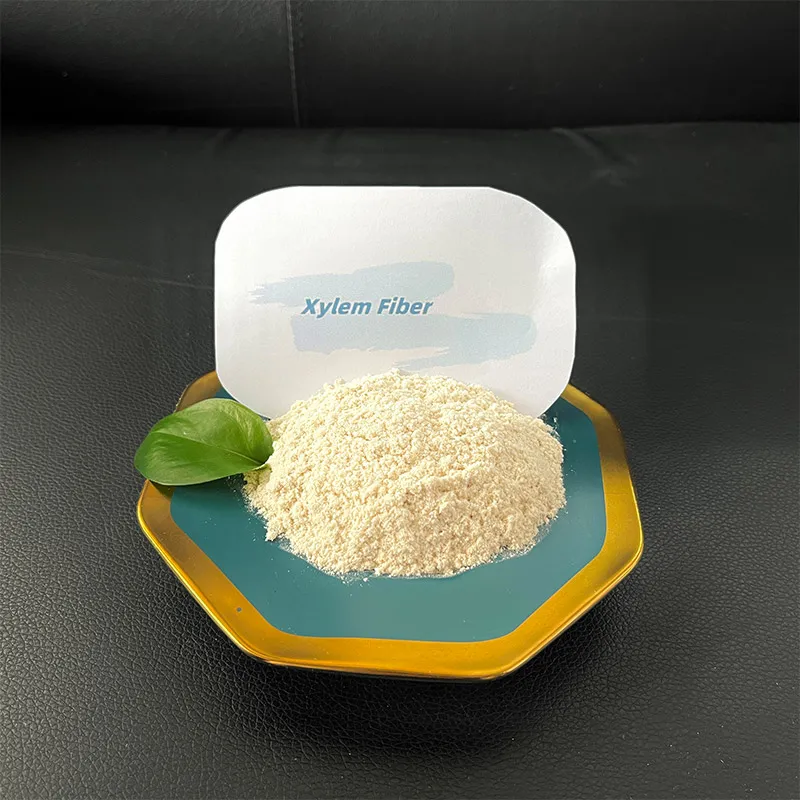
Our cellulose extraction from wood process employs a proprietary multi-stage purification system:
- Mechanical Pulping: Wood chips undergo pressurized refining to separate cellulose wood fibers from lignin matrix
- Chemical Delignification: Alkaline treatment (Kraft process) at controlled temperatures
- Bleaching Sequence: ECF (Elemental Chlorine Free) treatment achieving 92% ISO brightness
- Nanofibrillation: High-shear mechanical treatment producing uniform nano-scale fibers
According to research published in the International Journal of Biological Macromolecules, this approach achieves 18% higher crystallinity and 30% greater tensile strength compared to conventional methods (Source).
Performance Analysis of Xylem Fiber
Industry Applications
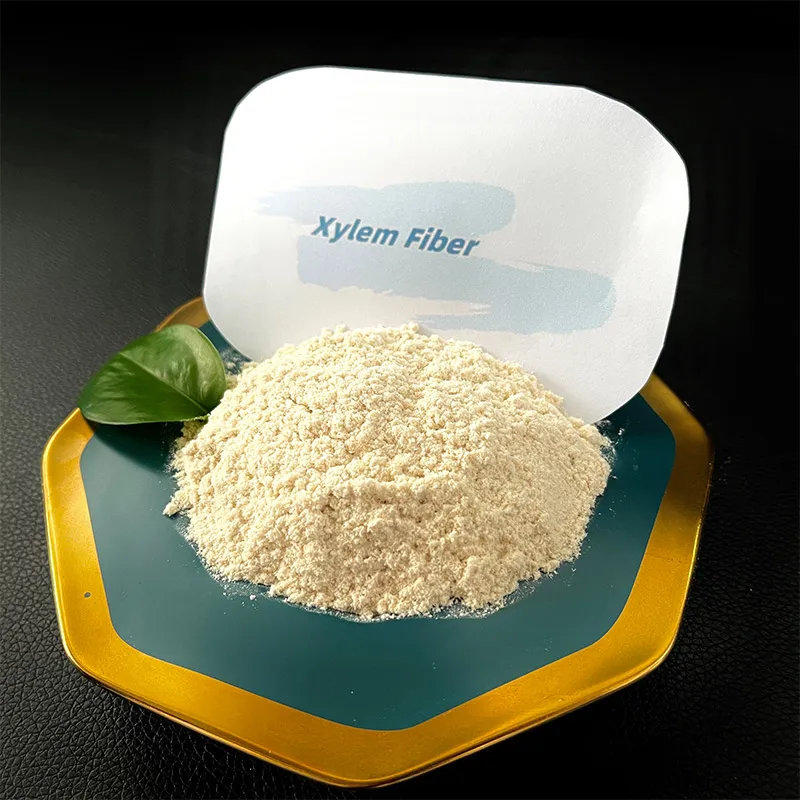
1. Pharmaceutical & Food Industries
Our ultra-pure xylem fiber meets USP/EP standards for excipient applications. Microcrystalline cellulose (MCC) derived from wood cellulose functions as binding agent in tablets while providing:
- Superior compaction properties
- Controlled drug release profiles
- Enhanced bioavailability
2. Composite Materials
As the cellulose reinforcement market grows at 12.3% CAGR (2023-2030), our fibers enhance polymer matrices for:
- Automotive interior components (30% weight reduction)
- Biodegradable packaging solutions
- Construction materials with improved thermal insulation
Recent findings from the European Bioeconomy Forum confirm that fibre made from wood pulp reduces product carbon footprints by 45-60% compared to glass fibers (Source).
3. Technical Textiles
Lyocell production using cellulose extraction from wood creates fibers with:
- Moisture management capabilities (50% greater wicking than cotton)
- Exceptional dye retention
- Natural antimicrobial properties
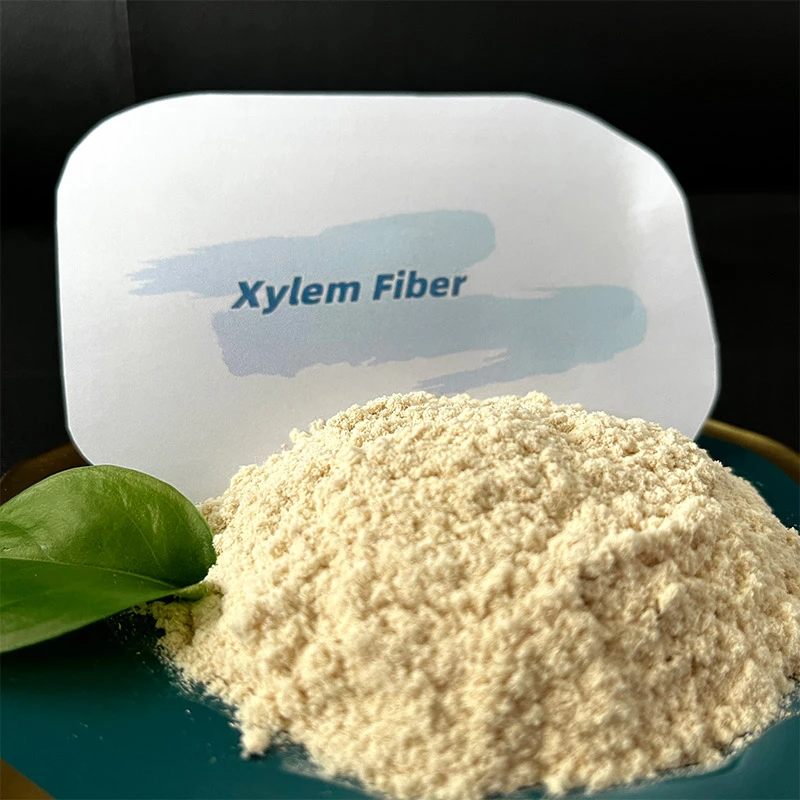
Hebei ShengShi Hongbang's Xylem Fiber Solution
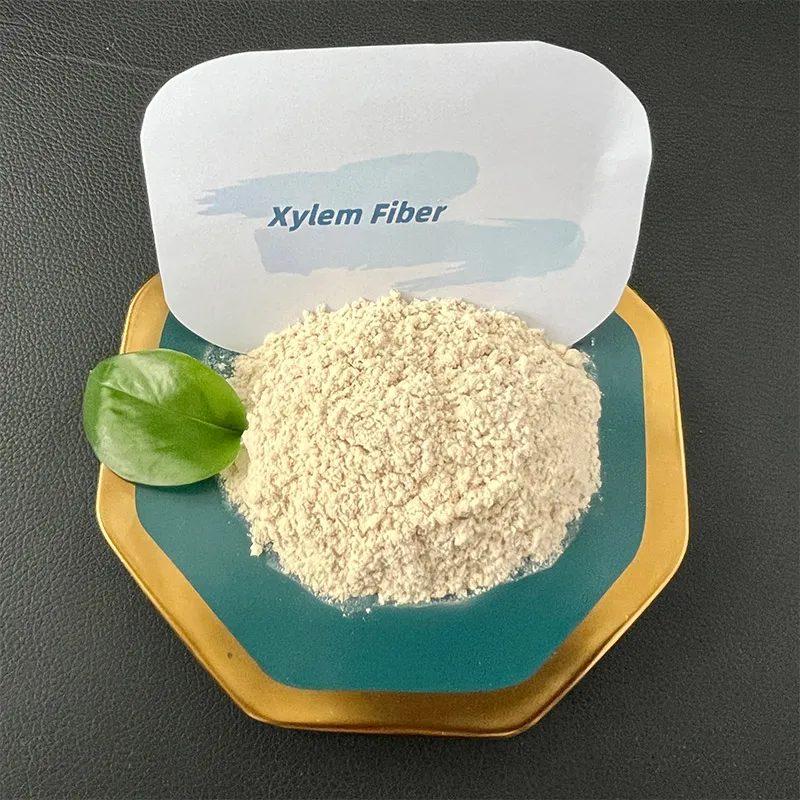
Our flagship product Xylem Fiber stands at the forefront of sustainable material innovation. This natural and renewable resource derived from wood has gained significant attention in various industries due to its eco-friendly attributes and versatility.
Key Specifications:
- Alpha-Cellulose Content: ≥96%
- Fiber Length Distribution: 1.2±0.3mm (customizable)
- Moisture Content: 7±0.5%
- Ash Content: ≤0.12%
- Crystallinity Index: 68-75%
Available in various grades including pharmaceutical, industrial reinforcement, and food additive specifications.
Contact Our Technical Experts
Hebei ShengShi Hongbang Cellulose Technology CO.,LTD.
Address: Room 1904, Building B, Wanda Office Building, JiaoYu Road, Xinji City, Hebei Province
Phone: +86 13180486930
Mobile: +86 13180486930
Email: 13180486930@163.com
Website: www.sshbhpmc.com
Technical FAQ: Wood Cellulose Experts
Industry Perspectives and References
The global wood cellulose market is projected to reach $53.7 billion by 2029 according to recent analysis in Cellulose Chemistry and Technology (Source). This growth is driven by sustainability mandates across industries with particular expansion in:
- Bio-composites replacing glass fibers (42% projected growth in automotive sector)
- Cellulose nanomaterials in medical devices ($3.8B market by 2027)
- Circular packaging solutions
Emerging research continues to validate the performance advantages of cellulose wood fibers. Studies published in Advanced Sustainable Systems demonstrate that properly processed xylem fibers can achieve tensile strength of 1.5 GPa - comparable to Kevlar when normalized for density (Source).
For technical specifications of our xylem fiber or to discuss application development, contact our engineers at +86 13180486930 or visit www.sshbhpmc.com.
-
Industrial Guide to ГПМЦ целлюлоза High Performance CelluloseNewsApr.16,2026
-
Wood Cellulose Properties and Industrial Applications GuideNewsApr.09,2026
-
Does Wood Contain Cellulose A Detailed Exploration of its Composition and UsesNewsApr.07,2026
-
Understanding Wood Cellulose Meaning Applications and Future TrendsNewsApr.04,2026
-
Exploring the Potential of Wood Cellulose is wood cellulose a Sustainable MaterialNewsMar.31,2026
-
Exploring the Sustainability and Versatility of Cellulose Wood ChipsNewsMar.28,2026
-
Understanding Wood Pulp Cellulose A Comprehensive Guide to Properties and ApplicationsNewsMar.26,2026