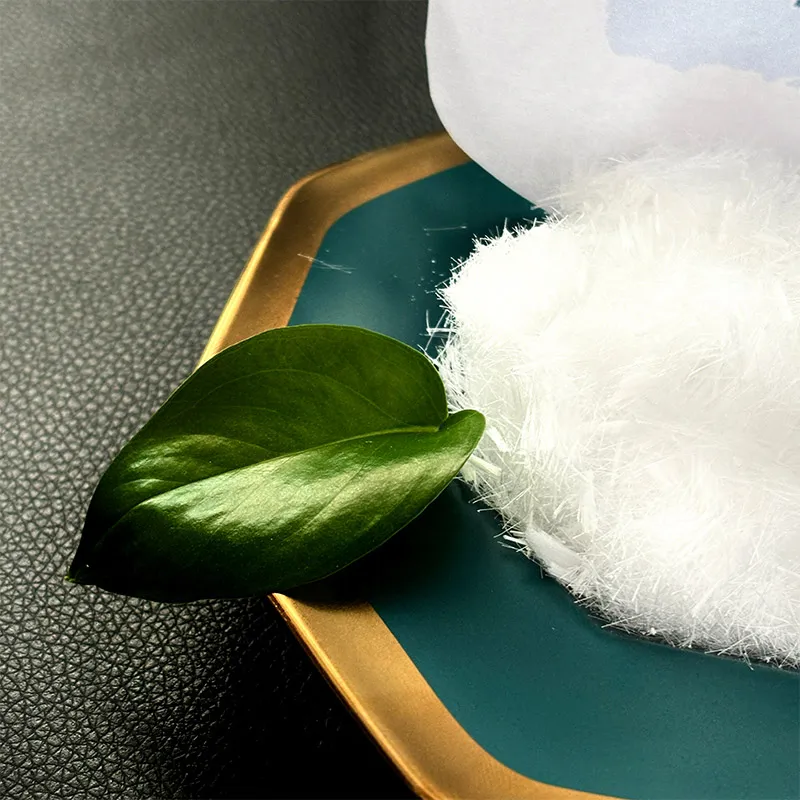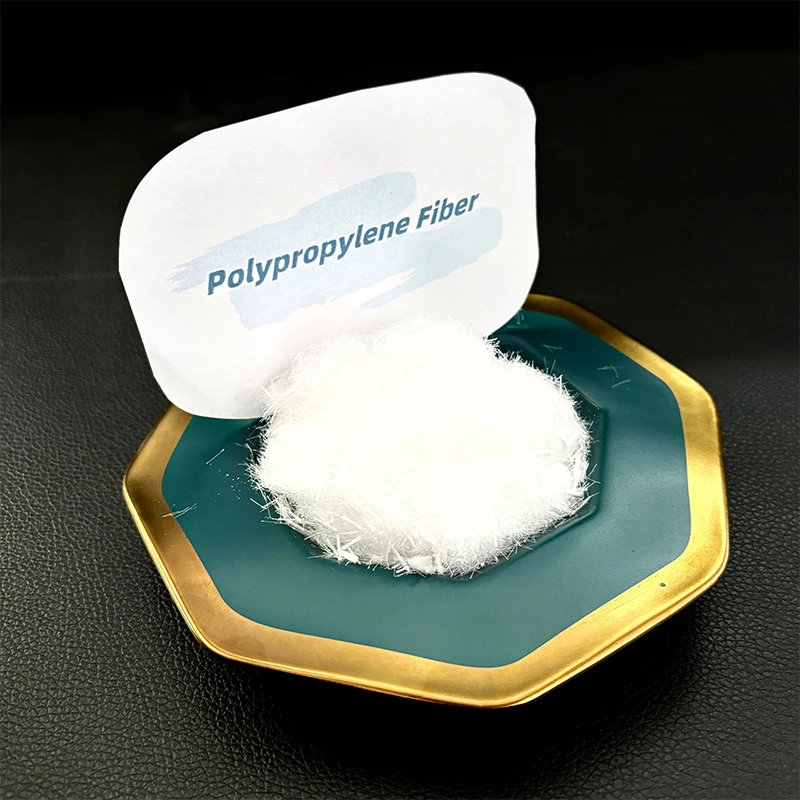


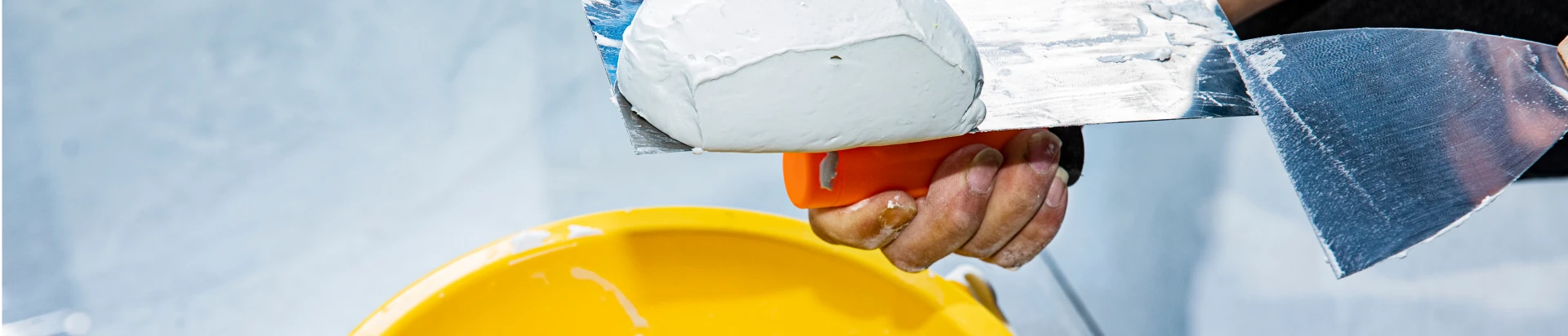
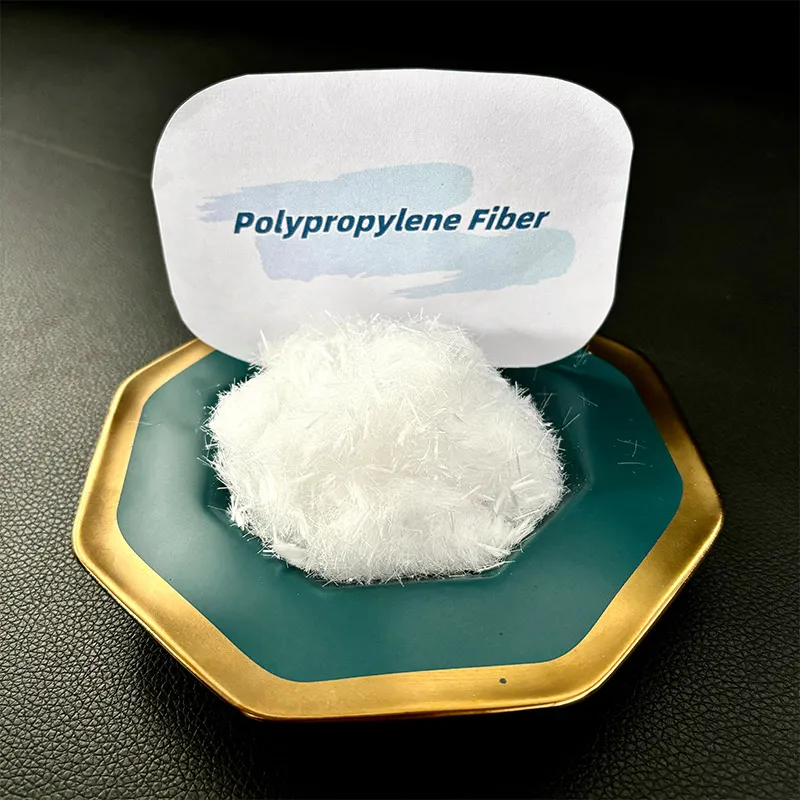
Polypropylene fiber is an innovative material that significantly enhances the performance characteristics of concrete and mortar, making it an essential component in modern construction applications. As a premier supplier, HeBei ShengShi HongBang delivers premium-grade polypropylene fibers that meet rigorous international standards for strength, durability, and performance optimization.
Technical Specifications of Premium Polypropylene Fibers
| Parameter | Standard Value | Test Method | Performance Benefit |
|---|---|---|---|
| Fiber Length | 3-20 mm | ASTM D2130 | Crack control optimization |
| Diameter | 18-45 microns | ISO 1888 | Optimal reinforcement distribution |
| Tensile Strength | 400-750 MPa | ASTM D2101 | Structural reinforcement |
| Elastic Modulus | 3.5-10 GPa | ISO 527 | Flexural strength enhancement |
| Melting Point | 160-170°C | ASTM D7138 | Heat resistance |
| Density | 0.91 g/cm³ | ISO 1183 | Ease of mixing |
| Alkali Resistance | >95% | ASTM C1116 | Concrete matrix longevity |
| Dosage Rate | 0.6-1.8 kg/m³ | ACI 544 | Plastic shrinkage reduction |
Industry Applications & Technical Advantages
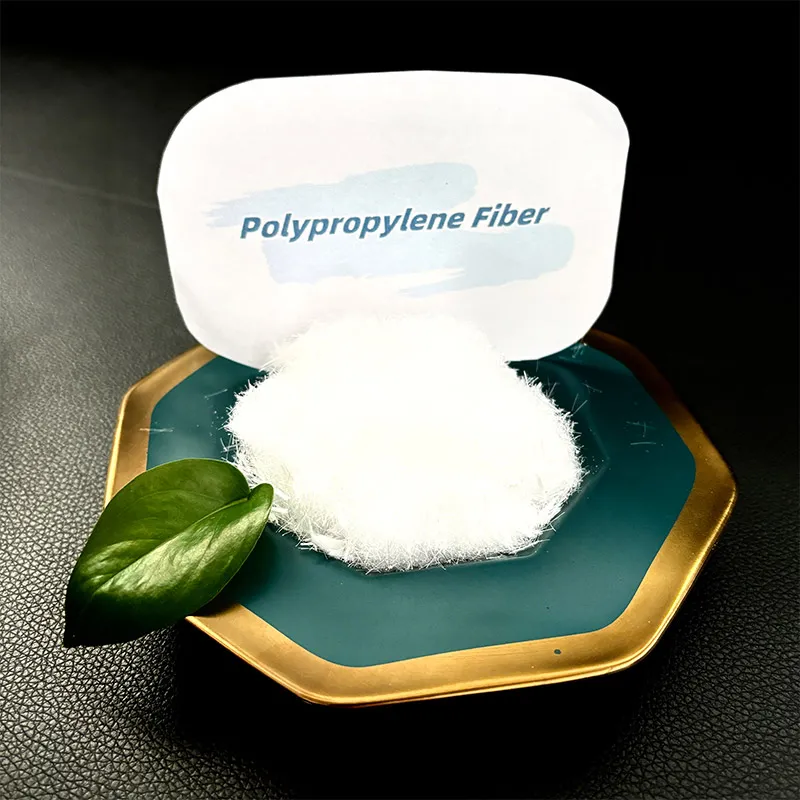
Concrete Reinforcement
Our pp fiber products reduce crack formation by up to 85% while improving impact resistance by 150% (ACI Materials Journal).
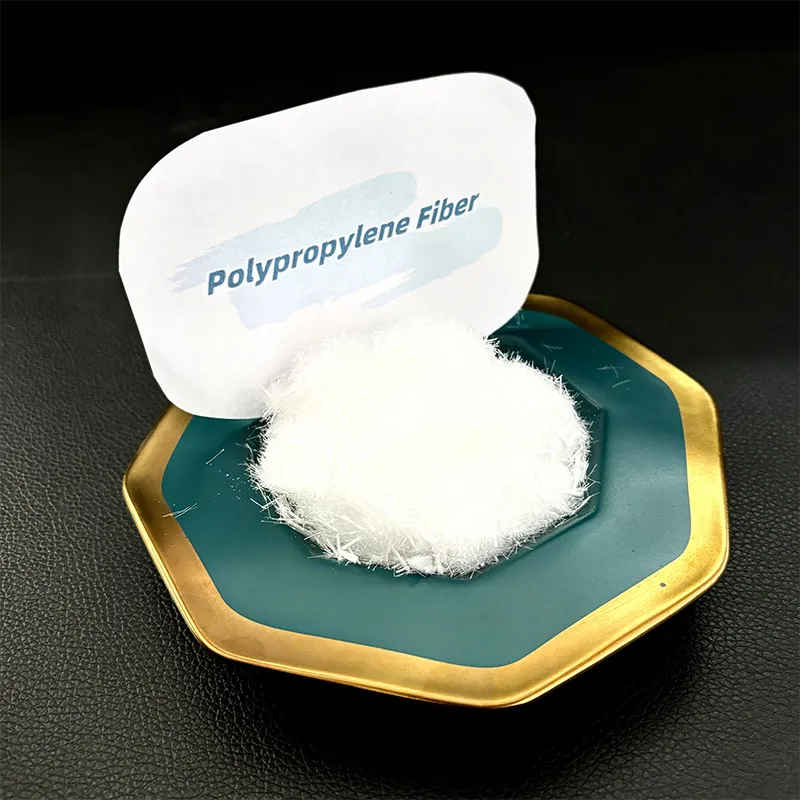
Mortar Enhancement
Microfiber synthetic additives decrease permeability and improve freeze-thaw durability in mortar applications.
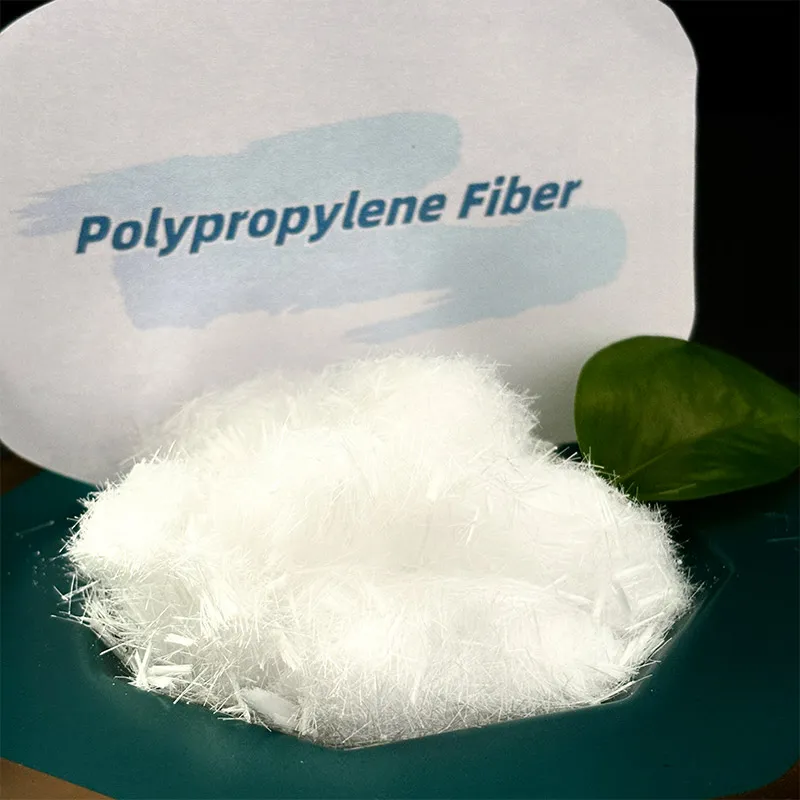
Pavement Construction
Integrating polypropylene fibre extends road lifespan by minimizing reflective cracking (Journal of Materials in Civil Engineering).
Industrial Flooring
Our fibers increase abrasion resistance and eliminate joint spacing limitations in warehouse slabs.
Performance Analysis of Polypropylene Fibers
Comparative strength development in fiber-reinforced concrete
Surface durability under abrasion testing cycles (ASTM C944)
Global market growth projections for synthetic fibers (2024-2030)
Technical FAQ: Polypropylene Fiber Applications
What fiber length provides optimal crack control?
For most concrete applications, 12mm fibers demonstrate optimal performance with uniform dispersion and maximum crack-bridging capability according to RILEM technical recommendations. For spray applications, 6mm microfibers are preferred.
How does aspect ratio affect reinforcement?
Aspect ratio (length/diameter) directly influences bonding strength. We manufacture fibers with 200-500 ratios ideal for different mix designs. Higher ratios increase tensile strength but require careful mixing procedures.
What polymer grade is suitable for aggressive environments?
Our chemically-modified homopolymer fibers with pH stability from 1-13 withstand harsh chemical exposure exceeding 20 years according to ASTM C666 freeze-thaw certification.
How does dosage affect compressive strength?
Optimal dosages between 0.9-1.2kg/m³ increase compressive strength 15-20% as documented in ACI 544.3R reports. Higher dosages improve toughness but may slightly decrease workability.
What surface treatments enhance bonding?
Our proprietary hydrophilic coating improves fiber-matrix bond strength by 30% compared to untreated fibers (CTLGroup testing). This treatment also reduces mixing time.
How do synthetic fibers compare to steel reinforcement?
While steel provides primary reinforcement, polypropylene fiber offers secondary reinforcement with superior crack control, corrosion resistance, and freeze-thaw protection at 1/10 the material cost.
What certifications does your production meet?
Our manufacturing facility is ISO 9001:2015 certified with individual products meeting ASTM C1116, EN 14889-2, and JIS A6204 standards for consistent quality assurance.
Industry Recognition & Technical Validation
"Recent studies confirm that properly engineered polypropylene fibers can extend concrete service life by 40-60% by effectively controlling microcrack formation during critical curing stages." - International Journal of Concrete Structures and Materials
Additional Technical References:
- "Performance Evaluation of Synthetic Fiber Reinforced Concrete" - American Concrete Institute (www.concrete.org)
- "Global Fiber Market Analysis 2023" - Fiber Cement Composite Research Council (fibercomposites.org)
- "Durability Enhancements through Microfibers" - Journal of Building Materials Science (jbms.build)
- "Comparative Analysis of Fiber Reinforcements" - Materials and Structures Journal (matsstruct.springer.com)
- "Advanced Production Techniques for PP Fibers" - International Fiber Association (globalfibers.org)