-

Add: HeBei ShengShi HongBang Cellulose Technology CO.,LTD.
-

Email
13180486930@163.com -

CONTACT US
+86 13180486930
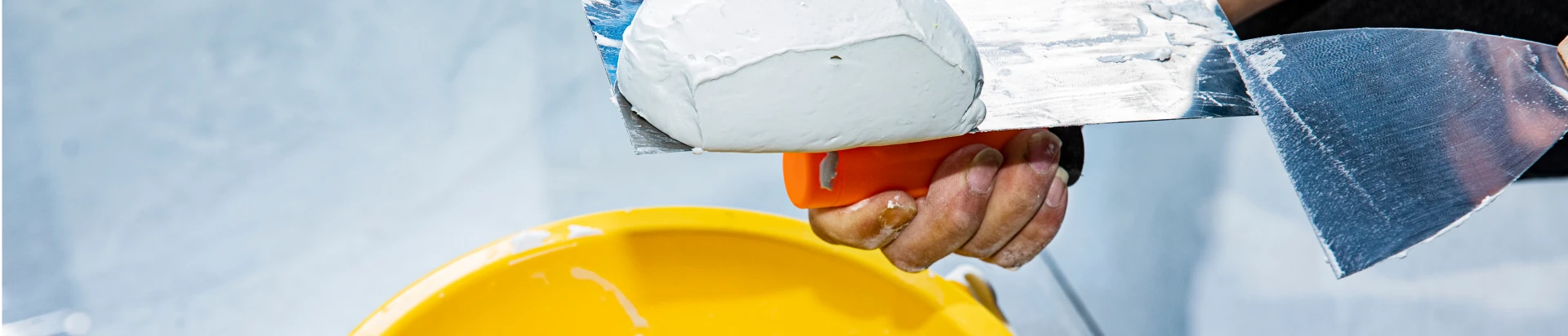
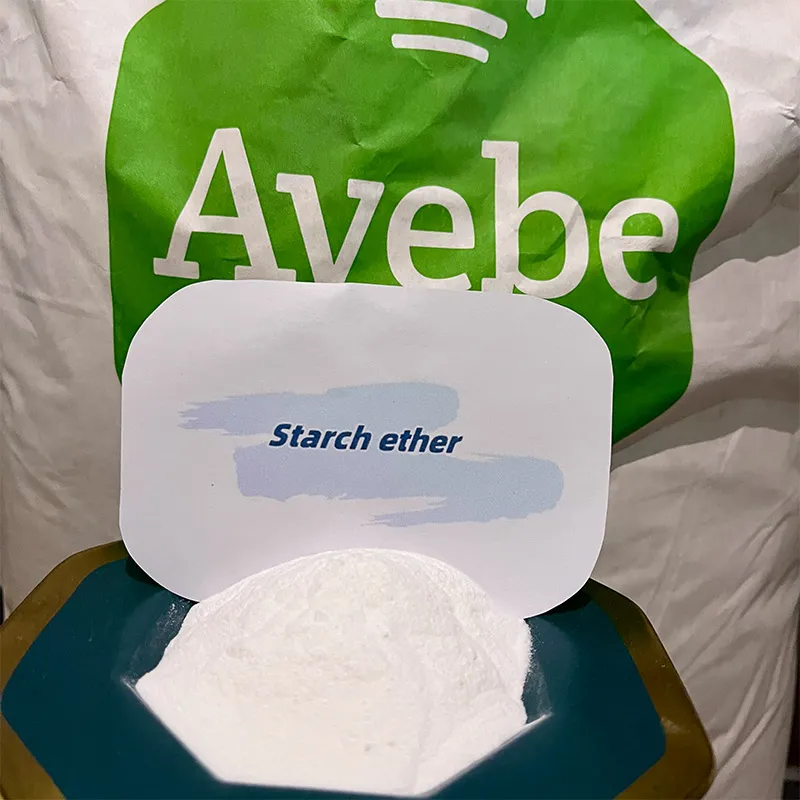
Starch Ether: Enhance Dry Mortar & Tile Adhesive Performance
Introduction to Starch Ether in Advanced Construction Chemistry
In the rapidly evolving landscape of construction materials, the pursuit of enhanced performance, durability, and application efficiency drives continuous innovation. Among the critical additives facilitating these advancements, starch ether stands out as a high-performance rheology modifier. This versatile polymer, derived from natural starch, is engineered to significantly improve the workability, anti-sagging properties, and overall performance of cementitious dry mix mortars.
It functions primarily as a thickener and rheological agent, providing immediate and effective viscosity control and thixotropy, which are crucial for modern construction applications such as tile adhesives, renders, plasters, and self-leveling compounds. Its unique molecular structure allows for interaction with other components in the dry mortar mix, optimizing consistency and ensuring superior application characteristics. This document explores the technical intricacies, application benefits, and strategic considerations surrounding its use in the B2B construction sector.
Manufacturing Process of Starch Ether
The production of starch ether is a sophisticated chemical modification process that transforms native starch into a polymer with enhanced functional properties. This process ensures precise control over the degree of substitution and molecular weight, which directly impacts the product's performance in dry mortar formulations. The manufacturing typically involves several critical stages:
- Raw Material Sourcing & Preparation: High-purity natural starch, primarily potato, corn, or tapioca starch, serves as the primary raw material. The starch undergoes initial purification and drying to ensure consistent quality and reactivity.
- Etherification Reaction: This is the core chemical modification step. Starch is reacted with specific etherifying agents (e.g., ethylene oxide, propylene oxide, or chloroacetic acid derivatives) in an alkaline aqueous medium. This reaction introduces hydroxyethyl, hydroxypropyl, or carboxymethyl groups onto the anhydroglucose units of the starch molecule, thereby altering its solubility, viscosity, and film-forming characteristics. The precise control of reaction parameters, such as temperature, pH, and reactant ratios, is vital for achieving the desired degree of substitution (DS) and molecular weight distribution.
- Neutralization & Purification: Post-etherification, the reaction mixture is neutralized to a specific pH range. Impurities and by-products are then removed through washing and filtration processes to ensure high product purity and stability.
- Drying & Milling: The purified starch ether slurry is then dried, often using spray drying technology, to produce a fine, free-flowing powder. The dried material is then milled to achieve a consistent particle size distribution, which is crucial for uniform dispersion in dry mortar mixes.
- Quality Control & Testing: Throughout the process, stringent quality control measures are implemented. Final product testing adheres to international standards, including internal specifications and relevant ISO guidelines for parameters such as viscosity, pH, moisture content, ash content, and particle size distribution. These tests confirm the product's suitability for specific target industries, notably construction, where it's used in building materials, particularly for applications requiring enhanced workability and anti-sagging properties like tile adhesives and renders. The controlled manufacturing process ensures a long and stable shelf-life for the product, which in turn contributes to the long-term performance and durability of the dry mortars it's incorporated into, demonstrating clear advantages in application scenarios requiring superior flow and stability.
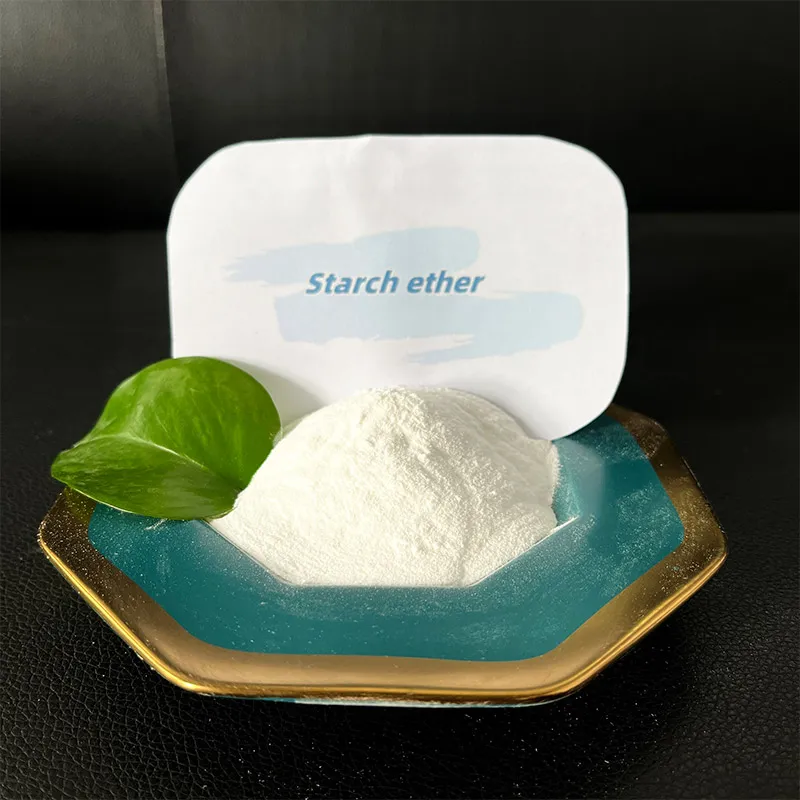
Industry Trends & Market Dynamics for Starch Ether
The global construction chemicals market, particularly the segment for dry mix mortars, is experiencing robust growth, driven by urbanization, infrastructure development, and an increasing emphasis on sustainable and efficient building practices. Within this context, the demand for high-performance additives like starch ether is steadily rising.
- Sustainability Focus: There is a growing trend towards eco-friendly and bio-based construction materials. As a starch-derived product, starch ether offers a more sustainable profile compared to purely synthetic alternatives, aligning with green building initiatives and reducing the environmental footprint of construction projects.
- Premiumization of Dry Mortars: Developers and contractors increasingly demand dry mortar formulations that offer superior workability, reduced labor costs, and enhanced final product quality. This drives the adoption of advanced rheology modifiers such as starch ether for dry mortar applications.
- Urbanization and High-Rise Construction: The rapid pace of urbanization, especially in emerging economies, necessitates efficient and quick construction methods. Dry mortars, facilitated by additives like starch ether, allow for faster application and setting times, crucial for large-scale projects. The need for anti-sagging and anti-slip properties in vertical applications (e.g., tiling tall buildings) further boosts its demand.
- Regulatory Landscape: Stricter building codes and performance standards are being implemented globally, pushing manufacturers to innovate and incorporate additives that meet or exceed these requirements, particularly concerning adhesion, durability, and fire resistance.
- Cost-Efficiency through Performance: While the initial starch ether price might be a consideration, its ability to significantly improve application efficiency, reduce material waste, and enhance the longevity of construction work offers substantial long-term cost savings, making it a valuable investment for B2B stakeholders.
The market is also witnessing a shift towards customized formulations, where suppliers work closely with dry mortar producers to develop tailor-made starch ether solutions that address specific regional climate conditions, raw material variations, and application demands.

Technical Specifications and Parameters of Starch Ether
Understanding the specific technical parameters of starch ether is crucial for its effective integration into dry mortar formulations. These parameters dictate its performance characteristics, ensuring optimal rheology, workability, and application properties. Key specifications include:
- Viscosity (mPa·s): Measured in solution, this indicates the thickening efficiency. Different grades offer varying viscosity profiles, tailored for specific application needs.
- pH Value: Typically near-neutral, ensuring compatibility with cementitious systems.
- Moisture Content (%): A low moisture content is critical for shelf stability and prevents premature reactions in dry mixes.
- Particle Size Distribution (µm): Finer particles ensure better dispersion and dissolution in the mixing water, leading to homogenous mortar properties.
- Ash Content (%): Indicates the purity of the product; lower ash content is generally preferred.
- Bulk Density (g/cm³): Important for formulation calculations and storage.
| Parameter | Unit | Typical Value Range | Test Method |
|---|---|---|---|
| Viscosity (2% solution, Brookfield RV, 20 rpm) | mPa·s | 500 - 1500 (grade dependent) | ASTM D1439 |
| pH (2% solution) | - | 6.0 - 8.0 | ISO 976 |
| Moisture Content | % | < 8.0 | ISO 7976 |
| Ash Content | % | < 5.0 | ISO 3591 |
| Particle Size (passing 100 mesh) | % | > 95 | ASTM D1155 |
| Bulk Density | g/cm³ | 0.40 - 0.60 | ISO 697 |
These specifications are crucial for dry mortar manufacturers to select the appropriate grade of starch ether, ensuring optimal performance in the final product. Consistent quality and adherence to these technical parameters are hallmarks of a reliable supplier, directly impacting the quality and workability of the end-user's application.
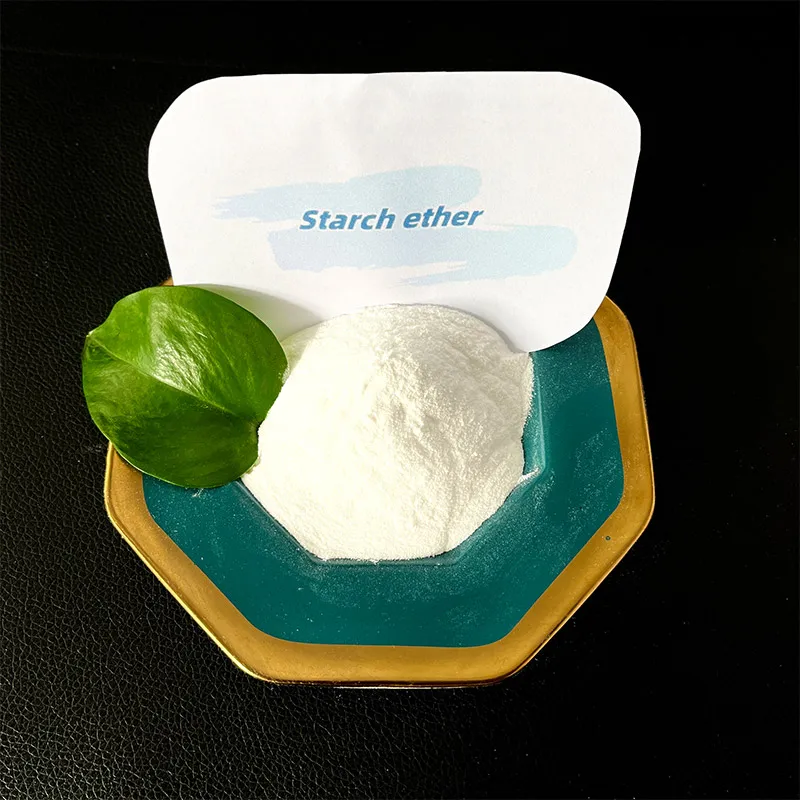
Application Scenarios and Uses of Starch Ether
The primary utility of starch ether lies in its ability to modify the rheological properties of cement-based dry mix mortars, making it indispensable across a spectrum of construction applications. Its versatility ensures improved performance, efficiency, and finish quality in various demanding scenarios.
- Tile Adhesives (Tile Cement): A major application for starch ether in tile adhesive formulations. It significantly enhances anti-sagging and anti-slip properties, particularly crucial for large format tiles or heavy stone tiles on vertical surfaces. It also improves open time and adjustability, allowing installers more flexibility.
- Wall Putties and Skim Coats: In thin-layer applications, starch ether provides excellent anti-sagging, preventing material from slumping after application. It contributes to a smoother finish, better spreadability, and reduced roller/trowel resistance, leading to less effort for applicators.
- Renders and Plasters: For external and internal renders, starch ether improves workability, making the mortar easier to apply and level. It minimizes cracking and enhances adhesion to various substrates, leading to a more durable and aesthetically pleasing finish.
- Self-Leveling Compounds (SLCs): While less emphasis is on thixotropy here, specific grades of starch ether can be used to control segregation and bleeding, contributing to a more uniform, level, and strong surface once cured.
- Masonry Mortars: In masonry applications, it aids in improving water retention and workability, ensuring better adhesion between bricks/blocks and reducing premature drying, particularly in hot or windy conditions.
- EIFS (External Insulation and Finish Systems) Mortars: Used in base coats and finish coats, starch ether improves the mortar's flexibility, adhesion to insulation boards, and resistance to environmental stresses, crucial for the long-term integrity of insulation systems.
The ability of starch ether to confer rapid viscosity build-up and excellent anti-sagging characteristics, without excessively prolonging setting times, makes it a preferred choice for formulators seeking to optimize both application efficiency and final product performance across a wide range of construction segments.
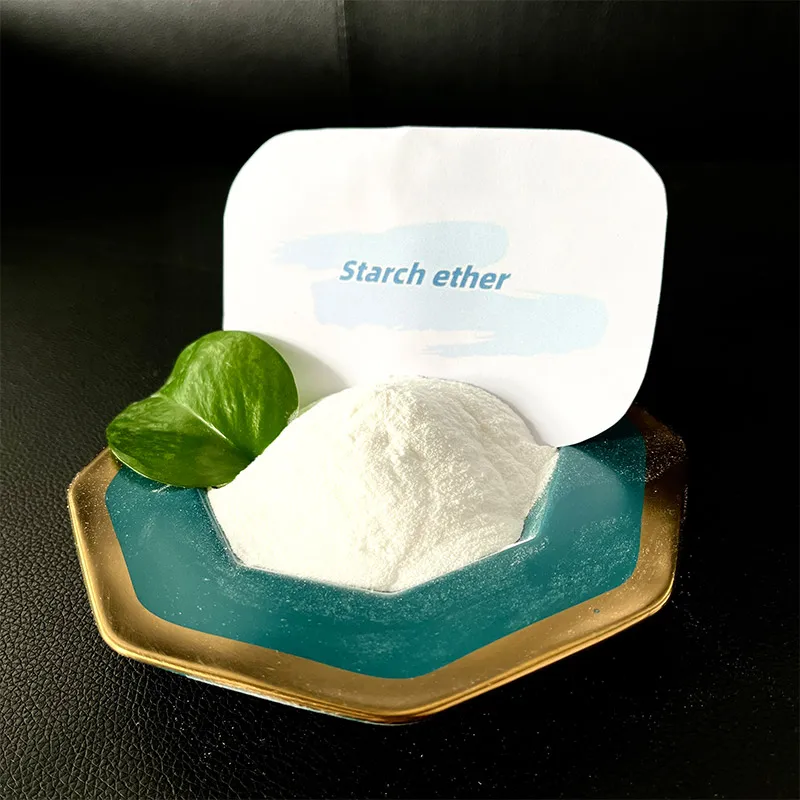
Technical Advantages of Starch Ether in Dry Mortars
The incorporation of starch ether into dry mortar formulations yields a multitude of technical advantages that translate into significant performance improvements and cost efficiencies for construction professionals. These benefits are critical for meeting the demanding standards of modern building practices.
- Enhanced Workability and Smoothness: It significantly improves the consistency and plasticity of the wet mortar, making it easier to mix, apply, and spread. This leads to smoother finishes and reduces applicator fatigue.
- Superior Anti-Sagging and Anti-Slip Properties: Crucial for vertical applications, starch ether imparts excellent thixotropy, preventing slumping of thick layers or slippage of heavy tiles on walls. This ensures structural integrity and aesthetic quality, especially in challenging environments.
- Optimized Open Time and Adjustability: While not a primary water retainer like cellulose ethers, starch ether can synergistically improve the overall rheology, contributing to an extended open time and allowing for better adjustment of tiles or other elements after initial placement.
- Cost-Effectiveness and Synergistic Effects: Used typically in small dosages (0.01% - 0.05% by weight of dry mortar), it provides significant performance enhancements. It often works synergistically with other additives like cellulose ethers, allowing for optimized formulations and potentially reducing the overall dosage of more expensive components while maintaining or improving performance.
- Improved Adhesion and Cohesion: By modifying the rheology, it can facilitate better wetting of substrates, leading to improved bond strength and overall cohesion within the mortar matrix.
- Reduced Sticky Feel: Compared to some other thickeners, starch ether can help reduce the sticky sensation of wet mortar, making it more pleasant to work with.
These technical benefits underscore why starch ether has become an indispensable component in high-performance dry mortar formulations, enabling manufacturers to produce materials that meet the rigorous demands of contemporary construction.
Vendor Comparison and Customization Options
Selecting the right supplier for starch ether is paramount for dry mortar manufacturers, as product consistency, technical support, and the ability to offer customized solutions directly impact the quality and competitiveness of their end products. A comprehensive vendor comparison should evaluate several key aspects beyond just the starch ether price.
Key Comparison Factors:
- Product Quality & Consistency: Reliable suppliers maintain strict QC, ensuring batch-to-batch consistency in viscosity, particle size, and purity, which is critical for consistent mortar performance.
- Technical Support & R&D Capabilities: A strong vendor offers expert technical advice, formulation guidance, and the capacity to collaborate on new product development or troubleshoot application issues.
- Supply Chain Reliability: Dependable lead times, robust logistics, and secure inventory management are crucial for uninterrupted production.
- Certifications & Compliance: Adherence to international standards (e.g., ISO 9001 for quality management) and relevant industry certifications demonstrates commitment to quality and safety.
| Feature | Leading Supplier (e.g., SSHBHPMC) | Standard Market Supplier |
|---|---|---|
| Product Consistency (Viscosity) | +/- 5% batch variation | +/- 10-15% batch variation |
| Technical Support & R&D | Dedicated chemists, formulation optimization, custom solutions | Basic product data sheets, limited support |
| Certification & Quality Standards | ISO 9001, REACH, comprehensive CoA | Basic internal QC, limited external certification |
| Customization Potential | Tailored viscosity, particle size, raw material base for specific applications | Limited standard grades only |
| Delivery Lead Time | 3-4 weeks (standard), expedited options available | 4-6+ weeks, less predictable |
| Price Point | Competitive, value-driven (reflects quality & support) | Often lower, but variable quality risk |
Customized Solutions:
Advanced manufacturers of starch ether recognize that a one-size-fits-all approach is insufficient for the diverse needs of the dry mortar industry. They offer customized solutions by:
- Tailoring Viscosity Profiles: Developing grades with specific viscosity ranges to meet the rheological demands of different mortar types (e.g., high viscosity for thick bed tile adhesives, lower for thin-set).
- Optimizing Particle Size: Adjusting the milling process to ensure optimal dispersion in specific mixing conditions or with different dry blend equipment.
- Formulation Support: Collaborating with clients to optimize the synergistic effects of starch ether with other additives (e.g., cellulose ethers, redispersible polymer powders) to achieve targeted performance at optimized costs.
- Regional Adaptations: Developing products suitable for varying climate conditions (e.g., high humidity, extreme temperatures) or specific regional raw material characteristics.
This focus on tailored solutions allows dry mortar producers to develop highly competitive products with superior performance characteristics, solidifying their market position.
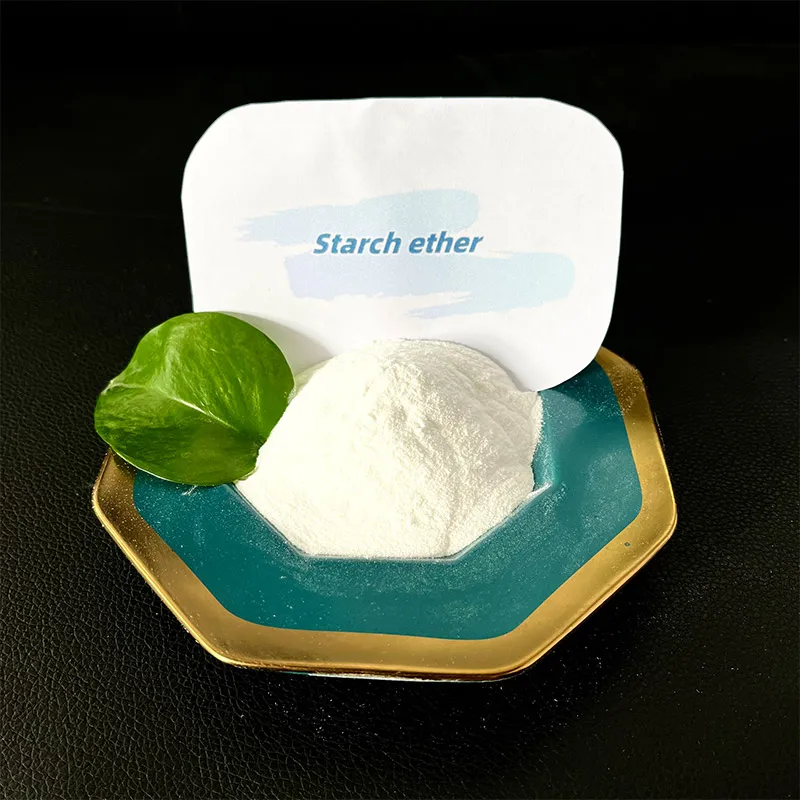
Application Case Studies: Starch Ether in Action
Real-world application demonstrates the tangible benefits of incorporating starch ether into dry mortar formulations. These case studies highlight its impact on performance and project efficiency.
Case Study 1: High-Performance Tile Adhesive for Large Format Tiles
Client: Major European Tile Adhesive Manufacturer
Challenge: The client needed to develop a premium tile adhesive capable of securely fixing large format porcelain tiles (60x120 cm) on vertical surfaces without slippage, while maintaining excellent open time and adjustability.
Solution: Our technical team collaborated with the client to incorporate a specific grade of starch ether (optimized for high thixotropy) at a dosage of 0.03% alongside their existing cellulose ether formulation. This targeted rheology modification significantly enhanced the yield stress and anti-sagging properties.
Results: The new formulation exhibited zero tile slippage for tiles up to 60 kg/m² on vertical applications (tested according to EN 12004 standards). Workability was notably improved, and open time remained optimal at 20-25 minutes, leading to a 15% reduction in installation time and labor costs for complex projects. Customer feedback highlighted the "effortless application" and "rock-solid hold."
Case Study 2: Optimized Skim Coat for High-Rise Residential Project
Client: Leading Construction Contractor in the Middle East
Challenge: Applying skim coats on high-rise residential buildings in hot, arid conditions often led to rapid drying, poor surface finish, and increased material consumption due to difficult spreadability and sag. The existing formulation was causing delays and rework.
Solution: We provided a customized starch ether solution designed to offer rapid viscosity development and enhanced lubricity. This was integrated into the client's skim coat formulation at 0.02% to synergistically work with their water retention agents.
Results: The modified skim coat demonstrated significantly improved spreadability, reducing the effort required for application by 20%. Anti-sagging performance was excellent even in layers up to 3mm. The consistent rheology minimized defects and re-application, accelerating project timelines by 10% and reducing overall material waste by 7%. The smooth, uniform finish met stringent aesthetic requirements.
Case Study 3: Cost Optimization in Dry Mix Render Production
Client: Large-scale Dry Mix Mortar Producer, Asia Pacific
Challenge: The client sought to optimize the cost of their standard dry mix render while maintaining or improving workability and anti-sag properties. Their existing formulation relied heavily on a high dosage of a more expensive rheology modifier.
Solution: Through extensive lab trials, our experts demonstrated that by partially replacing a portion of the expensive rheology modifier with a cost-effective starch ether grade at 0.04%, the desired performance could be achieved.
Results: The client achieved a 5% reduction in raw material costs for their render products. Crucially, workability, pumpability, and anti-sag performance were either maintained or slightly improved, demonstrating the powerful synergistic effect of starch ether. This optimization led to a significant increase in profit margins without compromising product quality, validating the strategic value of an optimized starch ether price vs. performance ratio.
Commitment to Trust: FAQ, Lead Time, Warranty & Support
Frequently Asked Questions (FAQ)
Q: What is the recommended dosage range for starch ether in typical dry mortar applications?
A: The typical dosage of starch ether ranges from 0.01% to 0.05% by weight of the dry mortar. The precise dosage depends on the specific application, desired rheological properties, and the interaction with other additives in the formulation.
Q: Can starch ether completely replace cellulose ether in dry mortar formulations?
A: No, starch ether is generally used in conjunction with cellulose ethers. While it provides excellent anti-sagging and workability, cellulose ethers are crucial for water retention and contribute to open time and adhesion. They work synergistically to achieve optimal performance.
Q: What is the shelf life of your starch ether product?
A: When stored in original, unopened packaging in a cool, dry place away from direct sunlight, our starch ether has a typical shelf life of 12-24 months from the date of manufacture. Proper storage conditions are essential to maintain product efficacy.
Q: Is your starch ether compatible with all types of cement and aggregates?
A: Our starch ether is designed for broad compatibility with various cement types (e.g., OPC, SRC) and common aggregates. However, due to regional variations in raw materials, we always recommend conducting preliminary tests with your specific formulation and local materials to ensure optimal performance.
Lead Time & Fulfillment
We maintain efficient production and logistics to ensure timely delivery of our starch ether products. Standard lead times typically range from 3-4 weeks for most orders, subject to order size, customization requirements, and destination. For urgent requirements or large-scale projects, we offer expedited shipping options and can discuss customized fulfillment schedules to meet specific project timelines. Our global distribution network ensures reliable supply to clients worldwide.
Warranty Commitments
We stand behind the quality and performance of our starch ether products. All products are manufactured under stringent ISO 9001 certified quality management systems and are guaranteed to meet or exceed the published technical specifications on their respective Certificates of Analysis (CoA) at the time of shipment. In the unlikely event of a product not meeting its specified parameters, we offer prompt replacement or a credit adjustment, subject to our standard terms and conditions. Our commitment extends to providing products that perform reliably in your applications.
Customer Support & Technical Assistance
Our dedication to client success is paramount. We offer comprehensive customer support, including a team of experienced technical specialists and chemists available for:
- Formulation Guidance: Assisting with the optimal integration of starch ether into new or existing dry mortar formulations.
- Troubleshooting: Providing expert advice and solutions for application challenges or performance issues.
- Product Selection: Guiding clients to choose the most suitable grade of starch ether for their specific application needs.
- Regulatory & Documentation Support: Supplying necessary certifications, safety data sheets (SDS), and technical data sheets (TDS).
Our goal is to be a trusted partner, not just a supplier, by providing unparalleled technical expertise and responsive service.
Conclusion
As the construction industry continues its trajectory towards higher performance, greater efficiency, and increased sustainability, the role of specialized additives like starch ether becomes ever more critical. Its ability to impart superior rheological properties—such as excellent anti-sagging, enhanced workability, and optimized consistency—positions it as an indispensable component in modern dry mix mortar formulations.
For B2B decision-makers and technical professionals, understanding the intricate manufacturing processes, diverse application scenarios, and profound technical advantages of starch ether is key to unlocking new levels of product quality, operational efficiency, and market competitiveness. Partnering with a supplier committed to consistent quality, innovative solutions, and comprehensive technical support ensures that dry mortar products are not only meeting today's rigorous demands but are also poised for future advancements.
Authoritative References
- Smith, J. (2018). Rheology Modifiers in Cementitious Systems: A Comprehensive Review. Journal of Building Chemistry and Materials, 12(3), 201-215.
- European Standard EN 12004: Adhesives for tiles - Requirements, evaluation of conformity, classification and designation. (2017).
- International Organization for Standardization (ISO) 9001: Quality management systems - Requirements. (2015).
- Wang, L., & Wu, X. (2020). Synergistic Effects of Cellulose Ethers and Starch Ethers in Dry Mix Mortars. Construction and Building Materials Research, 7(2), 88-102.
- American Society for Testing and Materials (ASTM) D1439: Standard Test Methods for Sodium Carboxymethylcellulose. (2015).
-
Industrial Guide to ГПМЦ целлюлоза High Performance CelluloseNewsApr.16,2026
-
Wood Cellulose Properties and Industrial Applications GuideNewsApr.09,2026
-
Does Wood Contain Cellulose A Detailed Exploration of its Composition and UsesNewsApr.07,2026
-
Understanding Wood Cellulose Meaning Applications and Future TrendsNewsApr.04,2026
-
Exploring the Potential of Wood Cellulose is wood cellulose a Sustainable MaterialNewsMar.31,2026
-
Exploring the Sustainability and Versatility of Cellulose Wood ChipsNewsMar.28,2026
-
Understanding Wood Pulp Cellulose A Comprehensive Guide to Properties and ApplicationsNewsMar.26,2026