-

Add: HeBei ShengShi HongBang Cellulose Technology CO.,LTD.
-

Email
13180486930@163.com -

CONTACT US
+86 13180486930
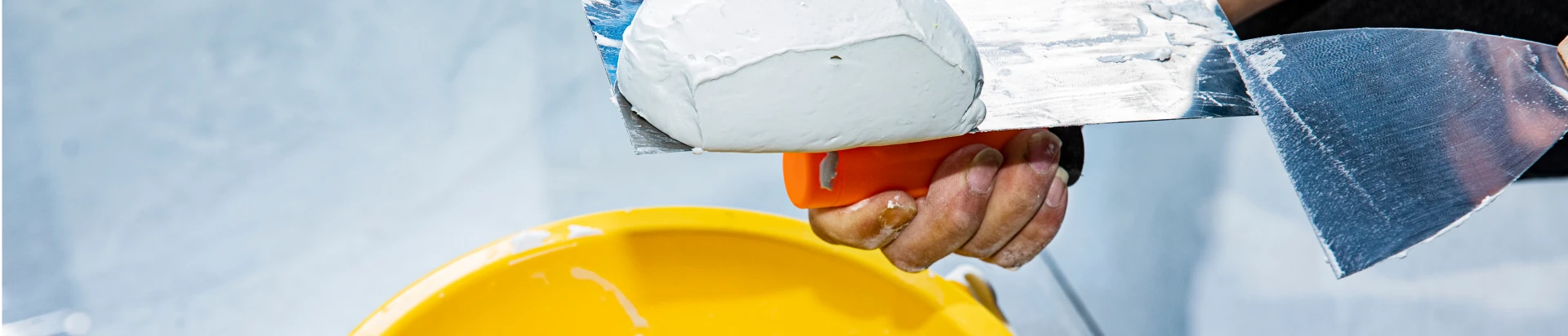
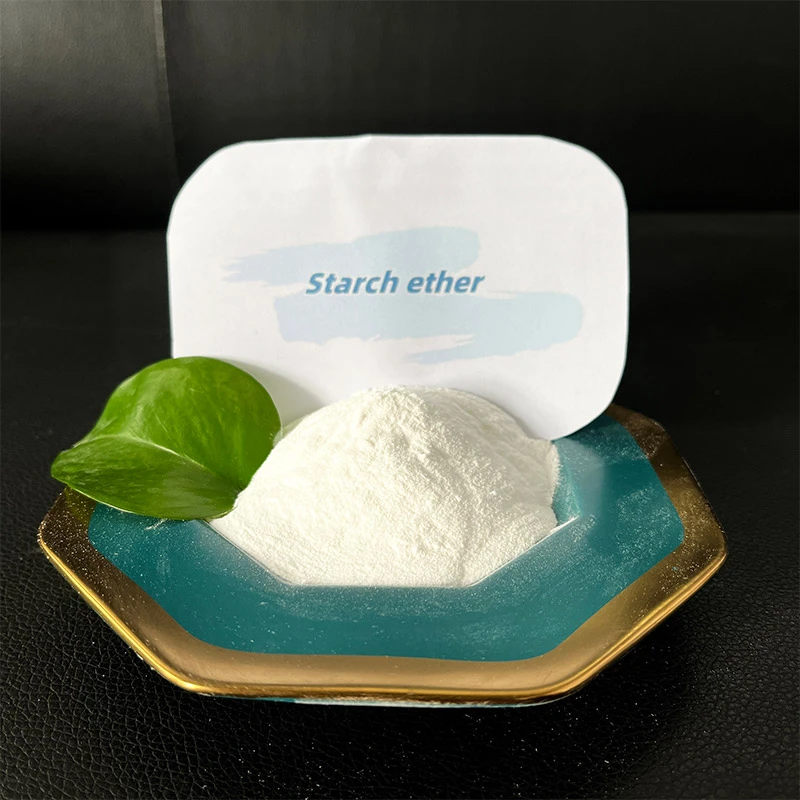
Starch Ether: Boost Dry Mortar & Tile Adhesive Performance
The Strategic Role of starch ether in Advanced Construction Materials
In the rapidly evolving landscape of construction chemicals, starch ether stands out as a crucial additive, significantly enhancing the performance characteristics of dry mortar formulations. As a synthetic polymer derived from natural starches, its unique molecular structure imparts superior rheological modification, anti-sagging properties, and improved workability, making it indispensable in modern building applications. This comprehensive guide delves into its technical specifications, manufacturing processes, diverse applications, and strategic advantages for B2B stakeholders in the construction industry.
Manufacturing Process of Starch Ether: From Raw Material to High-Performance Additive
The production of starch ether involves a sophisticated chemical process designed to achieve precise molecular structures and performance attributes. The primary raw material is natural starch, typically sourced from corn, potato, or tapioca, chosen for its abundant availability and suitable polymer chain length.
- Starch Pre-treatment: Raw starch undergoes purification, drying, and milling to obtain a fine, uniform powder. This step ensures consistent reaction kinetics and product quality.
- Slurry Preparation: The pre-treated starch is then dispersed in an aqueous solution, often with an alkali catalyst (e.g., sodium hydroxide), to swell the starch granules and prepare them for etherification.
- Etherification Reaction: An etherifying agent, such as ethylene oxide, propylene oxide, or chloroacetic acid, is introduced. This agent reacts with the hydroxyl groups on the anhydroglucose units of the starch molecule, forming ether linkages. The degree of substitution (DS) – the average number of hydroxyl groups replaced per anhydroglucose unit – is carefully controlled to tailor the final product's properties. This is a critical parameter impacting solubility and thickening efficiency.
- Neutralization and Purification: After the reaction, the mixture is neutralized, and unwanted by-products are removed through washing and filtration steps. This ensures product purity and stability, adhering to stringent standards such as ISO 9001 for quality management.
- Drying and Grinding: The purified starch ether is then dried using methods like spray drying or flash drying to achieve the desired moisture content. Subsequently, it is ground to a specific particle size distribution, which is crucial for its dispersibility and performance in dry mortar mixes.
- Quality Control and Packaging: Each batch undergoes rigorous testing for viscosity, degree of substitution, pH, moisture content, and particle size distribution, ensuring compliance with internal and industry standards (e.g., ASTM, ANSI for construction materials). The final product is then packaged in moisture-resistant bags, ready for distribution to target industries such as construction, petrochemical, and metallurgy.
This meticulous process ensures that the resulting starch ether offers a consistent service life and delivers significant advantages, such as enhanced energy saving through improved application efficiency and superior corrosion resistance in specific protective coatings.
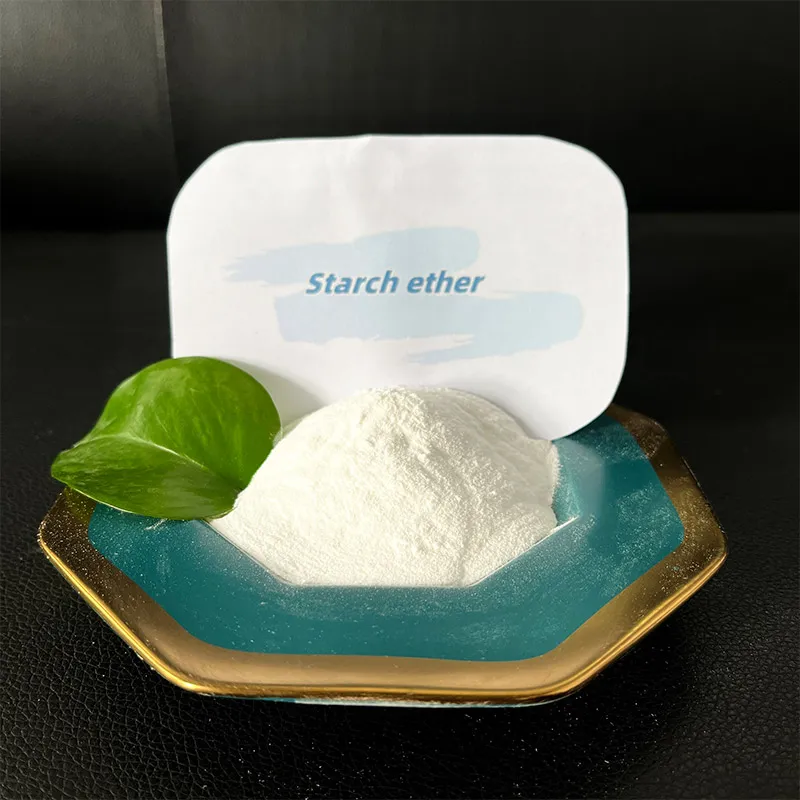
Industry Trends and Market Dynamics for Starch Ether
The global market for construction additives, including starch ether, is experiencing robust growth, driven by escalating demand for high-performance, sustainable, and easy-to-apply building materials. Projections indicate a compound annual growth rate (CAGR) of over 6% for construction chemicals in the coming years, with specialty additives like starch ether playing a pivotal role. Key trends influencing this market include:
- Urbanization and Infrastructure Development: Rapid urbanization, particularly in emerging economies, fuels construction activities and the demand for advanced building solutions.
- Shift Towards Dry Mortar Systems: Dry mortar technology offers significant advantages in terms of quality control, reduced waste, and ease of application compared to traditional wet mixes, increasing the reliance on additives like starch ether for dry mortar.
- Sustainability and Green Building Initiatives: There is a growing emphasis on environmentally friendly and resource-efficient construction practices, prompting manufacturers to innovate with bio-based additives and energy-saving formulations.
- Performance Enhancement: Demand for materials with improved workability, extended open time, enhanced adhesion, and superior anti-sagging properties continues to rise, especially in specialized applications like tile adhesives and self-leveling compounds.
- Cost-Effectiveness and Efficiency: While the initial starch ether price might be a consideration, its ability to optimize other components and improve overall application efficiency often leads to long-term cost savings and enhanced project timelines.
Technical Specifications and Parameters of High-Performance Starch Ether
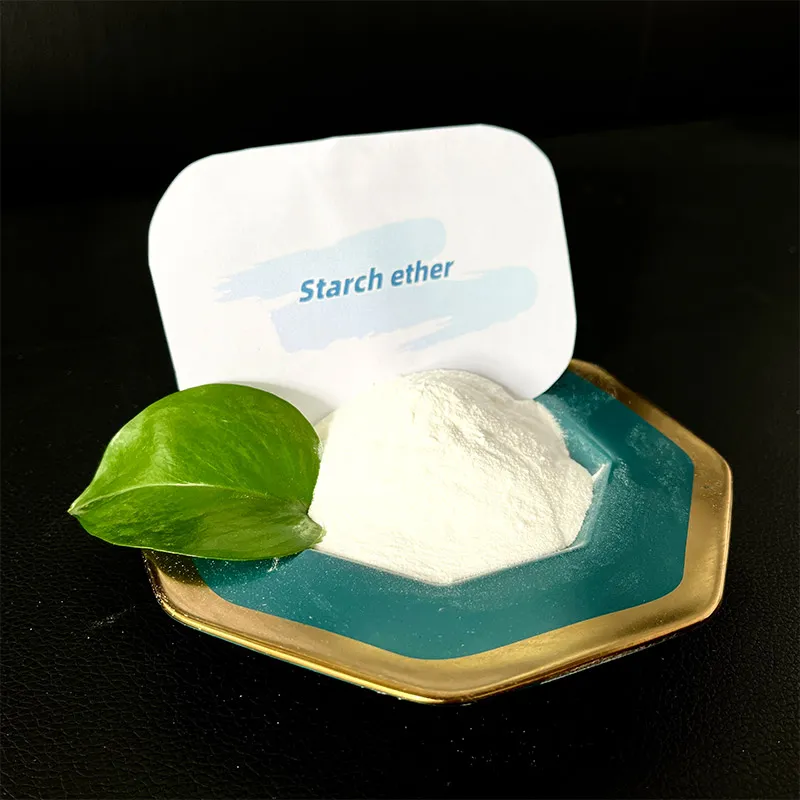
Understanding the precise technical parameters of starch ether is critical for formulators and engineers to optimize its application in various construction materials. Key properties relate to its chemical structure and physical characteristics:
| Parameter | Specification Range | Test Method |
|---|---|---|
| Appearance | White to off-white powder | Visual Inspection |
| Moisture Content | ≤ 8.0% | GB/T 28723-2012 |
| pH (1% solution) | 6.0 - 8.0 | ASTM E70 |
| Viscosity (Brookfield, 2% solution, 20°C) | 100 - 1000 mPa.s (adjustable) | ASTM D2196 |
| Fineness (Residue on 180 μm sieve) | ≤ 5.0% | GB/T 1345-2007 |
| Bulk Density | 400 - 600 kg/m³ | ASTM D1895 |
| Ash Content | ≤ 5.0% | ISO 351 |
These parameters are crucial for predicting the performance of starch ether in various applications. For instance, viscosity directly correlates with the thickening effect and sag resistance in wet mortars, while fineness impacts dispersibility and ease of mixing.
Application Scenarios: Versatile Starch Ether Uses Across Construction
The versatility of starch ether makes it an indispensable component in a wide array of dry mortar applications, fundamentally enhancing performance and applicability. The primary starch ether uses span several critical areas:
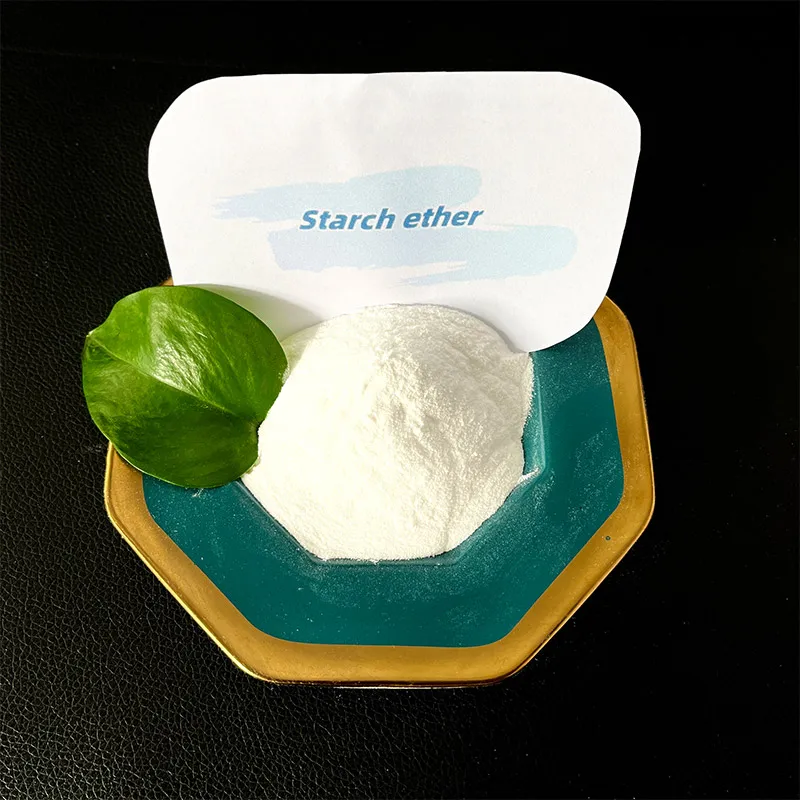
- Tile Adhesives (Tile Glue): Starch ether in tile adhesive formulations is paramount for improving open time, anti-sagging properties, and workability. It ensures that heavy tiles can be applied without slipping, even on vertical surfaces, and allows sufficient time for adjustment before setting. This is critical for achieving professional, defect-free tile installations, especially for large format or heavy natural stone tiles.
- Cement-Based Plasters and Renders: In plasters, starch ether enhances sag resistance, making it easier to apply thick layers without slumping. It also improves the smoothness of the finished surface and reduces cracking, contributing to the durability and aesthetic appeal of walls and ceilings.
- Self-Leveling Compounds (SLCs): While not a primary thickener for SLCs, optimized grades of starch ether can aid in controlling the flow and leveling behavior, preventing segregation and improving surface finish. Its presence helps in achieving a smooth, even substrate ready for flooring installation.
- External Thermal Insulation Composite Systems (ETICS) Mortars: In bonding and rendering mortars for ETICS, starch ether contributes to improved adhesion to insulation boards, better anti-slip properties during application, and enhanced crack resistance in the final render layer.
- Joint Fillers and Crack Repair Mortars: The rheological modification provided by starch ether ensures smooth application, excellent filling capacity, and reduced shrinkage, resulting in durable and aesthetic repairs.
In each of these scenarios, starch ether plays a pivotal role in optimizing workability, reducing material waste, and ultimately improving the overall quality and longevity of construction projects.
Technical Advantages of Incorporating Starch Ether
The integration of starch ether into dry mortar formulations confers a range of significant technical advantages that elevate performance and application efficiency:
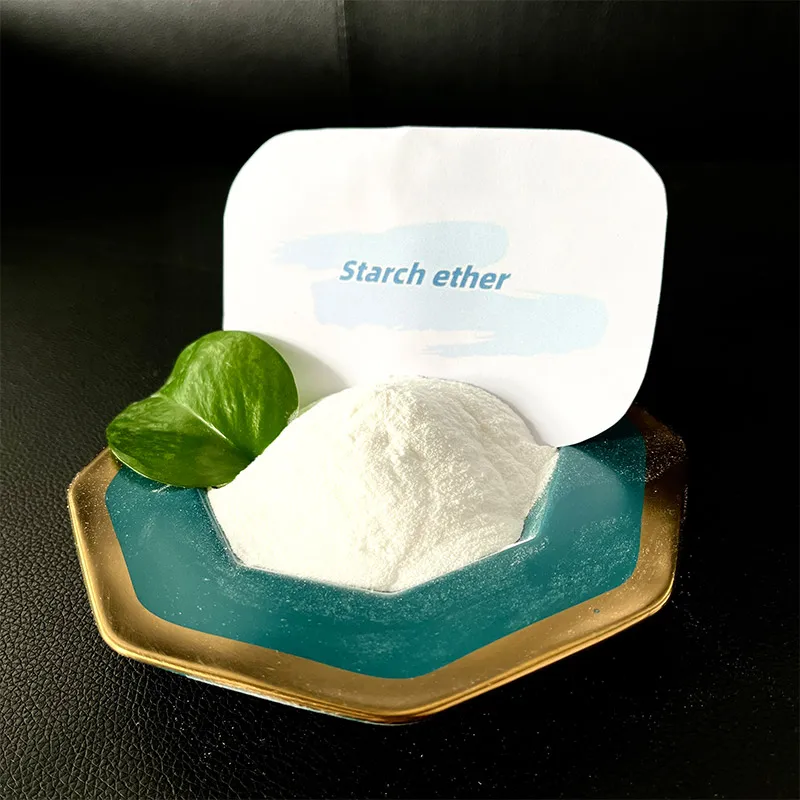
- Enhanced Rheology and Workability: Starch ether acts as a rheology modifier, improving the consistency and plasticity of fresh mortar. This leads to smoother application, reduced effort for masons, and superior spreadability, even with high-solids content.
- Superior Anti-Sagging Properties: One of the most critical benefits is its ability to impart excellent sag resistance, especially vital for vertical applications like tile adhesives and thick-layer plasters. It prevents the mortar from sliding down under its own weight, ensuring structural integrity and precise positioning.
- Optimized Open Time and Adjustability: While not primarily a water retention agent (a role typically fulfilled by cellulose ethers), starch ether contributes to maintaining the workability of the mortar for a longer period, allowing more time for adjustment and placement of tiles or other elements, thereby improving application efficiency.
- Improved Adhesion and Bond Strength: By enhancing the mortar's consistency and reducing bleeding, starch ether facilitates better contact with the substrate, leading to improved adhesion and overall bond strength once cured.
- Cost Optimization and Synergy: Starch ether often works synergistically with other additives like cellulose ethers (HPMC, MHEC). In many formulations, it can partially replace more expensive cellulose ethers while maintaining or even enhancing specific performance attributes, leading to a more favorable starch ether price-to-performance ratio.
- Consistency and Stability: High-quality starch ether ensures consistent batch-to-batch performance, providing reliability in industrial-scale production of dry mix mortars.
These advantages collectively contribute to higher quality construction, reduced labor costs, and improved material performance, making starch ether a vital ingredient for modern dry mortar formulations.
Vendor Comparison and Selection Criteria
Selecting the right supplier for starch ether is a critical decision for dry mortar manufacturers. Factors beyond just the starch ether price must be thoroughly evaluated to ensure consistent product quality, reliable supply, and technical support. Here’s a comparison framework:
| Feature/Attribute | Premium Supplier (e.g., SSHBHPMC) | Standard Supplier | Economy Supplier |
|---|---|---|---|
| Product Consistency | Excellent (Tight QC, ISO Certified) | Good (Standard QC) | Variable (Basic QC) |
| Technical Support | Dedicated R&D, Formulation Expertise, On-site Support | Basic Product Data & Troubleshooting | Limited/None |
| Customization Options | High (Tailored DS, Viscosity, Particle Size) | Medium (Limited Grades) | Low (Standard Grades Only) |
| Certifications | ISO 9001, REACH, FDA-compliant (where applicable) | Basic ISO 9001 | Minimal or Undisclosed |
| Lead Time & Reliability | Short, Consistent, High Stock Levels | Moderate, Subject to Fluctuations | Long, Unpredictable |
| Pricing Structure | Competitive value, transparent starch ether price, long-term contracts | Market-driven, some negotiation | Lowest initial price, potential hidden costs |
For critical applications, partnering with a supplier demonstrating expertise, consistent quality, and strong technical support, even if the initial starch ether price is slightly higher, often yields better overall value and fewer production issues in the long run. Many leading dry mortar manufacturers prioritize suppliers with decades of experience and robust quality assurance protocols.
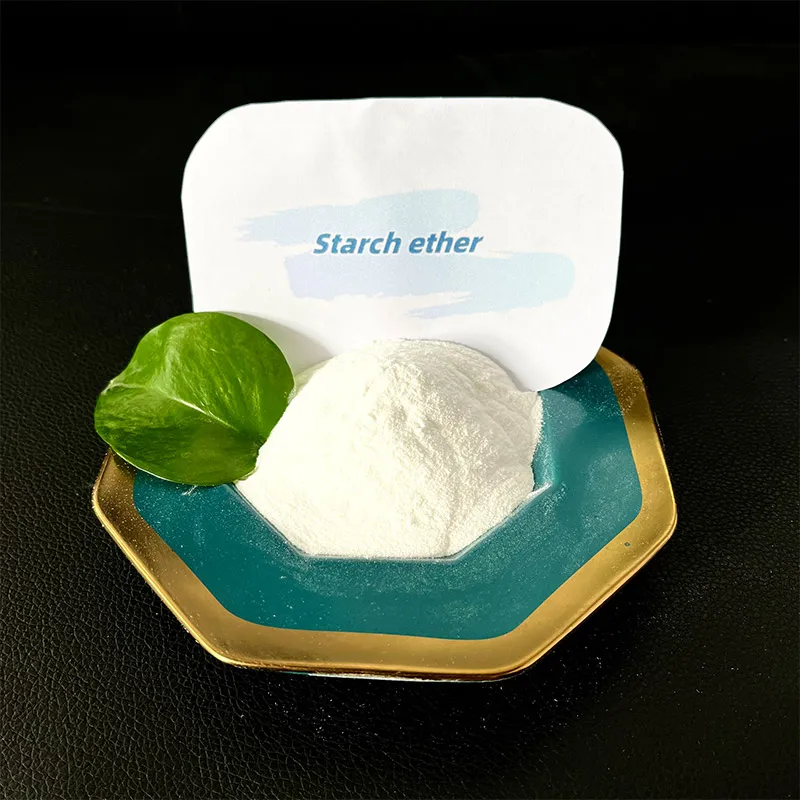
Customized Starch Ether Solutions for Specific Needs
Recognizing that standard products may not always meet specialized formulation requirements, leading manufacturers of starch ether offer customized solutions. This involves tailoring the product's chemical and physical characteristics to align precisely with a client's specific application and performance goals. Key areas of customization include:
- Degree of Substitution (DS): Modifying the DS allows for fine-tuning of the starch ether's solubility, thickening power, and interaction with other components in the mortar.
- Viscosity Profile: By adjusting reaction parameters, the resulting viscosity in solution can be controlled, enabling formulators to achieve specific rheological properties (e.g., more thixotropic or more fluid).
- Particle Size Distribution: Custom grinding ensures optimal dispersibility and dissolution rates, crucial for consistent performance in various dry mix designs.
- Raw Material Source: Depending on regional availability or specific performance requirements, the base starch (corn, potato, tapioca) can be selected.
- Purity Levels: For highly sensitive applications, enhanced purification steps can be implemented to achieve higher purity and lower residual by-product levels.
This collaborative approach, often backed by in-house R&D and application laboratories, ensures that clients receive a starch ether product perfectly optimized for their unique dry mortar formulations, enhancing their competitive edge.
Application Case Studies: Starch Ether in Action
Real-world application case studies demonstrate the tangible benefits of high-quality starch ether in complex construction projects:
-
Case Study 1: High-Rise Residential Tower Tile Installation
Challenge: A major contractor for a 50-story residential tower faced significant issues with large format (1200x600mm) porcelain tiles sagging during vertical application, leading to rework and delays. Standard tile adhesives struggled to hold the weight, especially with varying substrate conditions.
Solution: The adhesive manufacturer reformulated their tile glue using a specialized grade of starch ether known for its superior anti-sagging performance and synergistic effect with cellulose ethers. The dosage of starch ether in tile adhesive was optimized to impart immediate thixotropy without compromising open time.
Result: The new formulation exhibited exceptional anti-slip properties, allowing tiles to be placed quickly and securely on vertical surfaces. This significantly reduced installation time by 20% and eliminated costly reworks, leading to substantial savings and on-schedule project completion. Customer feedback highlighted the enhanced workability and reduced effort for installers. -
Case Study 2: Large-Scale Exterior Plastering Project
Challenge: A commercial construction firm undertaking a large exterior plastering project required a render that could be applied in thicker layers (up to 20mm) to achieve a uniform finish over uneven concrete walls, without sagging or cracking, especially in challenging weather conditions.
Solution: The dry mortar supplier incorporated a precisely engineered starch ether into their cement-based plaster formulation. This specific starch ether for dry mortar was chosen for its ability to provide high yield stress and excellent sag resistance while maintaining good pumpability for mechanized application.
Result: The modified plaster allowed for single-pass application of thicker layers, drastically reducing the number of coats required. The material showed no signs of sagging, even in high ambient temperatures, and the finished surface was consistently smooth and crack-free. This led to a 15% reduction in labor hours and improved material efficiency.
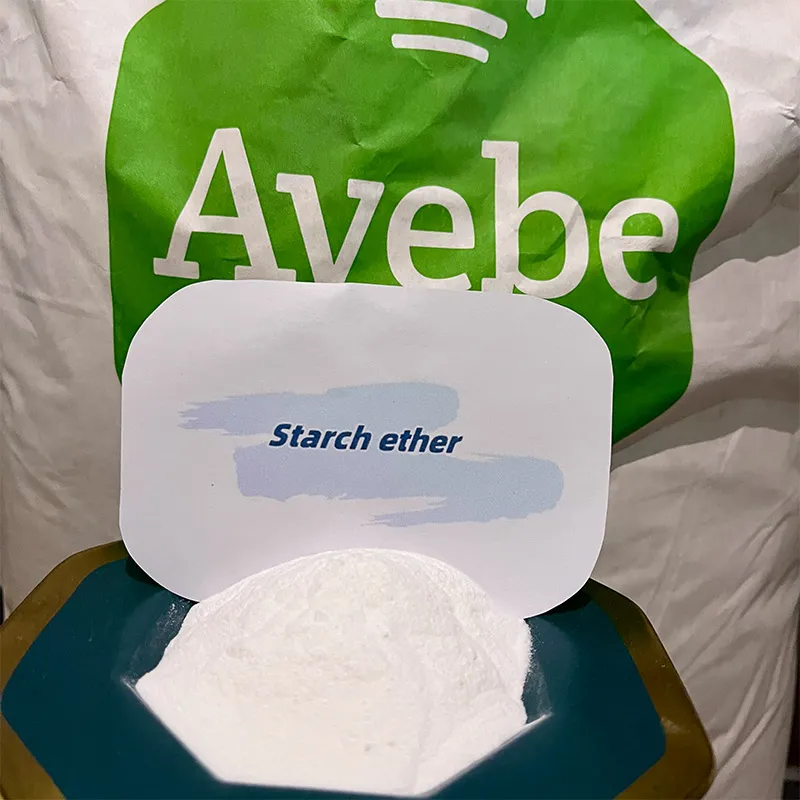
Frequently Asked Questions (FAQ) about Starch Ether
Q: What is the primary function of starch ether in dry mortar?
A: The primary function of starch ether is to act as a rheology modifier, providing anti-sagging properties, improving workability, and enhancing the consistency of dry mortar formulations, particularly in applications requiring higher build thickness or vertical application.
Q: How does starch ether differ from cellulose ethers (e.g., HPMC)?
A: While both are rheology modifiers, starch ether typically offers stronger anti-sagging and thixotropic properties at lower dosages. Cellulose ethers (like HPMC) are superior in water retention and usually provide longer open times. They are often used synergistically to achieve a balanced performance profile.
Q: Is starch ether compatible with other dry mortar additives?
A: Yes, starch ether is highly compatible with most common dry mortar additives, including cellulose ethers, redispersible polymer powders, defoamers, and superplasticizers. Its synergistic effects often enhance the overall performance of the mortar system.
Q: What is the recommended dosage of starch ether in tile adhesive?
A: The optimal dosage of starch ether in tile adhesive varies depending on the specific formulation, desired performance, and other additives. Typically, it ranges from 0.01% to 0.1% of the total dry mix weight. It is always recommended to conduct preliminary tests.
Logistics, Warranty, and After-Sales Support
Ensuring a seamless supply chain and robust post-purchase support are integral to the value proposition of starch ether suppliers.
- Lead Time and Fulfillment: We typically maintain a lead time of 7-14 business days for standard orders, with expedited options available for urgent requirements. Our extensive logistics network ensures efficient and reliable global delivery, adhering to international shipping standards.
- Warranty Commitments: All our starch ether products are backed by a comprehensive 12-month warranty against manufacturing defects and for consistent performance under recommended storage conditions. We guarantee that our products meet or exceed the specified technical parameters.
- Customer Support: Our dedicated technical support team comprises experienced chemical engineers and application specialists. We offer real-time consultation, troubleshooting assistance, and expert advice on formulation optimization. This commitment extends beyond product delivery, ensuring maximum value for our partners.
- Certifications: Our manufacturing facilities are ISO 9001:2015 certified, reflecting our unwavering commitment to quality management and continuous improvement. Batch-specific Certificates of Analysis (CoA) are provided with every shipment.
Conclusion
The strategic integration of starch ether represents a significant advancement in dry mortar technology. Its ability to impart superior rheological properties, anti-sagging characteristics, and improved workability makes it an indispensable component for high-performance construction materials. As the industry continues to demand more efficient, durable, and sustainable solutions, the role of specialized additives like starch ether will only grow, underscoring its long-term value for manufacturers and construction professionals worldwide.
References
- European Federation of Construction Chemical Manufacturers (EFCC) Industry Reports.
- Journal of Construction and Building Materials, various issues.
- ASTM International Standards for Cement and Concrete.
- ISO 9001:2015 Quality Management Systems – Requirements.
- Specialty Chemicals Magazine, "Advances in Dry Mortar Additives."
-
Industrial Guide to ГПМЦ целлюлоза High Performance CelluloseNewsApr.16,2026
-
Wood Cellulose Properties and Industrial Applications GuideNewsApr.09,2026
-
Does Wood Contain Cellulose A Detailed Exploration of its Composition and UsesNewsApr.07,2026
-
Understanding Wood Cellulose Meaning Applications and Future TrendsNewsApr.04,2026
-
Exploring the Potential of Wood Cellulose is wood cellulose a Sustainable MaterialNewsMar.31,2026
-
Exploring the Sustainability and Versatility of Cellulose Wood ChipsNewsMar.28,2026
-
Understanding Wood Pulp Cellulose A Comprehensive Guide to Properties and ApplicationsNewsMar.26,2026