-

Add: HeBei ShengShi HongBang Cellulose Technology CO.,LTD.
-

Email
13180486930@163.com -

CONTACT US
+86 13180486930

Redispersible Emulsion Powder: Strong, Flexible, Waterproof?
Oct . 05, 2025 23:35
Back to list
Redispersible Emulsion Powder: Strong, Flexible, Waterproof?
If you work with mortars or tile adhesives long enough, you eventually fall in love with the quiet workhorses. One of them is redispersible emulsion powder—the additive that turns a “just okay” mix into something installers actually compliment. To be honest, I didn’t appreciate RDPs until I saw field pull-off tests on a humid site in Shenzhen; the numbers were boringly high, which is precisely the point.
- More EIFS/ETICS growth across hot climates; hydrophobic grades are having a moment.
- Contractors asking for easier trowelability and extended open time—less rework, fewer callbacks.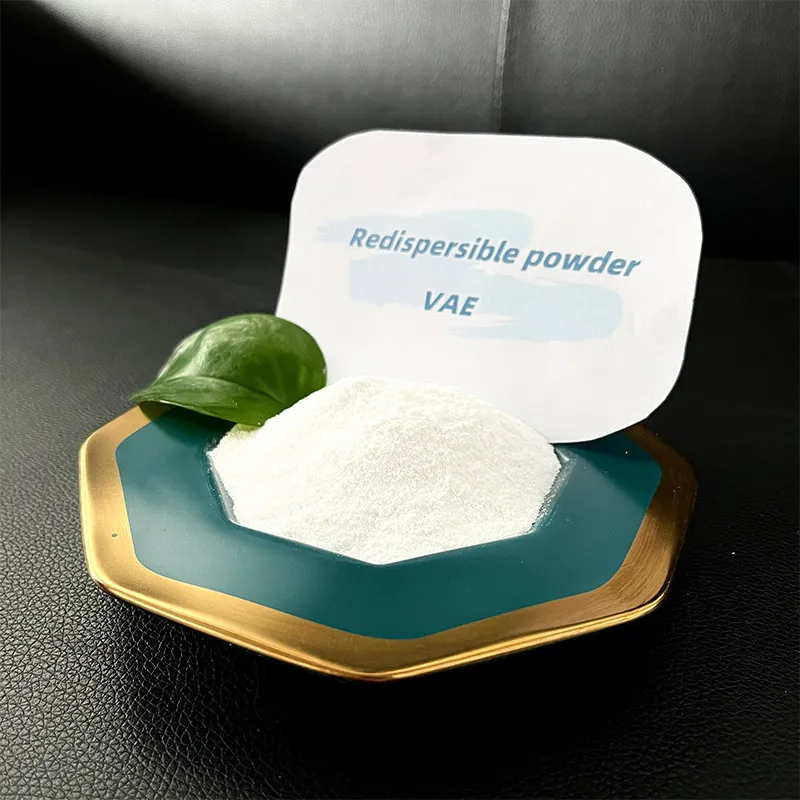
- Method: Emulsion polymerization → blending → spray drying → sieving → packaging (25 kg bags).
- QC and testing: Redispersibility (visual), sieve residue, bulk density, adhesion by EN 1348, pull-off ASTM C1583, compressive by ASTM C109/GB/T 17671.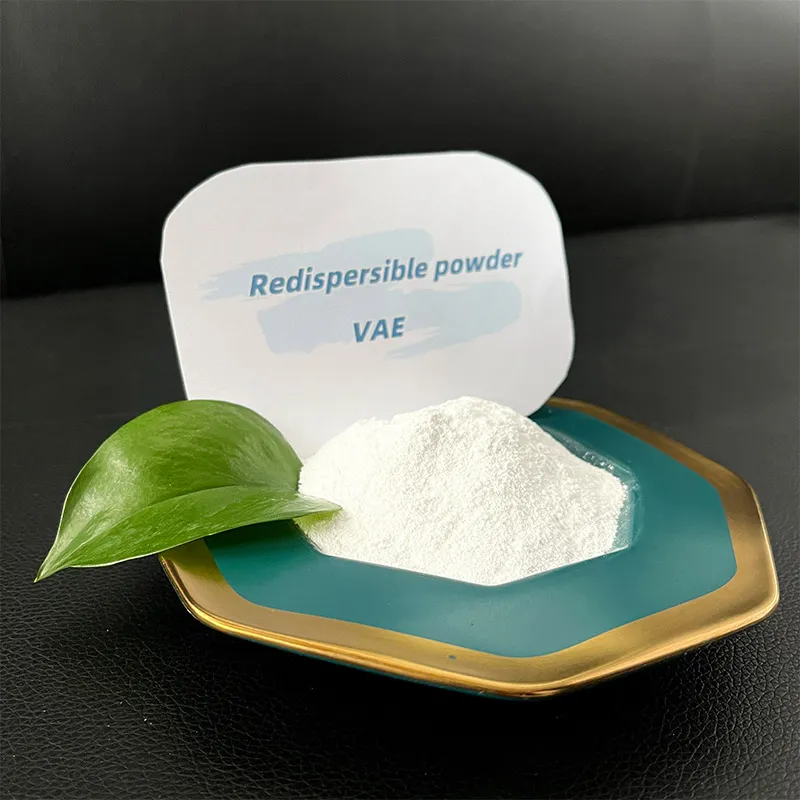
- EIFS/ETICS basecoats: crack-bridging, impact resistance; better cohesion under thermal cycles.
- Skim coats/levelers: smooth trowel feel—many customers say “less chatter.”
- Waterproof mortars/grouts: improved flexibility and water resistance. Service life: designed for 20–30 years in compliant systems, assuming proper detailing and maintenance.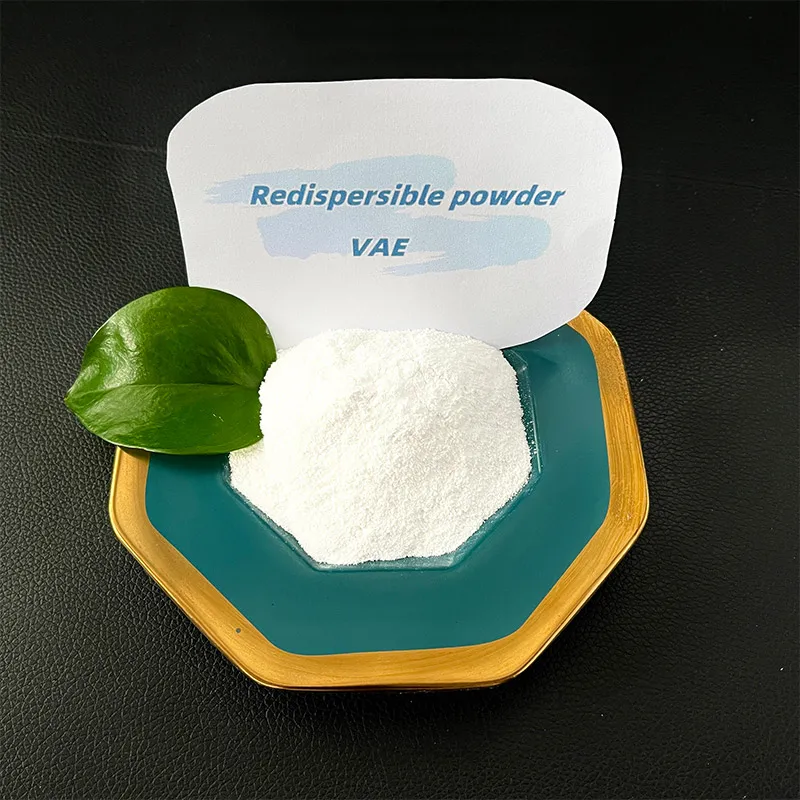
- Conforms to project specs referencing EN 12004-2 (tile adhesives) and EN 1348. Factory QA under ISO 9001; material safety aligns with common REACH expectations. Always verify your local code, obviously.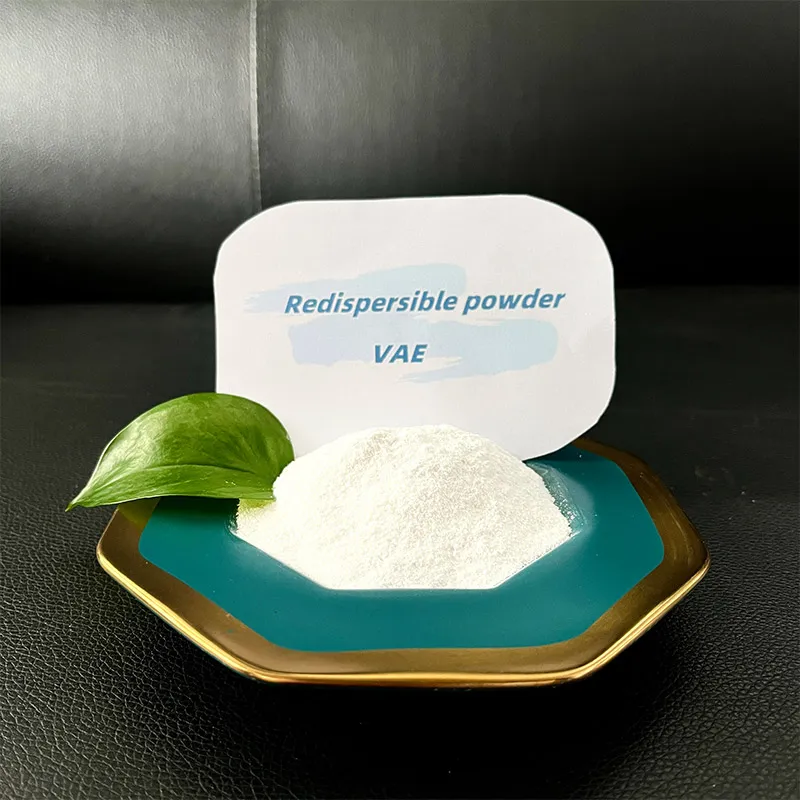
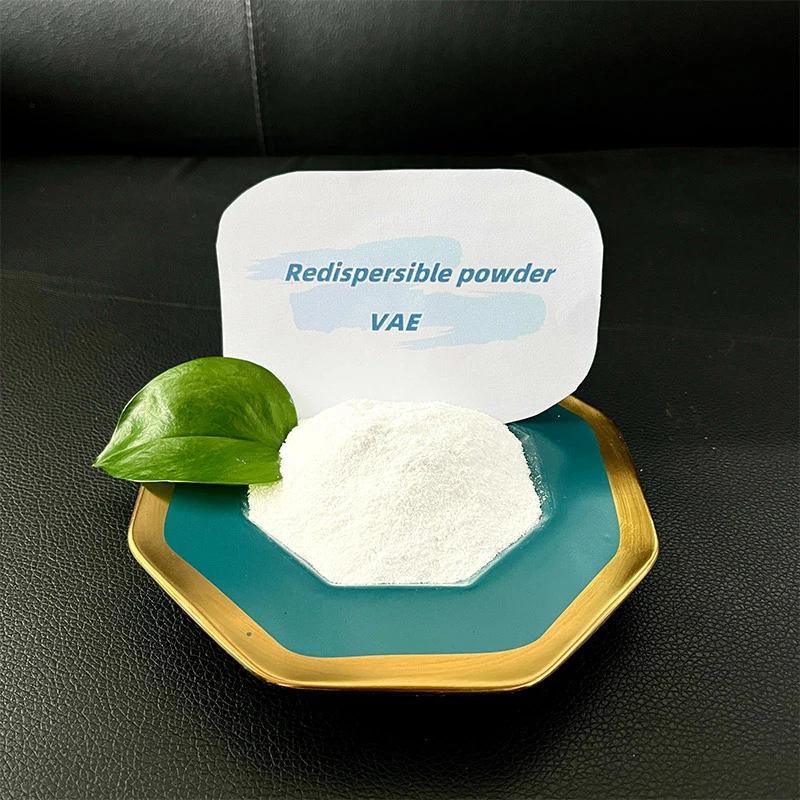
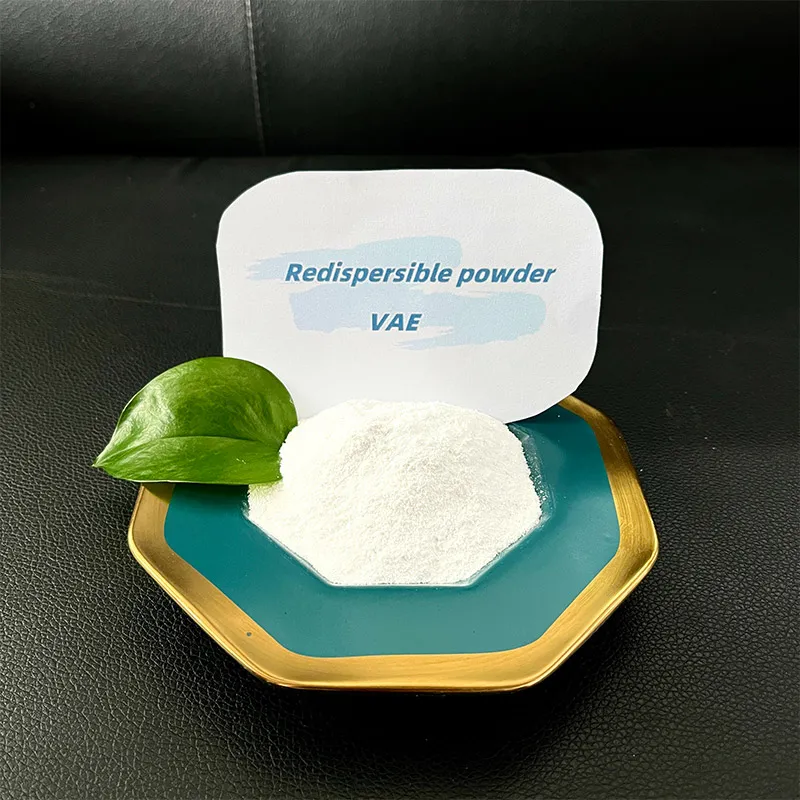
The product in focus here is Redispersible powder VAE from HeBei ShengShi HongBang Cellulose Technology CO., LTD (Room 1904, Building B, Wanda Office Building, JiaoYu Road, Xinji City, Hebei Province). The company plays in that sweet spot of reliable baseline specs with room for customization—useful when you’re juggling different regional standards and substrates.
Industry trend check
- Demand shifting to low-VOC, low-odor systems (post-pandemic indoor air quality push).- More EIFS/ETICS growth across hot climates; hydrophobic grades are having a moment.
- Contractors asking for easier trowelability and extended open time—less rework, fewer callbacks.
What the redispersible emulsion powder actually does
In cementitious and gypsum systems, VAE RDP improves adhesion, flexibility, water retention, and crack resistance. In fact, a tiny 2–5% dosage can flip an adhesive from “passes the lab” to “survives a monsoon.”
Typical specifications (Redispersible powder VAE)
| Polymer base | VAE (vinyl acetate–ethylene) |
| Glass transition Tg | ≈ +5 to +15°C (grade dependent) |
| MFFT | ≈ 0–5°C |
| Ash content | ≈ 10–14% |
| Bulk density | 0.45–0.55 g/cm³ |
| D50 particle size | ≈ 80–120 μm |
| pH (in dispersion) | 5–8 |
| Residue on 300 μm | ≤ 0.5% |
| Recommended dosage | 2–5% tile adhesive; 3–7% EIFS basecoat (real-world use may vary) |
Process flow (how it’s made)
- Materials: VAE latex, protective colloid (PVOH), anti-caking agent, processing aids.- Method: Emulsion polymerization → blending → spray drying → sieving → packaging (25 kg bags).
- QC and testing: Redispersibility (visual), sieve residue, bulk density, adhesion by EN 1348, pull-off ASTM C1583, compressive by ASTM C109/GB/T 17671.
Applications and advantages
- Tile adhesives (C1/C2, S1 targeting): stronger wet/dry adhesion, longer open time, nicer slip control.- EIFS/ETICS basecoats: crack-bridging, impact resistance; better cohesion under thermal cycles.
- Skim coats/levelers: smooth trowel feel—many customers say “less chatter.”
- Waterproof mortars/grouts: improved flexibility and water resistance. Service life: designed for 20–30 years in compliant systems, assuming proper detailing and maintenance.
Field data (quick case)
Coastal tile adhesive, 4% redispersible emulsion powder plus cellulose ether, CEM I 42.5R, CEN sand. EN 1348 tensile adhesion: 1.2 MPa dry; 1.0 MPa after water immersion; 0.8 MPa after heat aging—roughly double the baseline 0.4–0.6 MPa we saw without RDP. Not glamorous, but installers noticed fewer pop-offs after storms.
Vendor comparison (indicative)
| Vendor | Tg (°C) | Ash % | Customization | Lead time | Certs | Notes |
| HeBei ShengShi HongBang | ≈ +5 to +15 | 10–14 | Tg, anti-caking, packaging | ≈ 10–15 days | ISO 9001, REACH-like | Balanced specs; sharp pricing |
| EU Brand A | 0 to +10 | 12–16 | Wide grade library | ≈ 3–5 weeks | ISO 9001/14001 | Premium pricing, strong tech docs |
| Local Vendor B | +10 to +20 | 15–20 | Limited | ≈ 7–12 days | Basic QC | Cost-first; check consistency |
Customization and compliance
- Tailored Tg for climate, hydrophobic modifiers, anti-caking level for humid storage.- Conforms to project specs referencing EN 12004-2 (tile adhesives) and EN 1348. Factory QA under ISO 9001; material safety aligns with common REACH expectations. Always verify your local code, obviously.
User notes
Many applicators say the mix “butters” better, with fewer dry pockets. I guess the only consistent complaint is that once they switch to a good redispersible emulsion powder, they won’t go back—budget be damned.Citations
- EN 12004-2: Adhesives for tiles—Requirements, evaluation of conformity, classification.
- EN 1348: Adhesives for tiles—Determination of tensile adhesion strength.
- ASTM C1583/C1583M: Tensile strength of concrete surfaces and bond strength by pull-off.
- ASTM C109/GB/T 17671: Compressive strength of hydraulic cement mortars.
- JC/T 2190-2013: Redispersible polymer powder for dry-mixed mortar (PRC industry standard).
Latest News
-
Industrial Guide to ГПМЦ целлюлоза High Performance CelluloseNewsApr.16,2026
-
Wood Cellulose Properties and Industrial Applications GuideNewsApr.09,2026
-
Does Wood Contain Cellulose A Detailed Exploration of its Composition and UsesNewsApr.07,2026
-
Understanding Wood Cellulose Meaning Applications and Future TrendsNewsApr.04,2026
-
Exploring the Potential of Wood Cellulose is wood cellulose a Sustainable MaterialNewsMar.31,2026
-
Exploring the Sustainability and Versatility of Cellulose Wood ChipsNewsMar.28,2026
-
Understanding Wood Pulp Cellulose A Comprehensive Guide to Properties and ApplicationsNewsMar.26,2026