-

Add: HeBei ShengShi HongBang Cellulose Technology CO.,LTD.
-

Email
13180486930@163.com -

CONTACT US
+86 13180486930
Polypropylene Fiber: Stronger, Crack-Free Concrete?
polypropylene fiber,pp fiber,pp fiber concrete,microfiber synthetic,polypropylene fibre is a key solution in the manufacturing industry, specifically within Manufacturing of building materials and Concrete admixture. This article explores how HeBei ShengShi HongBang Cellulose Technology CO.,LTD. supports professionals with durable, high-performance products, and explains why this product is an ideal choice for businesses in these sectors.
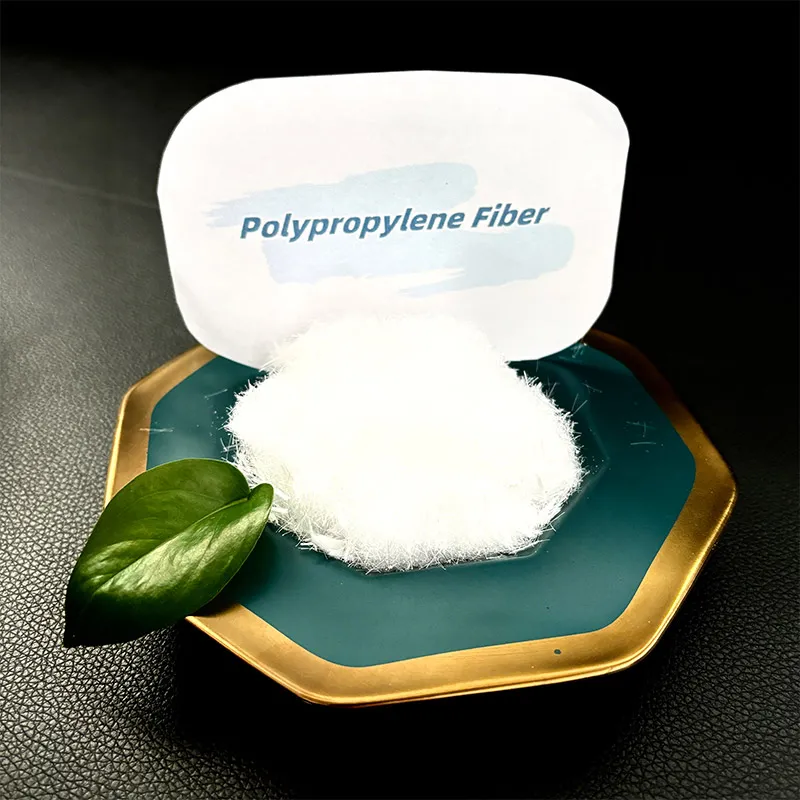
Table of Contents
- polypropylene fiber,pp fiber,pp fiber concrete,microfiber synthetic,polypropylene fibre Overview
- Benefits & Use Cases of polypropylene fiber,pp fiber,pp fiber concrete,microfiber synthetic,polypropylene fibre in Concrete admixture
- Cost, Maintenance & User Experience
- Sustainability & Market Trends in manufacturing
- Conclusion on polypropylene fiber,pp fiber,pp fiber concrete,microfiber synthetic,polypropylene fibre from HeBei ShengShi HongBang Cellulose Technology CO.,LTD.
polypropylene fiber,pp fiber,pp fiber concrete,microfiber synthetic,polypropylene fibre Overview
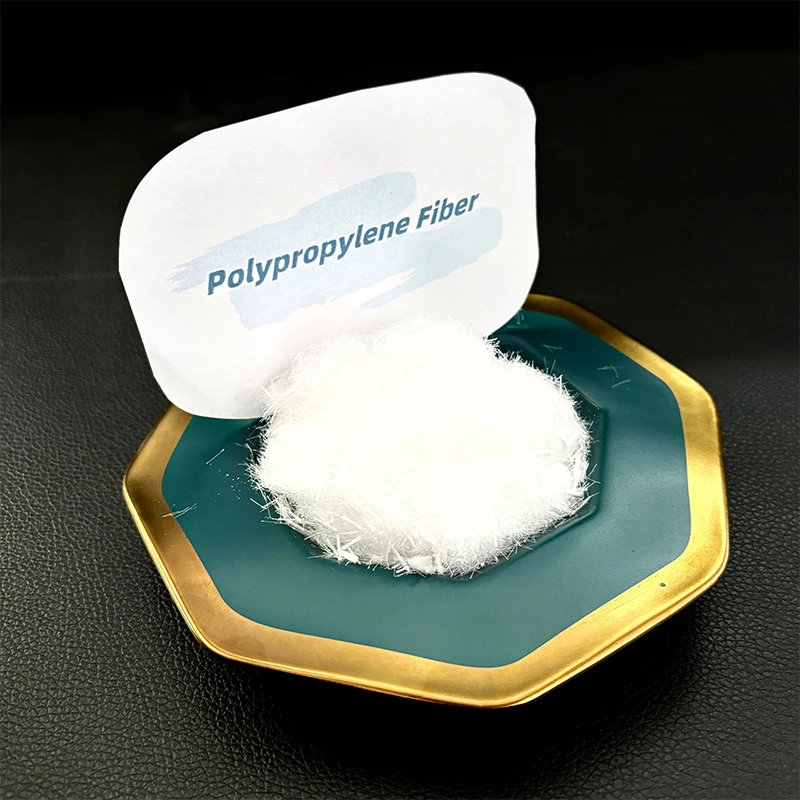
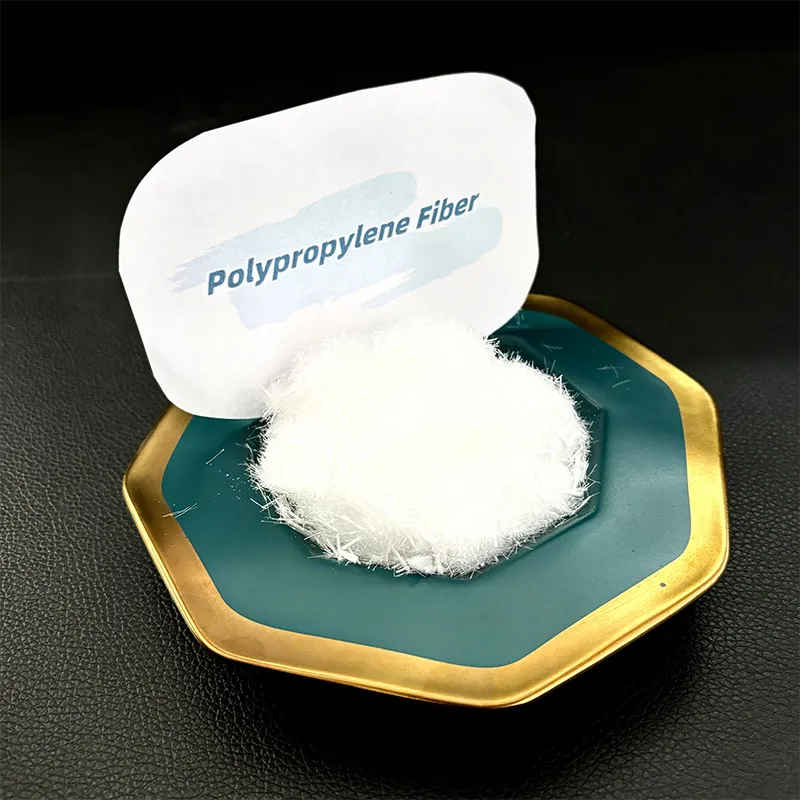
Polypropylene fiber (often called pp fiber or polypropylene fibre) is a high-performance microfiber synthetic reinforcement used in cementitious systems to control plastic shrinkage, reduce early-age cracking, and enhance impact and abrasion resistance. In pp fiber concrete, millions of uniformly distributed monofilaments or fibrillated strands form a three-dimensional network that bridges micro-cracks before they propagate, improving durability and surface integrity in demanding building materials applications.
Typical technical characteristics include a density of ~0.91 g/cm³, melting point of 160–170°C, tensile strength in the range of 300–700 MPa, excellent alkali and chemical resistance, and negligible water absorption. Common cut lengths are 6–19 mm for concrete and 3–6 mm for mortars and renders, with recommended dosages from 0.6 to 1.5 kg/m³ depending on performance targets. Industry data and field results indicate pp fiber concrete can reduce plastic shrinkage cracking by up to 80–90% while improving toughness and impact resistance.
HeBei ShengShi HongBang Cellulose Technology CO.,LTD., a trusted manufacturer serving the Manufacturing of building materials sector, supplies consistently cut and well-dispersing polypropylene fiber engineered for reliable batching and uniform distribution. Their controlled production and technical support help B2B decision makers standardize performance across ready-mix, precast, shotcrete, and dry-mix operations.
Benefits & Use Cases of polypropylene fiber,pp fiber,pp fiber concrete,microfiber synthetic,polypropylene fibre in Concrete admixture
In Concrete admixture formulations, polypropylene fiber elevates early-age and long-term performance. Key applications include industrial floors and slabs-on-ground (crack control and abrasion resistance), precast elements (edge durability and handling robustness), shotcrete for tunnels and slope stabilization (rebound reduction and improved cohesion), screeds and renders (reduced plastic shrinkage and better surface quality), and overlays/repair mortars (crack mitigation and durability). In fire-exposed members, the melting of microfiber synthetic at around 160°C can help relieve pore pressure and mitigate explosive spalling risk.
Competitive advantages of pp fiber concrete include crack-width control at the micro-scale, lower bleeding and segregation, improved pumpability and finish, and compatibility with other reinforcements (mesh, rebar, or macro fibers). Polypropylene fibre is non-corrosive, alkali-resistant, and easy to dose, making it an attractive insurance policy for durability without complicating mix designs.
HeBei ShengShi HongBang Cellulose Technology CO.,LTD. supports customers with application-driven guidance on fiber type (monofilament vs. fibrillated), cut length selection, and dosage optimization. Their production quality and logistics reliability help ready-mix producers, precasters, and contractors achieve repeatable pp fiber concrete performance across diverse environmental and project conditions.
Cost, Maintenance & User Experience
The total cost of ownership for polypropylene fiber is favorable when viewed against lifecycle performance. At modest dosages, pp fiber can decrease early-age crack repair, reduce curling-related remediation, and minimize callbacks—lowering maintenance budgets over the life of the asset. For some slab applications, pp fiber may reduce or replace certain temperature-shrinkage mesh needs, streamlining installation and reducing labor risk, while keeping structural reinforcement unchanged where required.
B2B customers in the Manufacturing of building materials sector report smoother finishing, consistent dispersion, and minimal impact on set time when proper mixing procedures are followed. Ready-mix producers appreciate simplified batching and fewer jobsite variables compared to wire mesh handling. Precasters value improved edge durability during stripping and transport, translating to fewer rejects and higher throughput. The ROI comes from durability gains, quality consistency, and schedule efficiency—benefits that accumulate across portfolios of projects.
HeBei ShengShi HongBang Cellulose Technology CO.,LTD. provides technical support for mix optimization, dosage calibration, and field best practices to ensure pp fiber concrete delivers predictable performance and user-friendly finishing characteristics.
Sustainability & Market Trends in manufacturing
Sustainability priorities are reshaping concrete technology. By reducing plastic shrinkage cracking and enhancing durability, polypropylene fibre contributes to longer service life, fewer repairs, and less material waste over time. This durability-first approach aligns with owner demands for resilient infrastructure and with evolving procurement criteria that value lifecycle outcomes in addition to initial cost.
Market trends show growing adoption of microfiber synthetic reinforcement in combination with supplementary cementitious materials, performance-based specifications, and digital quality control. Standards such as ASTM C1116 for fiber-reinforced concrete and EN 14889-2 for polymer fibers guide responsible selection and performance verification. As environmental reporting gains prominence, the low dosage rates of pp fiber and the durability benefits can support sustainability narratives focused on extending asset lifespan.
HeBei ShengShi HongBang Cellulose Technology CO.,LTD. takes a forward-looking approach—prioritizing consistent quality, application support, and efficient packaging and logistics to minimize waste and variability. Their commitment helps partners meet regulatory expectations, deliver greener outcomes, and respond to market demand for reliable, high-performance pp fiber concrete solutions.
Conclusion on polypropylene fiber,pp fiber,pp fiber concrete,microfiber synthetic,polypropylene fibre from HeBei ShengShi HongBang Cellulose Technology CO.,LTD.
For B2B decision makers seeking dependable performance in Manufacturing of building materials and Concrete admixture, polypropylene fiber (pp fiber) offers a practical, proven path to stronger, more resilient, and more economical concrete. From early-age crack control to improved durability and fire performance, pp fiber concrete delivers measurable value across projects and portfolios.
HeBei ShengShi HongBang Cellulose Technology CO.,LTD. stands out for product consistency, technical know-how, and responsive service—helping you realize the full potential of microfiber synthetic reinforcement. Contact us: email: 13180486930@163.com. Visit our website: https://www.sshbhpmc.com
-
Industrial Guide to ГПМЦ целлюлоза High Performance CelluloseNewsApr.16,2026
-
Wood Cellulose Properties and Industrial Applications GuideNewsApr.09,2026
-
Does Wood Contain Cellulose A Detailed Exploration of its Composition and UsesNewsApr.07,2026
-
Understanding Wood Cellulose Meaning Applications and Future TrendsNewsApr.04,2026
-
Exploring the Potential of Wood Cellulose is wood cellulose a Sustainable MaterialNewsMar.31,2026
-
Exploring the Sustainability and Versatility of Cellulose Wood ChipsNewsMar.28,2026
-
Understanding Wood Pulp Cellulose A Comprehensive Guide to Properties and ApplicationsNewsMar.26,2026