-

Add: HeBei ShengShi HongBang Cellulose Technology CO.,LTD.
-

Email
13180486930@163.com -

CONTACT US
+86 13180486930

Redispersible Emulsion Powder | High Adhesion & Flexibility
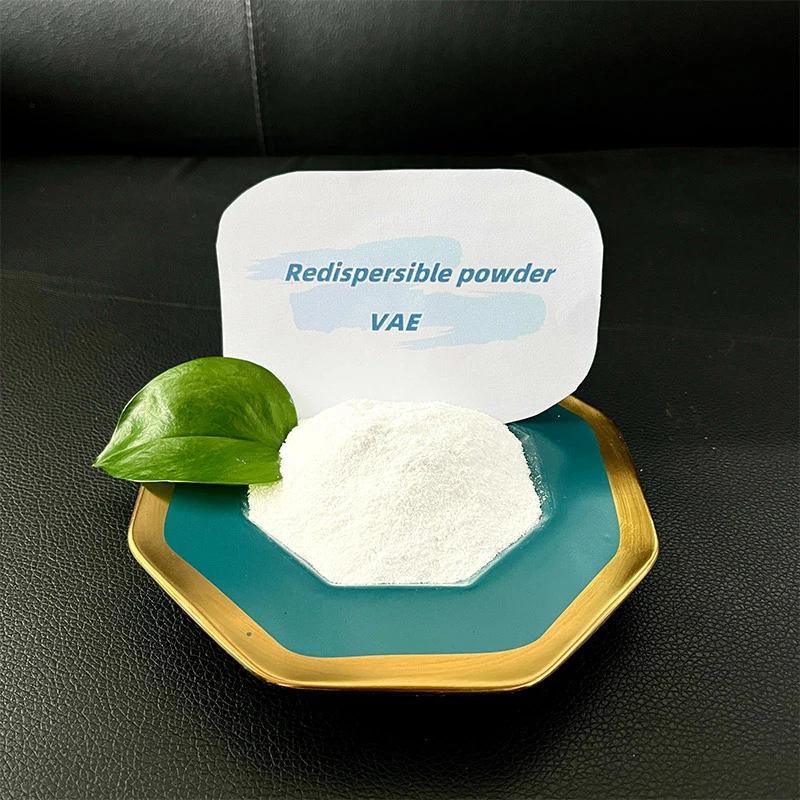
Redispersible powder VAE: What’s Really Driving Performance on Site
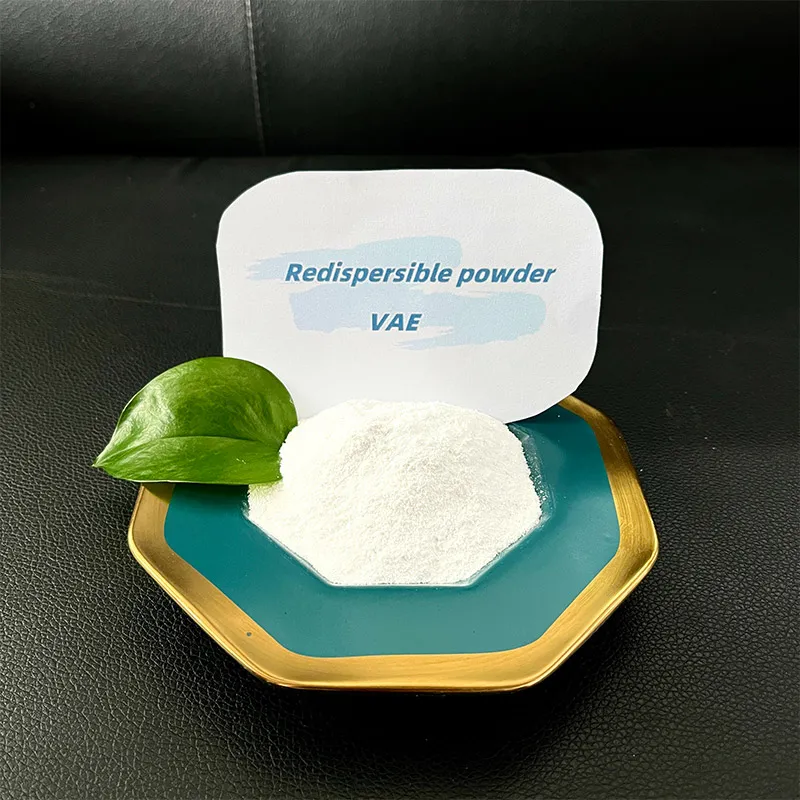
If you’ve been watching the dry-mix space, you know the quiet hero is Redispersible Emulsion Powder. In fact, the right VAE grade can make an average tile adhesive feel “premium” overnight. I’ve seen crews swear by specific batches because the open time and wet tack just clicked. The product I’m looking at today comes from HeBei ShengShi HongBang Cellulose Technology CO., LTD (Room 1904, Building B, Wanda Office Building, JiaoYu Road, Xinji City, Hebei Province) — a mouthful, yes, but they’ve been turning heads with consistent lot-to-lot behavior.
Industry Trends (and what pros really care about)
Market-wise, we’re seeing two macro trends: low-VOC formulations and performance under climate stress (hot/dry curing and freeze–thaw). Honestly, moisture management is still the biggest pain point. Many customers say they’ll trade a touch of workability for better early strength—especially on fast-track jobs. That’s where Redispersible Emulsion Powder grades tuned for higher early cohesion, controlled MFFT, and balanced Tg keep showing up in specs from adhesives to ETICS base coats.
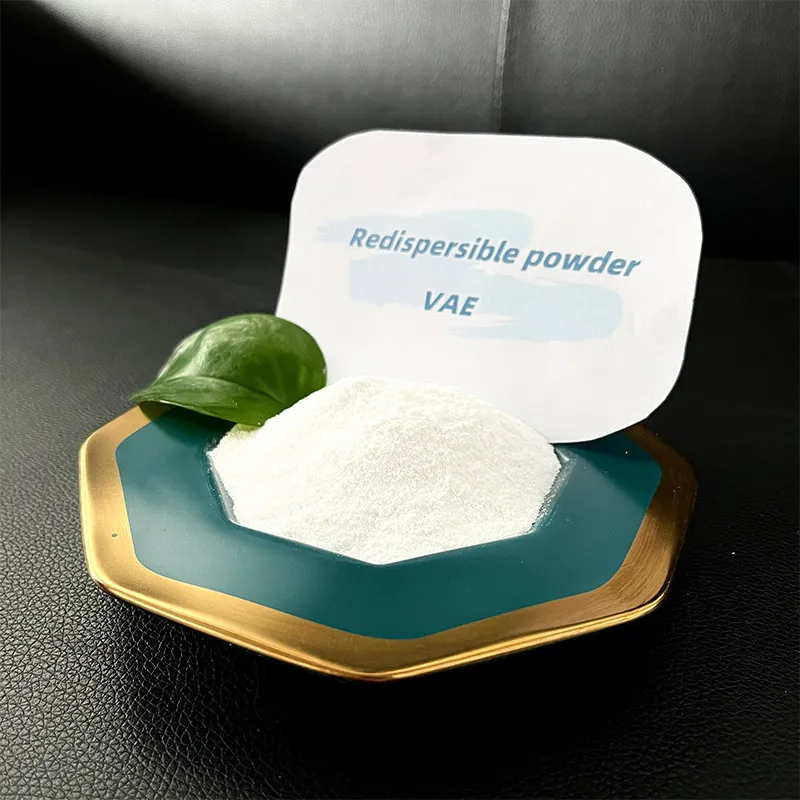
Technical Snapshot (Product Name: Redispersible powder VAE)
| Parameter | Typical Value (≈ / real-world use may vary) |
|---|---|
| Base polymer | VAE (vinyl acetate–ethylene) |
| Protective colloid | PVA |
| Glass transition Tg | ≈ −5 to +15 °C (grade-dependent) |
| MFFT | ≈ 0–10 °C |
| Bulk density | ≈ 0.45–0.60 g/cm³ |
| Ash content (1000 °C) | ≈ 10–14% |
| Particle size (D50) | ≈ 80–120 μm |
| pH (redispersion) | ≈ 6–8 |
| Shelf life | 12 months dry, sealed |
How it’s made (short version)
Materials: VAE latex + PVA stabilizer, then spray-drying to a free-flowing powder. Method: controlled atomization, inlet/outlet temps to protect polymer integrity, anti-caking treatment. Testing standards I’d expect to see: EN 12004/1348 (tile adhesives tensile adhesion), ASTM C109/C348 (compressive/flexural), ETAG 004/EAD 040083 (ETICS), ISO 15148 (water absorption). Service life? Depends on system—ETICS base coats often target 20–25 years; interior skim coats 10–15, assuming proper formulation and exposure class.
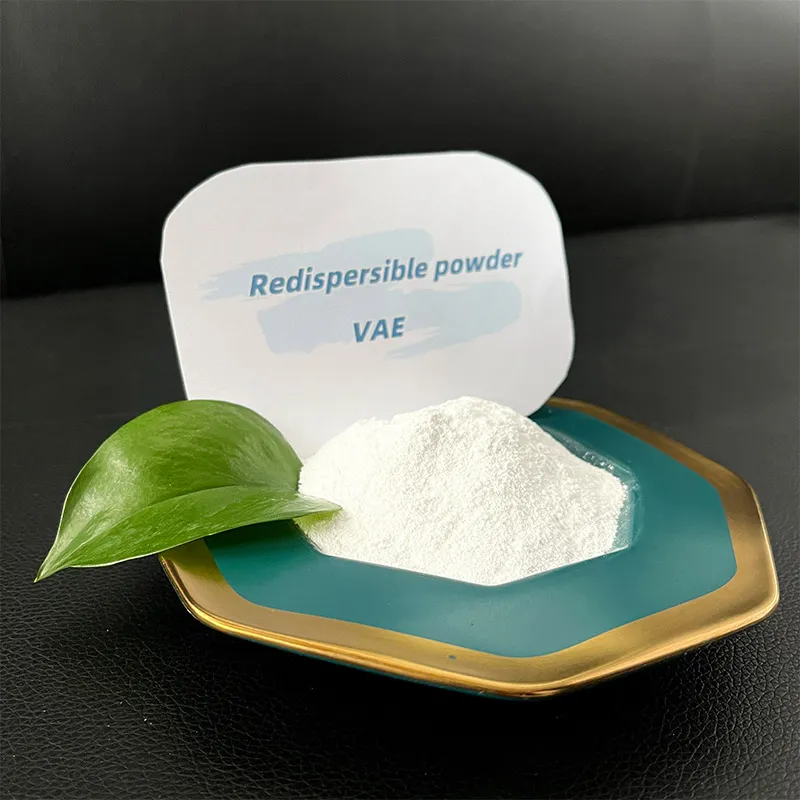
Where it’s used (and what changes on site)
- Tile adhesives (C1/C2): higher tensile adhesion after heat/water/aging; better slip resistance.
- Skim coats & repair mortars: improved flexibility and crack resistance; nicer trowel feel.
- Self-leveling underlayments: cohesive flow, reduced segregation; early walk-on strength.
- ETICS base coats: impact resistance and bond to EPS/XPS/mineral wool.
- Waterproofing slurries: enhanced adhesion to mineral substrates.
Case notes: a coastal ETICS project reported ≈+35% impact resistance vs. control; a hot-climate warehouse SLC mix saw walk-on times trimmed by ~1 hour. Feedback is candid: “workability is forgiving, but don’t skimp on curing when it’s windy,” one applicator told me. Fair point.
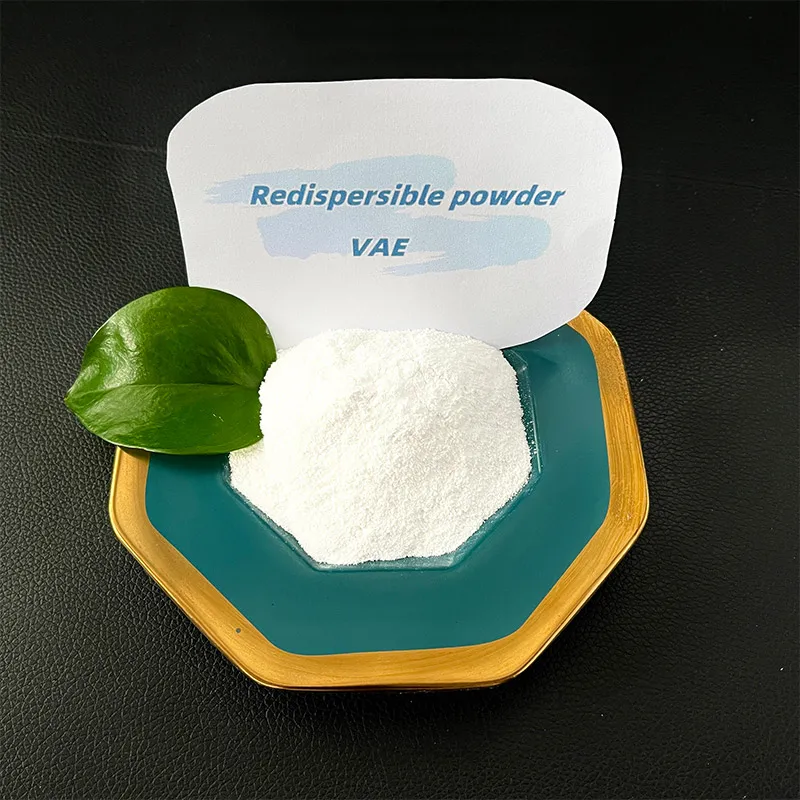
Customization and Compliance
You can request hydrophobic grades, low-foam variants, or tailored Tg/MFFT for cold-start jobs. Packaging often 25 kg valve bags with liners; SDS available. Certifications typically include ISO 9001 and sometimes ISO 14001/45001; low-VOC and REACH compliance are increasingly standard. For sensitive specs, ask for EN 12004 system data and freeze–thaw cycling results—don’t just trust a glossy TDS.
Vendor comparison (quick, honest take)
| Vendor | Customization | Lead time | Certs | Tech support |
|---|---|---|---|---|
| HeBei ShengShi HongBang | Tg/MFFT tuning; hydrophobic; defoamed | ≈ 2–4 weeks | ISO 9001/14001 (ask for copies) | Formulation guidance; on-site trials (by request) |
| Vendor A (global) | Broad portfolio; premium pricing | ≈ 3–6 weeks | ISO; VOC labels | Extensive lab network |
| Vendor B (regional) | Limited grades; sharp pricing | ≈ 1–3 weeks | ISO 9001 | Basic TDS/SDS only |
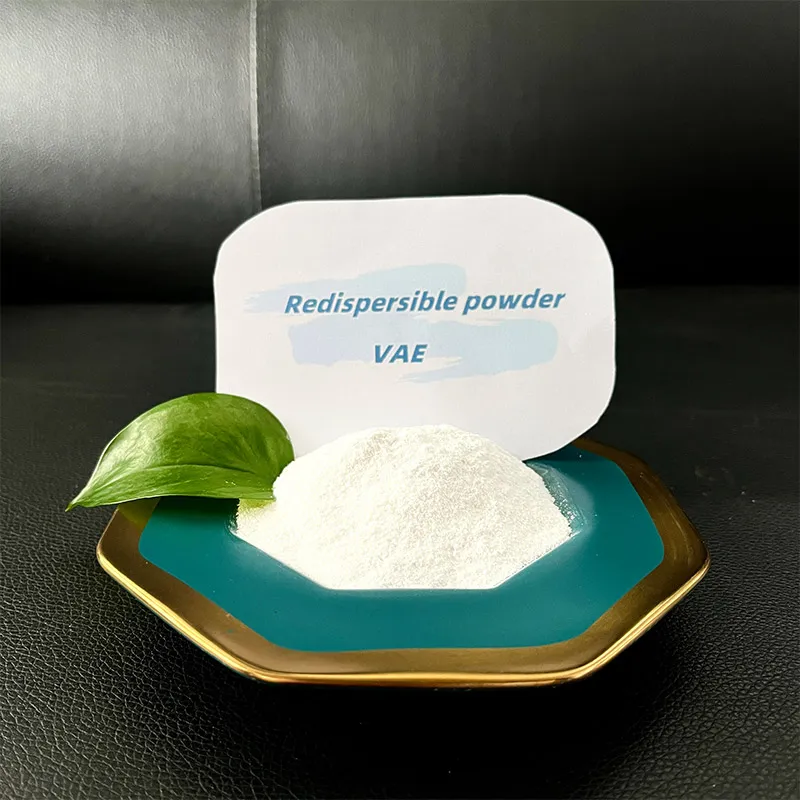
Practical tips
- Pre-mix RDP with fines before water to avoid fisheyes; watch local humidity.
- Verify adhesion after water immersion (EN 1348) and heat aging—don’t skip it.
- Aim for stable polymer/cement ratio; small overdoses can alter open time.
Bottom line: Redispersible Emulsion Powder is not a commodity in practice. Formulation fit beats spec-sheet promises, every time. And yes, decent field trials beat lab hero numbers.
References
- EN 12004-2: Adhesives for tiles—Requirements, evaluation of conformity, classification.
- EN 1348: Adhesives for tiles—Determination of tensile adhesion strength.
- ETAG 004 / EAD 040083-00-0404: ETICS with rendering—Assessment and verification of constancy of performance.
- ASTM C109/C109M: Compressive strength of hydraulic cement mortars.
- ISO 15148: Hygrothermal performance of building materials—Moisture transfer properties.
-
Industrial Guide to ГПМЦ целлюлоза High Performance CelluloseNewsApr.16,2026
-
Wood Cellulose Properties and Industrial Applications GuideNewsApr.09,2026
-
Does Wood Contain Cellulose A Detailed Exploration of its Composition and UsesNewsApr.07,2026
-
Understanding Wood Cellulose Meaning Applications and Future TrendsNewsApr.04,2026
-
Exploring the Potential of Wood Cellulose is wood cellulose a Sustainable MaterialNewsMar.31,2026
-
Exploring the Sustainability and Versatility of Cellulose Wood ChipsNewsMar.28,2026
-
Understanding Wood Pulp Cellulose A Comprehensive Guide to Properties and ApplicationsNewsMar.26,2026