-

Add: HeBei ShengShi HongBang Cellulose Technology CO.,LTD.
-

Email
13180486930@163.com -

CONTACT US
+86 13180486930
Polypropylene Fiber: Anti-Crack, Alkali-Resistant Concrete
Polypropylene Fiber is a key solution in the manufacturing industry, specifically within Manufacturing of building materials and Concrete admixture. This article explores how HeBei ShengShi HongBang Cellulose Technology CO.,LTD. supports professionals with durable, high-performance products, and explains why this product is an ideal choice for businesses in these sectors.
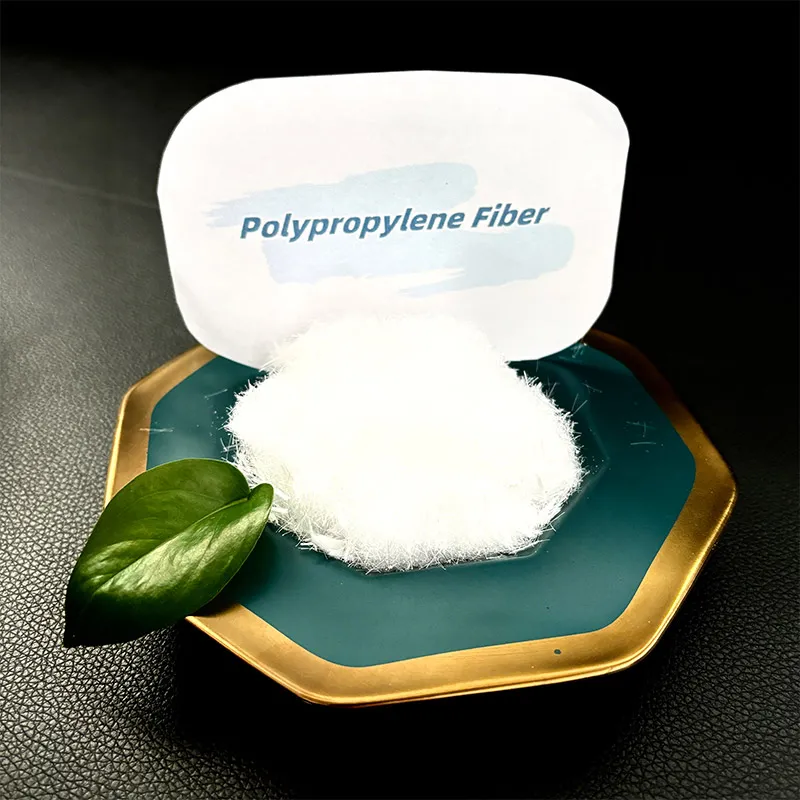
Table of Contents
- Polypropylene Fiber Overview
- Benefits & Use Cases of Polypropylene Fiber in Concrete admixture
- Cost, Maintenance & User Experience
- Sustainability & Market Trends in manufacturing
- Conclusion on Polypropylene Fiber from HeBei ShengShi HongBang Cellulose Technology CO.,LTD.
Polypropylene Fiber Overview
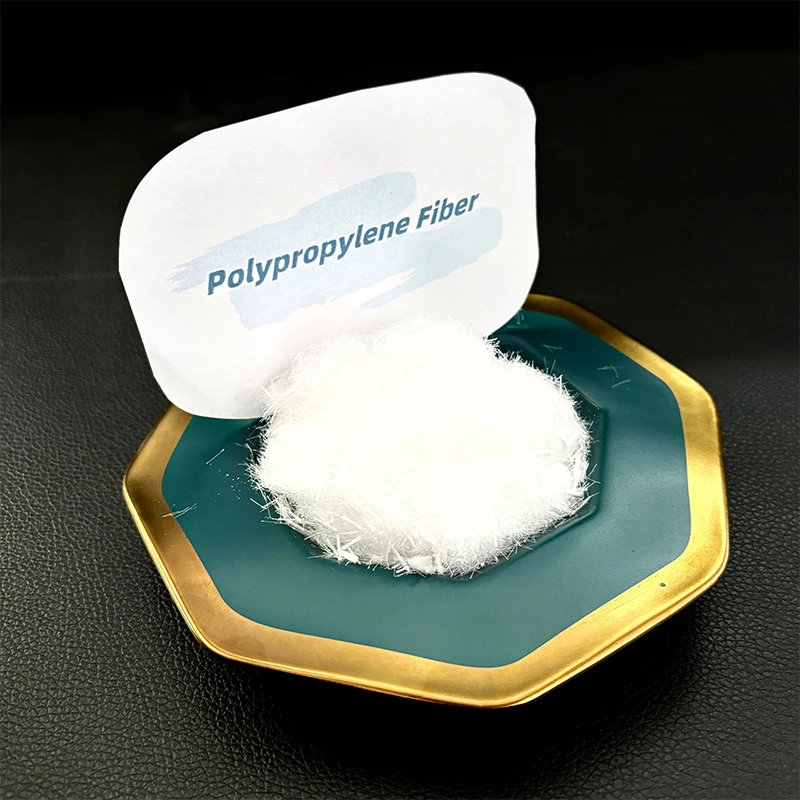
Polypropylene fiber—also known as PP fiber, polypropylene fibre, or microfiber synthetic—is a high-performance additive used to control cracking, enhance toughness, and improve durability in cementitious materials. In the Manufacturing of building materials, especially Concrete admixture, these fibers disperse uniformly to bridge micro-cracks formed during plastic shrinkage and early drying. Typical PP fibers feature a specific gravity around 0.91, excellent chemical and alkali resistance, and a melting point in the 160–170°C range. They are non-corrosive, hydrophobic, and compatible with common admixtures, making them a versatile choice for ready-mix, precast, and shotcrete operations.
HeBei ShengShi HongBang Cellulose Technology CO.,LTD. manufactures consistent, easy-dosing pp fiber products engineered for high dispersion and reliable performance in pp fiber concrete. Standard microfibers are commonly dosed between 0.6–1.0 kg/m³ for shrinkage crack control, while higher dosages can be tailored for impact resistance and spalling mitigation. The company’s rigorous quality management and application know-how help B2B decision makers standardize performance across projects, reduce variability at the batch plant, and streamline specification to meet ASTM C1116-type requirements for fiber-reinforced concrete.
Benefits & Use Cases of Polypropylene Fiber in Concrete admixture
In concrete and mortar, Polypropylene Fiber delivers measurable performance gains where early-age cracking, abrasion, and impact are concerns. Typical applications include industrial floors and slabs-on-grade, screeds and toppings, precast elements, pavements, overlays, repair mortars, tunnel shotcrete, and façade renders. As a microfiber synthetic, PP fiber forms a three-dimensional reinforcement network that reduces plastic shrinkage cracks, enhances surface integrity, and mitigates explosive spalling risk under fire exposure in certain mixes. For shotcrete and high-rebound environments, optimized fiber geometry improves pumpability and finish, while maintaining cohesion.
- Crack control: Limits plastic shrinkage cracking and early-age micro-cracks, improving durability and aesthetics.
- Non-corrosive: Unlike steel, PP fibers do not rust, ideal for de-icing salt or marine-exposed structures.
- Ease of dosing: Uniform dispersion, low risk of balling, and compatibility with superplasticizers.
- Finish-friendly: Fine monofilament fibers maintain trowelability and surface finish quality.
HeBei ShengShi HongBang Cellulose Technology CO.,LTD. supports concrete producers and contractors with technical guidance on mix design, fiber length selection (e.g., 3–19 mm), and target dosages to meet project-specific requirements. Their portfolio helps specifiers replace or reduce secondary steel mesh in selected applications, simplifying logistics while maintaining performance in pp fiber concrete.
Cost, Maintenance & User Experience
Total cost of ownership with Polypropylene Fiber is driven by lower crack-related callbacks, reduced reliance on secondary reinforcement in certain use cases, and minimized labor for placement and fixing of mesh. While unit cost per kilogram can appear higher than traditional reinforcement on a weight basis, PP fiber delivers value by reducing material handling, speeding placement, and improving as-cast durability. Owners benefit from fewer repairs due to plastic shrinkage cracks and better long-term surface performance under abrasion and thermal cycling.
Customers in the Manufacturing of building materials sector report consistent dispersion, predictable set behavior, and stable slump retention when fibers are properly integrated with admixture packages. Precasters appreciate cycle-time reliability and surface finish quality, while ready-mix producers highlight reduced variability at the plant when using standardized dosing protocols. With no corrosion risk and minimal maintenance implications, the ROI for PP fiber often appears within the first maintenance cycle by lowering remedial work, especially on slabs, pavements, and high-traffic industrial floors.
Sustainability & Market Trends in manufacturing
Sustainability priorities are reshaping concrete specifications worldwide. Fibers that extend service life and reduce repair frequency help lower embodied carbon over a structure’s lifecycle. By enabling the reduction or substitution of certain secondary steel reinforcement in appropriate applications, Polypropylene Fiber can also cut transport emissions and jobsite waste. As regulatory frameworks evolve and green rating systems emphasize durability, crack control, and resilience, fiber-reinforced mixes are increasingly favored in infrastructure, industrial, and precast segments.
HeBei ShengShi HongBang Cellulose Technology CO.,LTD. invests in quality control and product consistency to support lower material waste, while offering guidance to optimize dosage and mix designs that balance performance with environmental goals. Forward-looking trends include integration of fibers in low-clinker binders, synergy with shrinkage-reducing admixtures, and broader adoption of microfiber synthetic solutions in 3D printed concrete and advanced overlays. The company’s commitment to reliable supply and technical support helps B2B teams standardize greener, longer-lasting solutions across their portfolios.
Conclusion on Polypropylene Fiber from HeBei ShengShi HongBang Cellulose Technology CO.,LTD.
Polypropylene Fiber empowers manufacturers and contractors to deliver tougher, more reliable concrete and mortar by controlling early-age cracking, improving durability, and simplifying placement. For B2B decision makers in Manufacturing of building materials and Concrete admixture, HeBei ShengShi HongBang Cellulose Technology CO.,LTD. provides consistent, easy-to-spec products backed by technical expertise and dependable supply. Elevate quality and reduce lifecycle costs with proven PP fiber solutions.
- Contact us: email: 13180486930@163.com
- Visit our website: https://www.sshbhpmc.com
-
Industrial Guide to ГПМЦ целлюлоза High Performance CelluloseNewsApr.16,2026
-
Wood Cellulose Properties and Industrial Applications GuideNewsApr.09,2026
-
Does Wood Contain Cellulose A Detailed Exploration of its Composition and UsesNewsApr.07,2026
-
Understanding Wood Cellulose Meaning Applications and Future TrendsNewsApr.04,2026
-
Exploring the Potential of Wood Cellulose is wood cellulose a Sustainable MaterialNewsMar.31,2026
-
Exploring the Sustainability and Versatility of Cellulose Wood ChipsNewsMar.28,2026
-
Understanding Wood Pulp Cellulose A Comprehensive Guide to Properties and ApplicationsNewsMar.26,2026