-

Add: HeBei ShengShi HongBang Cellulose Technology CO.,LTD.
-

Email
13180486930@163.com -

CONTACT US
+86 13180486930
Polypropylene Fiber: Enhance Concrete Strength & Durability
The Strategic Role of polypropylene fiber in Modern Industrial Applications
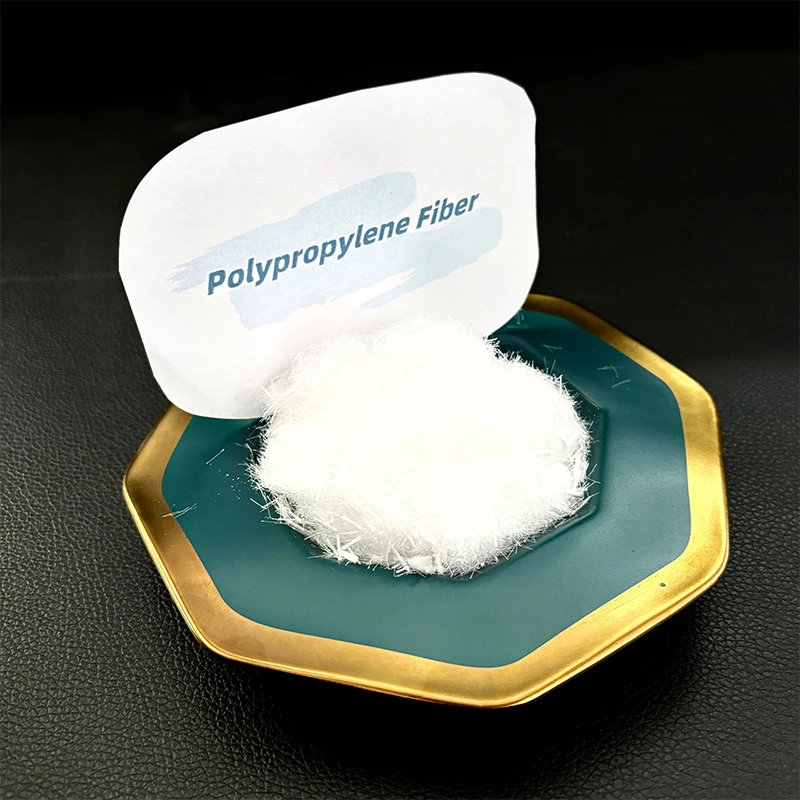
In the dynamic landscape of industrial materials, the demand for high-performance, cost-effective, and sustainable solutions continues to drive innovation. Among these, polypropylene fiber has emerged as a critical component, revolutionizing various sectors from construction to filtration and textiles. Its unique blend of chemical inertness, high tensile strength, and excellent resistance to acids and alkalis makes it an indispensable material for engineers and project managers seeking long-term durability and enhanced material properties. This article delves into the technical intricacies, vast application scenarios, and strategic advantages of polypropylene fiber, providing insights crucial for B2B decision-makers.
The increasing adoption of pp fiber, particularly in concrete reinforcement and non-woven fabric production, is testament to its versatility. Global market reports project a steady growth trajectory for polypropylene-based materials, driven by infrastructure development and the need for advanced composite solutions. As industries push the boundaries of material science, understanding the nuances of polypropylene fiber becomes paramount for optimizing performance and achieving competitive advantages.
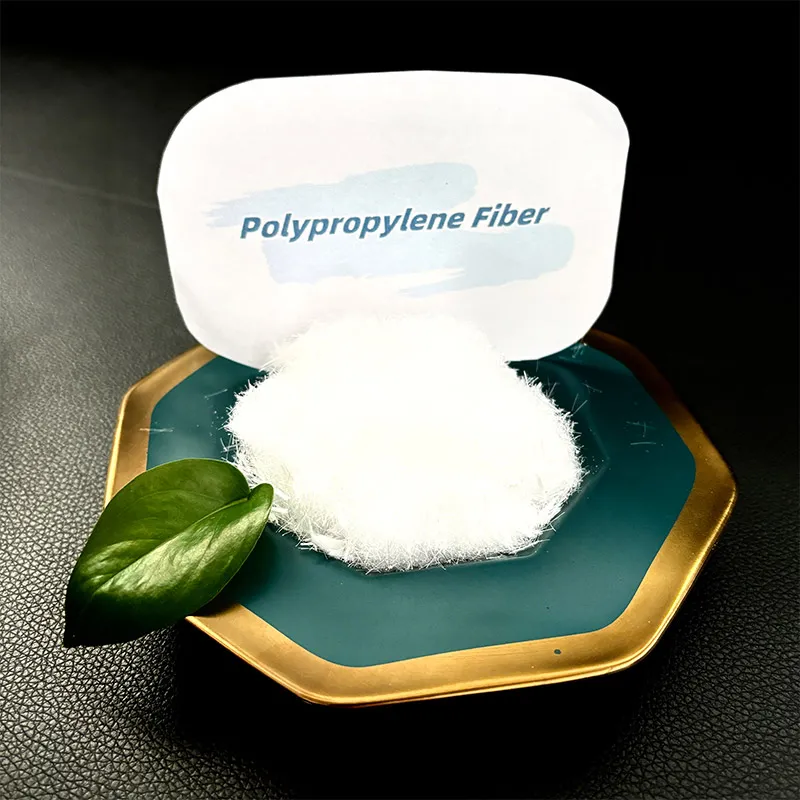
Manufacturing Process: From Polymer to High-Performance Fiber
The production of polypropylene fiber is a sophisticated multi-stage process, meticulously controlled to achieve desired mechanical and physical properties. It begins with high-purity polypropylene resin, a thermoplastic polymer derived from propylene monomer. The core manufacturing stages involve melting, extrusion, drawing, and finishing, each critical for the fiber's ultimate performance.
1. Raw Material Preparation
High-grade polypropylene pellets are meticulously selected, often incorporating UV stabilizers, colorants, and other additives to meet specific application requirements. Material quality adheres to ISO 1873-1 standards.
2. Extrusion (Melting & Spinning)
Pellets are melted in an extruder, then forced through a spinneret – a die with multiple fine holes – to form continuous filaments. This casting process is carefully controlled for temperature and pressure to ensure uniform fiber diameter.
3. Drawing/Stretching
The extruded filaments are drawn or stretched at elevated temperatures. This forging-like process aligns the polymer molecules, significantly increasing the fiber's tensile strength and reducing its diameter. This is a critical step for mechanical integrity.
4. Crimping & Cutting
Fibers may be crimped to enhance bulk and texture, particularly for textile applications, or precisely cut to specific lengths for use as staple fibers in concrete or non-wovens, often employing precision CNC machining for consistent length control.
5. Finishing & Testing
Fibers undergo rigorous testing based on ISO 2062 (tensile strength), ASTM D3822 (modulus), and ANSI standards to ensure compliance with performance specifications before packaging. Quality control is paramount to guarantee service life.
Target industries for these fibers include petrochemical for geotextiles, metallurgy for filter media, and water supply & drainage for erosion control and pipe reinforcement. Advantages in typical application scenarios include significant energy saving due to lighter weight alternatives and superior corrosion resistance compared to traditional materials, reducing maintenance costs and extending infrastructure lifespan.
Technical Specifications and Parameters of Polypropylene Fiber
Understanding the precise technical specifications of polypropylene fibre is crucial for its effective integration into engineering projects. These parameters dictate performance, compatibility, and longevity in diverse applications. Below is a detailed table outlining typical specifications for construction-grade polypropylene fibers.
| Parameter | Unit | Typical Value Range | Relevant Standard |
|---|---|---|---|
| Material | - | 100% Virgin Polypropylene | ASTM D629, ISO 1873 |
| Fiber Type | - | Monofilament / Fibrillated (Mesh) | - |
| Diameter | µm | 20-50 (Monofilament), 100-300 (Fibrillated equivalent) | ASTM D2101 |
| Length | mm | 6, 12, 19, 25 (custom lengths available) | ASTM D3822 |
| Tensile Strength | MPa | 400-600 | ISO 2062 |
| Elongation at Break | % | 15-30 | ISO 2062 |
| Density | g/cm³ | 0.90-0.91 | ASTM D792 |
| Melting Point | °C | 160-170 | ISO 3146 |
| Acid & Alkali Resistance | - | Excellent | ASTM D638 |
These specifications are indicative of high-quality industrial-grade polypropylene fibers, designed for demanding environments. For instance, the low density (0.90-0.91 g/cm³) ensures that fibers are evenly distributed in matrices like concrete without settling, a common issue with heavier reinforcement materials. The excellent acid and alkali resistance guarantees long-term performance even in corrosive industrial settings, surpassing the limitations of steel reinforcement in certain chemical environments.
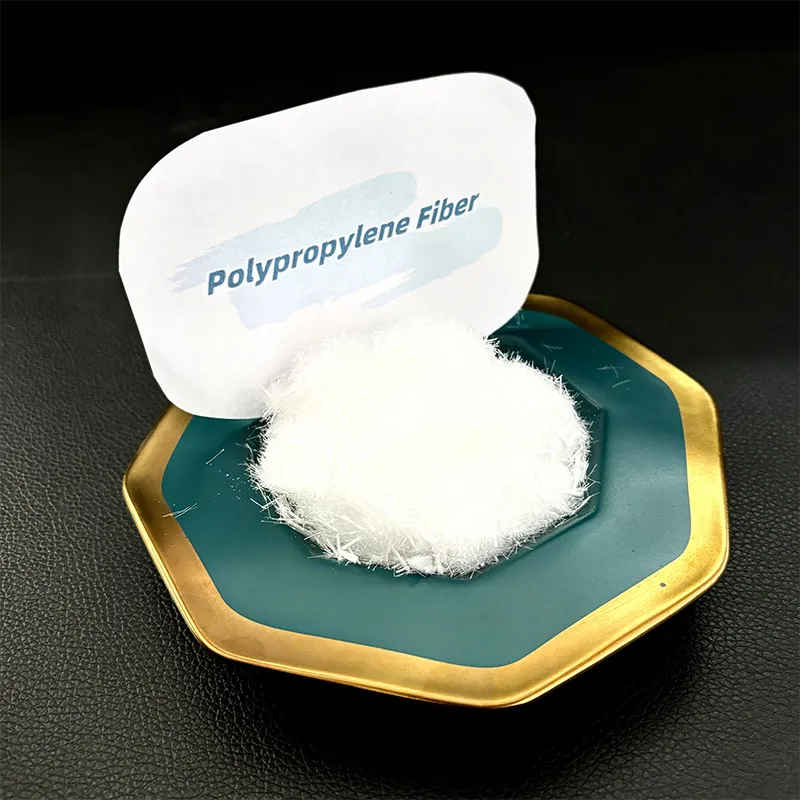
Application Scenarios and Technical Advantages
The versatility of pp fiber allows its deployment across a multitude of industries, where its inherent advantages deliver superior performance and cost efficiencies.
1. Construction and Infrastructure: Polypropylene Fiber Concrete Reinforcement
- Crack Control: Polypropylene fibre significantly reduces plastic shrinkage cracking in fresh concrete, leading to more durable surfaces. A typical dosage of 0.9 kg/m³ for pp fiber concrete has been shown to reduce crack area by up to 70% in comparative studies against unreinforced concrete (ACI 544.1R-96).
- Impact Resistance: Incorporating microfiber synthetic fibers enhances the impact and abrasion resistance of concrete slabs, crucial for industrial floors and pavements subjected to heavy loads.
- Freeze-Thaw Durability: Improves the concrete's resistance to freeze-thaw cycles by mitigating internal stress, extending the service life of structures in harsh climates.
- Target Industries: Roads, bridges, tunnels, precast concrete elements, industrial flooring, shotcrete, and marine structures.
2. Filtration Systems
- Chemical Resistance: Its excellent resistance to a wide range of chemicals makes pp fiber ideal for filter media in chemical processing, wastewater treatment, and pharmaceutical industries.
- High Efficiency: Non-woven polypropylene filters offer high filtration efficiency with low pressure drop, making them energy-efficient solutions for air and liquid filtration.
- Target Industries: Petrochemical, water treatment, HVAC, automotive.
3. Geotextiles and Erosion Control
- Soil Stabilization: Woven and non-woven polypropylene geotextiles are used for soil separation, reinforcement, and drainage in civil engineering projects. Their high tensile strength prevents soil erosion and stabilizes embankments.
- UV Resistance: Specialized UV-stabilized polypropylene fiber products ensure long-term performance in outdoor applications.
- Target Industries: Civil engineering, environmental protection, agriculture.
4. Advanced Composites and Specialty Applications
- Lightweight Reinforcement: Used in lightweight composite materials for automotive and aerospace components, contributing to fuel efficiency.
- Battery Separators: In specific battery technologies, its inertness and porous structure make it suitable for separators.
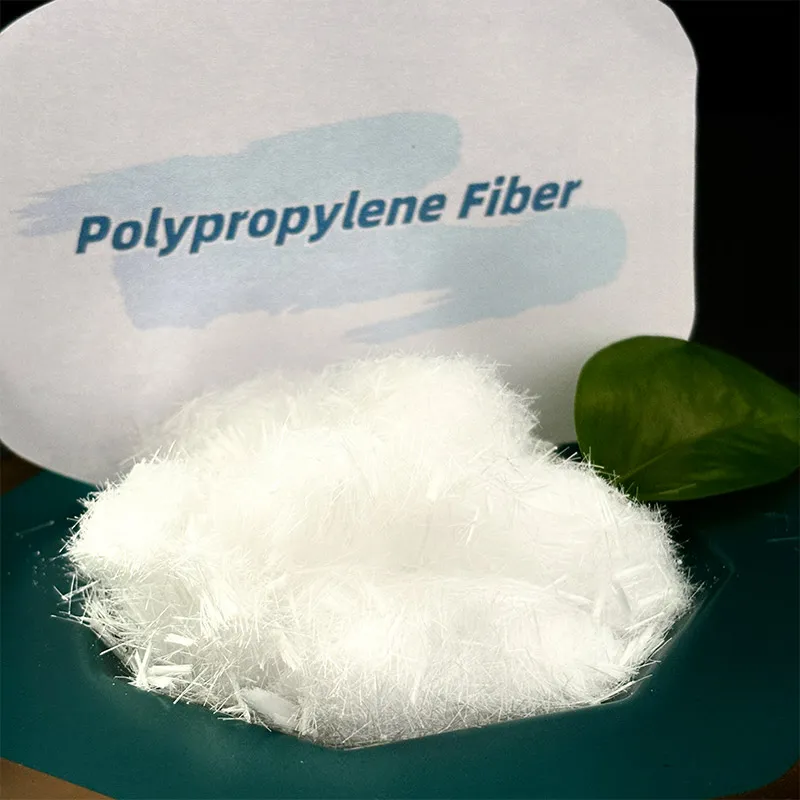
Vendor Comparison and Customized Solutions
The market for polypropylene fiber is competitive, with various vendors offering standard and specialized products. When selecting a supplier, B2B buyers must consider not only technical specifications but also consistency in quality, certification, and the ability to provide customized solutions.
| Feature/Vendor | Vendor A (Premium) | Vendor B (Standard) | Vendor C (Specialty) |
|---|---|---|---|
| Product Range | Monofilament, Fibrillated, Microfiber | Monofilament, Fibrillated | UV-resistant, Flame-retardant, Bi-component |
| Certifications | ISO 9001, CE, ASTM, ACI compliant | ISO 9001 | ISO 9001, specific industry certifications (e.g., DIN 1045) |
| Customization Options | Extensive (length, diameter, surface treatment, additives) | Limited (standard lengths/diameters) | High (tailored for specific performance, e.g., high-temperature resistance) |
| Technical Support | Full engineering consultation, lab testing | Basic product data sheets | Specialized application support |
| Pricing Model | Premium pricing, value-added services | Competitive, volume-based | Project-based, higher unit cost |
Our company specializes in delivering highly customized polypropylene fiber solutions, aligning precisely with specific project demands. With over 15 years of experience in polymer engineering, we offer expert consultation to tailor fiber length, diameter, surface treatment, and additive packages (e.g., antistatic, antibacterial, UV inhibitors) to optimize performance for unique applications, ensuring compliance with relevant international standards like ISO and ASTM. Our commitment to client partnerships ensures that even the most niche requirements are met with precision and technical excellence.
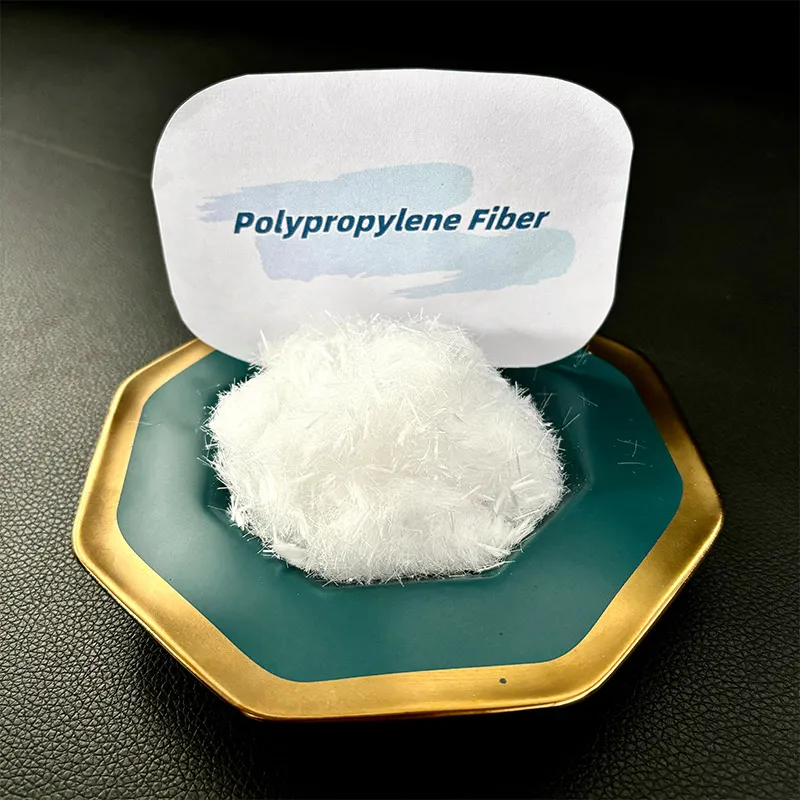
Application Case Studies & Customer Experience
Real-world applications underscore the transformative impact of polypropylene fiber in achieving superior engineering outcomes. Our extensive portfolio includes numerous successful deployments, supported by robust test data and positive client feedback.
Case Study 1: Large-Scale Industrial Flooring Project
- Client: Major Logistics & Warehousing Corporation
- Challenge: Minimize shrinkage cracking and enhance the abrasion resistance of 50,000 m² of concrete flooring in a high-traffic warehouse, while also reducing installation time and costs associated with traditional steel mesh.
- Solution: Incorporated our 12mm monofilament pp fiber at a dosage of 0.9 kg/m³ directly into the concrete mix.
- Results: Post-construction surveys showed a 65% reduction in plastic shrinkage cracks compared to control sections. The client reported excellent long-term performance, with significantly reduced surface wear and tear after 3 years of heavy forklift traffic. The use of fiber eliminated the need for placing and tying steel mesh, saving approximately 15% in labor costs and accelerating project completion by 10 days.
- Customer Feedback: "The performance of the polypropylene fiber exceeded our expectations. Our floors are holding up exceptionally well, and the initial cost savings were a significant bonus. We've decided to integrate this solution into all future warehouse constructions." – Project Manager, Logistics Corp.
Case Study 2: Wastewater Treatment Plant Filter Media Upgrade
- Client: Municipal Water Authority
- Challenge: Replace existing filter media susceptible to chemical degradation and clogging, leading to frequent maintenance and reduced filtration efficiency.
- Solution: Developed custom non-woven filter pads using specially treated, hydrophobic polypropylene fiber with an optimized fiber diameter and surface charge to enhance particle capture and chemical resistance.
- Results: The new pp fiber filter media demonstrated a 25% increase in particulate removal efficiency and a 40% extension in service life between cleanings, attributed to its superior chemical inertness and resistance to biological fouling. The client observed a significant reduction in operational costs due to less frequent media replacement and reduced energy consumption for pumping.
Trustworthiness and Support: FAQ, Lead Time, Warranty
We are committed to building long-term partnerships based on transparency, reliability, and unparalleled customer support. Below are details on common queries, operational commitments, and our assurance of quality for polypropylene fiber products.
Frequently Asked Questions (FAQ)
Q1: What are the primary benefits of using polypropylene fiber in concrete?
A1: It primarily reduces plastic shrinkage and settlement cracking, improves impact and abrasion resistance, enhances freeze-thaw durability, and provides overall matrix toughening, leading to increased service life and reduced maintenance.
Q2: Is polypropylene fiber compatible with all types of cement and additives?
A2: Yes, our pp fiber is chemically inert and compatible with all standard cement types and concrete admixtures. We recommend conducting small-scale trials for highly specialized mixes to ensure optimal performance.
Q3: How does your company ensure product quality and consistency?
A3: We adhere strictly to ISO 9001 quality management systems. Every batch of polypropylene fiber undergoes rigorous testing for length, diameter, tensile strength, and material composition according to ASTM and ISO standards, ensuring consistent quality and performance.
Lead Time & Fulfillment
Standard orders for common polypropylene fiber types (e.g., 6mm, 12mm monofilament) typically have a lead time of 7-14 business days, depending on order volume and current production schedules. For customized solutions, lead times may vary from 3-6 weeks, depending on the complexity of specifications and raw material sourcing. We maintain strategic stock levels to facilitate prompt delivery for urgent requirements. Our logistics team works diligently to ensure timely and efficient delivery worldwide.
Warranty Commitments
All our polypropylene fiber products are backed by a comprehensive product warranty covering manufacturing defects and material integrity for a period of 12 months from the date of purchase. Our warranty ensures that products meet the specified technical parameters and performance criteria as outlined in our product data sheets and agreed-upon specifications. We are committed to addressing any quality concerns promptly and professionally.
Customer Support & Technical Assistance
Our dedicated team of polymer engineers and technical specialists is available to provide unparalleled pre-sales consultation and post-sales support. This includes assistance with product selection, application guidance, dosage recommendations, and troubleshooting. We offer comprehensive technical documentation, safety data sheets (SDS), and certification reports upon request. Our goal is to ensure optimal performance and complete customer satisfaction.
Conclusion
Polypropylene fiber stands as a testament to advanced material science, offering robust, versatile, and cost-effective solutions for a myriad of industrial challenges. Its proven performance in enhancing material properties, coupled with inherent advantages like chemical resistance and low density, positions it as a preferred choice for engineers and procurement specialists seeking long-term value and operational efficiency. By leveraging precise manufacturing processes, adhering to stringent quality standards, and offering comprehensive customization and support, our company remains at the forefront of delivering high-performance polypropylene fiber solutions that empower diverse industries to build stronger, safer, and more sustainable infrastructures.
References
- ACI 544.1R-96 (Reapproved 2002), "State-of-the-Art Report on Fiber Reinforced Concrete," American Concrete Institute.
- Standard Practice for Sampling and Testing Fibers for Reinforcing Concrete, ASTM C1609 / C1609M – 12, ASTM International.
- BS EN ISO 1873-1:2007, "Plastics — Polypropylene (PP) moulding and extrusion materials — Part 1: Designation system and basis for specification," International Organization for Standardization.
- Banthia, N., & Gupta, R. (2006). "Polypropylene Fiber Reinforced Concrete for Improved Flexural Toughness and Shrinkage Control." Cement & Concrete Composites, 28(6), 556-564.
- Ohama, Y. (1995). "Properties and applications of polymer-modified mortars and concretes." Polymers in Concrete, Taylor & Francis.
-
Industrial Guide to ГПМЦ целлюлоза High Performance CelluloseNewsApr.16,2026
-
Wood Cellulose Properties and Industrial Applications GuideNewsApr.09,2026
-
Does Wood Contain Cellulose A Detailed Exploration of its Composition and UsesNewsApr.07,2026
-
Understanding Wood Cellulose Meaning Applications and Future TrendsNewsApr.04,2026
-
Exploring the Potential of Wood Cellulose is wood cellulose a Sustainable MaterialNewsMar.31,2026
-
Exploring the Sustainability and Versatility of Cellulose Wood ChipsNewsMar.28,2026
-
Understanding Wood Pulp Cellulose A Comprehensive Guide to Properties and ApplicationsNewsMar.26,2026