-

Add: HeBei ShengShi HongBang Cellulose Technology CO.,LTD.
-

Email
13180486930@163.com -

CONTACT US
+86 13180486930
Xylem Fiber: Sustainable Wood Cellulose Solution | HeBei ShengShi HongBang
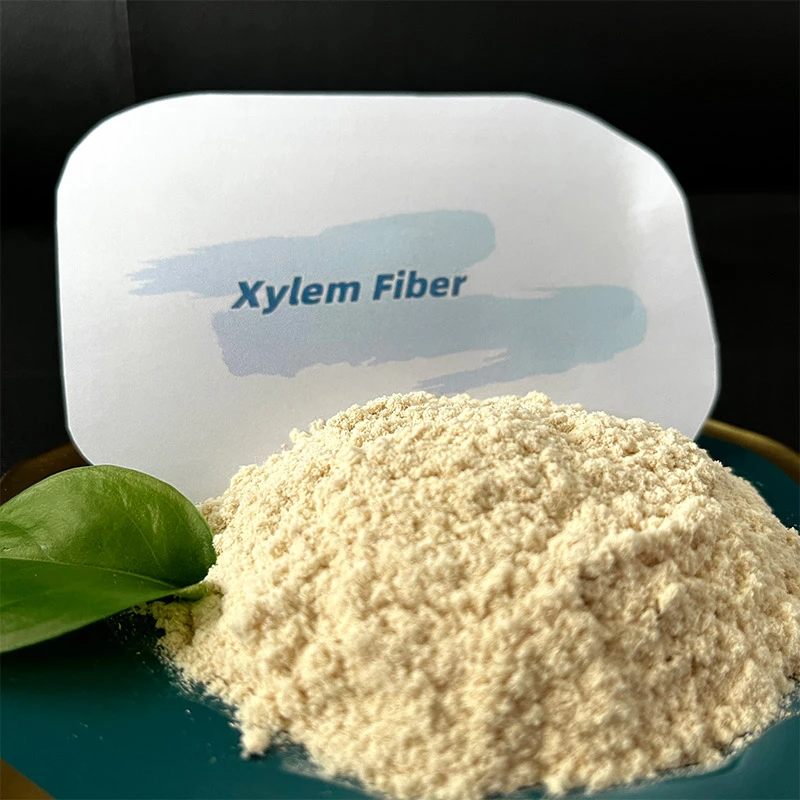
Xylem fiber, a natural and renewable resource derived from wood, has emerged as a transformative material in various industries. Its eco-friendly attributes, versatility, and ability to enhance product performance make it a cornerstone of sustainable manufacturing. This article explores the Xylem Fiber's technical specifications, applications, and the company behind its innovation, HeBei ShengShi HongBang Cellulose Technology CO.,LTD.. Through a detailed analysis, we uncover how this wood-derived fiber is reshaping sectors such as construction, asphalt, and medium density fiberboard (MDF), while aligning with global sustainability goals.
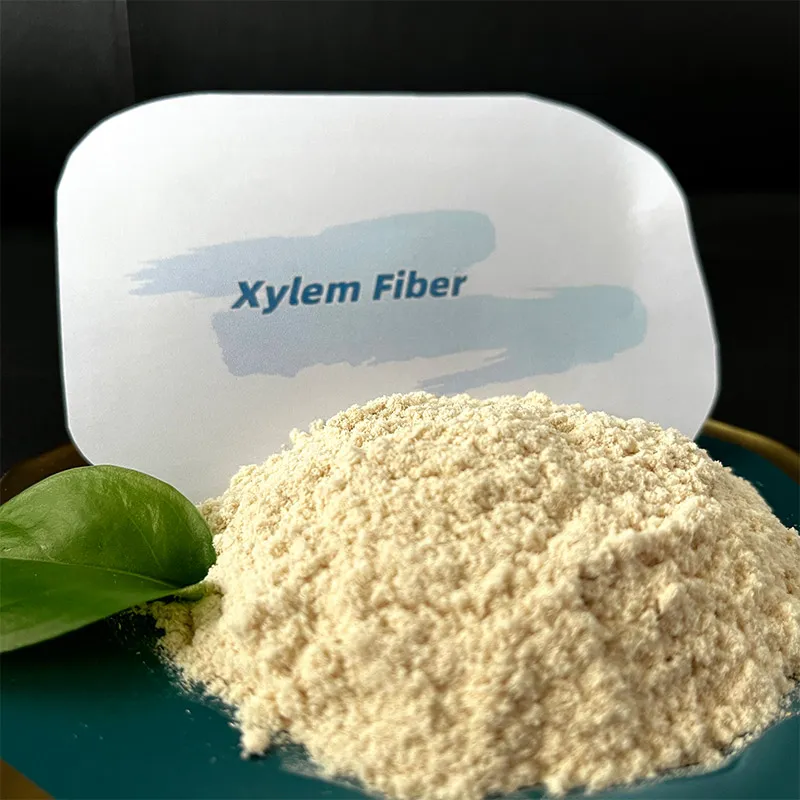
Understanding Xylem Fiber: A Natural and Renewable Resource
Xylem fiber is extracted from the vascular tissue of trees, specifically the xylem, which transports water and nutrients from the roots to the leaves. This organic material undergoes cellulose extraction from wood through chemical treatments and mechanical processing, transforming it into a high-quality, fibrous product. The result is a material that combines the inherent strength of wood with the adaptability required for modern industrial applications.
One of the most compelling aspects of cellulose wood fibers is their renewability. Unlike synthetic alternatives, which rely on finite resources, xylem fiber is sourced from sustainably managed forests, ensuring a continuous supply without depleting natural ecosystems. This aligns with the growing emphasis on environmental stewardship, as highlighted by the National Institute of Standards and Technology (NIST), which underscores the importance of integrating renewable resources into industrial processes.
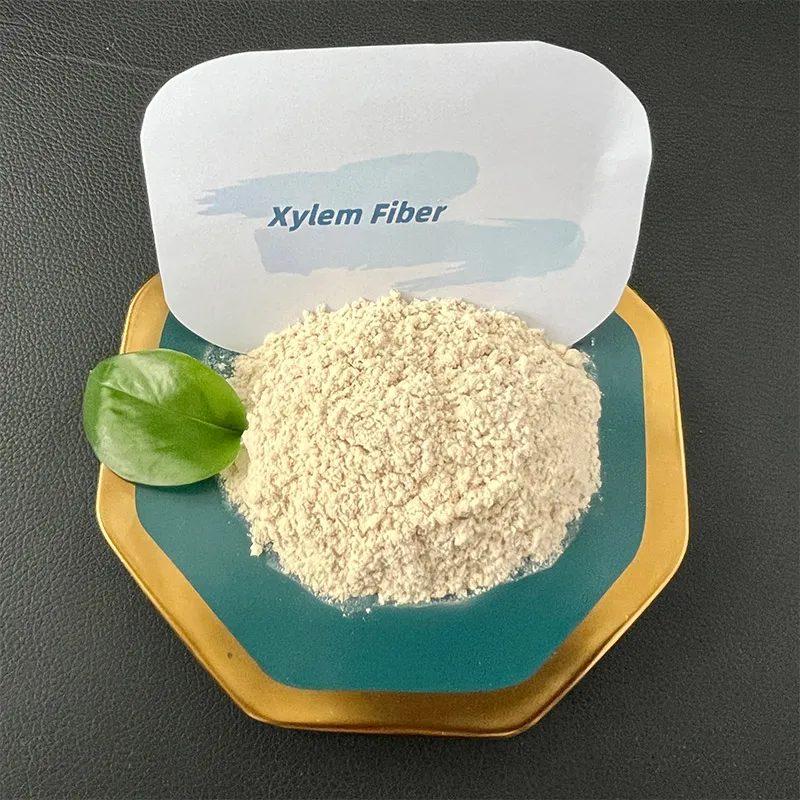
Technical Specifications: A Closer Look at Xylem Fiber
The unique properties of xylem fiber stem from its structural and chemical composition. Below is a detailed specification table outlining the key characteristics of this material:
| Parameter | Details |
|---|---|
| Material Source | Wood xylem tissue |
| Processing Method | Chemical treatments and mechanical refinement |
| Fiber Length | Varies based on application (typically 1–5 mm) |
| Tensile Strength | High resistance to mechanical stress |
| Moisture Content | Low, ensuring durability and stability |
| Biodegradability | Completely biodegradable under natural conditions |
| Environmental Impact | Low carbon footprint compared to synthetic alternatives |
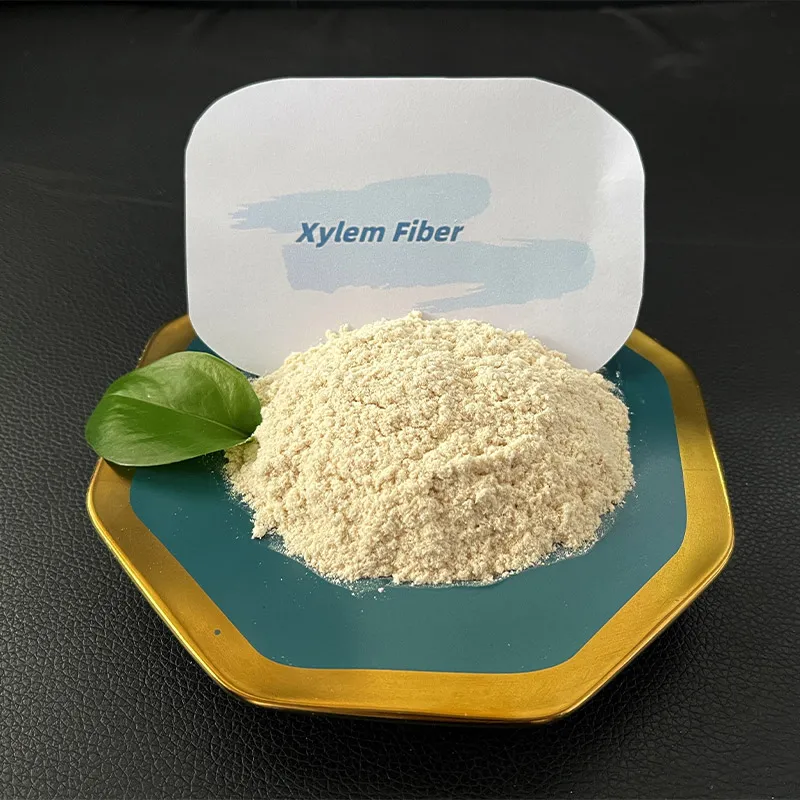
Applications Across Industries: Enhancing Performance and Sustainability
The versatility of Xylem Fiber is evident in its wide-ranging applications. Below are some key industries where it plays a pivotal role:
1. Construction Sector: Strengthening Concrete and Mortar
In the construction industry, xylem fiber is used to enhance the properties of concrete and mortar mixes. Its incorporation improves the material's strength, durability, and resistance to cracking. According to NIST, the integration of natural fibers like xylem into construction materials can reduce the reliance on traditional, resource-intensive components, such as cement, thereby lowering the environmental impact of construction projects.
2. Gypsum Products: Improving Structural Integrity
Xylem fiber is also a critical component in the production of gypsum products. By enhancing the structural integrity and workability of these materials, it enables the creation of lightweight, durable building solutions. This application is particularly relevant in the context of green building standards, which prioritize materials that minimize environmental harm while maximizing performance.
3. Asphalt Industry: Reinforcing Roadways
In the asphalt industry, xylem fiber acts as a reinforcing agent, improving the resilience and longevity of asphalt roads. This not only extends the lifespan of infrastructure but also reduces the frequency of maintenance, leading to cost savings and lower environmental disruption.
4. Medium Density Fiberboard (MDF): Sustainable Building Materials
The manufacturing of medium density fiberboard (MDF) benefits significantly from xylem fiber. As a key ingredient, it enables the production of sturdy, sustainable building materials that are increasingly favored in the home-building sector. This aligns with the global shift toward eco-friendly construction practices, as highlighted by NIST's research on sustainable technologies.
5. Wood Pulp Sponges: Biodegradable Alternatives
Xylem fiber's absorbent properties make it ideal for manufacturing wood pulp sponges, offering a biodegradable alternative to synthetic sponges. This application is particularly relevant in the household and cleaning industries, where reducing plastic waste is a growing priority.
Company Background: HeBei ShengShi HongBang Cellulose Technology CO.,LTD.
The innovation behind Xylem Fiber is driven by HeBei ShengShi HongBang Cellulose Technology CO.,LTD., a company committed to sustainable resource management and cutting-edge technology. Based in Hebei, China, the company specializes in the production of cellulose-based materials, including cellulose wood fibers and other wood-derived products.
HeBei ShengShi HongBang's expertise lies in the cellulose extraction from wood process, which ensures the highest quality and efficiency. The company's dedication to sustainability is reflected in its practices, which promote responsible forestry and reduce the carbon footprint of its operations. By leveraging natural resources like xylem fiber, HeBei ShengShi HongBang contributes to the global effort to combat climate change and support ecosystem balance.
Sustainability and the Future of Xylem Fiber
The widespread adoption of Xylem Fiber is a testament to its role in advancing sustainable development. As industries increasingly prioritize environmental responsibility, the demand for materials like xylem fiber is expected to grow. According to NIST, the integration of renewable resources into manufacturing processes is critical for achieving long-term sustainability goals. Xylem fiber exemplifies this principle, offering a viable alternative to traditional materials while maintaining high performance standards.
Moreover, the cultivation and processing of xylem fiber support responsible forestry practices, ensuring that forests are managed in a way that preserves biodiversity and mitigates climate change. This dual benefit—environmental preservation and industrial innovation—positions xylem fiber as a key player in the transition toward greener technologies.
Conclusion: A Commitment to Sustainable Innovation
Xylem fiber represents more than just a material choice; it is a commitment to sustainable development and the responsible stewardship of natural resources. Its multifunctional properties, combined with the expertise of companies like HeBei ShengShi HongBang Cellulose Technology CO.,LTD., make it a vital component in modern manufacturing. As industries continue to evolve, the continued exploration and utilization of xylem fiber will be essential in driving innovation and meeting the challenges of a resource-conscious world.
References
National Institute of Standards and Technology (NIST). (n.d.). Driving Innovation. Retrieved from https://www.nist.gov/
Xylem Fiber Product Page. (n.d.). HeBei ShengShi HongBang Cellulose Technology CO.,LTD.
-
Industrial Guide to ГПМЦ целлюлоза High Performance CelluloseNewsApr.16,2026
-
Wood Cellulose Properties and Industrial Applications GuideNewsApr.09,2026
-
Does Wood Contain Cellulose A Detailed Exploration of its Composition and UsesNewsApr.07,2026
-
Understanding Wood Cellulose Meaning Applications and Future TrendsNewsApr.04,2026
-
Exploring the Potential of Wood Cellulose is wood cellulose a Sustainable MaterialNewsMar.31,2026
-
Exploring the Sustainability and Versatility of Cellulose Wood ChipsNewsMar.28,2026
-
Understanding Wood Pulp Cellulose A Comprehensive Guide to Properties and ApplicationsNewsMar.26,2026