-

Add: HeBei ShengShi HongBang Cellulose Technology CO.,LTD.
-

Email
13180486930@163.com -

CONTACT US
+86 13180486930
Xylem Fiber-Sustainable Building Solutions&Eco-Friendly Industrial Applications
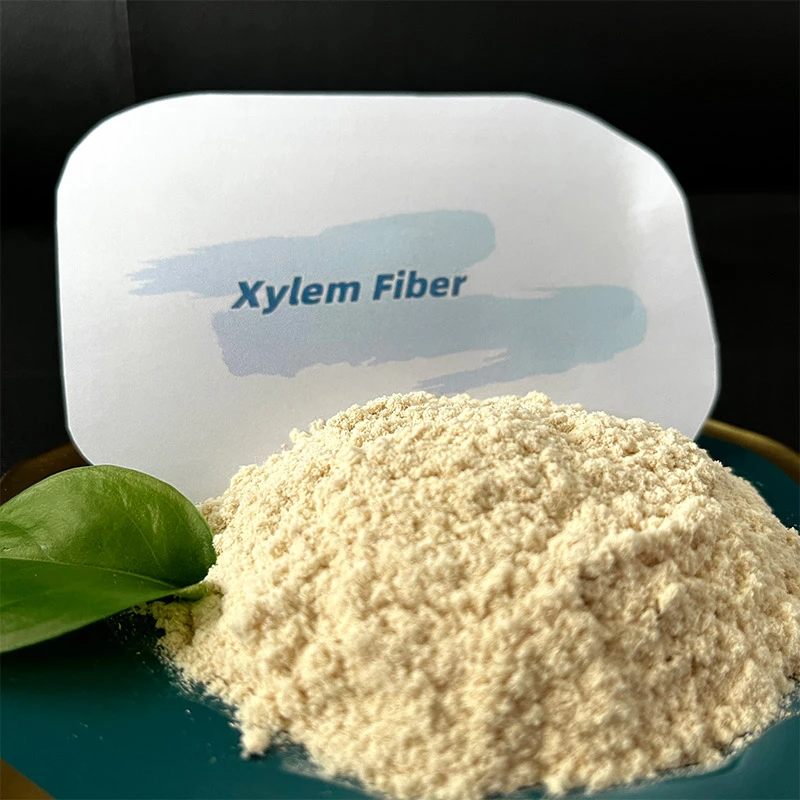
Xylem fiber, a natural and renewable resource derived from wood, has gained significant attention in various industries due to its eco-friendly attributes and versatility. This organic flocculent fiber material undergoes a series of chemical treatments and mechanical processing, transforming it into a high-quality product suitable for an array of applications. In this article, we will explore the features, advantages, technical specifications, and applications of Xylem fiber, as well as the background of the company behind this innovative material.
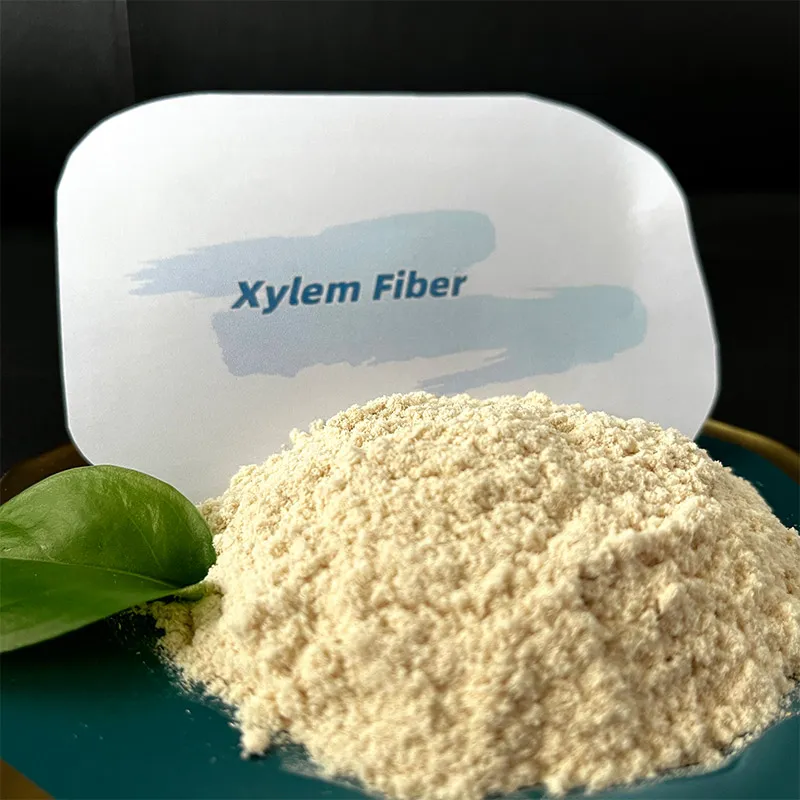
Understanding Xylem Fiber
Xylem fiber is a type of natural fiber extracted from the xylem tissue of trees, which is responsible for transporting water and nutrients from the roots to the leaves. This fiber is processed through advanced chemical and mechanical techniques to enhance its properties, making it suitable for various industrial applications. The production process ensures that the fiber retains its natural characteristics while improving its strength, durability, and adaptability to different environments.

The unique properties of Xylem fiber make it an attractive alternative to traditional synthetic fibers. Unlike synthetic materials, which often have a significant environmental impact, Xylem fiber is biodegradable and contributes to a circular economy. This makes it a preferred choice for industries aiming to reduce their carbon footprint and promote sustainable practices.
Key Features and Advantages
Xylem fiber offers several key features and advantages that make it a valuable material in various applications. One of its primary advantages is its ability to enhance the properties of construction materials such as concrete and mortar. When incorporated into these materials, Xylem fiber improves their strength and durability, making them more resistant to cracking and wear. This is particularly important in the construction industry, where the longevity of materials is crucial.
Additionally, Xylem fiber is used in the production of gypsum products, where it enhances structural integrity and workability. The fiber's absorbent properties also make it suitable for manufacturing wood pulp sponges, providing a biodegradable alternative in cleaning and household applications. In the asphalt industry, Xylem fiber acts as a reinforcing agent, improving the resilience and longevity of asphalt roads.
The versatility of Xylem fiber extends to the manufacturing of medium density fiberboard (MDF), where it serves as a key ingredient. This results in the production of sturdy and sustainable building materials that are increasingly being adopted in the home-building sector. As the demand for environmentally friendly building materials continues to rise, the use of Xylem fiber aligns seamlessly with the goals of sustainability and responsible resource management.
Technical Specifications
| Parameter | Details |
|---|---|
| Material Source | Wood xylem tissue |
| Processing Method | Chemical treatments and mechanical processing |
| Key Properties | High strength, durability, biodegradability, absorbency |
| Applications | Concrete, mortar, gypsum products, asphalt, MDF, wood pulp sponges |
| Environmental Impact | Low carbon footprint, supports sustainable forestry practices |
Applications in Various Industries
Xylem fiber has found its way into numerous industries, each leveraging its unique properties to enhance product performance. In the construction sector, the integration of Xylem fiber into concrete and mortar mixes not only improves their mechanical properties but also contributes to environmental sustainability. By reducing the need for traditional raw materials, Xylem fiber helps lower the overall environmental impact of construction projects.
In the production of gypsum products, Xylem fiber enhances the structural integrity and workability of the final product, making it a preferred choice for manufacturers. The fiber's absorbent properties also make it ideal for the manufacturing of wood pulp sponges, which are used in various cleaning and household applications. These sponges offer a biodegradable alternative to synthetic sponges, addressing the growing demand for eco-friendly products.
The asphalt industry benefits from the use of Xylem fiber as a reinforcing agent. By improving the resilience and longevity of asphalt roads, Xylem fiber contributes to the development of more durable infrastructure. This is particularly important in regions with extreme weather conditions, where the performance of road materials is critical.
In the manufacturing of medium density fiberboard (MDF), Xylem fiber plays a crucial role in producing sturdy and sustainable building materials. These materials are increasingly being adopted in the home-building sector, where the demand for eco-friendly products is on the rise. The use of Xylem fiber in MDF not only enhances the quality of the product but also supports the transition towards more sustainable construction practices.
Company Background: HeBei ShengShi HongBang Cellulose Technology CO.,LTD.
HeBei ShengShi HongBang Cellulose Technology CO.,LTD. is a leading company in the production and supply of Xylem fiber and other cellulose-based products. With a commitment to sustainability and innovation, the company has established itself as a key player in the industry. Their expertise in processing natural fibers ensures that their products meet the highest standards of quality and performance.
The company's mission is to provide environmentally friendly solutions that meet the evolving needs of various industries. By leveraging the natural properties of Xylem fiber, HeBei ShengShi HongBang Cellulose Technology CO.,LTD. contributes to the development of sustainable building materials and other products that align with global environmental goals. Their dedication to responsible forestry practices further supports ecosystem balance and the fight against climate change.
For more information about Xylem fiber and the products offered by HeBei ShengShi HongBang Cellulose Technology CO.,LTD., visit their official website at Xylem Fiber Product Page.
Conclusion
Xylem fiber represents a significant advancement in the use of natural resources for modern applications. Its versatility, eco-friendly attributes, and ability to enhance product performance make it a valuable material across various industries. As the demand for sustainable solutions continues to grow, Xylem fiber is poised to play a crucial role in the transition towards greener technologies and practices.
The integration of Xylem fiber into construction, manufacturing, and other sectors not only addresses environmental concerns but also drives innovation in product development. With the support of companies like HeBei ShengShi HongBang Cellulose Technology CO.,LTD., the future of Xylem fiber looks promising, offering economic, environmental, and social benefits for all stakeholders involved.
References
Source: National Institute of Standards and Technology (NIST) (https://www.nist.gov/)
-
Industrial Guide to ГПМЦ целлюлоза High Performance CelluloseNewsApr.16,2026
-
Wood Cellulose Properties and Industrial Applications GuideNewsApr.09,2026
-
Does Wood Contain Cellulose A Detailed Exploration of its Composition and UsesNewsApr.07,2026
-
Understanding Wood Cellulose Meaning Applications and Future TrendsNewsApr.04,2026
-
Exploring the Potential of Wood Cellulose is wood cellulose a Sustainable MaterialNewsMar.31,2026
-
Exploring the Sustainability and Versatility of Cellulose Wood ChipsNewsMar.28,2026
-
Understanding Wood Pulp Cellulose A Comprehensive Guide to Properties and ApplicationsNewsMar.26,2026