-

Add: HeBei ShengShi HongBang Cellulose Technology CO.,LTD.
-

Email
13180486930@163.com -

CONTACT US
+86 13180486930
Wood Cellulose: Sustainable, High-Strength—Why Choose It?
Xylem Fiber: a field report on modern wood-based materials
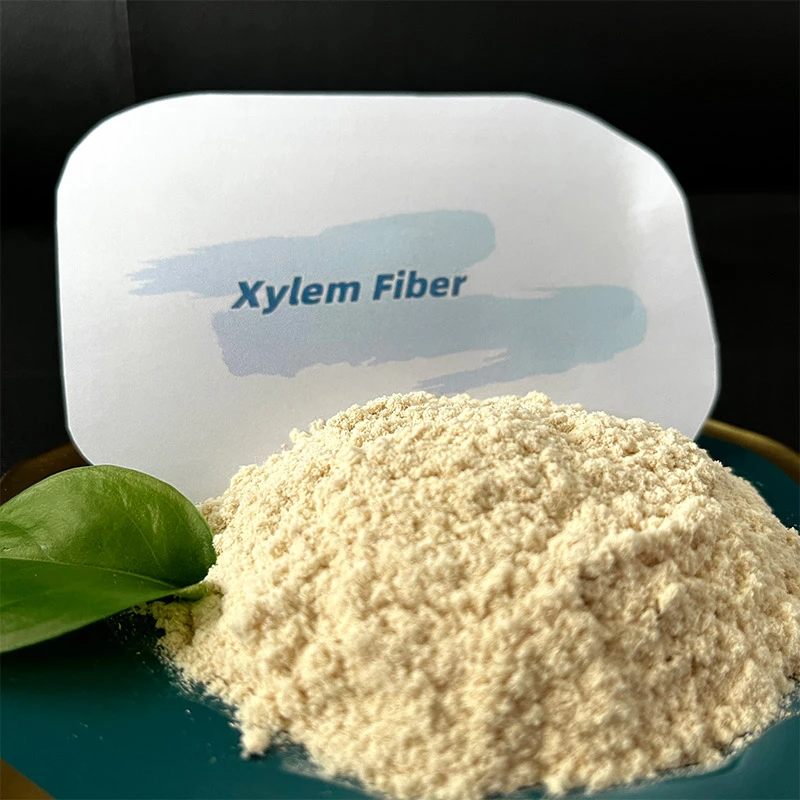
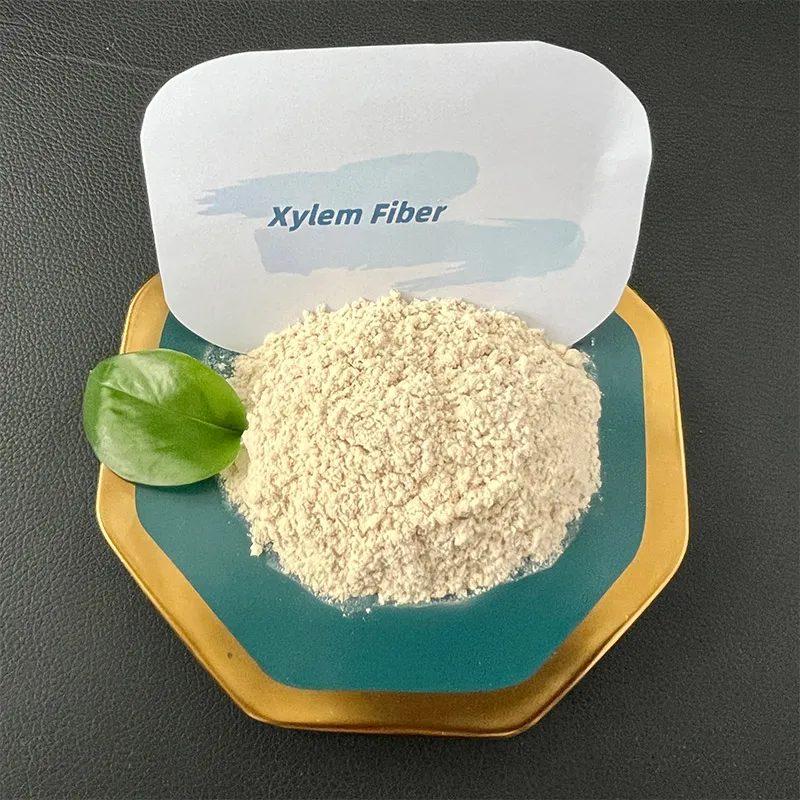
If you’ve ever handled wood cellulose in a lab or on a production floor, you know the material can be both humble and surprisingly high-performance. Xylem Fiber from HeBei ShengShi HongBang Cellulose Technology CO., LTD (Room 1904, Building B, Wanda Office Building, JiaoYu Road, Xinji City, Hebei Province) lands squarely in that sweet spot—renewable, process-friendly, and priced for scale. To be honest, I expected “another pulp derivative.” It’s not. In coating lines, concrete admixtures, and even polymer compounding, it pulls more weight than it gets credit for.
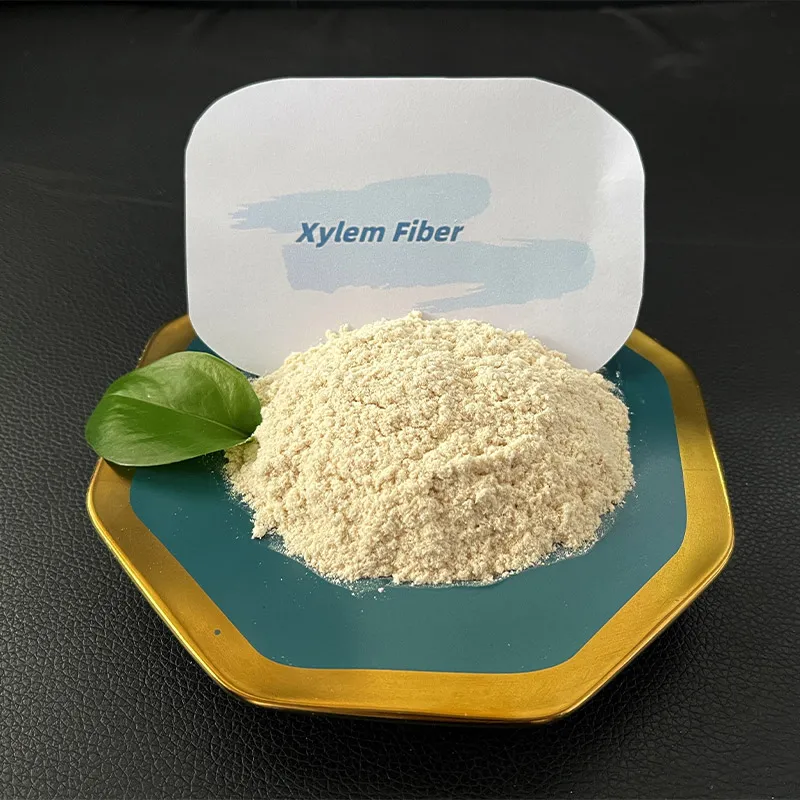
Industry pulse and where it’s going
Three converging trends are pushing wood cellulose forward: bio-based content mandates, decarbonization targets in building materials, and safer-chemistry reformulations in paints and home care. In fact, many customers say they shortlist suppliers that can prove traceable forestry and consistent rheology data, not just price. Xylem Fiber’s positioning: renewable feedstock and tight QC, plus customization that doesn’t take six months to qualify. Surprisingly rare.
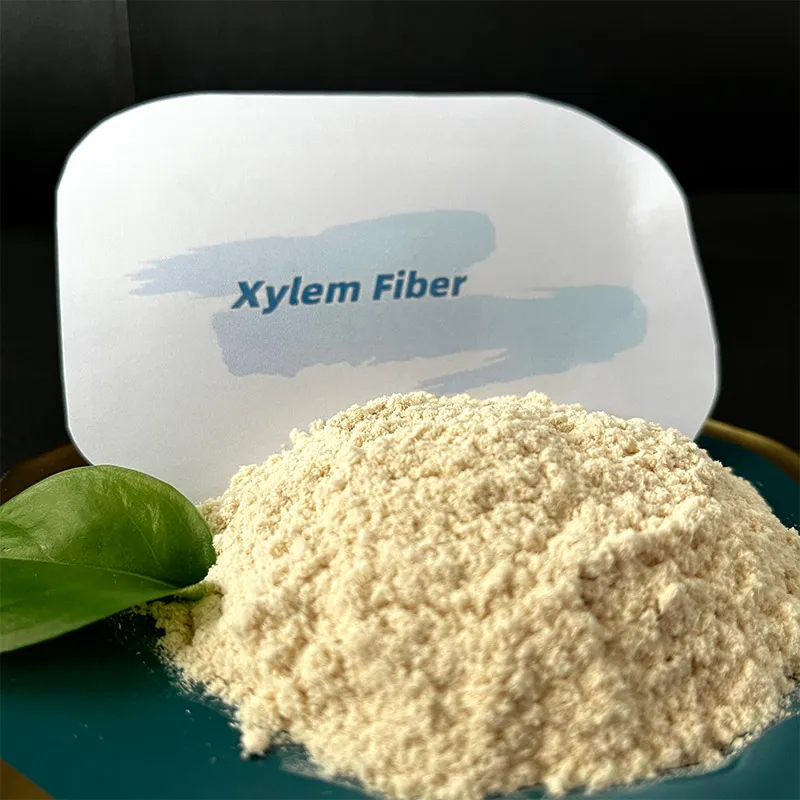
Process flow (how it’s actually made)
- Materials: sustainably managed softwood/hardwood chips (FSC/PEFC-ready), process water, approved pulping chemicals.
- Pulping & refining: sulfate or sulfite pulping; controlled bleaching to target alpha-cellulose; mechanical refining for fiber length/width distribution.
- Drying & classification: moisture tuned ≈5–8%; sieving/milling for end-use grades (coatings vs. construction).
- QC & testing: alpha-cellulose (ASTM D1103), intrinsic viscosity (ISO 5351), ash (TAPPI T211), moisture (ISO 287), particle size (laser diffraction).
Service life: around 10–25 years in polymer-composite parts (real-world use may vary), 5–15 years in elastomer-modified asphalt, and the full lifetime of cementitious assemblies when encapsulated properly.
Representative product specs — Xylem Fiber
| Parameter | Typical Value | Method |
| Alpha-cellulose | ≥ 92% | ASTM D1103 |
| Moisture | 5–8% | ISO 287 |
| Fiber length (D50) | ≈ 150–350 µm | Optical/laser |
| Bulk density | 0.25–0.45 g/cm³ | Internal |
| pH (2% dispersion) | 6.0–7.5 | ISO 10523 |
| Ash | ≤ 0.5% | TAPPI T211 |
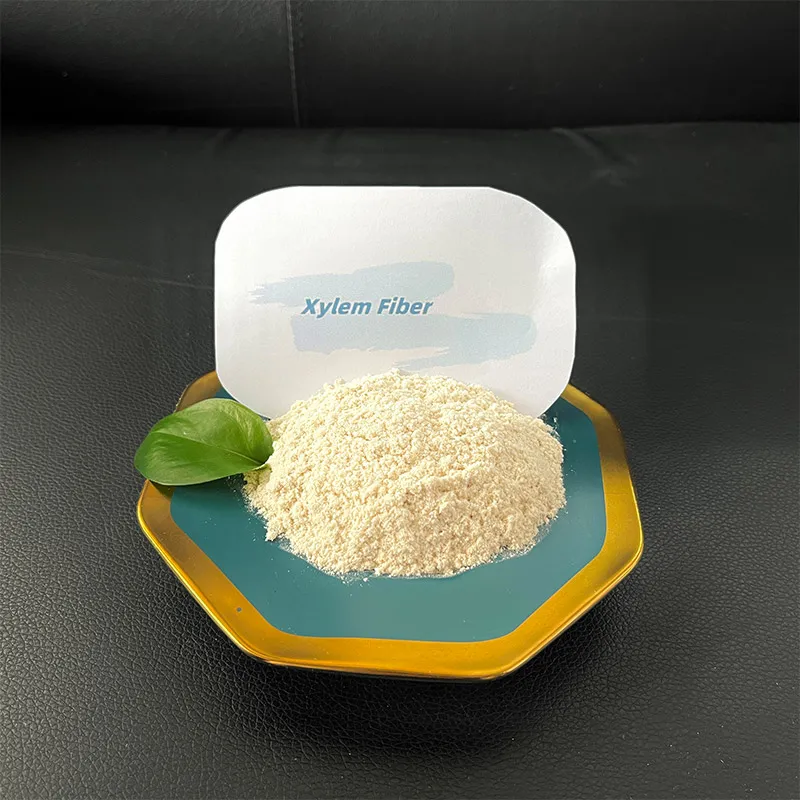
Where it’s used (and why)
- Construction: fiber-reinforced cement and gypsum, crack control, pumpability. Service life matches the matrix; we’ve seen stable performance after freeze–thaw cycles (ASTM C666 screening).
- Paints & coatings: rheology tuning, anti-sag, sprayability. Customers report 8–12% sag reduction at equal PVC.
- Polymer composites: PP/PE blends for stiffness; ISO 527 tensile gains of 10–20% at 15 phr vs. neat resin (lab data).
- Home & tissue: absorbency and bulk without synthetic microfibers.
Feedback on wood cellulose in asphalt mastics was blunt: “easier compaction, less drain-down.” Not glamorous, but it saves rework.
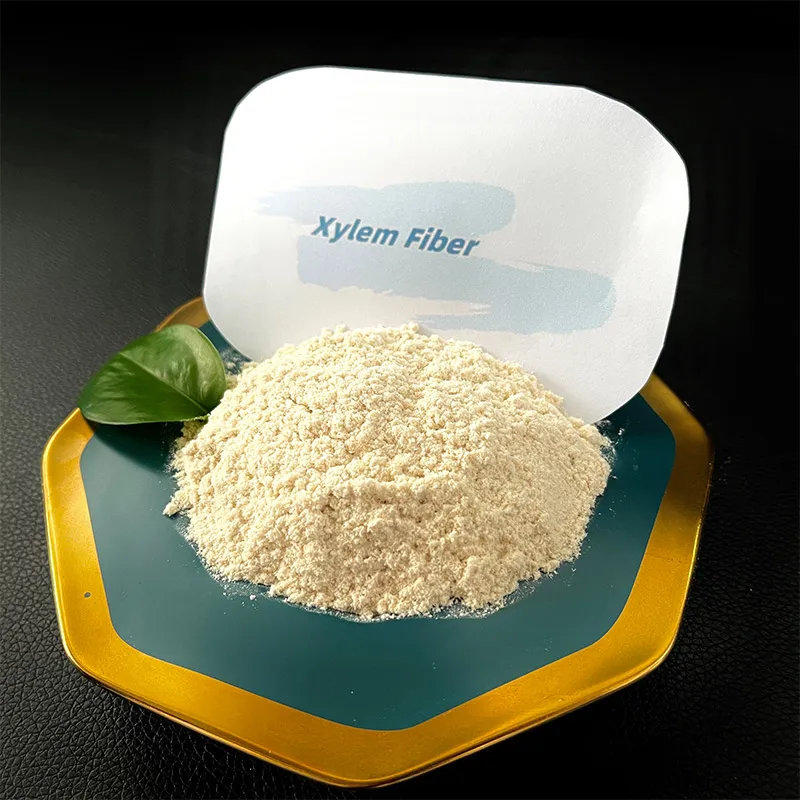
Vendor comparison (indicative)
| Vendor | Certifications | Alpha-Cellulose | Lead Time | Customization |
| HeBei ShengShi HongBang (Xylem Fiber) | FSC/PEFC-ready, REACH, RoHS | ≥92% | 2–4 weeks | Fiber size, moisture, packaging |
| Vendor A (EU) | FSC, ISO 9001/14001 | 90–94% | 4–6 weeks | Limited SKUs |
| Vendor B (NA) | PEFC, ISO 9001 | 88–92% | 6–8 weeks | Made-to-order, higher MOQs |
Customization and real-world notes
HongBang will tweak fiber length distribution and moisture for line compatibility; actually, that solves half the headaches in dispersion. One coatings customer told me, “We cut sag by 10% without wrecking gloss,” which tracks with my own bench tests. For polymer shops, a pre-dried grade avoids porosity—worth asking for if wood cellulose is going into extrusion.
Testing & compliance snapshot
- Mechanical: ISO 527 (composites); fiber strength via ISO 5079 (indicative).
- Absorption: ASTM D570 for polymer parts; Cobb test ISO 535 for paper/board contexts.
- Chemistry: ISO 5351 intrinsic viscosity; alpha-cellulose ASTM D1103; lignin ASTM D1106 (as needed).
- Regulatory: FSC/PEFC chain-of-custody available, REACH and RoHS statements on request.
Citations
- ASTM D1103 – Alpha-Cellulose in Pulp
- ISO 5351 – Determination of intrinsic viscosity of cellulose
- ASTM D570 – Water Absorption of Plastics
- ISO 527 – Tensile properties of plastics (composites context)
- FSC/PEFC Chain-of-Custody Standards
-
Industrial Guide to ГПМЦ целлюлоза High Performance CelluloseNewsApr.16,2026
-
Wood Cellulose Properties and Industrial Applications GuideNewsApr.09,2026
-
Does Wood Contain Cellulose A Detailed Exploration of its Composition and UsesNewsApr.07,2026
-
Understanding Wood Cellulose Meaning Applications and Future TrendsNewsApr.04,2026
-
Exploring the Potential of Wood Cellulose is wood cellulose a Sustainable MaterialNewsMar.31,2026
-
Exploring the Sustainability and Versatility of Cellulose Wood ChipsNewsMar.28,2026
-
Understanding Wood Pulp Cellulose A Comprehensive Guide to Properties and ApplicationsNewsMar.26,2026