-

Add: HeBei ShengShi HongBang Cellulose Technology CO.,LTD.
-

Email
13180486930@163.com -

CONTACT US
+86 13180486930
Wood Cellulose: High-Purity Sustainable Strength—Why?
Xylem Fiber: The Understated Power of Cellulose in Modern Manufacturing
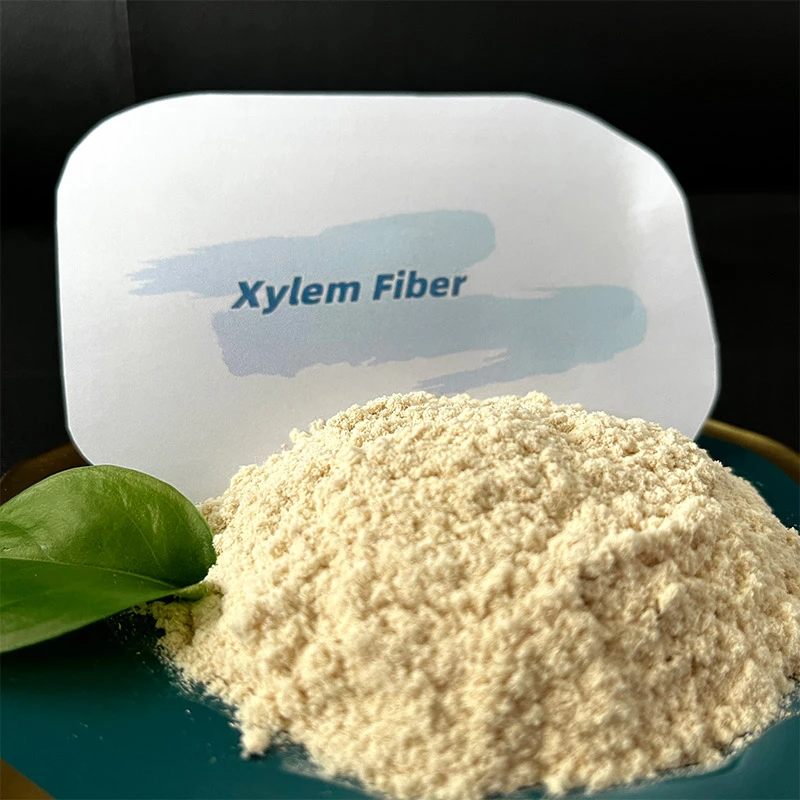
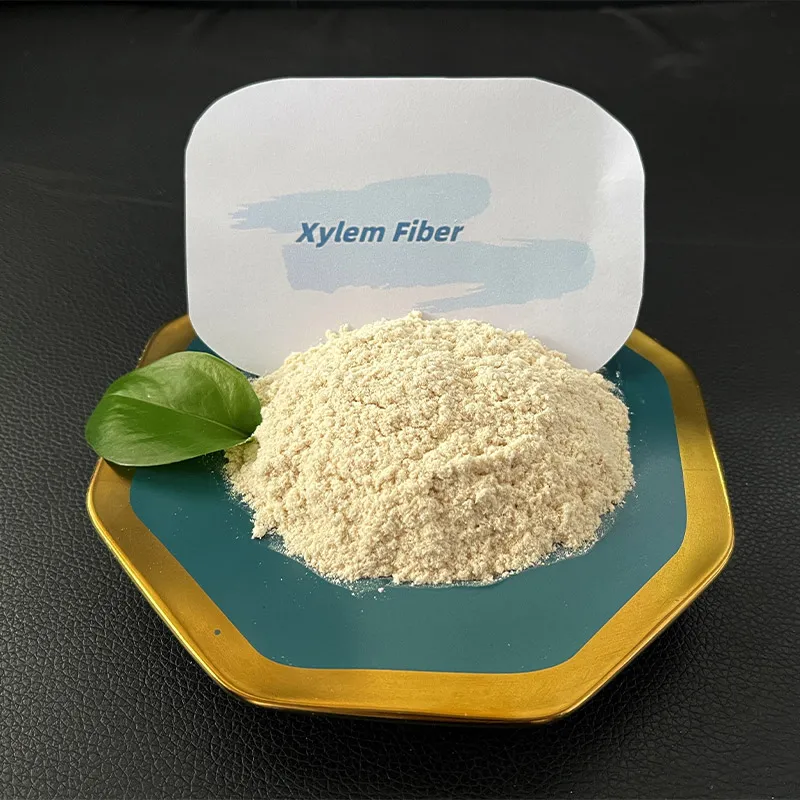
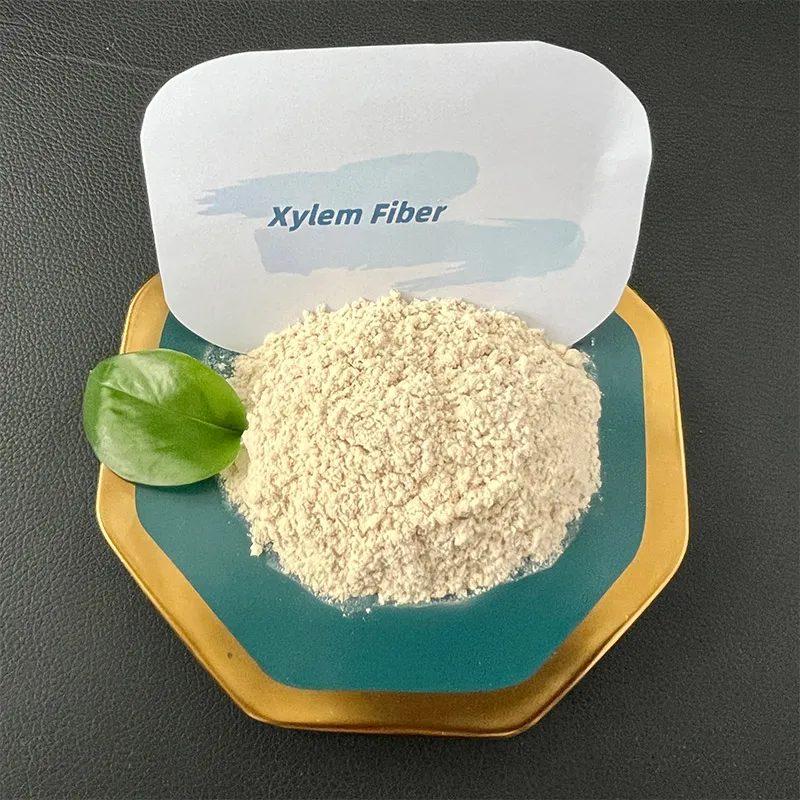
I’ve walked a few mills and pilot lines in my time, and the quiet hero that keeps popping up is wood cellulose. Not flashy, but—actually—highly engineered. Xylem Fiber, sourced by HeBei ShengShi HongBang Cellulose Technology CO., LTD (Room 1904, Building B, Wanda Office Building, JiaoYu Road, Xinji City, Hebei Province), is one of those materials that moves effortlessly from mortar to coatings to molded packaging. And customers keep telling me the same thing: it works, it’s steady, and the sustainability story is real.
Industry Snapshot and Why It’s Trending
Demand for wood cellulose has shifted from “nice-to-have” to “spec’d-in.” Construction chemicals seek cleaner rheology modifiers; paper & packaging teams want compostable strength; coatings labs are replacing synthetics. The kicker? Stable pricing versus petro-based alternatives and credible chain-of-custody certifications.
Product Specifications (Xylem Fiber)
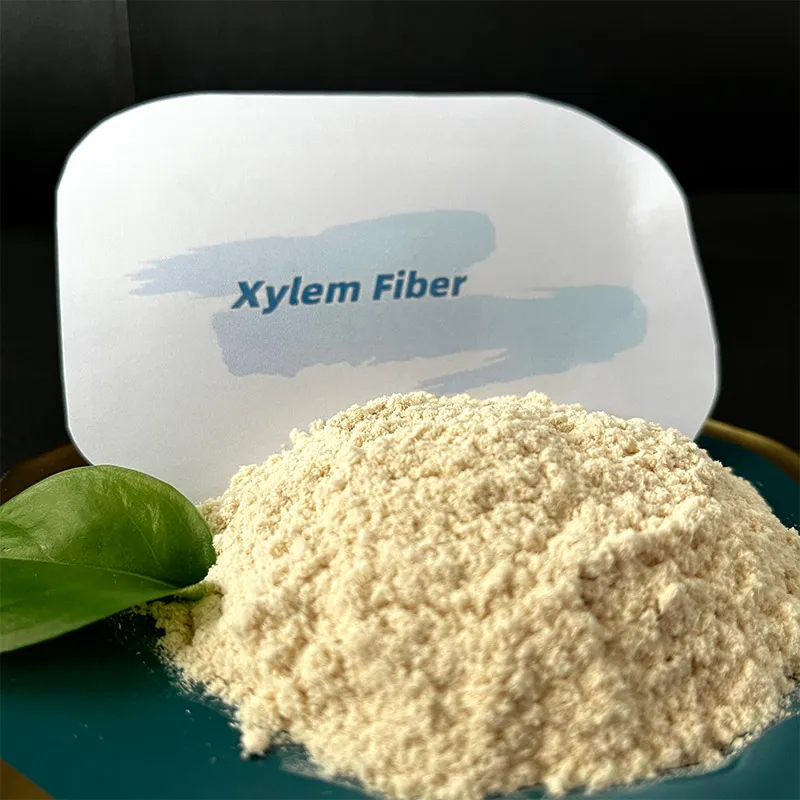
| Primary material | Purified wood cellulose (xylem-derived) |
| Fiber length (D50) | ≈100–700 μm (grades vary; custom on request) |
| Bulk density | 0.18–0.35 g/cm³ (around) |
| Moisture content | 4–8% w/w (real-world use may vary) |
| Ash (TAPPI T211) | ≤0.5% |
| Alpha-cellulose (TAPPI T203) | ≥92% |
| Certifications | ISO 9001, ISO 14001; FSC/PEFC chain-of-custody (on applicable lots) |
| Shelf life | 24 months sealed; cool, dry storage |
Process Flow and Testing
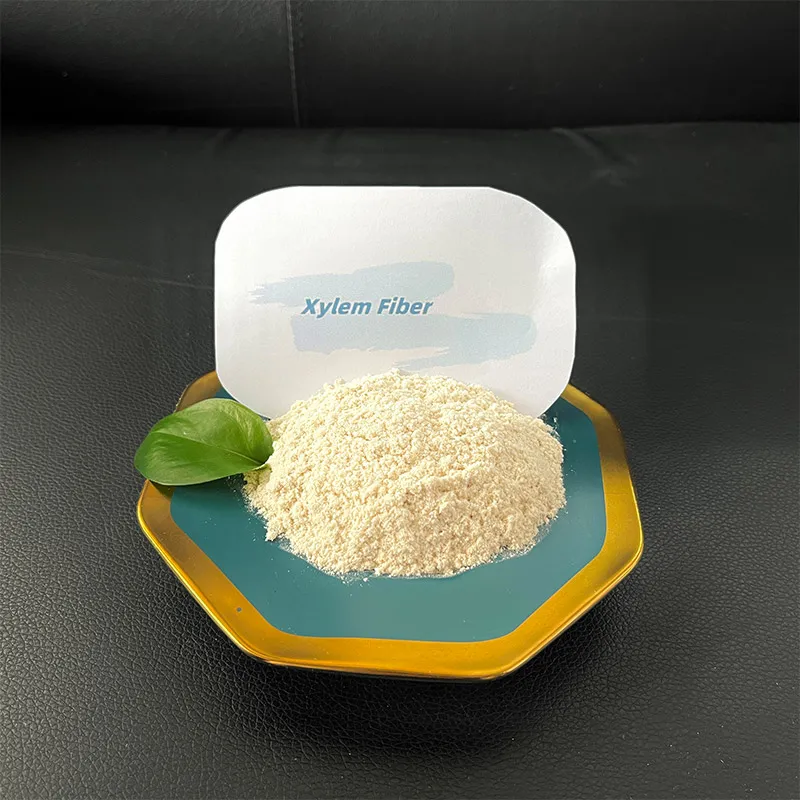
Materials: sustainable wood feedstock → mechanical refining → cleaning/extraction → classification/sieving → drying → surface conditioning (optional). Methods emphasize low-resin, low-ash profiles. Labs typically verify alpha-cellulose (TAPPI T203), ash (T211), moisture (T412), and particle metrics (laser diffraction). QA runs to ISO 9001; environmental systems under ISO 14001. For food-contact paper uses, many buyers align to FDA 21 CFR 176.170/180 and EU 1935/2004—always check lot docs.
Service life: in dry-mix mortars or composites, the cellulose performance tracks the host material’s lifecycle; in asphalt and cementitious systems, the functional benefits are observed throughout standard in-service periods (≈10–25 years depending on the build-up). To be honest, storage and formulation discipline matter more than people think.
Applications and Advantages
- Dry-mix mortar and gypsum: anti-sag, water retention, smoother trowel feel.
- Paints & coatings: viscosity build, spatter control, improved leveling.
- Paper & molded fiber: light-weighting with strength; compostable end-of-life.
- Polymer/biocomposites: reinforcement, reduced plastic content—surprisingly effective at low loadings.
- Filtration and asphalt: porosity control, binder stabilization.
Many customers say Xylem Fiber’s “forgiving window” in batching is what saves them—less clumping, faster wet-out, fewer do-overs.
Vendor Comparison (Indicative)
| Vendor | Lead time | Customization | Certs | MOQ |
|---|---|---|---|---|
| HeBei ShengShi HongBang (Xylem Fiber) | ≈2–4 weeks (stock grades faster) | Fiber length, bulk density, surface treatment | ISO 9001/14001; FSC/PEFC on request | ≈500–1000 kg |
| Nordic PulpCo (example) | 3–6 weeks | Standard grades; limited custom | ISO 9001; FSC | ≈1000 kg |
| Pacific Biofiber (example) | 4–8 weeks | Project-based only | ISO 9001/14001 | ≈1500 kg |
Customization and Real-World Case
Custom options: tuned fiber length distribution, moisture target, dusting level (oil-treated/low-dust), and blend-ready premixes. I guess the best practice is a two-bag trial—plant-scale if possible.
Case study: A South China dry-mix producer swapped a synthetic thickener for Xylem Fiber in a C1T tile adhesive. Water retention rose ≈6%, slip dropped by 30%, and open time extended ~8 minutes at 25°C/50% RH (lab data, ISO 13007 methods). Field crews reported “cleaner comb” and fewer callbacks. That’s the kind of boring win procurement loves.
How to Validate on Your Line
- Run moisture/ash per TAPPI; confirm particle profile vs. spec.
- Application tests: mortar (EN 1015), coatings KU/ICI viscosity, fiber-mold drop tests.
- Regulatory: request lot CofC; align with FDA 21 CFR 176.170/180 or EU 1935/2004 if food-contact paper is in scope.
Sources:
- TAPPI T203 cm-09 (Alpha-, beta-, and gamma-cellulose in pulp)
- TAPPI T211 om-21 (Ash in wood, pulp, paper, and paperboard)
- FDA 21 CFR 176.170/176.180; EU Regulation (EC) No 1935/2004
-
Industrial Guide to ГПМЦ целлюлоза High Performance CelluloseNewsApr.16,2026
-
Wood Cellulose Properties and Industrial Applications GuideNewsApr.09,2026
-
Does Wood Contain Cellulose A Detailed Exploration of its Composition and UsesNewsApr.07,2026
-
Understanding Wood Cellulose Meaning Applications and Future TrendsNewsApr.04,2026
-
Exploring the Potential of Wood Cellulose is wood cellulose a Sustainable MaterialNewsMar.31,2026
-
Exploring the Sustainability and Versatility of Cellulose Wood ChipsNewsMar.28,2026
-
Understanding Wood Pulp Cellulose A Comprehensive Guide to Properties and ApplicationsNewsMar.26,2026