-

Add: HeBei ShengShi HongBang Cellulose Technology CO.,LTD.
-

Email
13180486930@163.com -

CONTACT US
+86 13180486930
Wood Cellulose for Bioplastics & Composites | High-Purity
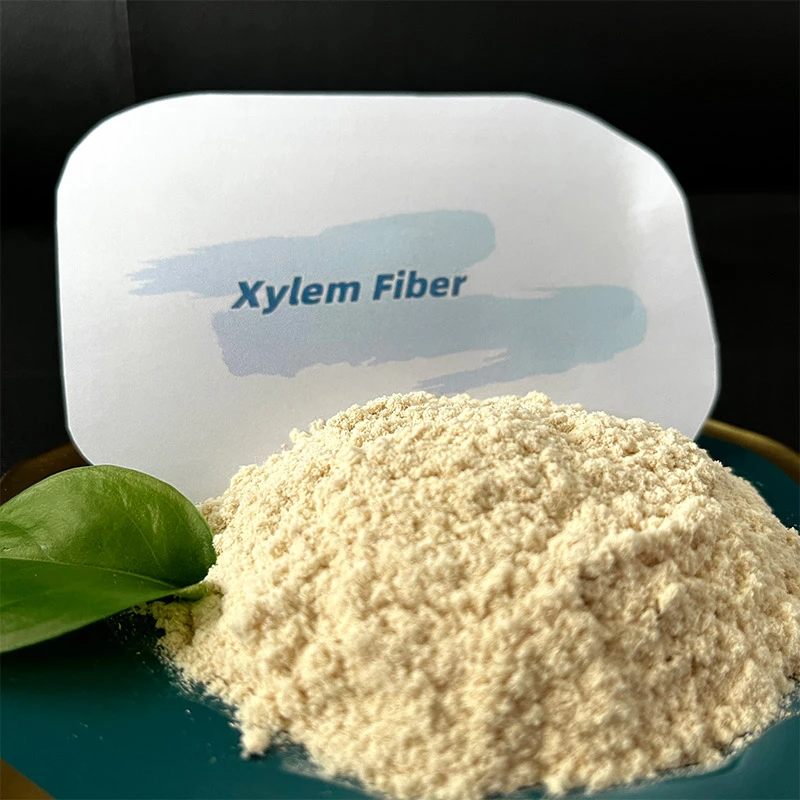
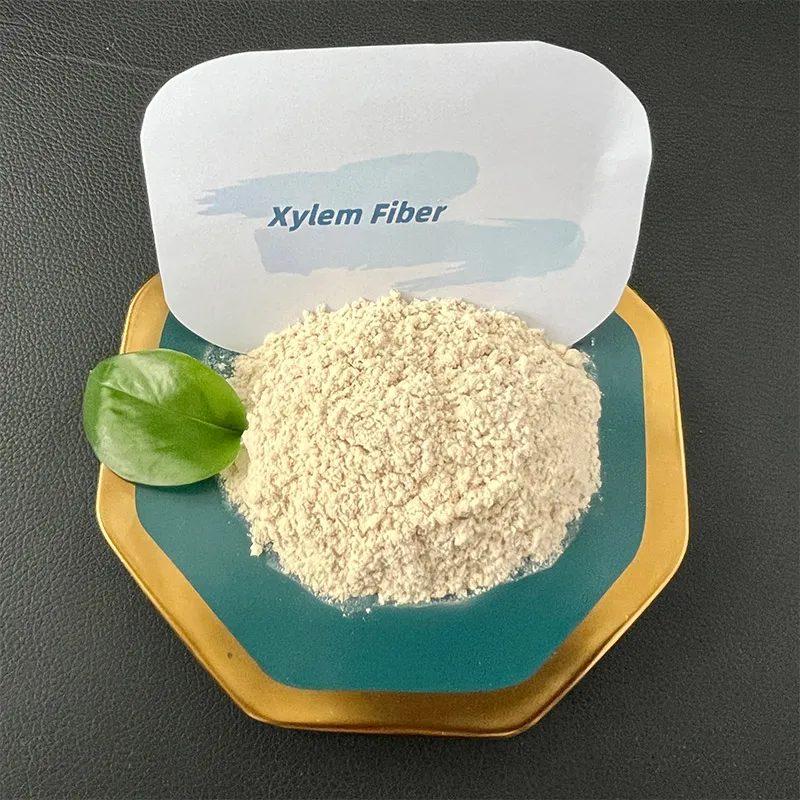
Xylem Fiber: the quiet workhorse of modern materials
When people ask me what’s reshaping composites, asphalt mixes, even paint rheology, I often point to wood cellulose—in this case, Xylem Fiber from HeBei ShengShi HongBang Cellulose Technology CO., LTD. It’s renewable, surprisingly tough for its weight, and (to be honest) underrated outside of specialist circles.
Xylem Fiber is produced in Xinji City, Hebei, and the company has been leaning into cleaner production, tighter specs, and yes, faster customization. Market-wise, demand is trending up in sustainable construction, EV interior composites, and stone mastic asphalt (SMA). Many purchasing managers tell me they’re swapping mineral fillers for wood cellulose to cut weight and improve stability.
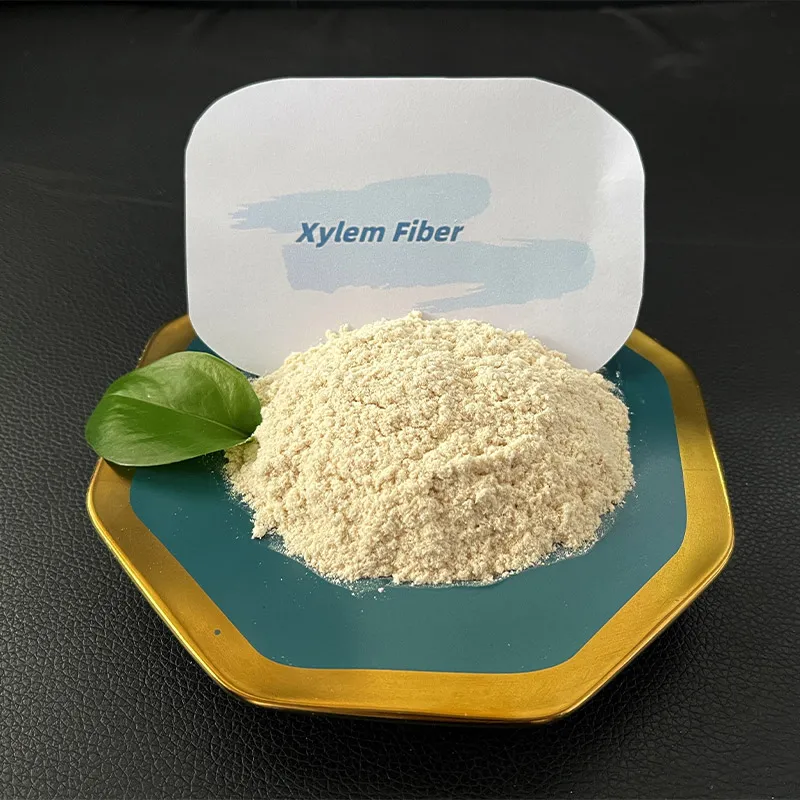
Why it’s hot: three quick trends
- Binder control in SMA and porous asphalt; lower draindown at equal binder content.
- Lighter, bio-based fillers for molded parts and building materials.
- Rheology tuning in waterborne coatings and adhesives with fewer VOC constraints.
Key specifications (typical, not absolute)
| Parameter | Xylem Fiber (typ.) | Method/Note |
| Fiber length distribution | ≈0.2–1.5 mm (D50 ≈0.6 mm) | Image analysis; real-world use may vary |
| Diameter | ≈10–30 μm | Optical microscopy |
| Moisture | ≤8% | ISO 287 / TAPPI T412 |
| Ash content | ≤1.0% | TAPPI T211 |
| Bulk density | ≈25–60 kg/m³ | Loose-fill |
| pH (2% slurry) | 6.0–8.0 | ISO 6588-1 |
| Thermal stability (onset) | ≈230–260°C | TGA, nitrogen |
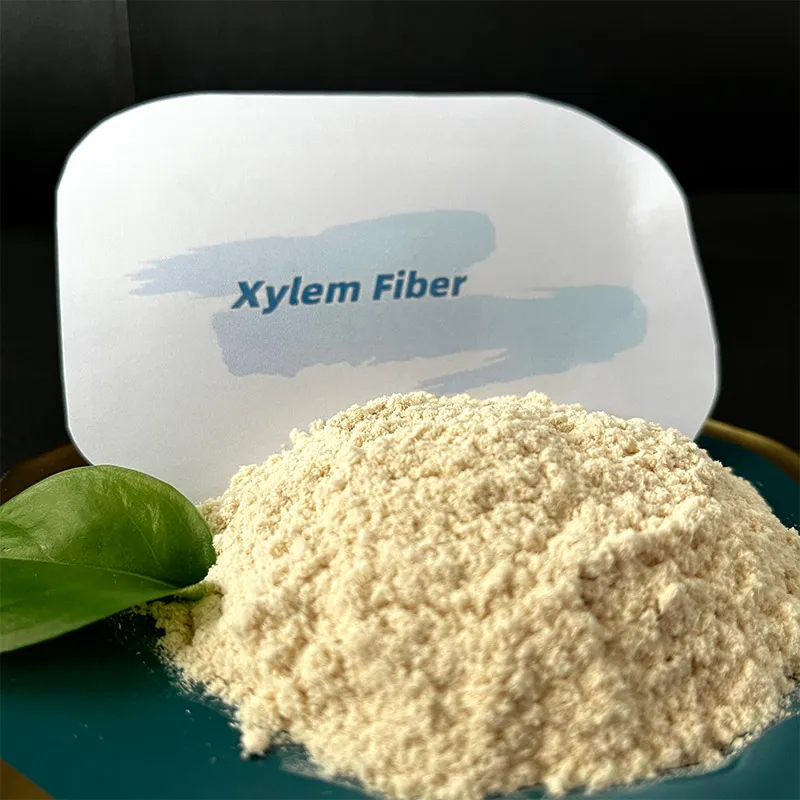
From tree to fiber: process snapshot
- Materials: responsibly sourced softwood/hardwood pulp (FSC/PEFC on request).
- Methods: pulping → refining/fibrillation → classification → drying → baling.
- QC & testing: moisture (ISO 287), ash (TAPPI T211), fiber size (image analysis), odor/taint (sensory), heavy metals (per REACH screening).
- Service life: in SMA/asphalt ≈10–15 years (depends on design and climate); in mineral composites similar to host matrix durability.
- Industries: road building (SMA), coatings, sealants/adhesives, gypsum and cementitious products, polymer/biopolymer composites.
Applications, advantages, real feedback
- SMA/Asphalt: reduces binder draindown (EN 12697-18); field data I’ve seen showed ≈0.35% → 0.08% at equal binder—nice.
- Coatings: shear-thinning boost and sag resistance with lower VOC; customers say it “feels more forgiving” in application.
- Mortars/gypsum: enhanced crack resistance and water retention.
- Composites: lower density, better acoustic damping; yes, sustainable story included.
Vendor comparison (snapshot, my notes)
| Vendor | Certs | Fiber length control | Ash (typ.) | Customization | Lead time |
| HeBei ShengShi HongBang (Xylem Fiber) | ISO 9001/14001; FSC/PEFC on request; REACH | Tight (D50 ≈0.6 mm) | ≤1.0% | Cut, sizing, surface treatment | ≈2–4 weeks |
| European A-brand | ISO 9001/14001; FSC | Very tight | ≈0.7–1.2% | Wide catalog, some MOQ | ≈3–6 weeks |
| Regional supplier | Basic QC | Variable | 1–2% | Limited | ≈1–3 weeks |
Customization and real-world cases
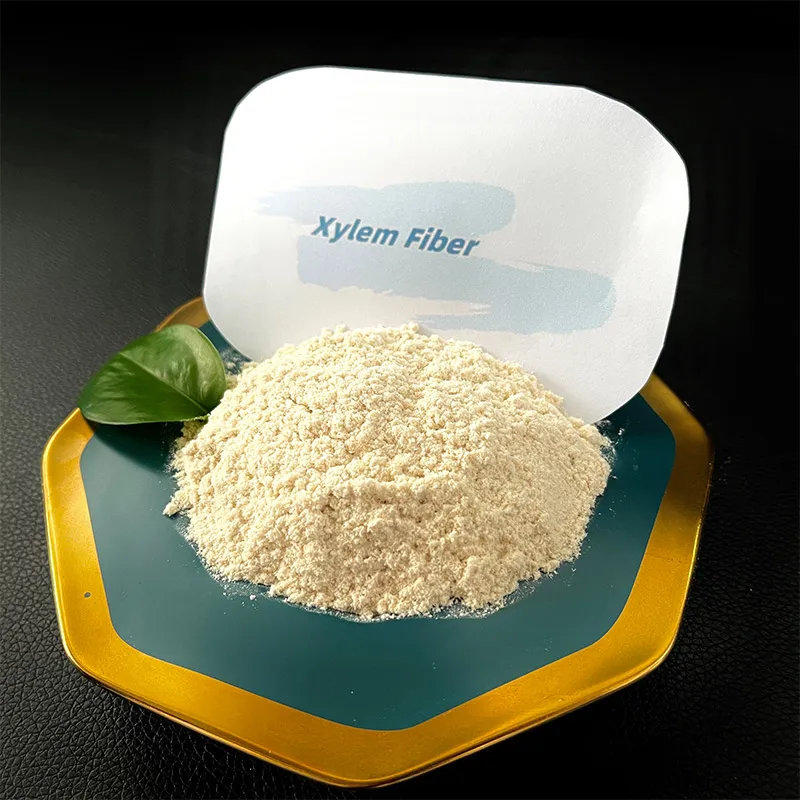
Customization options include tailored fiber length distributions, hydrophobic or coupling-agent surface treatments, and low-odor grades for coatings. One northern China SMA project I visited cut rutting complaints by ~18% season-over-season after switching to wood cellulose stabilization. A waterborne paint maker told me their KU rose ≈10–15% with the same PVC—hand feel improved, leveling stayed fine.
Origin and contact: HeBei ShengShi HongBang Cellulose Technology CO., LTD, Room 1904, Building B, Wanda Office Building, JiaoYu Road, Xinji City, Hebei Province. If you’re benchmarking suppliers for wood cellulose-based solutions, Xylem Fiber is worth a lab trial—ideally side-by-side with your incumbent, same binder and shear history. Small tip: pre-wet the wood cellulose where feasible to improve dispersion.
Standards and compliance to reference
- EN 12697-18 for binder draindown in bituminous mixtures (for your SMA trials).
- ISO 287 (moisture), TAPPI T211 (ash), ISO 6588-1 (pH) for routine QC.
- ISO 9001/14001; FSC/PEFC chain-of-custody available on request.
Authoritative citations
- EN 12697-18: Bituminous mixtures—Test methods—Part 18: Binder drainage.
- ISO 287: Paper and board—Determination of moisture content.
- TAPPI T211: Ash in wood pulp, paper, and paperboard.
- FSC Principles & Criteria; FSC-STD-40-004 Chain-of-Custody Certification.
- ISO 14001: Environmental management systems—Requirements with guidance.
-
Industrial Guide to ГПМЦ целлюлоза High Performance CelluloseNewsApr.16,2026
-
Wood Cellulose Properties and Industrial Applications GuideNewsApr.09,2026
-
Does Wood Contain Cellulose A Detailed Exploration of its Composition and UsesNewsApr.07,2026
-
Understanding Wood Cellulose Meaning Applications and Future TrendsNewsApr.04,2026
-
Exploring the Potential of Wood Cellulose is wood cellulose a Sustainable MaterialNewsMar.31,2026
-
Exploring the Sustainability and Versatility of Cellulose Wood ChipsNewsMar.28,2026
-
Understanding Wood Pulp Cellulose A Comprehensive Guide to Properties and ApplicationsNewsMar.26,2026